Paleo Diet Explained: What Holds Up and What Doesn’t (2026)
.webp)
TL;DR: The paleo diet still gets some important things right in 2026. It pushes people toward more whole foods, more protein, and fewer ultra-processed defaults. But some of its stricter rules do not hold up as well, especially when they turn healthy eating into an all-or-nothing project.
Why the paleo diet still appeals to people
The paleo diet remains popular because its core message is easy to understand. Eat more foods that look close to their original form, rely less on heavily processed products, and build meals around meat, fish, eggs, vegetables, fruit, nuts, and seeds. For many people, that shift alone already feels like a big upgrade from a routine based on snack foods, takeout, and packaged convenience meals.
That appeal is not just about ideology. It is also about simplicity. Paleo often feels clearer than calorie counting or macro tracking because it gives people a shorter list of defaults. In practice, that can help some users improve food quality quickly, especially if their starting point was chaotic or built around ultra-processed foods. If you want a broader read on why simpler defaults matter, Healthy Eating Basics: Build a Balanced Plate fits well with this topic.
At the same time, paleo often sounds more complete than it really is. A diet can be useful without being universally correct, and that is the key to understanding what still works in 2026 and what does not.
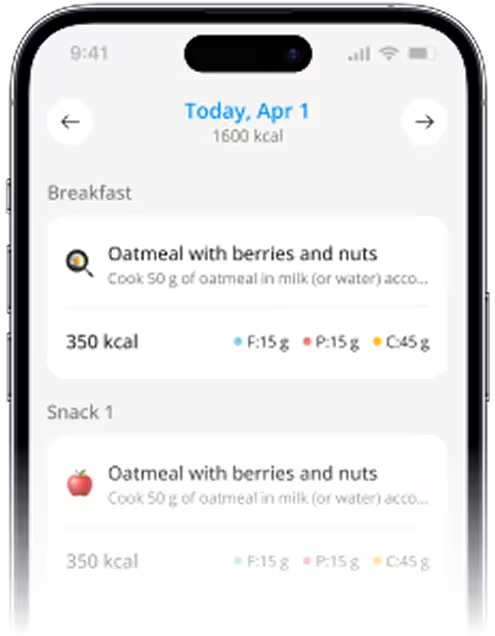
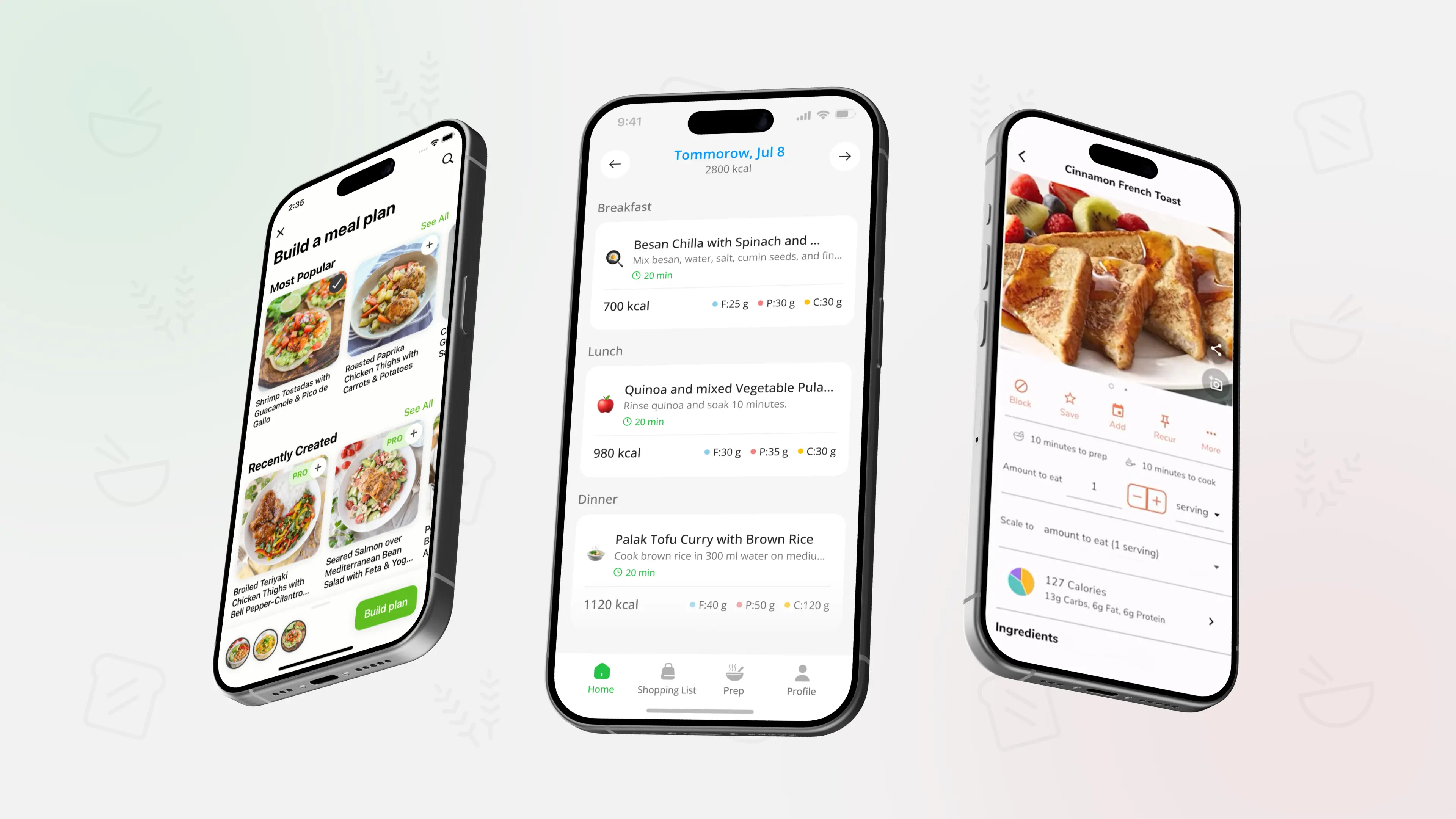
If you want the practical benefits of eating more whole foods without turning your week into a rigid diet project, PlanEat AI helps you build a weekly meal plan with realistic meals, a grouped grocery list, and easy swaps based on your goals, dislikes, and cooking time.
What still holds up in 2026
The strongest part of paleo is that it encourages people to eat more minimally processed foods. That usually means better meals, more protein, more fiber from produce, and fewer moments where packaged convenience foods replace real eating. For a lot of people, that shift alone improves fullness, meal quality, and overall structure.
Paleo also tends to reduce the constant stream of refined snack foods and sugary foods that often dominate modern routines. When breakfast, lunch, and dinner become more meal-based and less random, people usually feel better simply because their eating is more grounded. This is one reason paleo still overlaps with useful advice in articles like Ultra-Processed Foods: How to Cut Back Without Going Extreme (2026).
Another thing paleo still gets right is the idea that food quality matters alongside calories. Calories still matter for body weight, but the way those calories are packaged affects hunger, energy, and how easy the diet is to maintain. Meals built from protein, vegetables, fruit, potatoes, and simple fats often work better in real life than a day full of technically controlled but low-quality convenience food.
What does not hold up as well anymore
The weaker side of paleo is its tendency to treat entire food groups as a problem by default. In 2026, that part feels less convincing. Foods like beans, lentils, yogurt, oats, and whole grains can fit well into a healthy diet for many people, and removing them automatically is often more restrictive than useful.
This matters because stricter rules do not always create better outcomes. Sometimes they simply make the diet harder to sustain. A person may start with good intentions, but once eating becomes too narrow, too socially awkward, or too repetitive, the system breaks.
Another limitation is that paleo can sometimes create a false sense of nutritional certainty. Just because a food would not fit paleo does not mean it is unhealthy, and just because a food fits paleo does not automatically make it a great choice in every amount or every context. Healthy eating works better when it stays practical and flexible, not when it turns into a historical purity test.
The more useful question is what to borrow from paleo
For most people, the best approach is not “Should I go fully paleo?” but “Which paleo ideas actually improve my week?” That is where the diet becomes much more useful. Borrowing the emphasis on whole foods, simple ingredients, and meal-based eating can help a lot. Borrowing the stricter avoidance rules usually helps much less.
For example, someone might improve their routine by replacing packaged breakfast foods with eggs, fruit, and potatoes, building more dinners around fish or chicken with vegetables, and keeping fewer hyper-palatable snack foods at home. Those are meaningful upgrades even if the person still eats yogurt, oats, or legumes. In other words, the practical value often comes from direction, not from perfect compliance.
This is also why a flexible planning system tends to work better than a hard diet label. Meal Planning Basics: How to Start (Beginner Guide) and Flexible Meal Planning Without a Strict Plan (2026) both fit naturally here because they focus on building a repeatable routine instead of forcing perfect adherence.
A better long-term approach than strict paleo
The most sustainable path is usually a weekly routine built around better defaults, not stricter identity-based eating. People do better when they know what breakfast looks like most days, have a few dependable lunches and dinners, and buy groceries for meals they will realistically make. That creates structure without forcing unnecessary exclusions.
For example, someone who plans three simple dinners, repeats two easy breakfasts, keeps better snacks at home, and shops from a usable list is already applying the most helpful part of paleo: fewer ultra-processed defaults and more real meals. The difference is that this approach leaves room for foods that still work well even if they are not “paleo approved.”
That is where PlanEat AI fits naturally as the practical conclusion. It lets users build a weekly meal plan around realistic foods and real schedules, with a grouped grocery list that makes follow-through easier. For people who like the cleaner structure of paleo but do not want rigid rules, that is often the more useful 2026 solution.
FAQ
Is the paleo diet still healthy in 2026?
It can be helpful in some ways, especially when it leads to more whole foods and fewer ultra-processed foods. But it is not automatically healthier just because it is stricter.
What is the biggest problem with paleo?
For many people, the biggest problem is unnecessary restriction. Cutting out entire food groups like legumes, dairy, or whole grains can make the diet harder to maintain without giving clear extra benefits in return.
Can I use paleo ideas without following the full diet?
Yes, and that is often the smartest approach. Many people benefit from borrowing the focus on protein, produce, and simpler meals without adopting every exclusion rule.
Is paleo better than calorie counting?
They solve different problems. Paleo focuses more on food quality and defaults, while calorie counting focuses on measurement. For many people, a practical weekly plan works better than relying fully on either extreme.
What is a more realistic alternative to strict paleo?
A flexible weekly structure is often more realistic. Meals built around protein, vegetables, fruit, and other minimally processed foods can work very well without forcing a strict paleo label.
Educational content only, not medical advice.
What still makes paleo useful in 2026
The paleo diet still has value when it pushes people toward more real meals, fewer ultra-processed defaults, and simpler food decisions. That part still holds up well.

.webp)
.webp)
.webp)
%20(2026).webp)
.webp)
.webp)
.webp)
%20(2026).webp)
.webp)
%20(2026).webp)
.webp)
.webp)
.webp)
%20Quick%20Ideas%20(2026).webp)
.webp)
.webp)
.webp)
%20Simple%20Staples%20(2026).webp)
.webp)


.webp)
.webp)
.webp)
_.webp)
_.webp)

.webp)
_webp.webp)
_.webp)
_.webp)
_webp.webp)
.webp)
.webp)
_%20What%20to%20Buy%20When%20(2026)_.webp)
_.webp)
webp.webp)
_.webp)
.webp)
.webp)
.webp)
.webp)
.webp)
.webp)
.webp)
.webp)
.webp)
.webp)
.webp)
.webp)

.webp)
.webp)
%20%2B%207%E2%80%91Day%20Menu.webp)
.webp)

.webp)
.webp)

.webp)
.webp)
.webp)
.webp)
%20iOS%20Focus.webp)