Intermittent Fasting 16/8: What to Eat & When
TL;DR: Intermittent fasting 16/8 means you have a daily 16 hour fasting window and an 8 hour eating window. It can help some people simplify eating and manage weight, but results still depend on what you eat inside the window and whether the schedule fits your life and health. This guide explains how 16/8 works, when to eat, what to put on your plate, and how to use a weekly planner so the routine feels realistic, not extreme.
How the 16/8 intermittent fasting schedule works
In the 16/8 pattern you split the day into two main parts:
- 16 hours fasted - usually overnight plus part of the morning or evening.
- 8 hours fed - your eating window where you have 2 or 3 meals and maybe a snack.
Common 16/8 windows include:
- 10 am to 6 pm
- 11 am to 7 pm
- 12 pm to 8 pm
The exact hours are flexible. What matters most is that:
- You feel reasonably alert during the fasting period.
- Your eating window fits your work, family, and sleep schedule.
- You can eat balanced meals without rushing or constantly grazing.

During the fasting window you usually drink water, black coffee, plain tea, or other very low calorie drinks only. All meals and most drinks with calories fall inside the eating window.
For a simple reminder of what a balanced meal should look like once you are in that window, you can use Healthy Eating Basics: Build a Balanced Plate as your base pattern.
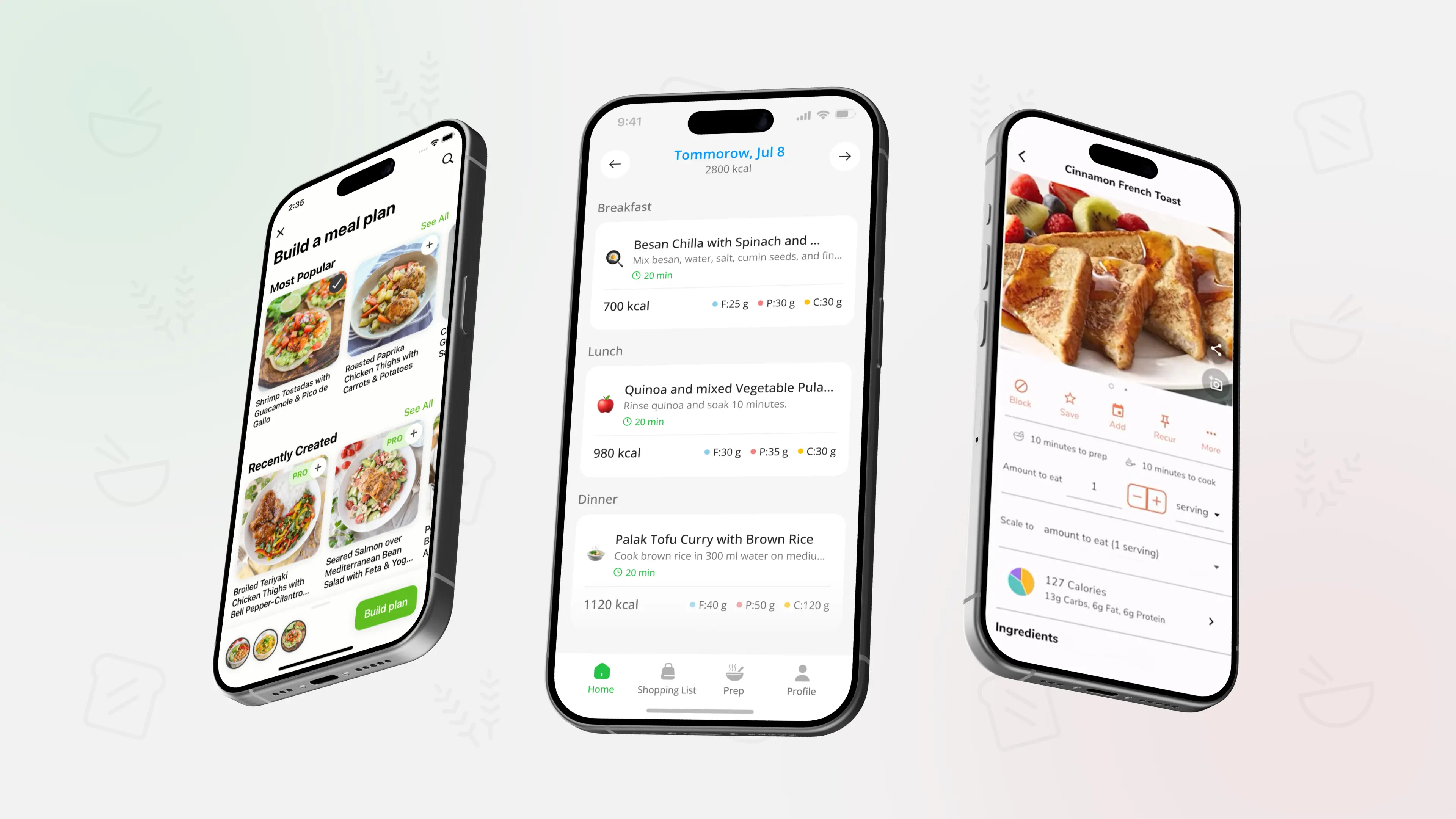
If you want 16/8 to feel structured instead of improvised, you can set up 2 or 3 main meals inside your eating window and let PlanEat AI build a weekly menu and grouped grocery list around them. You choose your goals, dislikes, and cooking time, then follow the plan instead of making decisions from scratch every day.
Who 16/8 may and may not be for
Intermittent fasting 16/8 can feel simple for some people and too strict for others.
It may be a better fit if you:
- Prefer a few bigger meals rather than grazing all day.
- Already skip late night snacks or early breakfast most days.
- Like clear rules around when you eat and when you do not.
It may not be appropriate or needs medical supervision if you:
- Have diabetes, low blood pressure, a history of eating disorders, or other medical conditions.
- Are pregnant, breastfeeding, under 18, or underweight.
- Take medications that must be taken with food at specific times.
If you fall into any of these groups, talk with a doctor or registered dietitian before experimenting with fasting. Even if you are generally healthy, it is fine to decide that 16/8 is not for you and focus instead on regular balanced meals and simple meal planning.
For extra context on how regular structure and balanced meals support health even without fasting, you can read What Exactly Should I Eat to Lose Weight (2025) as a general framework.
What to eat in the 8 hour eating window
Intermittent fasting changes when you eat. Food quality still matters.
Helpful principles for your meals:
- Prioritize protein at each meal to help you stay full and support muscle.
- Include fiber rich carbs like whole grains, beans, and fruit instead of only refined carbs.
- Add vegetables and some healthy fats for volume, micronutrients, and satisfaction.
- Avoid turning the window into a free for all where you eat much more than you would on a normal schedule.
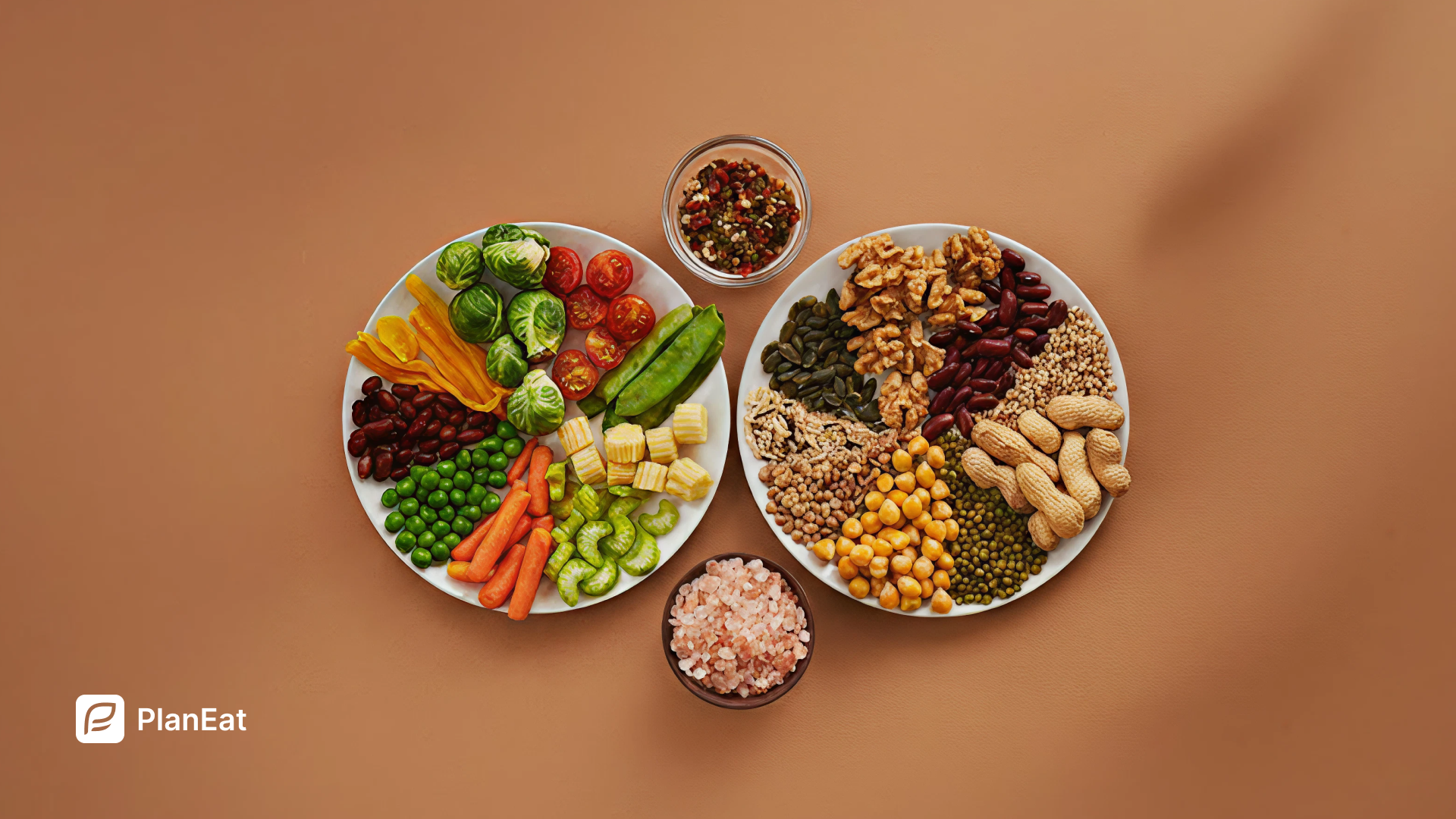
Simple structure for each plate:
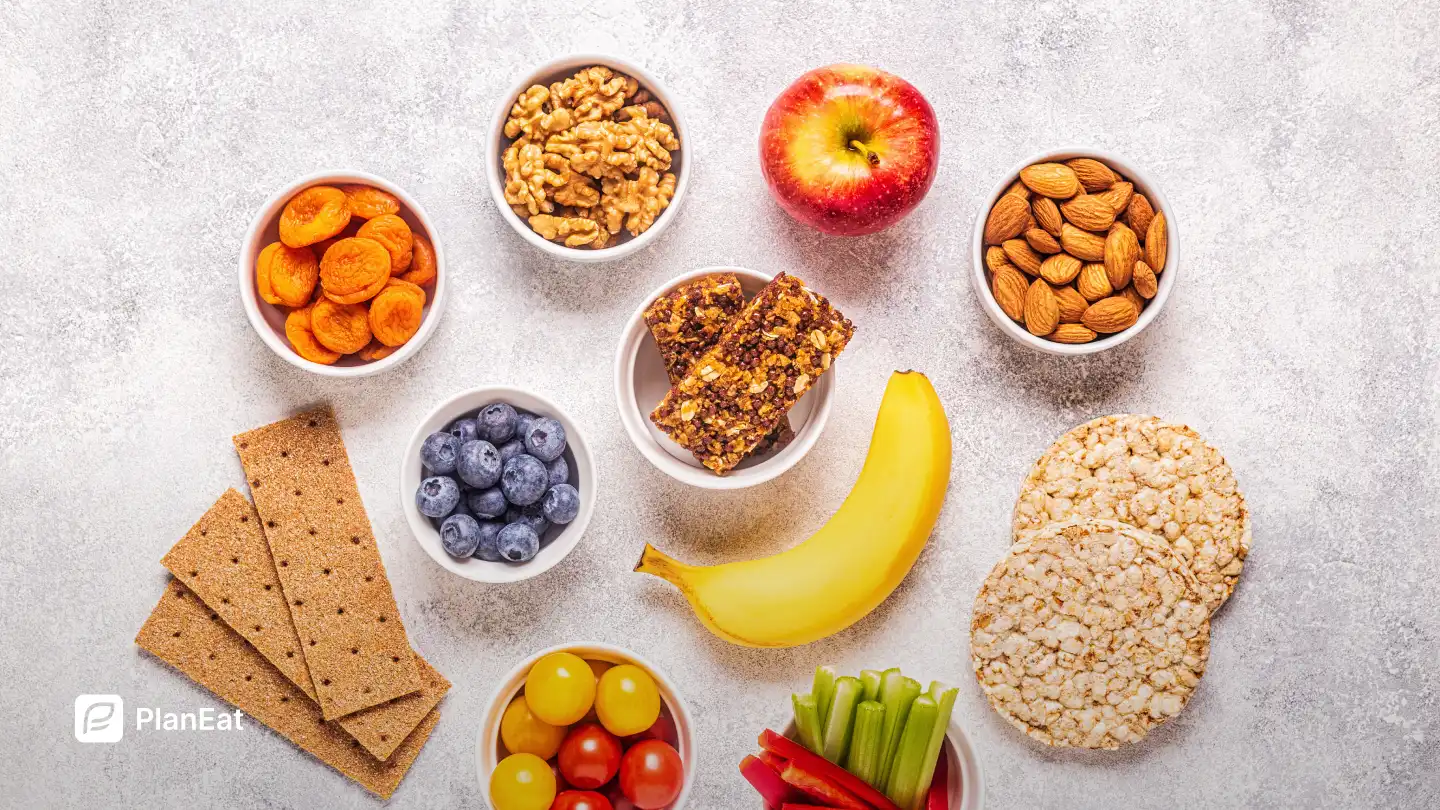
- One palm sized portion of protein such as chicken, fish, tofu, beans, or eggs.
- One cupped hand sized portion of whole grain or starchy vegetables.
- Half the plate as vegetables and some fruit across the day.
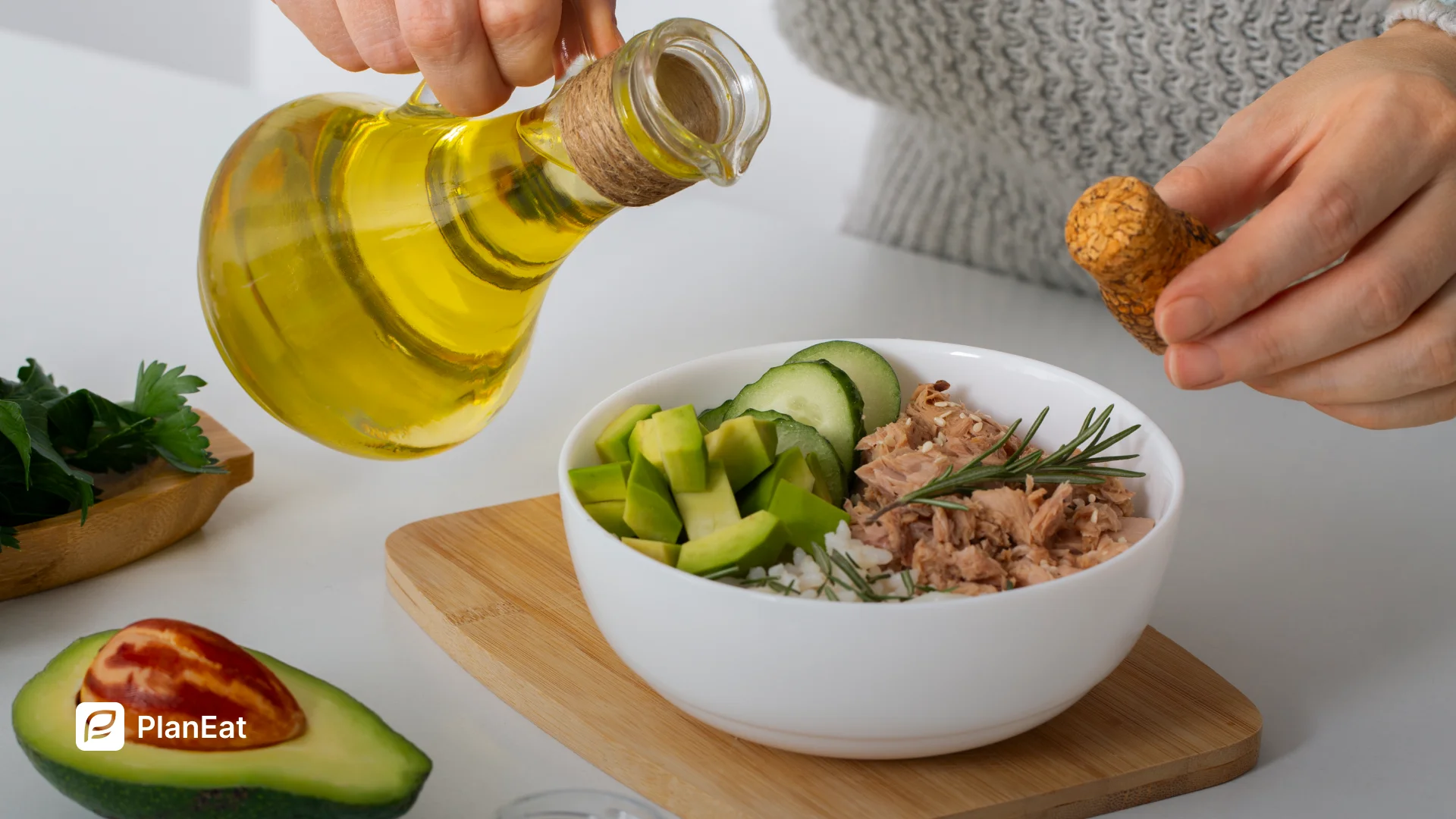
- A small amount of healthy fat from olive oil, nuts, seeds, or avocado.
If you want numbers behind these ideas, Macros for Beginners: Protein, Carbs, Fat (How Much?) gives a simple breakdown of ranges for everyday eating.
Some people like to keep dessert in the plan, just in a more intentional way. For practical ideas that lean on fruit, yogurt, and dark chocolate instead of heavy sweets, you can use Healthy Dessert Ideas (Satisfy Sweet Tooth) as inspiration.
Sample 16/8 day - what to eat and when
Below are examples, not strict rules. Adjust portions and ingredients based on your needs, movement, and any guidance from your health professional.
Option A - eating window 12 pm to 8 pm
- 12 pm first meal
- Omelet or tofu scramble with vegetables and a slice of whole grain toast.
- Side of fruit.
- Water, coffee, or tea.
- 3 to 4 pm second meal or substantial snack
- Grain bowl with brown rice or quinoa, beans or chicken, mixed vegetables, and a simple dressing.
- Or Greek yogurt with berries, oats, and a few nuts if you prefer a lighter option.
- 7 to 8 pm dinner
- Baked fish or tofu, roasted potatoes, and a big serving of vegetables.
- Optional small dessert such as fruit with yogurt.
Option B - eating window 10 am to 6 pm
- 10 am first meal
- High protein breakfast such as overnight oats with Greek yogurt and fruit, or eggs with vegetables and whole grain bread.
- For more ideas you can use High-Protein Breakfast Ideas (That Keep You Full).
- 1 to 2 pm lunch
- Leftover chili, stew, or a grain bowl that reheats well.
- Side salad or raw vegetables.
- For realistic packable options see Quick Healthy Lunch Ideas (Packable & Budget).
- 5 to 6 pm dinner
- Quick skillet or sheet pan meal with protein, vegetables, and a simple carb such as rice or whole grain pasta.
- For 15 to 30 minute dinner templates you can borrow ideas from Quick Healthy Dinner Ideas (15-30 Minutes).
You do not need to eat exactly at the start and end of the window every day. Think of the window as a range where you place 2 or 3 balanced meals and maybe a small snack, not as a strict timer that must be perfect.
Handling hunger, cravings, and social life on 16/8
Real life rarely matches a perfect schedule. These ideas make 16/8 more flexible.
Managing hunger and cravings
- Make sure each meal includes enough protein and fiber so you are not starving an hour later.
- Drink water regularly and keep calorie free drinks on hand during the fast.
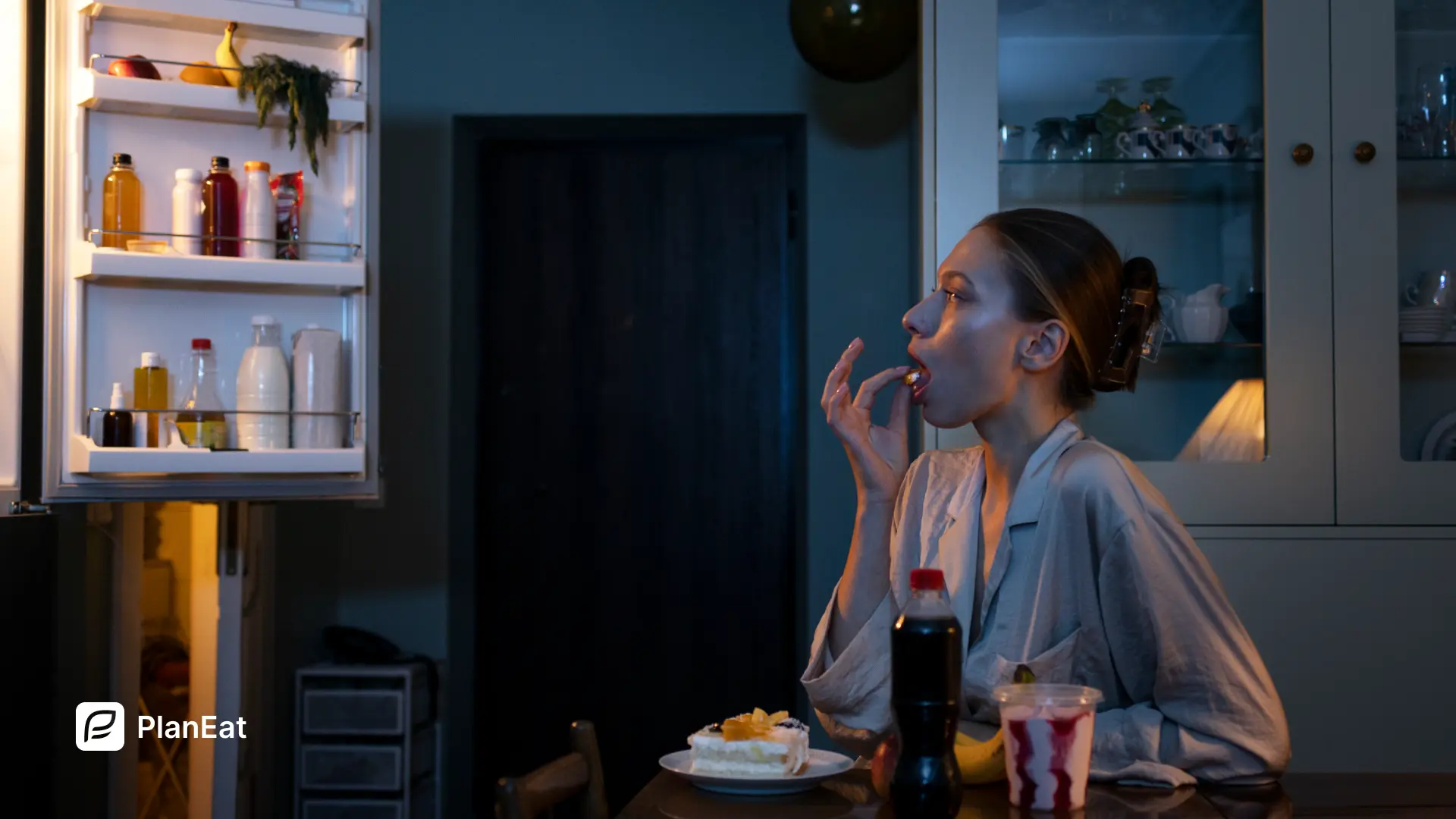
- Notice whether sleep, stress, or boredom drive eating outside the window.
If sweetness is your weak point, How to Stop Sugar Cravings (Real-World Tips) and Healthy Snacks That Actually Curb Cravings offer practical ways to handle cravings without giving up on your structure.
Social events and busy days
- You can shift your window earlier or later on some days to fit events.
- If you know a dinner will be later, you might adjust your first meal later too.
- It is fine to step out of 16/8 occasionally. One evening does not undo your overall pattern.
If 16/8 starts to feel like it runs your life rather than supports it, it may help to step back and focus on a simpler strategy like regular balanced meals and a basic weekly plan.
Once you find a few days that work well inside your 16/8 window, you can save those meals as a reusable weekly pattern in PlanEat AI. The app keeps your favorite breakfasts, lunches, dinners, and snacks together and builds a grouped grocery list so repeating a good week is as simple as regenerating the plan.
Using 16/8 together with weekly meal planning
Intermittent fasting works best when your meals are planned ahead so you do not rely on random snacks during the eating window.
Practical planning steps:
- Choose your eating window for workdays and weekends.
- Decide whether you want two or three meals inside that window.
- Build a small list of go to meals for each slot that fit your time and kitchen tools.
- Plan a week at a time rather than day by day.
For structured examples you can adapt to your 16/8 window, you can look at 7-Day Weight Loss Meal Plan (With Shopping List) and 7-Day High-Protein Meal Plan (With Shopping List). Use their patterns as templates and move meals into your chosen hours.
A planning first approach makes it easier to keep your grocery list focused and your portions realistic, whether you use fasting or not.
FAQ:
Can I drink coffee during the 16 hour fast
Most people who use 16/8 drink water, black coffee, or plain tea during the fasting window. Adding a little milk is unlikely to matter for weight goals for many people, but technically breaks a strict fast. If you have blood sugar or medical concerns, follow guidance from your healthcare provider.
What is the best first meal after the fast
A good first meal includes protein, fiber rich carbs, and some healthy fat. For example, eggs with vegetables and whole grain toast, or Greek yogurt with oats and fruit. Very heavy or very sugary meals can make you feel sluggish after a long fast.
Can I work out while doing 16/8
Many people do light or moderate workouts either near the end of the fast or inside the eating window. How you feel can depend on your fitness level, what you ate the day before, and the type of workout. If you feel dizzy or unwell, adjust timing and intensity and discuss this with a professional.
How long does it take to see results with 16/8
Any changes usually depend on your overall pattern of food, movement, and sleep, not just the clock. Some people notice changes in appetite or routine within a few weeks. Weight and health markers can take longer and are influenced by many factors.
Is 16/8 better than regular balanced meals without fasting
Not automatically. For some people 16/8 is a simple way to reduce late night eating and snacking. For others it feels restrictive and leads to overeating in the window. The best approach is the one you can follow calmly for months while keeping meals balanced.
Educational content only - not medical advice.
Making 16/8 fasting work in real life
Intermittent fasting 16/8 is simply a structure for when you eat. It works best when your 8 hour window still includes balanced meals with enough protein, fiber, and vegetables and when the schedule fits your real day. Start with a realistic window, plan your meals in advance, and adjust based on how you feel rather than chasing perfection.

.webp)
.webp)
.webp)
%20Simple%20Staples%20(2026).webp)
.webp)



.webp)
.webp)
.webp)
_.webp)
_.webp)


.webp)
_webp.webp)
_.webp)
_.webp)
_webp.webp)
.webp)
.webp)
_%20What%20to%20Buy%20When%20(2026)_.webp)
_.webp)
webp.webp)
_.webp)
.webp)
.webp)
.webp)
.webp)
.webp)
.webp)


.webp)
.webp)
.webp)
.webp)

.webp)
.webp)

.webp)
.webp)
%20%2B%207%E2%80%91Day%20Menu.webp)
.webp)


.webp)
.webp)



.webp)
.webp)
.webp)
.webp)
%20iOS%20Focus.webp)
.webp)
.webp)
.webp)
.webp)
.webp)
.webp)
.webp)
.webp)
.webp)
..webp)