How to Meal Plan With Minimal Cooking (2026)
.webp)
TL;DR: Minimal-cooking meal planning works when you rely on repeatable meal templates and a short grocery core. In 2026, the goal is not to cook less at any cost. It is to cook less without falling into random snacking or expensive last-minute decisions.
What “minimal cooking” actually means
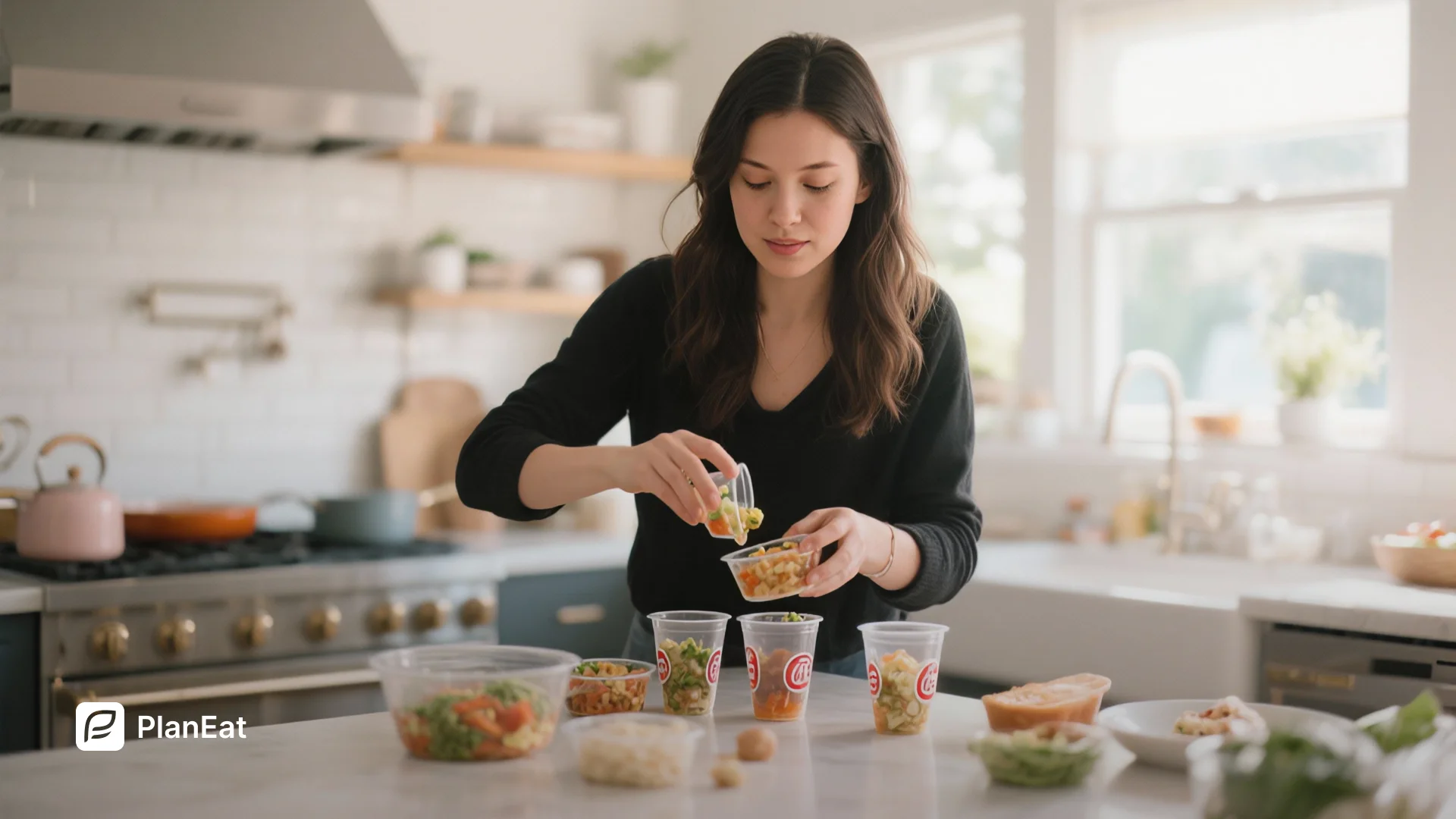
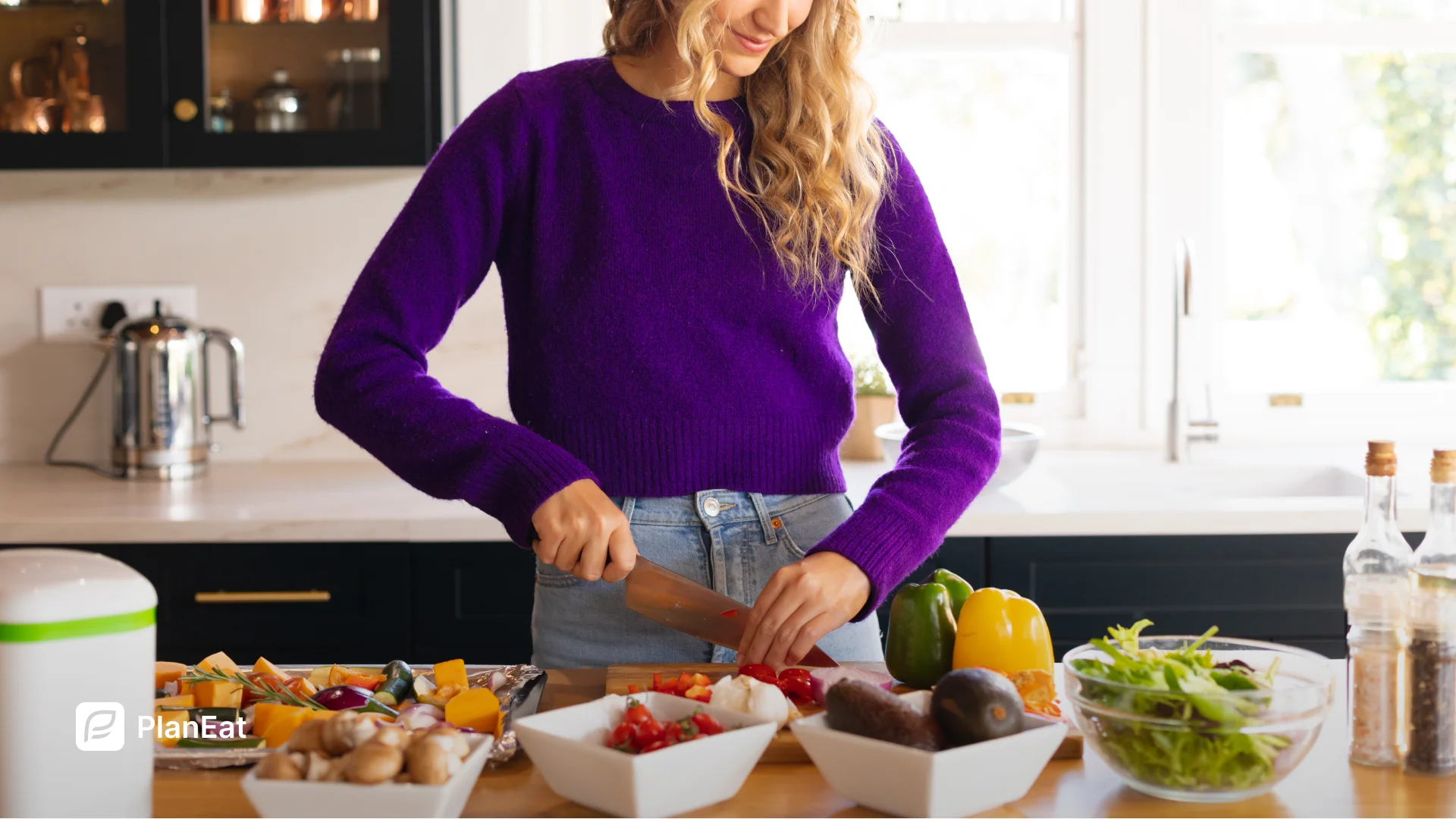
Minimal cooking does not mean zero cooking. It means you reduce active time and reduce mess. You use a mix of assembly meals, smart shortcuts, and one or two simple cooked anchors that create leftovers.
This approach works best for people who get stuck on weeknights: you have the intention to eat well, but you do not have the energy for full recipes. When the plan is built around low effort, you are more likely to follow it through the entire week.
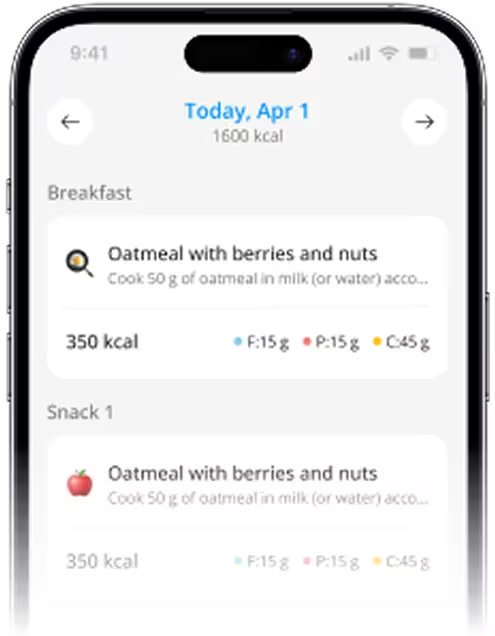
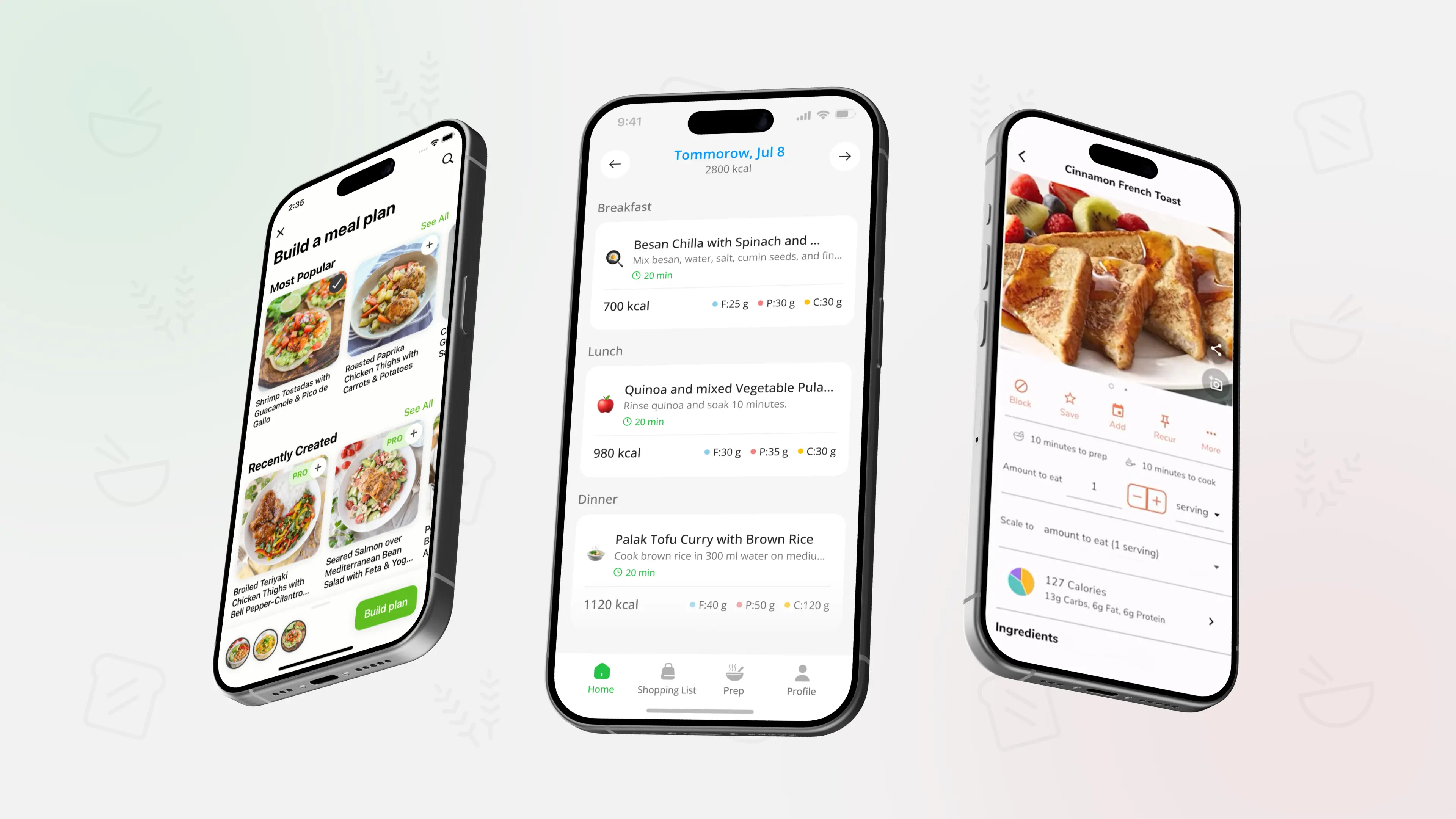
If you want a weekly structure that keeps cooking light, PlanEat AI generates a weekly meal plan and a grouped grocery list personalized to your goals, dislikes, and the time you have to cook. It is meal planning support, not calorie tracking, and it is designed to make your week feel doable.
The minimal-cooking framework: 2 anchors plus 5 easy meals
You do not need seven different dinners. A minimal-cooking plan usually looks like this:
- 2 cooked anchors you make once and eat more than once
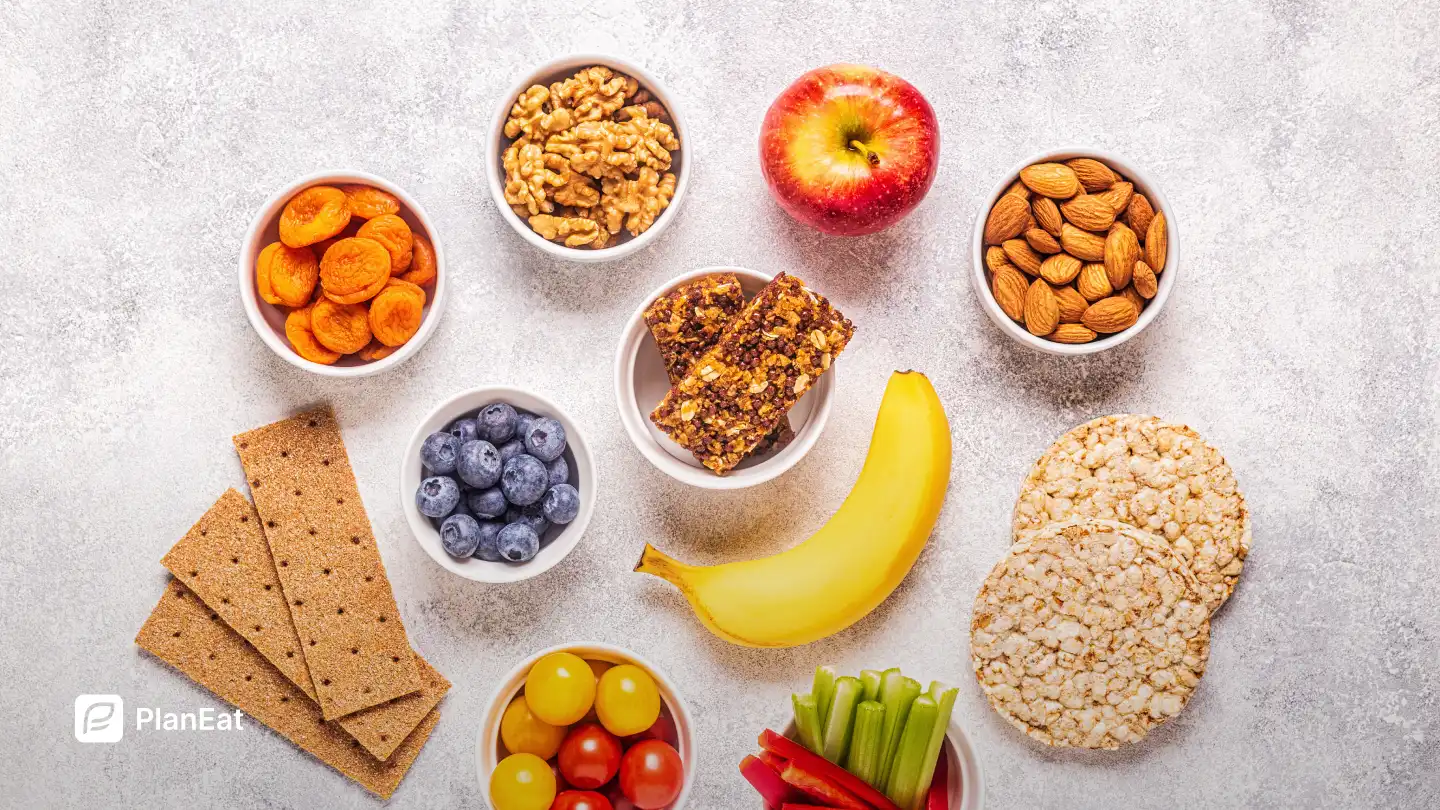
- 3 to 4 assembly meals that need little or no heat
- 1 backup meal for the day everything goes wrong
Anchors are your only real cooking moments. Everything else is built from leftovers, pantry foods, and quick add-ons. If you like the idea of flexible options instead of a strict calendar, Flexible Meal Planning Without a Strict Plan (2026) explains how to plan as a menu.
A 5-day example plan with minimal cooking
This is a realistic template you can copy and repeat. It uses two cooking moments and a lot of reuse.
- Day 1
- Breakfast: Greek yogurt with fruit and nuts
- Lunch: Bagged salad plus rotisserie chicken
- Dinner (Anchor 1): Sheet-pan chicken thighs plus frozen broccoli and onions, cook extra for leftovers
- Day 2
- Breakfast: Eggs plus toast plus fruit
- Lunch: Leftover sheet-pan chicken in a rice bowl with salsa
- Dinner: Tacos or wraps with leftover chicken, spinach, salsa, Greek yogurt
- Day 3
- Breakfast: Oatmeal or yogurt
- Lunch: Tuna salad wrap with cucumber or carrots
- Dinner (Anchor 2): Quick skillet beans and onions, serve with tortillas and a side salad
- Day 4
- Breakfast: Eggs with spinach
- Lunch: Bean and rice bowl with salsa and Greek yogurt
- Dinner: Rotisserie chicken plus microwaved frozen vegetables plus a sauce
- Day 5
- Breakfast: Yogurt
- Lunch: Leftovers or a simple bowl using whatever is left first
- Dinner: Backup meal (frozen meal, soup, or rotisserie chicken plus bagged salad)
If you want more lunch ideas that hold up well, Reheat-Friendly Lunches for Work (5-Day Plan) can give you a few reliable options that do not require extra cooking.
The grocery list rules that keep cooking minimal
Minimal cooking is mostly a grocery strategy. You shop for overlap and convenience on purpose.
Use these rules:
- Choose one main protein you can reuse (rotisserie chicken, ground turkey, tofu)
- Add one backup protein (eggs, canned beans, canned tuna)
- Buy two vegetables that last plus one frozen vegetable
- Pick one carb base (rice, tortillas, potatoes)
- Keep two flavor shortcuts (salsa, pesto, marinara, seasoning blend)
- Add one true convenience item for your hardest day
This is the same idea behind building a short list of staples in Pantry Staples: Build a Healthy Kitchen (Practical Checklist).
With PlanEat AI, you can save a weekly plan as reusable, swap meals quickly when your schedule changes, and keep a repeatable protein-and-fiber backbone so minimal cooking stays consistent week to week.
FAQ
Can I meal plan without cooking every day?
Yes. Use two simple cooked anchors for leftovers and fill the rest of the week with assembly meals and pantry-based options.
What are the best minimal-cooking proteins?
Rotisserie chicken, eggs, canned tuna, canned beans, tofu, and frozen fish are usually the least stressful and fastest.
Will I still eat balanced meals with minimal cooking?
You can, if you keep protein and fiber in your defaults. Pair a protein with vegetables and a simple carb base, and use sauces for variety.
What if I get bored eating repeats?
Change the flavor, not the structure. Keep the same base meals and rotate sauces, seasonings, and sides.
How do I avoid wasting produce when I cook less?
Buy fewer unique items, reuse vegetables across meals, and rely more on frozen vegetables. Planned leftovers also reduce waste.
What is the fastest way to reset after a chaotic week?
Rebuild a 3-day plan: one anchor dinner tonight, one backup dinner tomorrow, and a short grocery core for the next few days.
Minimal cooking works when the system is repeatable
You do not need a perfect menu to eat well. Two simple anchors, a few assembly meals, and one real backup option can carry an entire week with less effort and fewer decisions.

.webp)
.webp)
.webp)
%20Simple%20Staples%20(2026).webp)
.webp)


.webp)
.webp)
.webp)
_.webp)
_.webp)


.webp)
_webp.webp)
_.webp)
_.webp)
_webp.webp)
.webp)
.webp)
_%20What%20to%20Buy%20When%20(2026)_.webp)
_.webp)
webp.webp)
_.webp)
.webp)
.webp)
.webp)
.webp)
.webp)

.webp)
.webp)
.webp)
.webp)
.webp)
.webp)

.webp)
.webp)
%20%2B%207%E2%80%91Day%20Menu.webp)
.webp)


.webp)
.webp)




.webp)
.webp)
.webp)
.webp)
%20iOS%20Focus.webp)
.webp)
.webp)
.webp)
.webp)
.webp)
.webp)
.webp)
.webp)
.webp)
..webp)