Sustainable Healthy Eating Habits (2026)
TL;DR: Sustainable healthy eating in 2026 means building a simple pattern you can repeat, not chasing perfect diets. Focus on mostly whole foods, enough protein and fiber, realistic portions, and routines that fit your real schedule so you can keep going for months, not just two weeks.
What sustainable healthy eating really means in 2026
A sustainable way of eating is one you can imagine following next month and next year, not only during a 30 day challenge.
In practice, it usually means:
- Most meals built from simple, familiar foods
- A clear pattern on the plate, even when life gets busy
- Room for treats without losing control
- Habits that work with your budget, time, and family situation
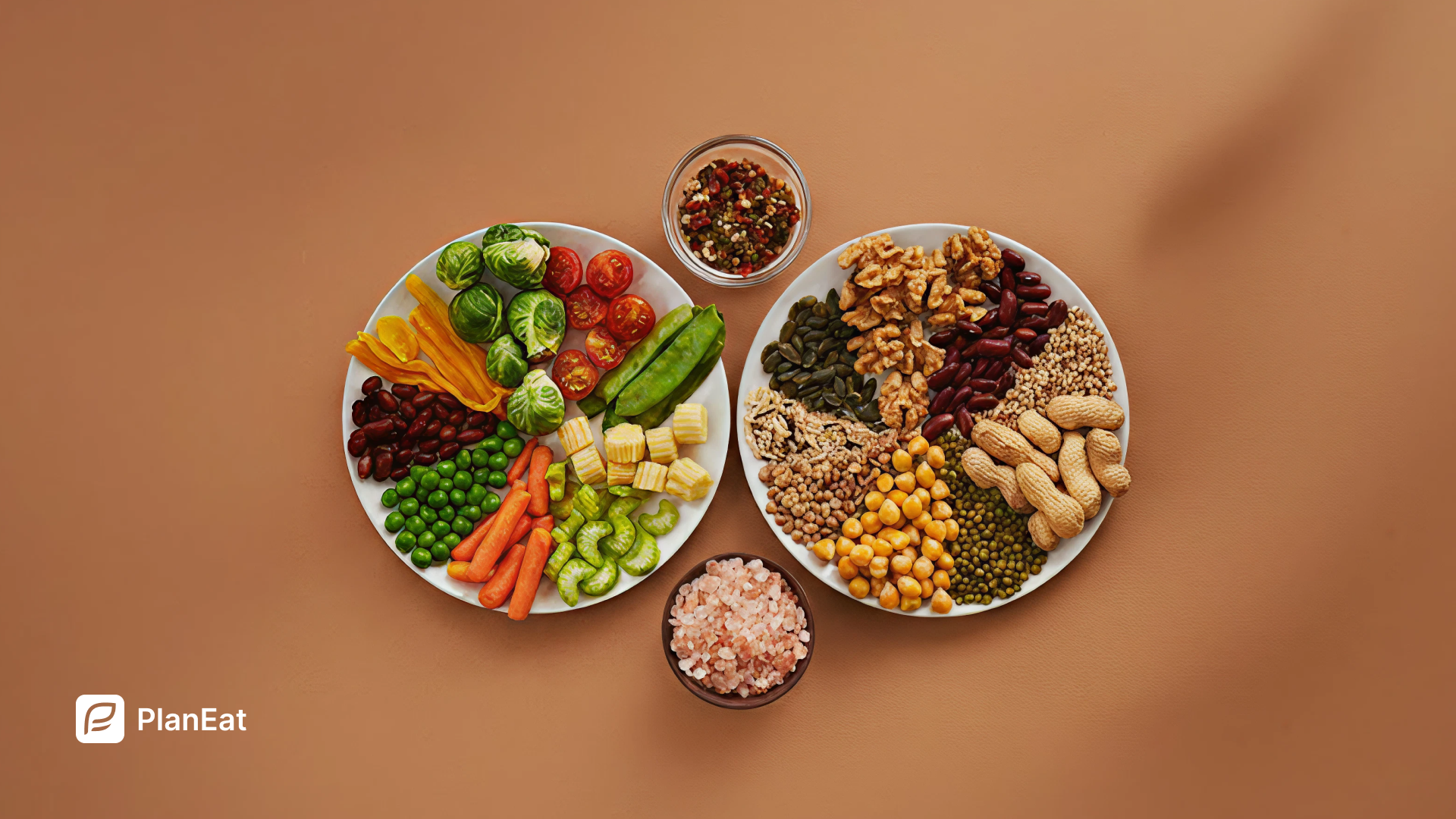
If you want a visual starting point for what a balanced plate looks like, Healthy Eating Basics: Build a Balanced Plate explains how to combine protein, carbs, fats, and vegetables without overcomplicating it.
Habit 1 and 2: Use simple meal templates instead of strict meal plans
Rigid plans are hard to follow. Templates are easier.
Use repeatable meal templates
Pick a few patterns that you can plug different foods into, such as:
- Breakfast template: protein (Greek yogurt, eggs) plus fruit plus a small portion of whole grains
- Lunch template: protein (chicken, tofu, beans) plus high fiber carbs (rice, quinoa, potatoes) plus vegetables
- Dinner template: similar to lunch, with more vegetables when possible
This way you do not have to invent new meals every day. You just swap ingredients inside the template.
Keep a small rotation of go to meals
Choose three to five breakfasts, lunches, and dinners you like and can cook on autopilot. Repeat them during the week. Variety can grow later once the base habits feel natural.
If you want help turning templates into an actual weekly structure, Meal Planning Basics: How to Start (Beginner Guide) walks through how to move from ideas to a practical plan.
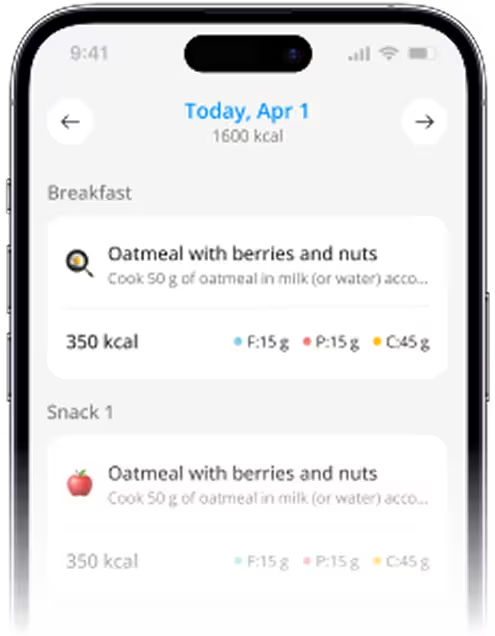
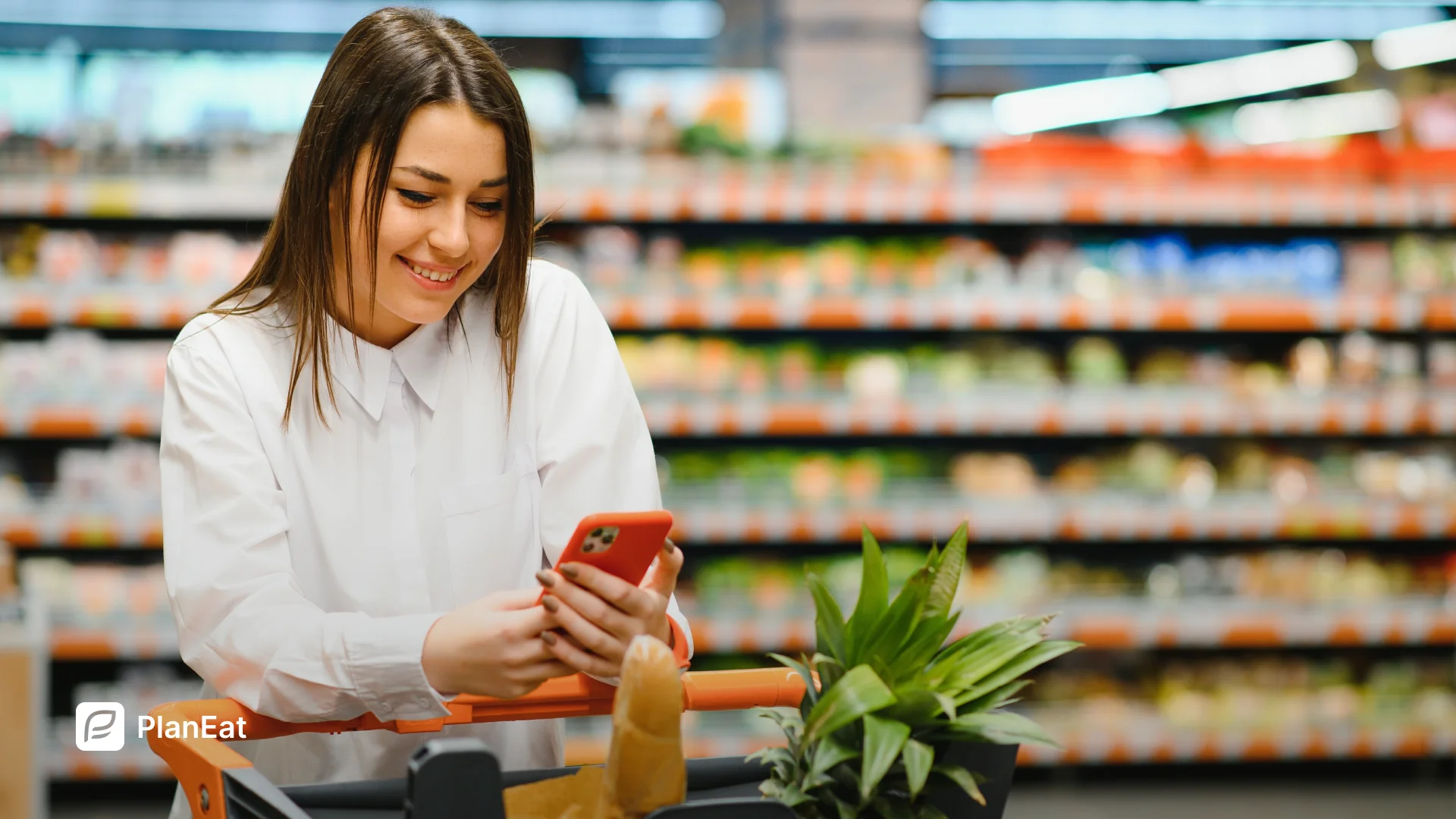
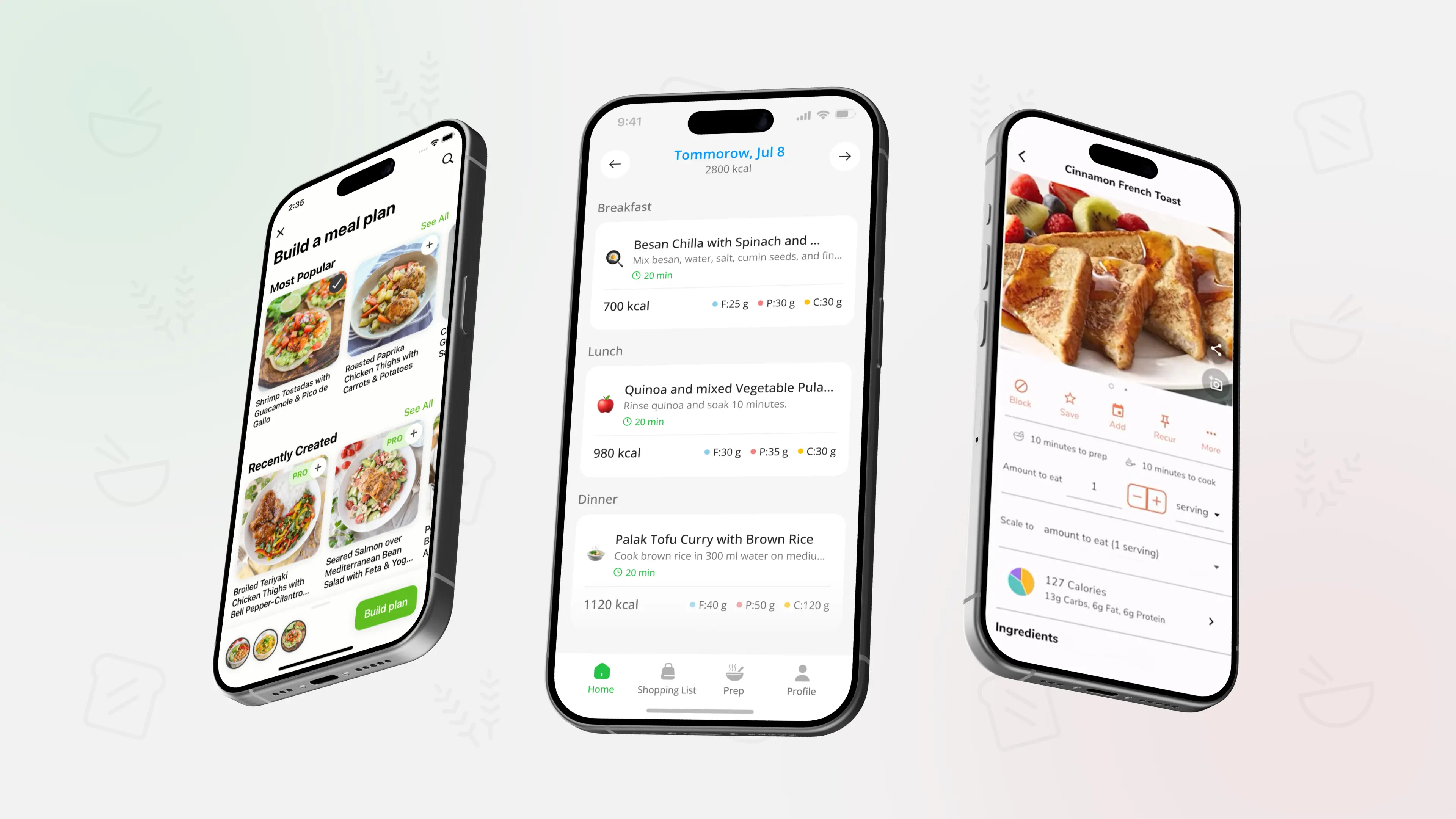
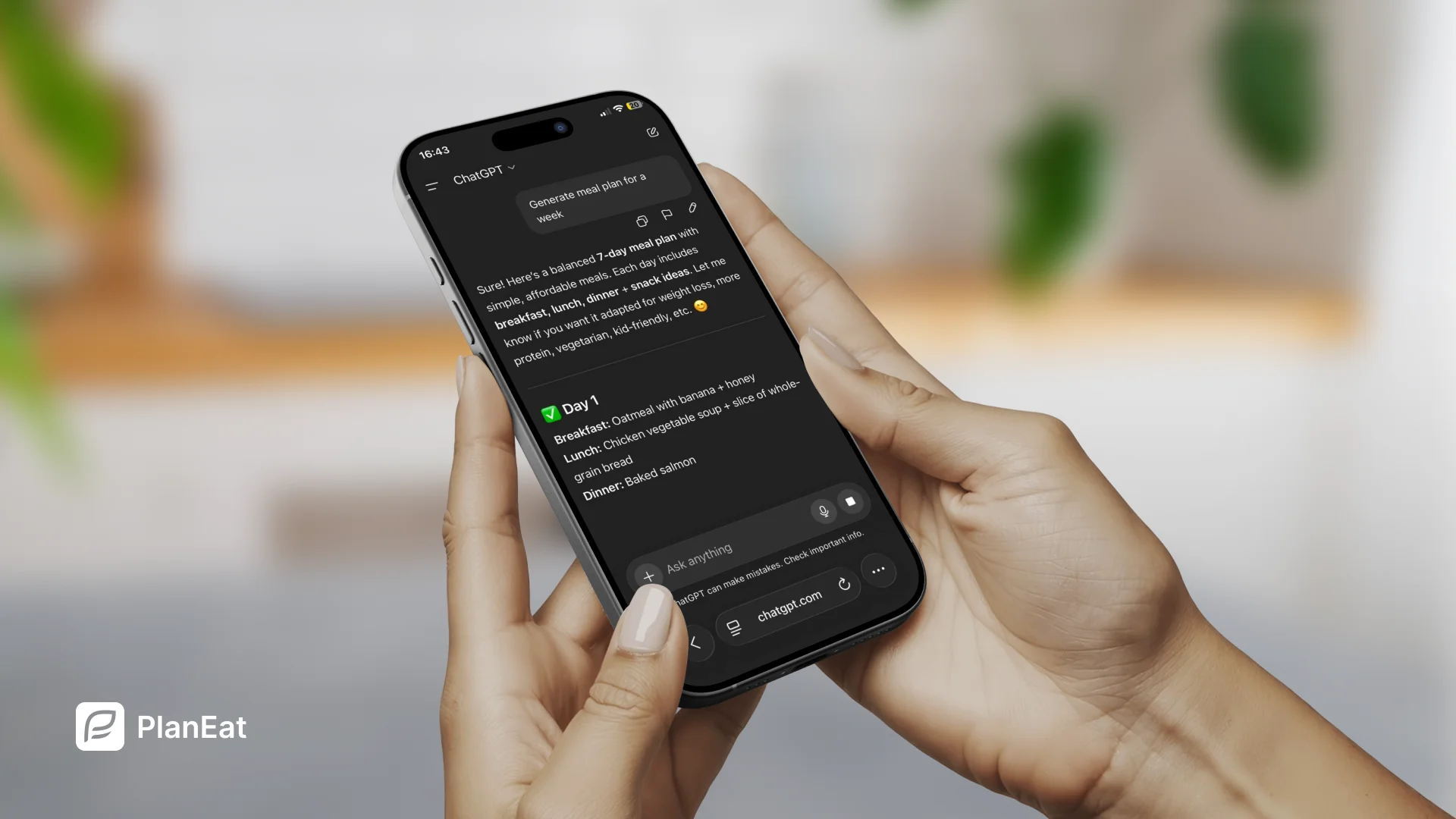
If you like the idea of templates but do not want to build every week from scratch, PlanEat AI can generate a weekly meal plan and grouped grocery list around your goals, dislikes, and available time, so you focus on following a simple structure instead of constantly planning.
Habit 3 and 4: Make your environment do some of the work
Willpower is not a long term strategy. It is much easier to eat well when your environment points you in the right direction.
Stock a realistic set of staples
Keep a short list of pantry, fridge, and freezer items that make healthy meals easier, for example:
- Pantry: beans, lentils, canned tomatoes, whole grain pasta, brown rice, oats
- Fridge: eggs, Greek yogurt, cut vegetables, salad mix, hummus
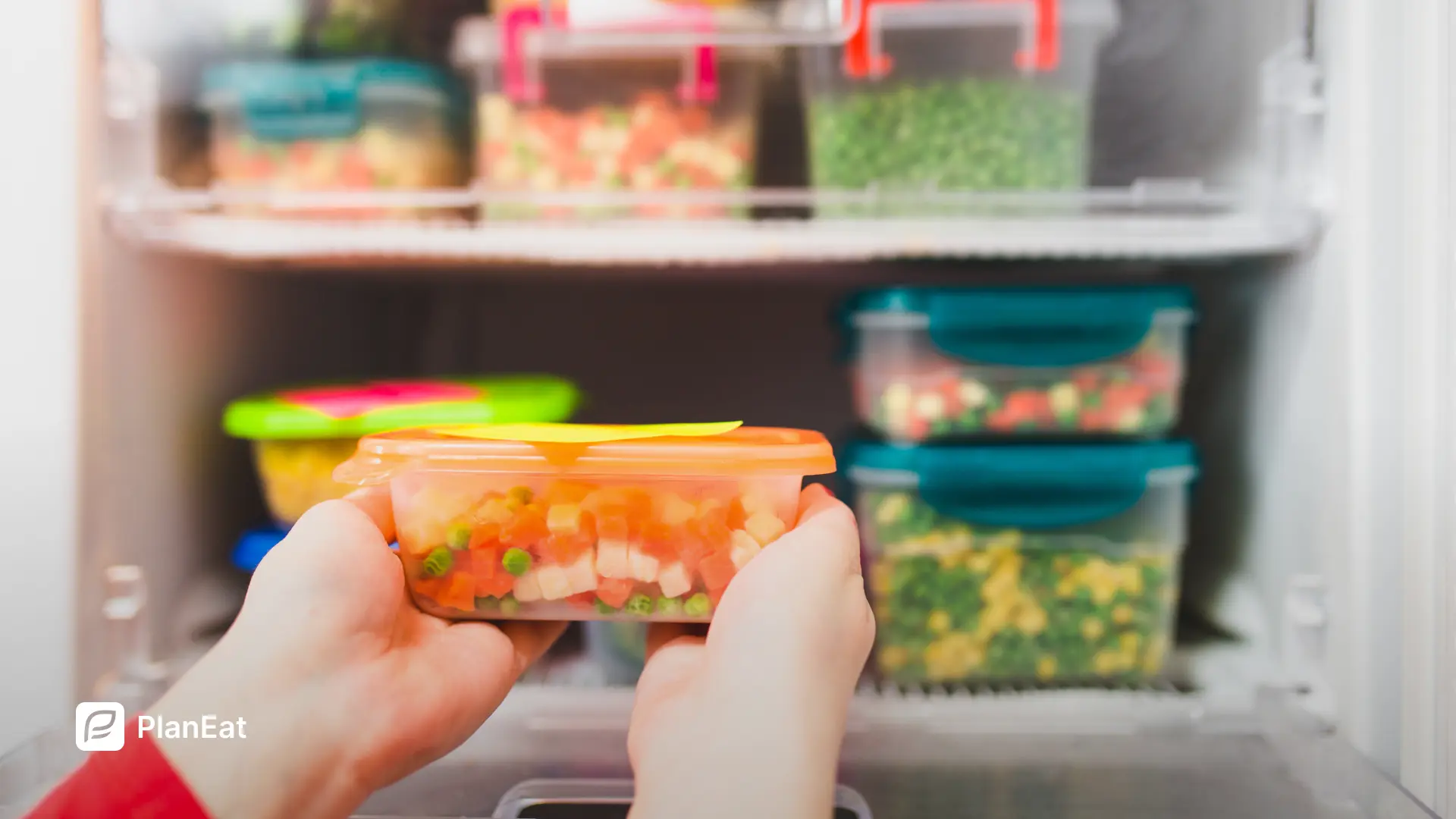
- Freezer: frozen vegetables, berries, pre cut chicken or fish
For a more detailed, practical list, Pantry Staples: Build a Healthy Kitchen (Practical Checklist) gives ideas for building a kitchen that supports healthy choices.
Reduce friction for better choices
- Put cut fruit and vegetables at eye level in the fridge
- Store higher calorie snacks out of sight or in smaller packages
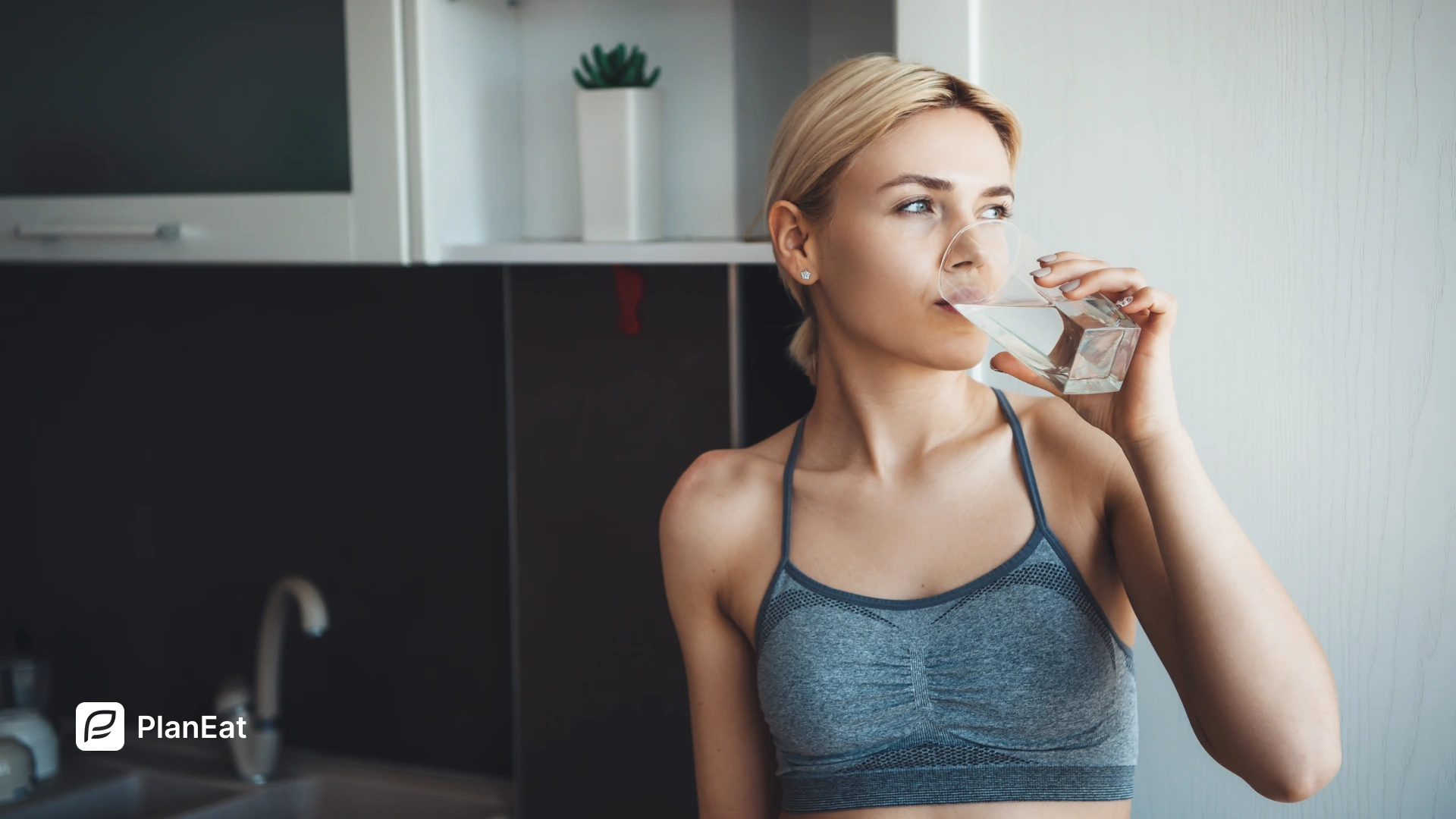
- Keep a bottle of water within reach during the day
Small changes in what you see first often have a big impact over time.
Habit 5 and 6: Eat with attention and manage stress instead of only food
Many eating problems are not about food itself, but about speed, stress, and sleep.
Slow down and actually notice your meals
Eating more slowly helps your brain register fullness and makes it easier to stop at enough instead of stuffed. Simple ideas:
- Put your fork down between bites
- Remove screens during at least one meal per day
- Take a short pause halfway through the meal and check how you feel
If you want concrete exercises, Mindful Eating: Simple Exercises to Slow Down offers practical ways to pay more attention without turning meals into a project.
Address stress and tiredness, not just cravings
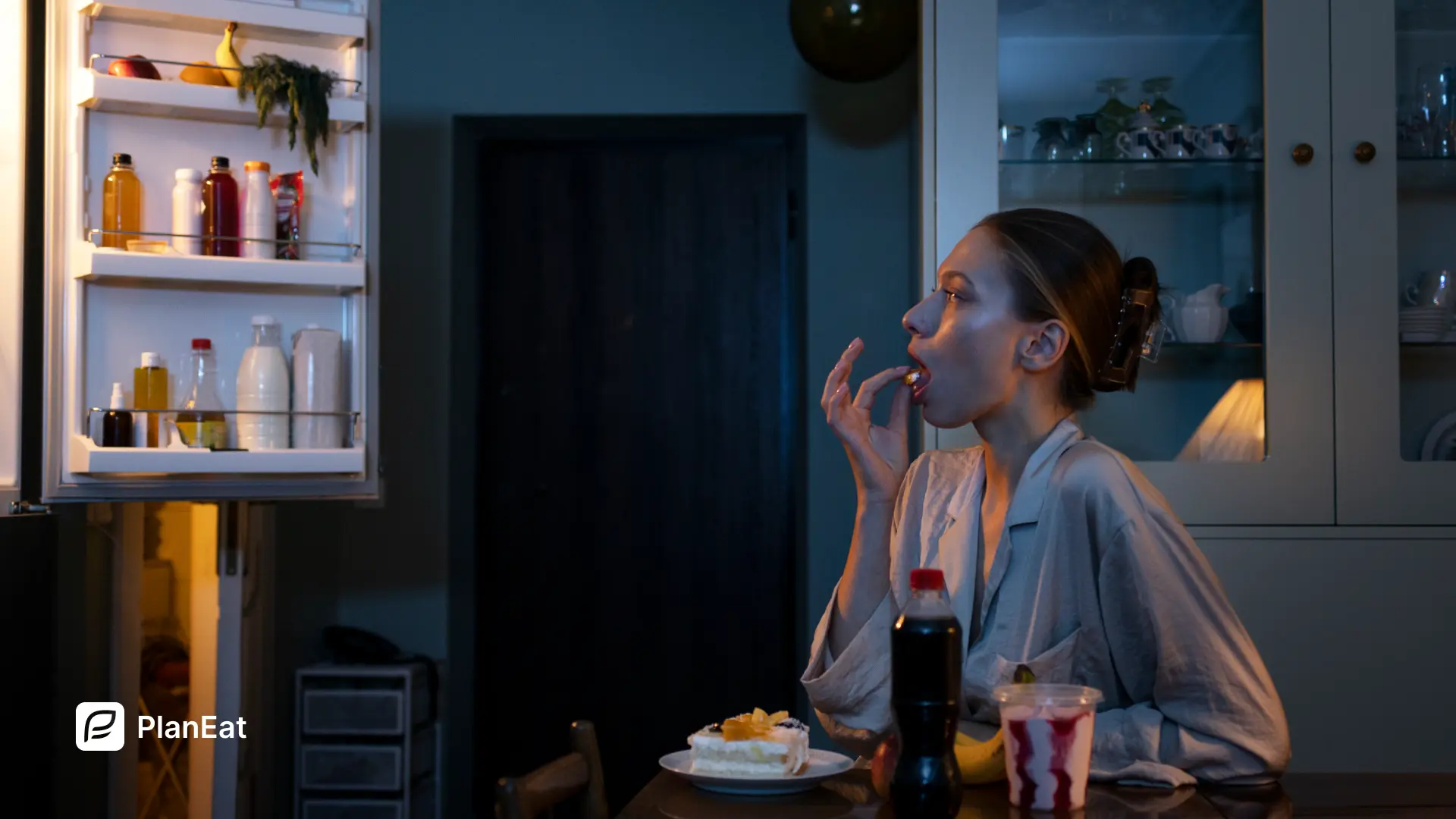
When you are stressed or sleep deprived, cravings and hunger signals often change.
- Chronic stress can push you toward quick comfort foods
- Lack of sleep can make you hungrier and less satisfied by normal portions
Articles like Stress & Emotional Eating: How to Stop and Sleep & Hunger: Why Sleep Affects Your Diet go deeper into how stress and sleep connect to eating, and what you can do about it.
How to make these habits stick week after week
The easiest habits to keep are the ones that feel manageable on your worst weeks, not your best.
Start small and stack habits
- Choose one meal to improve first, often breakfast or lunch
- Add vegetables to one more meal each day
- Replace one sugary drink with water or unsweetened tea
Once these feel normal, you can add more.
Track simple signals, not every detail
Instead of logging everything forever, track a few basics:
- How many meals today included a source of protein and vegetables
- How often you ate until comfortably full versus stuffed
- How consistent your routines are across the week
When you have a week of meals that feels good and realistic, you can save it as a reusable plan in PlanEat AI. Keep the same protein and fiber pattern and grouped grocery list, then swap a few dinners or snacks in seconds instead of rebuilding your habits each Monday.
FAQ: sustainable healthy eating habits
FAQ: sustainable healthy eating habits
It varies, but many people notice that routines start feeling more automatic after a few weeks of consistent practice. The key is to start with changes small enough that you can stick with them on busy or stressful days, not just when life is calm.
Do I need to eat perfectly healthy all the time for my habits to count
No. Sustainable habits leave room for social events, travel, and treats. What matters is the pattern over weeks and months, not any single meal. If most of your meals follow a balanced structure, occasional less healthy choices will not erase your progress.
How many meals per day is best for sustainable healthy eating
There is no single best number for everyone. Some people feel better with three meals, others with three meals plus a snack or two. Choose a rhythm that keeps you from getting overly hungry and fits your schedule, then keep your meal structure similar within that pattern.
Can I build sustainable habits if my schedule is very busy
Yes, but it becomes even more important to plan and rely on simple, repeatable meals. Using meal prep, freezer friendly options, and tools that create weekly plans for you can reduce the mental load and help you stay consistent when work and family demands are high.
Educational content only, not medical advice.
Sustainable healthy eating habits that last beyond 2026
Sustainable healthy eating in 2026 comes from simple, repeatable habits, not perfection. Build meals around protein, fiber, and vegetables, make your kitchen support good choices, and use planning tools so your routine is easy to repeat even on busy weeks.

.webp)
.webp)
.webp)
.webp)
.webp)
%20(2026).webp)
.webp)
.webp)
.webp)
%20(2026).webp)
.webp)
%20(2026).webp)
.webp)
.webp)
.webp)
%20Quick%20Ideas%20(2026).webp)
.webp)
.webp)
.webp)
%20Simple%20Staples%20(2026).webp)
.webp)


.webp)
.webp)
.webp)
_.webp)
_.webp)

.webp)
_webp.webp)
_.webp)
_.webp)
_webp.webp)
.webp)
.webp)
_%20What%20to%20Buy%20When%20(2026)_.webp)
_.webp)
webp.webp)
_.webp)
.webp)
.webp)
.webp)
.webp)
.webp)
.webp)
.webp)
.webp)
.webp)
.webp)
.webp)
.webp)

.webp)
.webp)
%20%2B%207%E2%80%91Day%20Menu.webp)
.webp)

.webp)
.webp)


.webp)
.webp)
.webp)
.webp)