Meal Planning for Small Kitchens (2026)
.webp)
TL;DR: Meal planning in a small kitchen works when you plan around storage, not just recipes. In 2026, the easiest approach is fewer ingredients, fewer tools, and a weekly plan built for limited fridge, freezer, and counter space.
Why small kitchens need a different kind of plan
In a small kitchen, the main constraint is not motivation. It is space. When your fridge is crowded and your counters are always busy, even a simple recipe can feel annoying. That is why a small-kitchen plan should prioritize meals that share ingredients, cook fast, and store well.
This also changes how you shop. Bulk buying only helps if you have room to store it. Otherwise, you end up with clutter and food waste. If you want to keep the grocery side simple, Weekly Grocery Routine (2026) is a good companion to this approach.
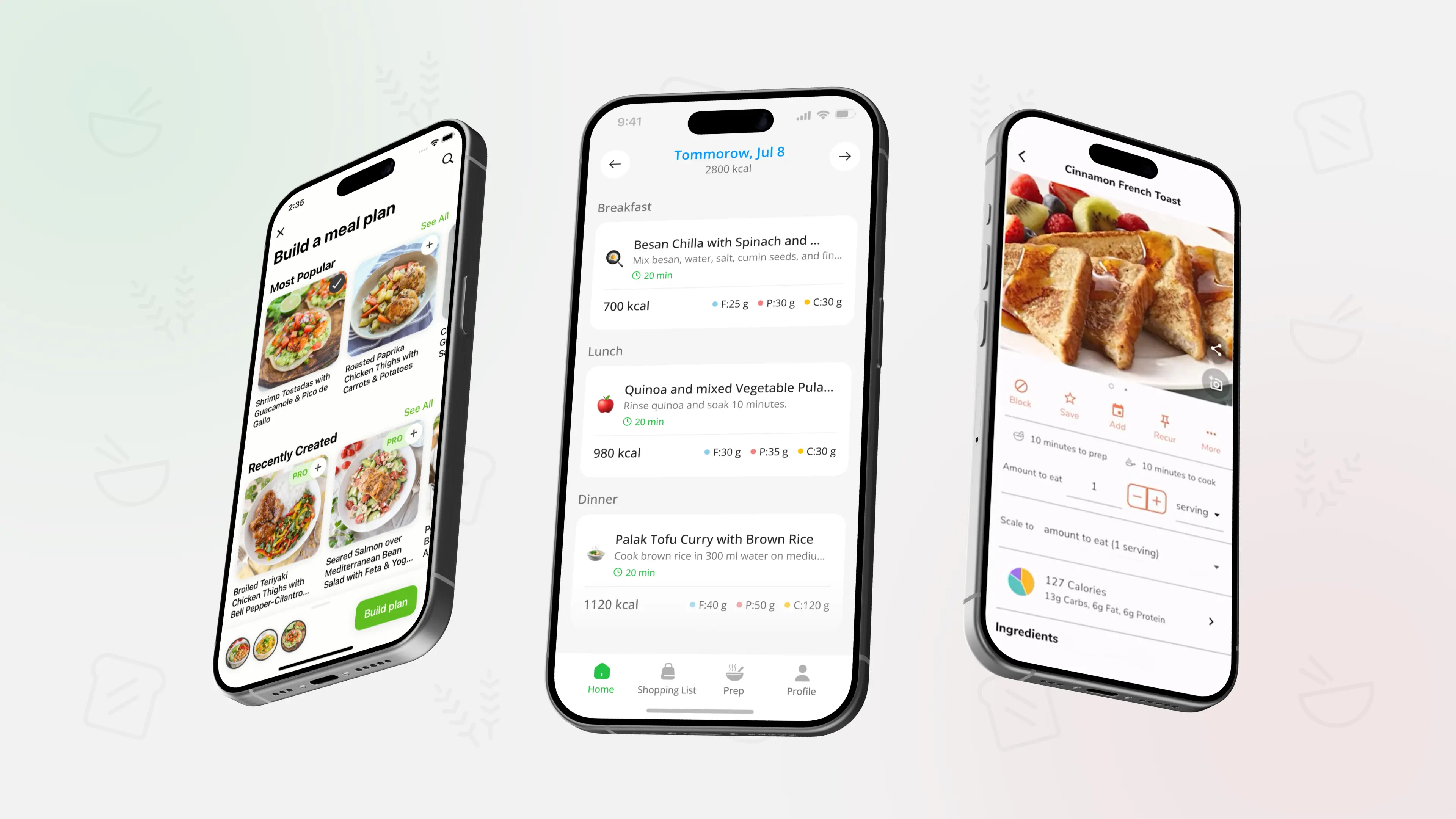
If you want a weekly plan that respects real-life constraints, PlanEat AI generates a weekly meal plan and a grouped grocery list personalized to your goals, dislikes, and the time you have to cook. You can keep meals simple, swap options easily, and avoid buying ingredients that do not fit your space.
The small-kitchen system: fewer items, more overlap
Think of your kitchen like a tiny restaurant line. You need a short set of ingredients that can become multiple meals.
Use these rules:
- Keep your weekly plan to 2 cooked anchors plus simple repeats.
- Choose ingredients you can use at least twice.
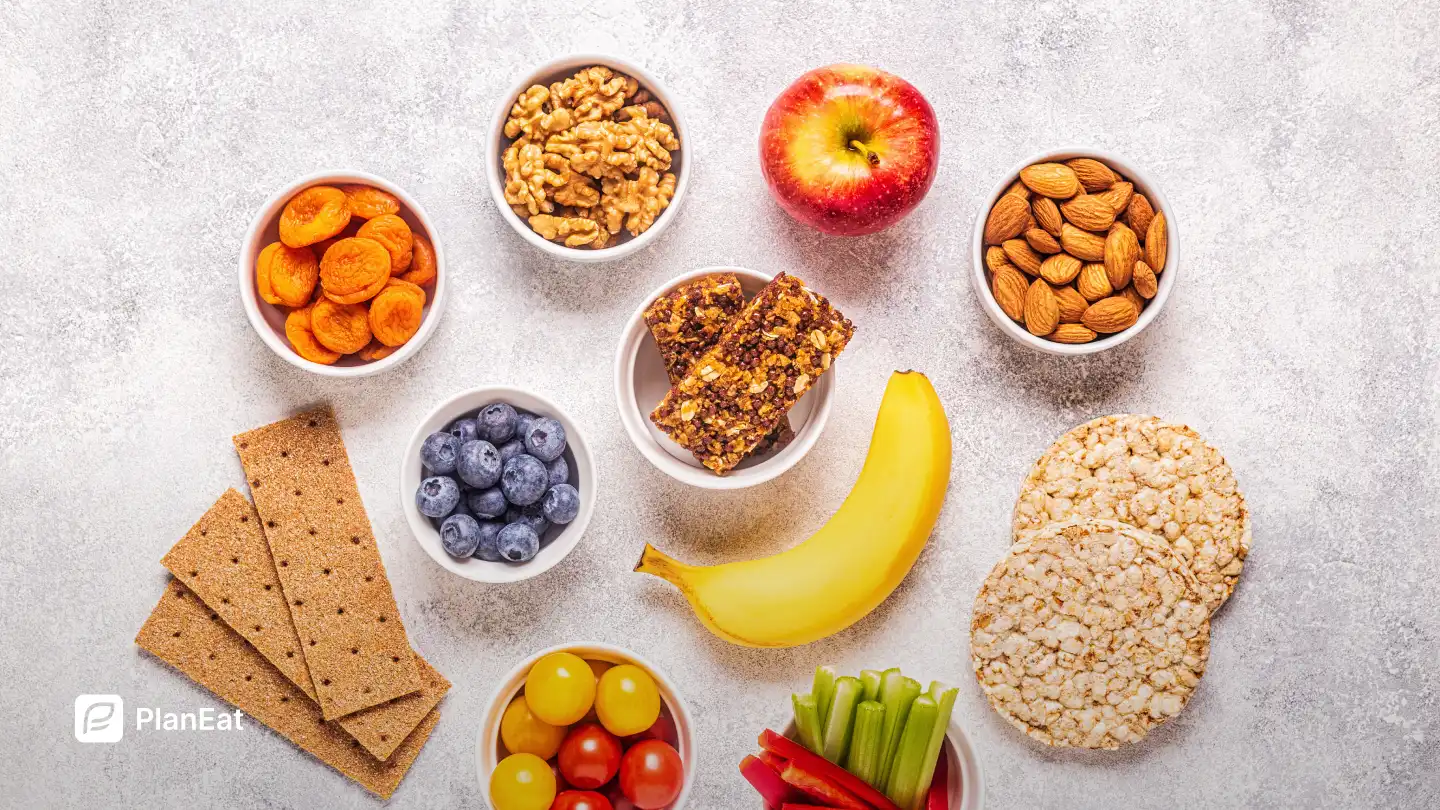
- Prefer foods that store well: frozen vegetables, canned beans, eggs, tortillas, rice.
- Avoid large “one-purpose” items that take space and rarely get used.
If you want a practical example of planning with a tight ingredient set, Meal Planning With 10 Ingredients (2026) shows how overlap makes the week easier.
A realistic 5-day plan that fits a small fridge
This example is designed to minimize containers and keep leftovers simple. The meals reuse ingredients on purpose.
Day 1
- Breakfast: Greek yogurt with fruit and nuts
- Lunch: Bagged salad plus rotisserie chicken
- Dinner (Anchor 1): Sheet-pan chicken thighs plus frozen broccoli and onions, cook extra
Day 2
- Breakfast: Eggs plus toast
- Lunch: Leftover chicken bowl with rice and salsa
- Dinner: Tacos with leftover chicken, spinach, salsa, Greek yogurt
- Breakfast: Yogurt
- Lunch: Tuna wrap with cucumber or carrots
- Dinner (Anchor 2): Quick skillet beans and onions, serve with tortillas and a side salad
- Breakfast: Eggs with spinach
- Lunch: Bean and rice bowl with salsa
- Dinner: Rotisserie chicken plus microwaved frozen vegetables plus a sauce
- Breakfast: Yogurt
- Lunch: Leftovers or a snack plate using what is left
- Dinner: Backup meal (frozen meal, soup, or eggs plus toast)
If you prefer more lunch options that reheat well and do not require extra prep, Reheat-Friendly Lunches for Work (5-Day Plan) can help you build a small rotation.
Storage habits that make small kitchens feel bigger
You do not need fancy containers. You need a few consistent habits that stop your fridge from becoming a puzzle.
- Use one shelf as the “eat next” zone for leftovers.
- Store sauces and condiments together, so they do not take over the main space.
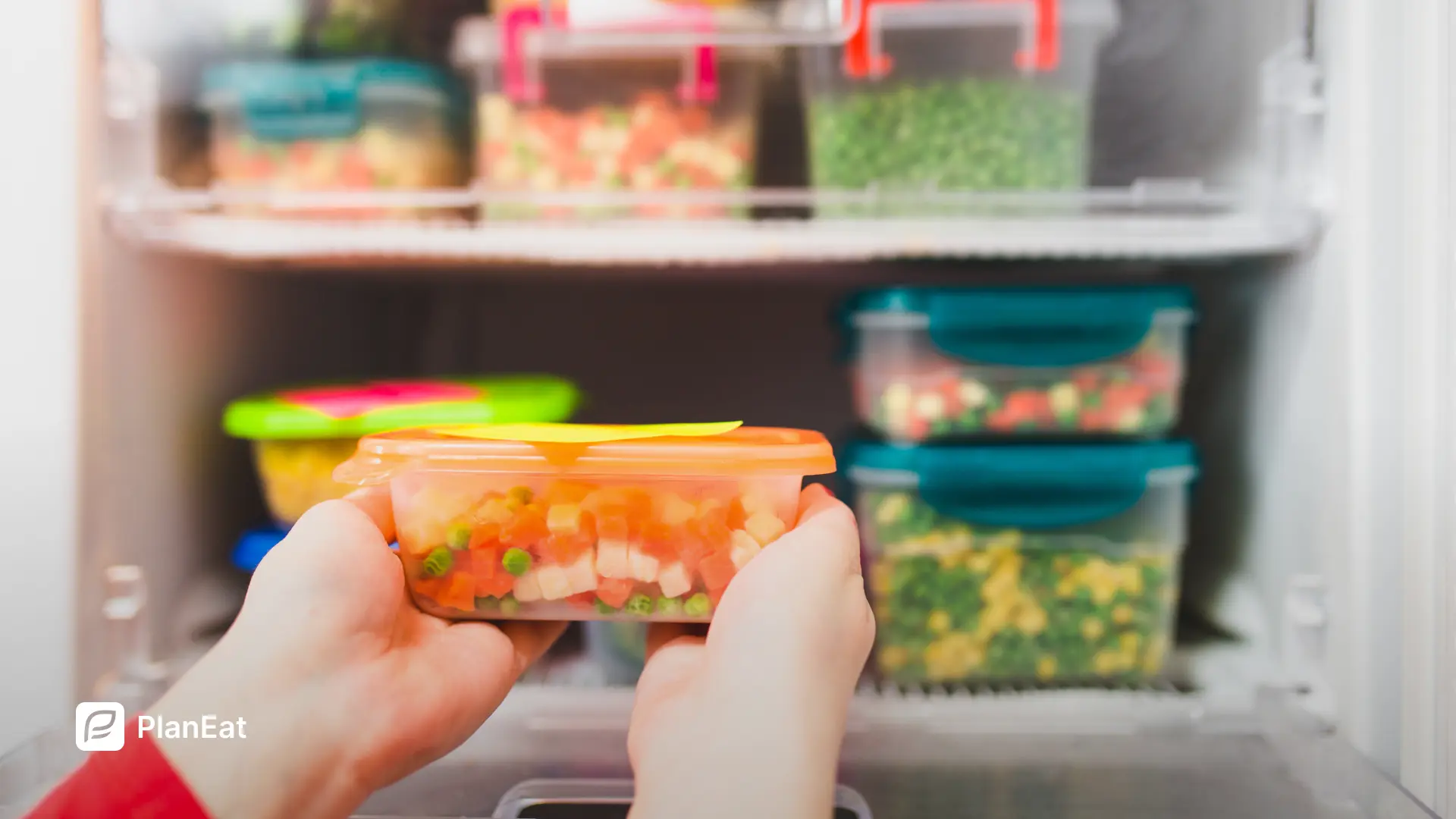
- Keep one freezer drawer for vegetables and one for proteins.
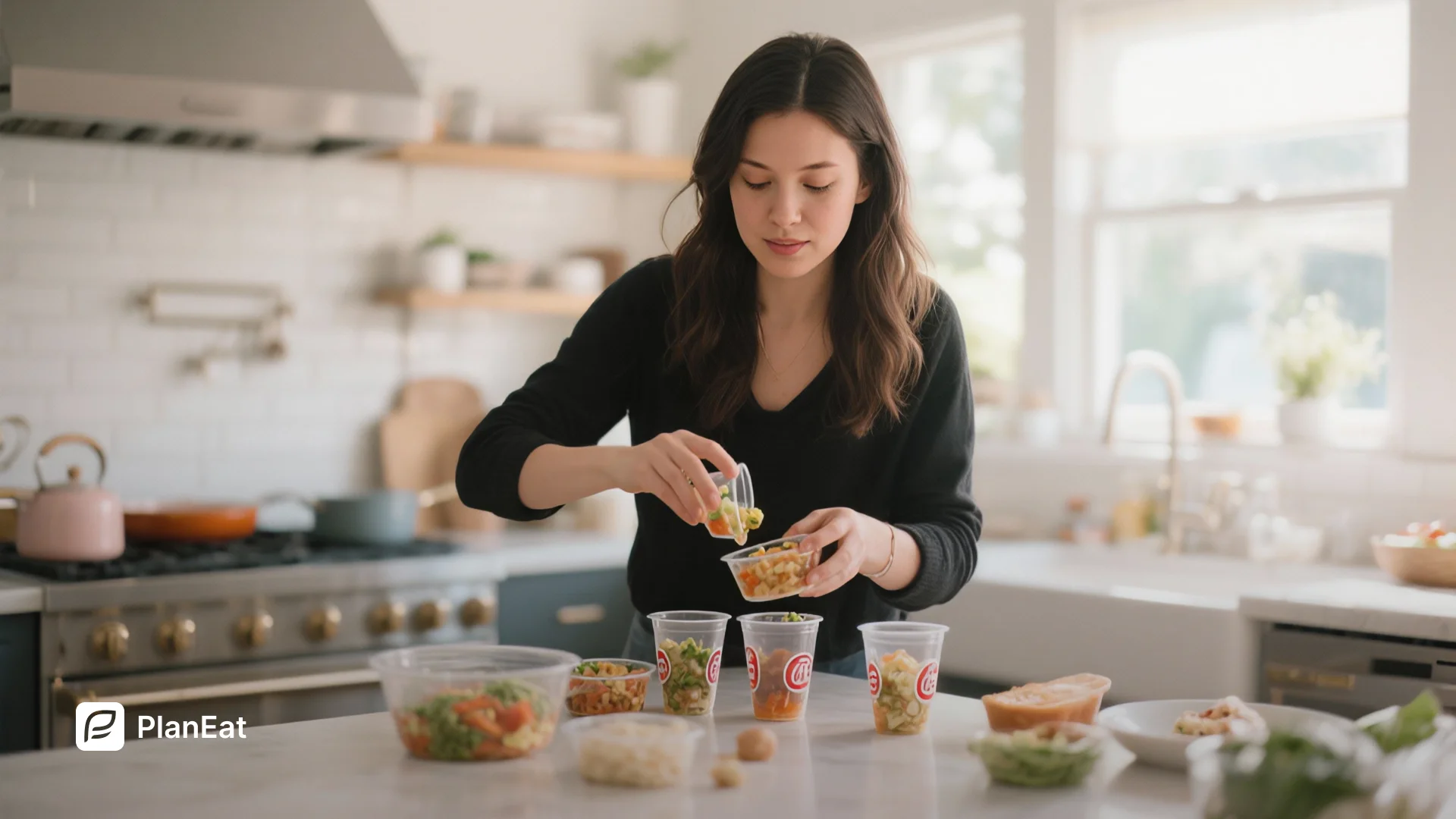
- Portion leftovers into flat containers so they stack.
- Label anything you freeze with a simple date.
The goal is to make the next meal obvious. When you can see what is available, you use it.
With PlanEat AI, you can save a weekly plan as reusable, swap meals quickly when your space or schedule changes, and keep a repeatable protein-and-fiber backbone without filling your fridge with random leftovers.
FAQ
What are the best foods for small kitchens?
Foods that store well and work in multiple meals: eggs, canned beans, tortillas, rice, frozen vegetables, yogurt, and a main protein you can reuse.
How many leftovers should I keep at once?
In a small kitchen, fewer is better. Keep 1 to 2 leftovers meals visible and plan to use them within 2 days.
Do I need meal prep if my kitchen is tiny?
Not necessarily. Light cooking anchors and planned leftovers can work better than a large prep session that creates too many containers.
How do I stop produce from going bad when storage is limited?
Buy fewer unique items, reuse vegetables across meals, and lean more on frozen vegetables. Choose produce that lasts longer, like carrots and onions.
What if I only have one pan and one pot?
That is enough. Build your plan around sheet-pan meals, simple skillets, and bowls. The limiting factor is usually planning, not equipment.
Small kitchens work best with a small, repeatable plan
Meal planning is easier when your meals match your space. Use two cooking anchors, reuse ingredients, and keep leftovers visible so your fridge supports the week instead of fighting it.

.webp)
%20Quick%20Ideas%20(2026).webp)
.webp)
.webp)
.webp)
%20Simple%20Staples%20(2026).webp)
.webp)


.webp)
.webp)
.webp)
_.webp)
_.webp)


.webp)
_webp.webp)
_.webp)
_.webp)
_webp.webp)
.webp)
.webp)
_%20What%20to%20Buy%20When%20(2026)_.webp)
_.webp)
webp.webp)
_.webp)
.webp)
.webp)
.webp)
.webp)
.webp)

.webp)
.webp)
.webp)
.webp)
.webp)
.webp)

.webp)
.webp)
%20%2B%207%E2%80%91Day%20Menu.webp)
.webp)

.webp)
.webp)



.webp)
.webp)
.webp)
.webp)
%20iOS%20Focus.webp)
.webp)
.webp)
.webp)
.webp)
.webp)
.webp)
.webp)
.webp)
.webp)