How to Build a Default Weekly Menu Template (2026)
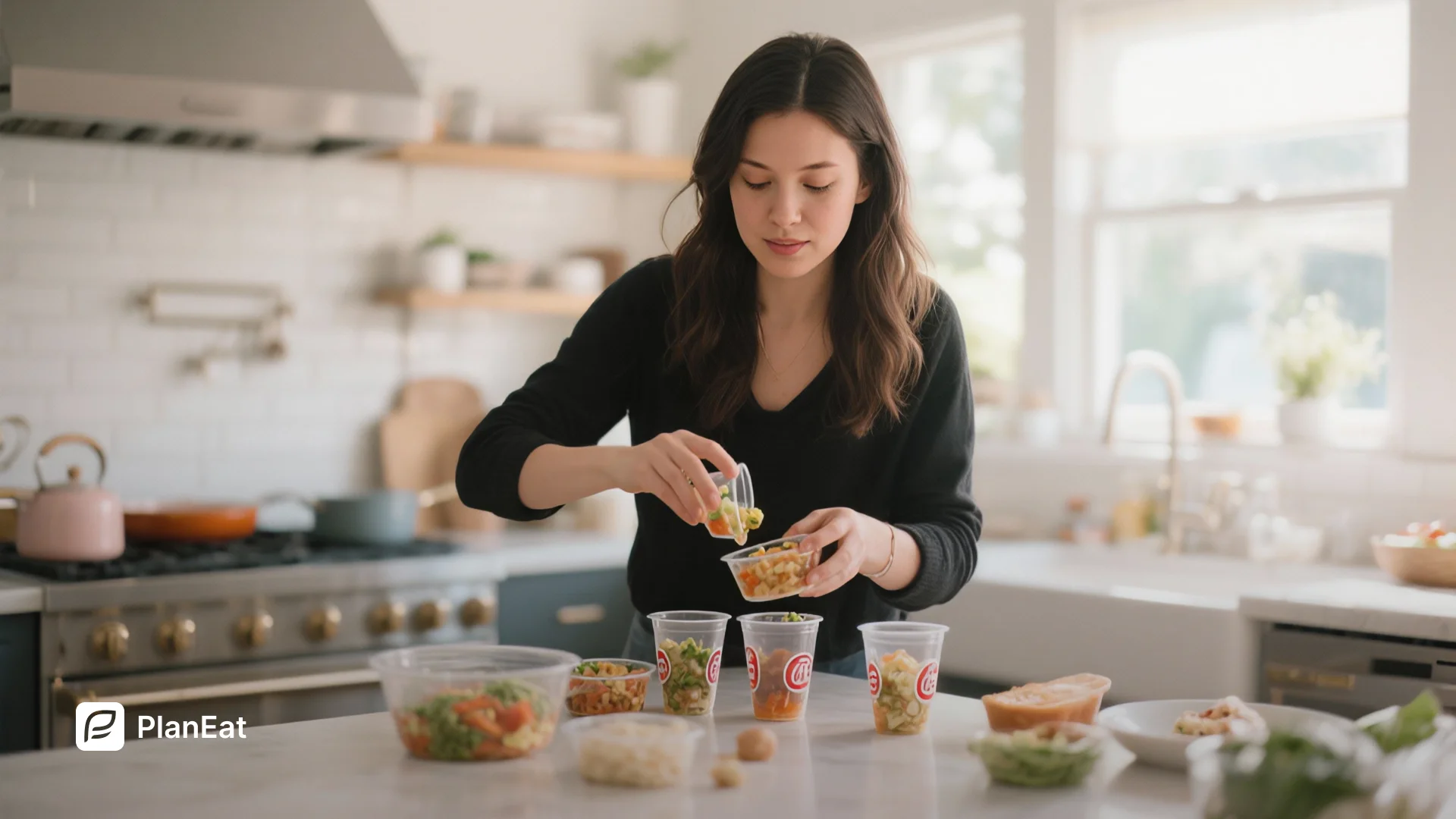
TL;DR: A default weekly menu is a small set of repeatable meals you can run on autopilot. In 2026, this is one of the easiest ways to eat healthier because it reduces decisions, grocery chaos, and week-2 burnout.
Why a default menu beats starting from zero
Most meal plans fail because they require too many fresh decisions every week. You pick new recipes, buy unfamiliar ingredients, and try to execute everything perfectly. It works for a few days, then life gets busy and the plan collapses.
A default menu solves this by giving you a reliable baseline. You can still swap meals, try new recipes, or eat out. But you are never starting from an empty page.
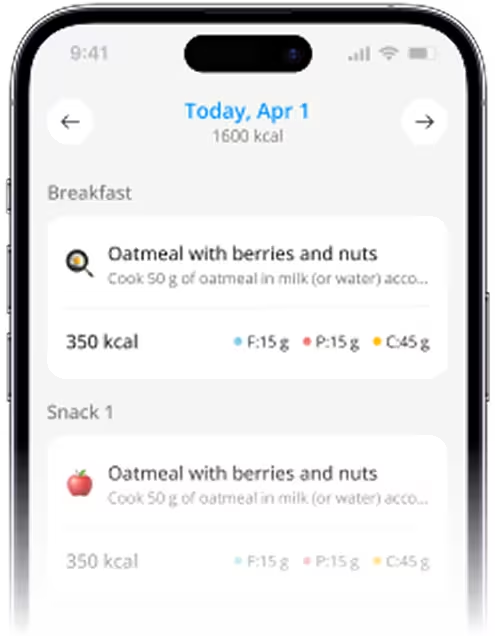
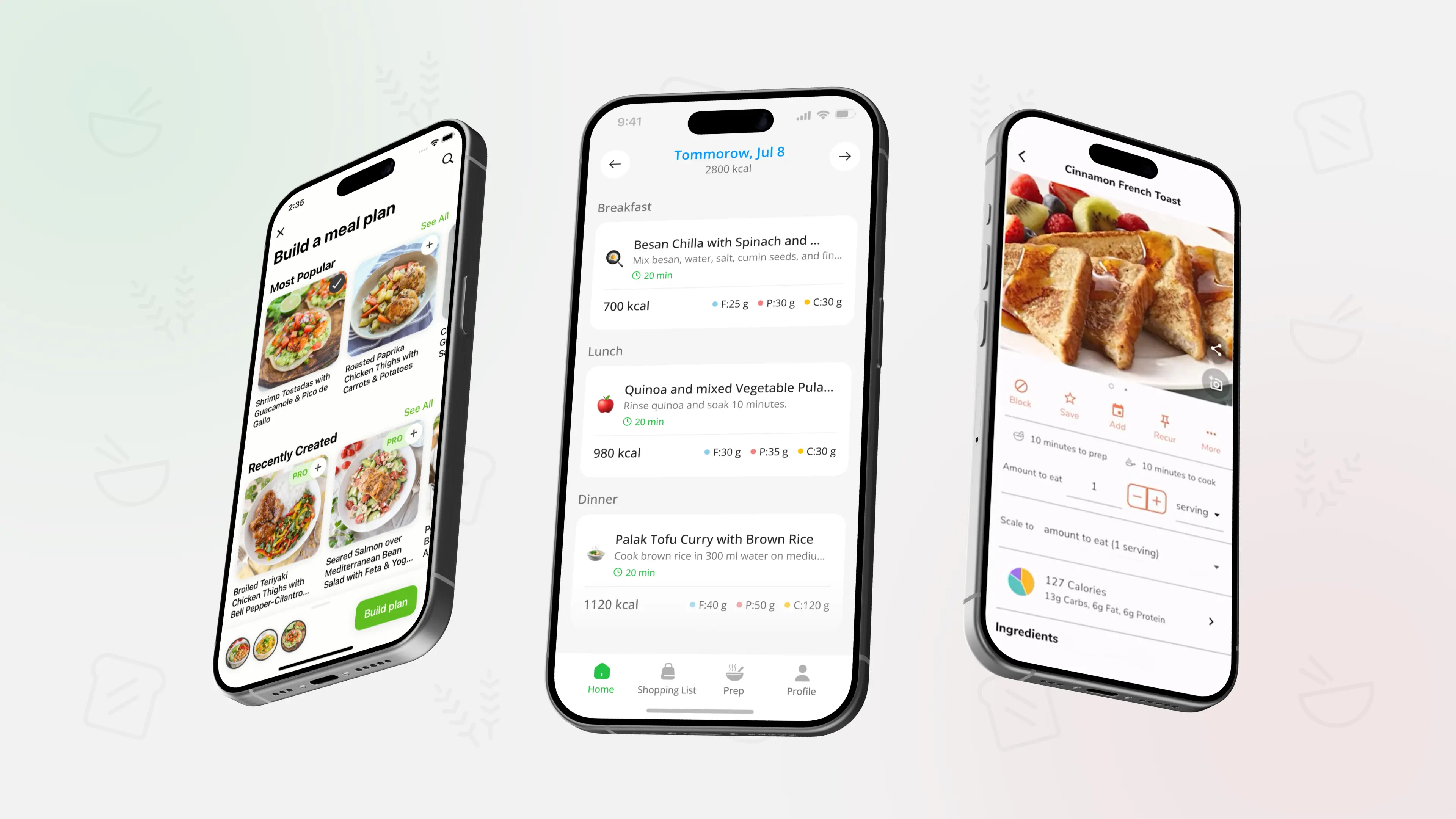
If you want a default menu without building it manually, PlanEat AI generates a weekly meal plan and a grouped grocery list personalized to your goals, dislikes, and the time you have to cook. You can save a plan as reusable and swap meals quickly when your week changes.
Step 1: Pick your “always works” meals
Your default menu should be boring in a good way. The goal is repeatability, not novelty.
Start with:
- 2 repeatable breakfasts you like and can make in under 5 minutes
- 2 repeatable lunches (usually leftovers, bowls, or salads)
- 3 repeatable dinners that share ingredients
- 1 backup dinner for your hardest day
If you are not sure how to keep dinners simple, Quick Meal Planning: Build a 30-Minute Weekly Plan shows a practical way to build dinner options without overplanning.
Step 2: Build your grocery core that supports the menu
A default menu only works if your grocery list is built for overlap. You want the same ingredients to appear in multiple meals.
Use this grocery core as your base:
- 1 main protein you will actually cook
- 1 backup protein that takes almost no effort
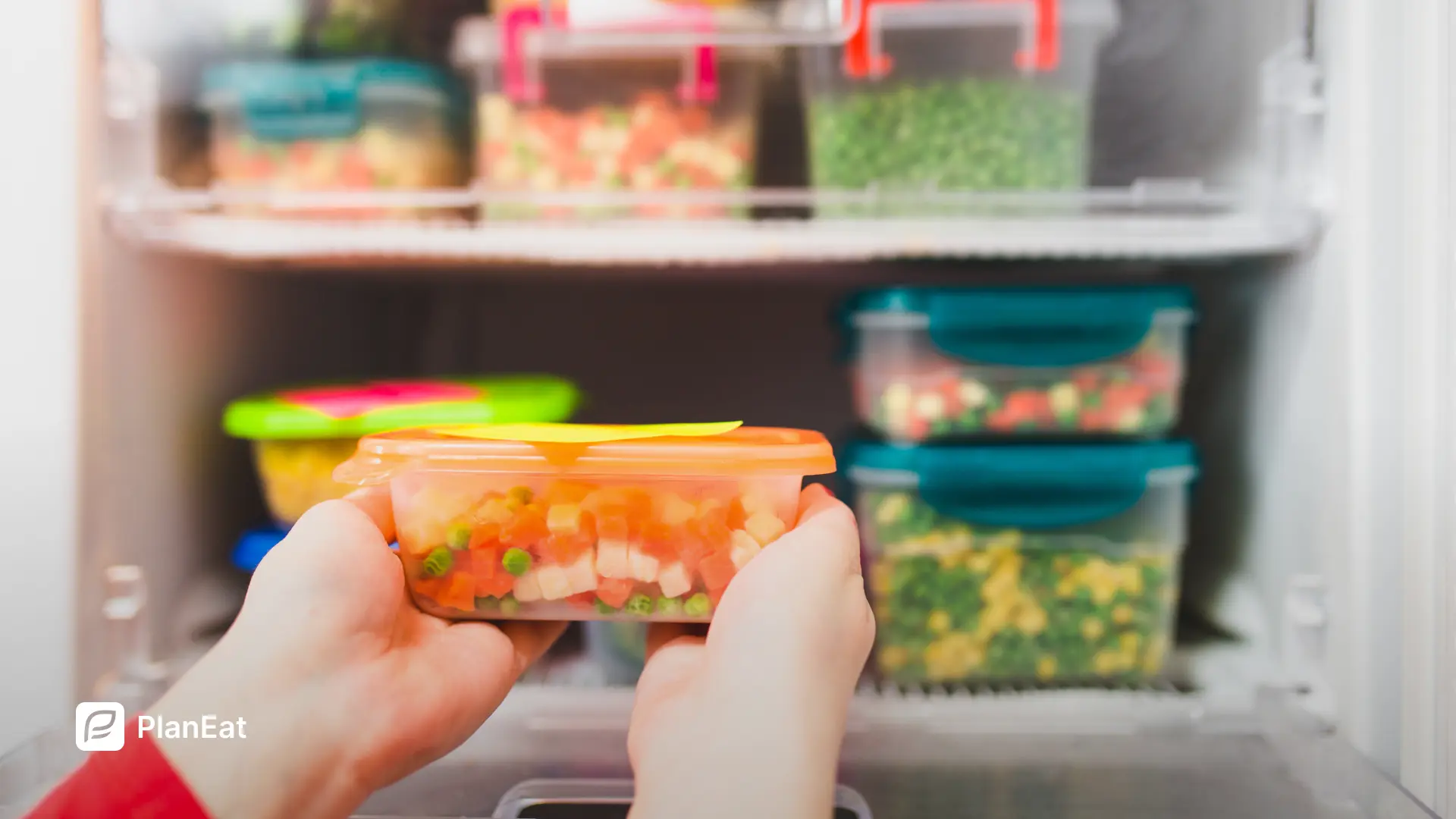
- 2 vegetables that last plus 1 frozen vegetable
- 1 carb base (rice, tortillas, potatoes, pasta)
- 2 flavor shortcuts (salsa, pesto, marinara, seasoning blend)
- 1 convenience item you can rely on
This is the same logic that makes grocery trips easier in Why Grocery Shopping Drives Your Diet (2026).
Step 3: Write your template as a menu, not a schedule
A default menu works best when it is flexible. Instead of assigning meals to exact days, list options and choose the order later.
Here is a simple template you can copy:
Breakfast options (pick 1 daily):
- Option A: Greek yogurt plus fruit and nuts
- Option B: Eggs plus toast plus fruit
Lunch options (rotate):
- Option A: Leftovers from dinner
- Option B: Bowl template (rice plus protein plus frozen vegetables plus sauce)
Dinner options (choose any order):
- Dinner 1: Sheet-pan protein plus vegetables
- Dinner 2: Tacos or wraps with protein plus veggies plus salsa
- Dinner 3: Pantry pasta or beans plus rice with a side salad
- Backup dinner: Frozen meal or rotisserie chicken plus bagged salad
You can also build this around a tight ingredient set. If that sounds easier, Meal Planning With 10 Ingredients (2026) gives a practical example.
Step 4: Add 3 easy swaps so it stays realistic
A default menu sticks when it has built-in flexibility. Add a few swaps you can use without changing the grocery core.
- Swap rice bowls to wraps when you are tired of bowls
- Swap chicken to beans or eggs when you need a break from meat
- Swap fresh vegetables to frozen when your week is chaotic
This is also how you keep the plan going during messy weeks without “starting over.”
With PlanEat AI, you can keep a reusable default plan, swap meals in seconds, and maintain a repeatable protein-and-fiber backbone so your week stays consistent even when your schedule is not.
FAQ
What is a default weekly menu template?
It is a repeatable set of meal options you can use most weeks. You treat it like a baseline menu and adjust based on your schedule.
How many meals should be in a default menu?
Keep it small. Two breakfasts, two lunches, and three dinners plus one backup is enough for most people.
Will I get bored eating the same things?
Not if you rotate flavors and sides. Keep the structure the same and change the sauce, seasoning, or vegetable.
How often should I update my default menu?
Every 4 to 8 weeks is a good rhythm. Update it when you notice a meal you consistently skip.
Do I still need to meal prep?
Not necessarily. A default menu can work with light cooking and planned leftovers, without a big prep session.
Educational content only, not medical advice.
A default menu removes the hardest part: deciding
The biggest win is not a perfect recipe list. It is having a baseline you can repeat. Build a small menu of meals that always works, shop for overlap, and keep one backup option for your hardest day.

.webp)
.webp)
.webp)
%20Simple%20Staples%20(2026).webp)
.webp)


.webp)
.webp)
.webp)
_.webp)
_.webp)


.webp)
_webp.webp)
_.webp)
_.webp)
_webp.webp)
.webp)
.webp)
_%20What%20to%20Buy%20When%20(2026)_.webp)
_.webp)
webp.webp)
_.webp)
.webp)
.webp)
.webp)
.webp)
.webp)
.webp)

.webp)
.webp)
.webp)
.webp)

.webp)
.webp)

.webp)
.webp)
%20%2B%207%E2%80%91Day%20Menu.webp)
.webp)


.webp)
.webp)




.webp)
.webp)
.webp)
.webp)
%20iOS%20Focus.webp)
.webp)
.webp)
.webp)
.webp)
.webp)
.webp)
.webp)
.webp)
.webp)
..webp)