Meal Planning Apps That You Will Actually Use (2026)
.webp)
TL;DR: In 2026, people stick with meal planning apps that reduce decisions, simplify grocery shopping, and fit real schedules. Apps focused on weekly plans and flexible meals work better than rigid trackers.
Why most meal planning apps don’t last
Most meal planning apps are deleted because they demand too much attention. Daily inputs, constant adjustments, and overly detailed nutrition dashboards turn planning into a chore. When an app adds friction instead of removing it, people stop opening it after the first few weeks.
Apps people actually use focus on weekly structure, repeatable meals, and grocery lists that reflect how people shop in real life. This shift away from micromanagement is also explained in Calorie Counting vs Meal Planning: What Works Better?.
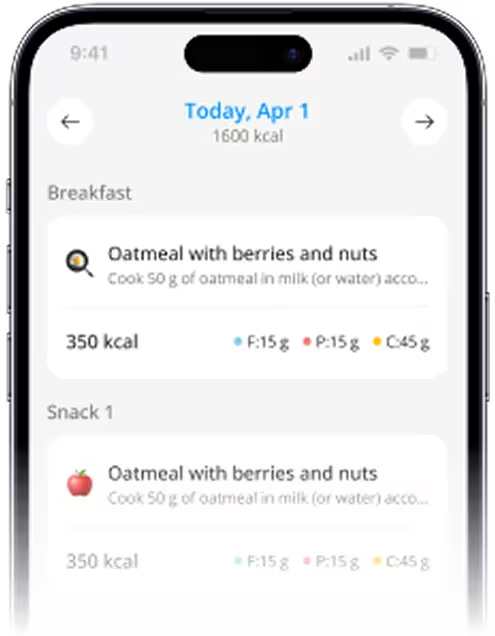
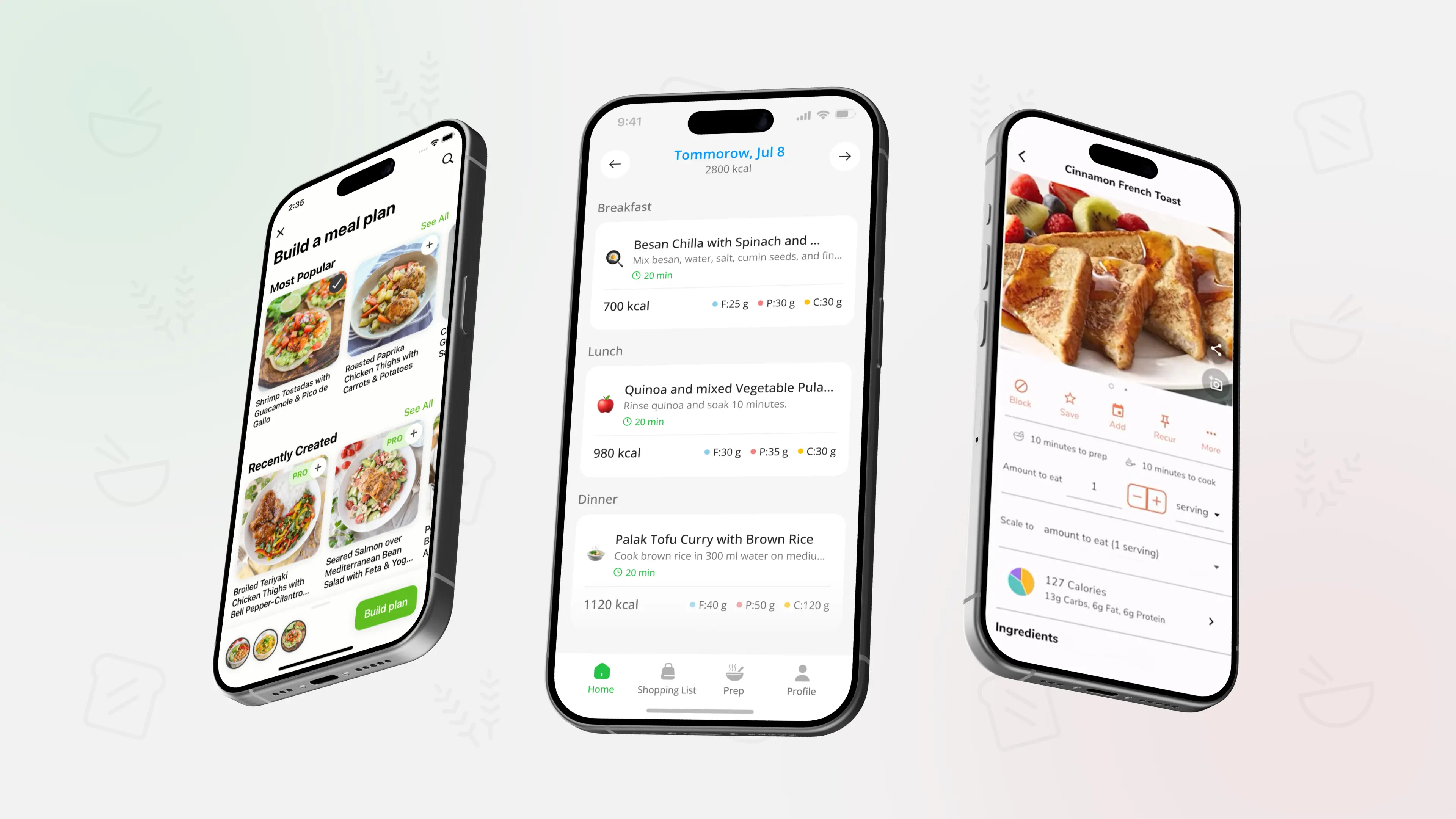
For users who want planning without constant input, PlanEat AI focuses on weekly meal plans and grouped grocery lists. It personalizes plans based on goals, dislikes, and available cooking time, helping people stay consistent without tracking every detail.
Meal planning apps people actually use in 2026
Below are meal planning apps that focus on planning and groceries rather than calorie counting. Each one follows a similar logic but fits slightly different needs.
PlanEat AI
Designed for people who want structure without rigidity. PlanEat AI generates a weekly meal plan and a grouped grocery list that can be reused and adjusted. Meals are easy to swap, which helps repeat successful weeks instead of starting from scratch every time. The app works best for people who value consistency and low decision fatigue over detailed tracking.
Mealime
Mealime focuses on simple weekly dinner planning with quick recipes and clean grocery lists. Users choose preferences and cooking style, then follow a straightforward plan for the week. It works well for people who enjoy cooking but want help deciding what to make and what to buy.
PlateJoy
PlateJoy offers structured weekly meal plans based on preferences and household size. It emphasizes balanced meals and generates grocery lists that align with the plan. This app suits users who like a bit more guidance but still want flexibility in how strictly they follow the plan.
Eat This Much
When used without calorie targets, Eat This Much functions as a meal planning tool that suggests meals and organizes groceries. It appeals to users who want variety and automation, but still prefer to control how closely they follow the plan.
All of these apps rely on the same core idea described in Meal Planning Basics: How to Start (Beginner Guide): planning works when it reduces decisions, not when it adds more rules.
What to look for in a meal planning app
A meal planning app is worth keeping if it supports how you actually eat and shop.
- Weekly planning instead of daily logging
- Grouped grocery lists that shorten shopping trips
- Easy meal swaps that don’t break the plan
- Reusable plans for busy or repetitive weeks
These principles match the structure shown in How to Build a Weekly Meal Plan (Examples) and explain why simpler tools outperform complex ones.
With PlanEat AI, users can save a weekly plan as reusable, quickly swap meals, and keep protein and fiber consistent across the week. This makes planning feel supportive instead of restrictive.
FAQ
Are meal planning apps better than calorie tracking apps?
For most people, yes. Planning meals ahead reduces decision fatigue and supports healthier habits without constant tracking.
Do meal planning apps work for families or couples?
Yes. Apps focused on planning usually allow shared meals and flexible portions, which works better for households than individual tracking.
Can I use a meal planning app without cooking every day?
Absolutely. Most planning apps support leftovers and repeat meals, which is essential for busy schedules.
What if I don’t follow the plan perfectly?
Meal planning apps are meant to guide, not control. Skipping or swapping meals is normal and doesn’t break the system.
How long does it take to see benefits from meal planning?
Many people notice reduced stress and faster grocery trips within the first one to two weeks.
Educational content only, not medical advice.
Why people stick with simple meal planning apps
Meal planning apps last when they remove friction, not when they demand perfection. Weekly structure, reusable plans, and flexible meals help people stay consistent over time.

.webp)
.webp)
.webp)
.webp)
.webp)
%20(2026).webp)
.webp)
.webp)
.webp)
%20(2026).webp)
.webp)
%20(2026).webp)
.webp)
.webp)
.webp)
%20Quick%20Ideas%20(2026).webp)
.webp)
.webp)
.webp)
%20Simple%20Staples%20(2026).webp)
.webp)


.webp)
.webp)
.webp)
_.webp)
_.webp)


.webp)
_webp.webp)
_.webp)
_.webp)
_webp.webp)
.webp)
.webp)
_%20What%20to%20Buy%20When%20(2026)_.webp)
_.webp)
webp.webp)
_.webp)
.webp)
.webp)
.webp)
.webp)
.webp)
.webp)
.webp)
.webp)
.webp)
.webp)
.webp)
.webp)

.webp)
%20%2B%207%E2%80%91Day%20Menu.webp)
.webp)

.webp)
.webp)




.webp)
.webp)
.webp)
.webp)