Seasonal Grocery Shopping (US): What to Buy When (2026)
_%20What%20to%20Buy%20When%20(2026)_.webp)
TL;DR: Seasonal shopping is less about memorizing charts and more about building a flexible routine: buy what looks best right now, then plan meals around a few repeatable building blocks. This guide shows what to look for in each season in the US, plus simple ways to turn seasonal produce into a full week of meals.
Seasonal shopping without the stress
Seasonal grocery shopping works because it makes decisions easier. When produce is in season, it usually tastes better and tends to be more available, which gives you more options without hunting for “perfect” ingredients.
You do not need to shop a farmers market every week or know exactly what is in season in every state. A realistic approach is to notice patterns, keep a few staples at home, and use frozen and canned foods when fresh options are not great.
A simple seasonal shopping framework
Start with a routine that works in any grocery store. Seasonal shopping is most effective when it reduces decision fatigue, not when it adds homework.
Use this 5 step approach:
- Do a quick scan of the produce section and pick 2 to 3 items that look fresh and are priced reasonably.
- Choose 1 “workhorse” veggie for volume (like broccoli, zucchini, carrots, cabbage) and 1 “flavor” veggie (like tomatoes, herbs, peppers, mushrooms).
- Pick 2 proteins you can repeat (chicken, eggs, tofu, Greek yogurt, salmon, beans) and plan multiple meals around them.
- Add 1 easy carb you will actually cook (rice, tortillas, potatoes, oats, pasta) to round out meals.
- Fill gaps with freezer and pantry items so you are not forced to shop again midweek.
If your kitchen feels random week to week, it helps to build a small base of staples that make seasonal swaps easier. Pantry Staples: Build a Healthy Kitchen (Practical Checklist) is a good reference for what to keep on hand so you can cook even when fresh produce is limited.
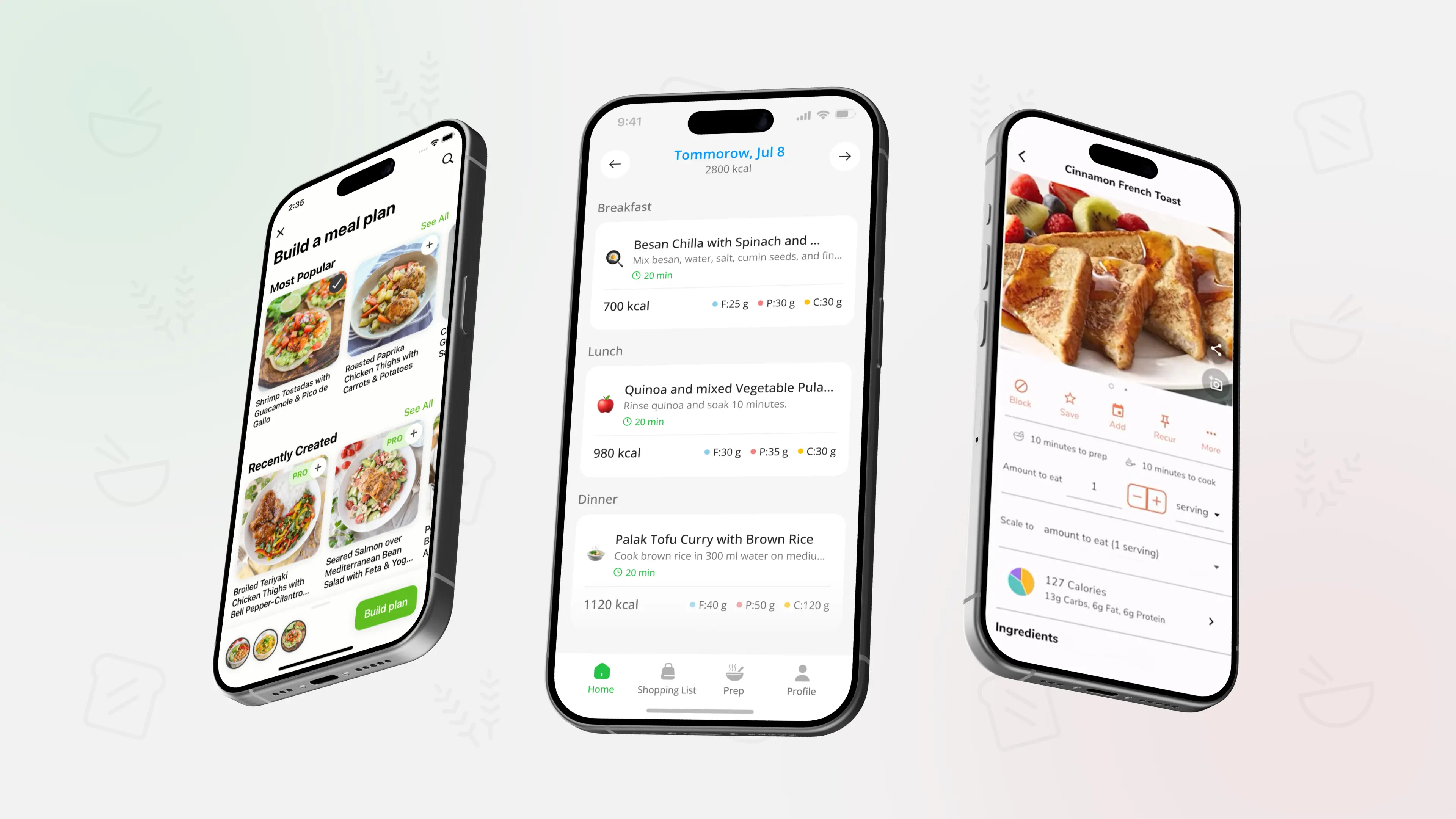
If you want a weekly plan that reflects what you like to eat, PlanEat AI can generate a weekly meal plan and a grouped grocery list with personalization based on goals, dislikes, cooking time, and basic restrictions, plus simple swaps when a recipe does not fit your week.
What to buy when: a quick US seasonal guide
Seasonality varies by region and weather, so treat this as a practical starting point, not a strict calendar. When in doubt, let the store show you what is in season: the best looking display is usually the clue.
Spring (March to May)
- Produce to look for: asparagus, peas, radishes, spinach, strawberries.
- Easy meal uses: sheet pan chicken and asparagus, spring salads, omelets with spinach.
- Smart backups: frozen spinach, frozen berries, canned beans.
Summer (June to August)
- Produce to look for: tomatoes, zucchini, corn, cucumbers, peaches, berries.
- Easy meal uses: quick skillet tacos, big salads, grain bowls, simple pasta with tomatoes.
- Smart backups: frozen corn, canned tomatoes, frozen mixed berries.
Fall (September to November)
- Produce to look for: apples, pears, sweet potatoes, Brussels sprouts, cauliflower, winter squash.
- Easy meal uses: roasted veggie bowls, chili, soups, sheet pan dinners.
- Smart backups: canned pumpkin, frozen cauliflower rice, frozen Brussels sprouts.
Winter (December to February)
- Produce to look for: citrus, cabbage, carrots, beets, broccoli, onions.
- Easy meal uses: stir fries, slow cooker soups, roasted root veggies, warm grain bowls.
- Smart backups: frozen broccoli, canned salmon, frozen fruit for smoothies.
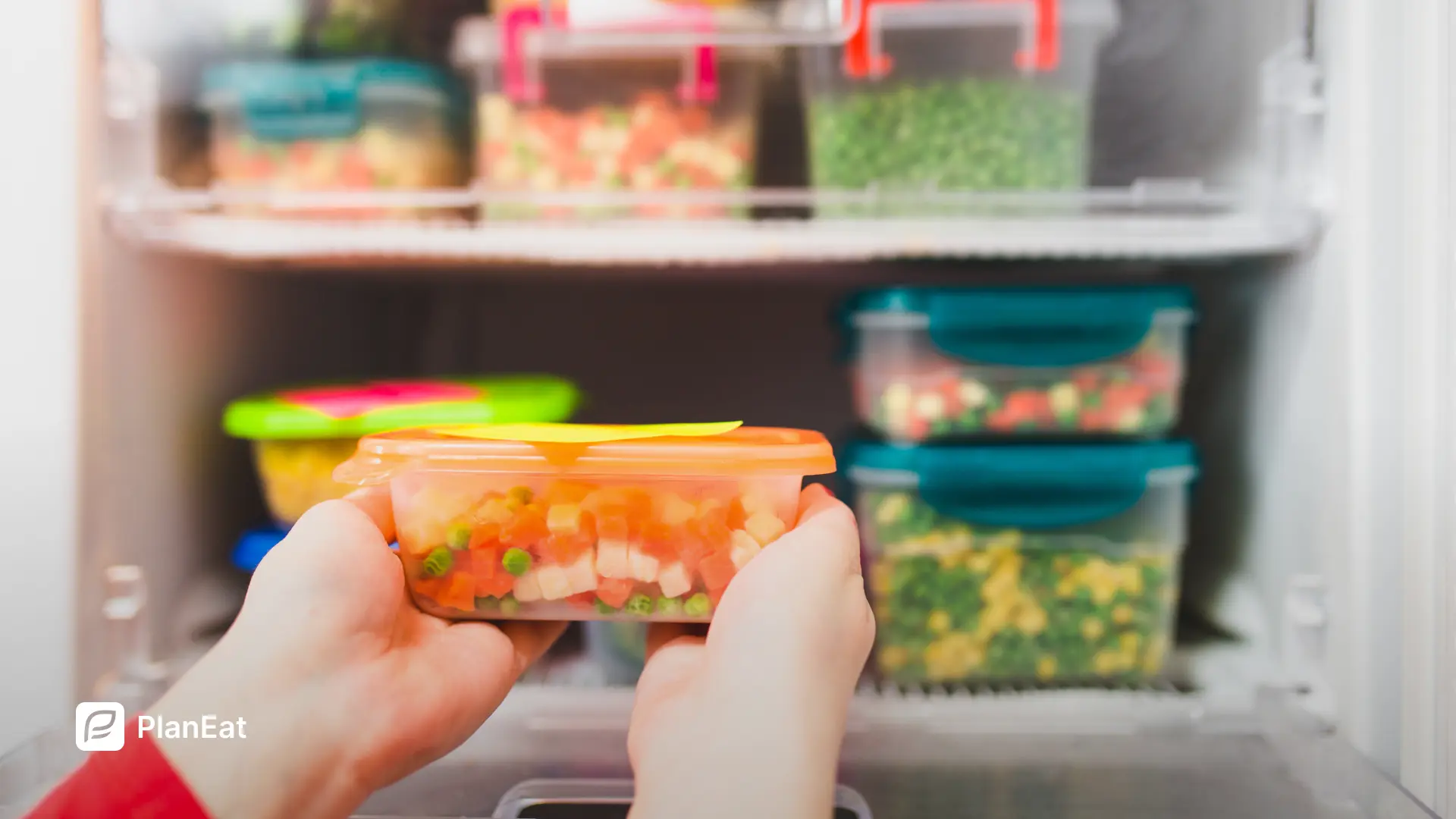
A useful mindset is this: fresh is great when it is great, and frozen or canned is great when it saves your week. Frozen produce is often picked and frozen quickly, which makes it a reliable option when “fresh” vegetables look tired.
Turn seasonal picks into a full week of meals
Seasonal shopping becomes powerful when you stop thinking in single recipes and start thinking in repeatable meal templates. Pick a few anchors, then mix and match based on what is in season.
Try this simple weekly build:
- 2 proteins: for example, chicken plus eggs, or tofu plus salmon.
- 2 veggies: one that roasts well (broccoli, carrots, Brussels sprouts) and one that works raw or quick cooked (spinach, cucumbers, tomatoes, cabbage).
- 1 carb: rice, tortillas, potatoes, oats, or pasta.
- 2 flavor boosters: salsa, pesto, Greek yogurt sauce, hummus, or a simple vinaigrette.
Then map it into meals you can repeat without getting bored:
- Bowl night: protein + roasted veggie + rice + sauce.
- Taco night: protein + sautéed veggie + tortillas + crunchy topping (cabbage or cucumbers).
- Big salad night: leafy greens + protein + fruit or roasted veggie + nuts or seeds.
- Breakfast anchor: oats or Greek yogurt with seasonal fruit, or eggs with whatever greens you bought.
If you like cooking once and coasting through the week, seasonal produce is perfect for batch roasting and fast mix and match meals. 2-Hour Weekend Meal Prep: Cook Once, Eat All Week can help you set up a realistic prep routine that supports seasonal swaps.
If you find a seasonal combo you love, PlanEat AI can help you save a plan as reusable and swap meals quickly while keeping a simple base of repeatable protein and fiber across the week.
FAQ
Is seasonal grocery shopping always cheaper?
Not always, but it often can be because there is usually more supply when items are in season. Prices still depend on store, region, and promotions, so the practical rule is to buy what looks good and is priced reasonably, then build meals around it.
Do I have to shop farmers markets to eat seasonally?
No. Most grocery stores reflect seasonality through displays and promotions, even if the store carries produce year round. You can follow the “best display” rule and still shop seasonally.
Are frozen and canned foods okay for seasonal eating?
Yes. Frozen and canned items make seasonal shopping realistic because they cover gaps when fresh produce is limited or expensive. Look for options with minimal added sugar or heavy sauces when possible.
How do I avoid food waste when buying seasonal produce?
Buy fewer types of produce and plan two different uses for each item. For example, spinach can go into omelets and salads, and roasted carrots can become a side dish and a bowl ingredient. Freezing leftovers of berries, greens, or cooked grains also helps.
Seasonal shopping in one habit
Seasonal shopping works best when it simplifies your week: pick a few fresh items that look great right now, then rely on repeatable meal templates to turn them into dinners, lunches, and breakfasts. Use freezer and pantry backups to stay flexible and avoid waste.

.webp)
%20(2026).webp)
.webp)
%20(2026).webp)
.webp)
.webp)
.webp)
%20Quick%20Ideas%20(2026).webp)
.webp)
.webp)
.webp)
%20Simple%20Staples%20(2026).webp)
.webp)




.webp)
.webp)
.webp)
_.webp)
_.webp)


.webp)
_webp.webp)
_.webp)
_.webp)
_webp.webp)
.webp)
.webp)
_.webp)
webp.webp)
_.webp)
.webp)
.webp)
.webp)
.webp)
.webp)
.webp)


.webp)
.webp)
.webp)
.webp)

.webp)
.webp)

.webp)

.webp)
%20%2B%207%E2%80%91Day%20Menu.webp)
.webp)


.webp)
.webp)




.webp)
.webp)
.webp)
.webp)
%20iOS%20Focus.webp)
.webp)
.webp)
.webp)
.webp)
.webp)
.webp)