Low-Effort Healthy Eating That Still Works (2026)
.webp)
TL;DR: Low-effort healthy eating works when you reduce decisions and build repeatable defaults. In 2026, the easiest path is not “more motivation.” It is a simple weekly structure that keeps protein, fiber, and convenience in the picture.
Low effort does not mean low quality
Most people do not fail at healthy eating because they do not care. They fail because the daily workload is too high: deciding what to eat, shopping, cooking, and cleaning on top of everything else.
Low-effort eating is about removing friction while keeping meals balanced. You are not chasing perfection or optimizing every nutrient. You are building a system that holds up on your busiest days.
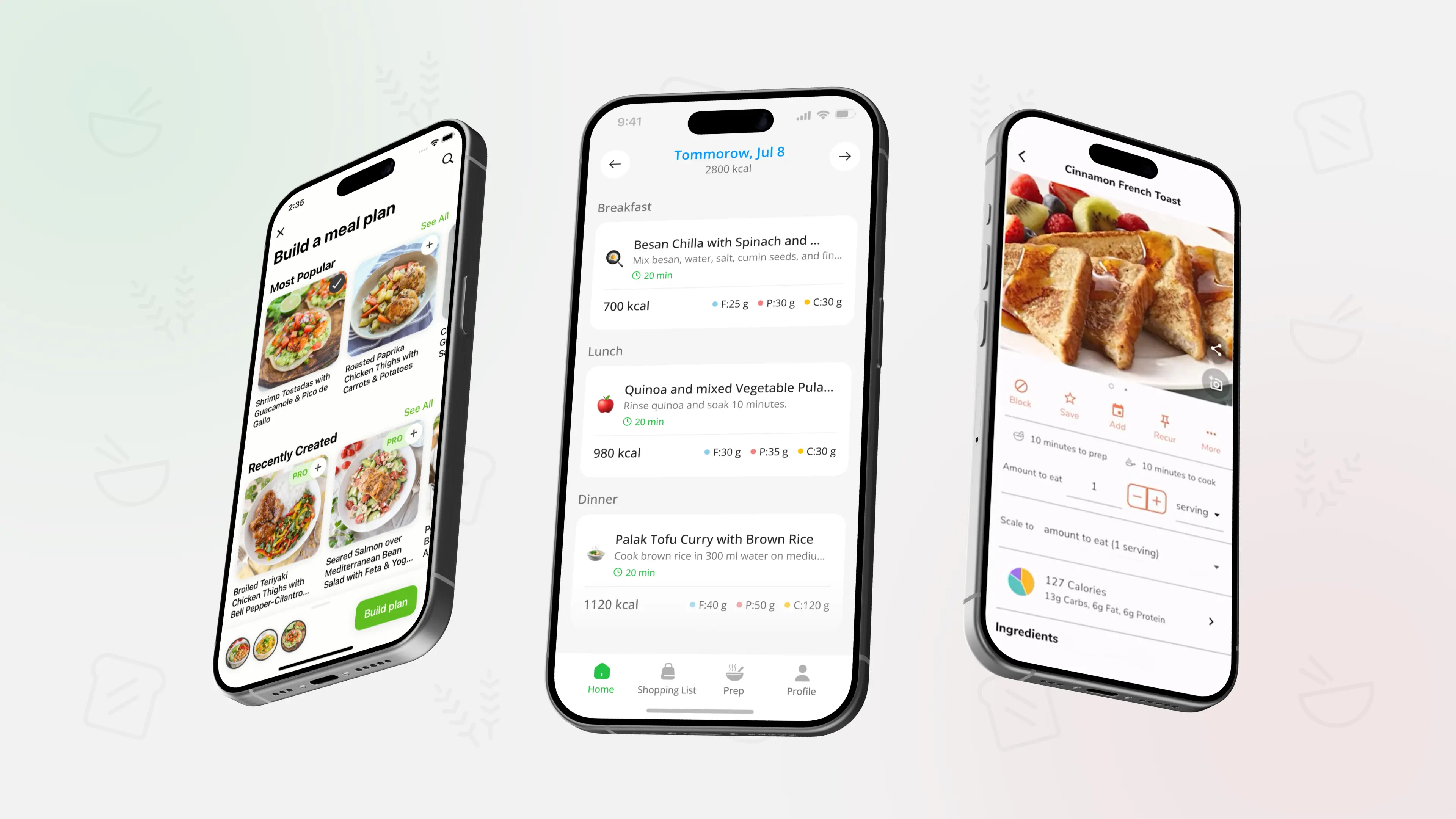
If you want that system without planning it from scratch, PlanEat AI generates a weekly meal plan and a grouped grocery list personalized to your goals, dislikes, and the time you have to cook. It helps you keep meals simple and repeatable without micromanaging nutrients.
The 4 moves that give the biggest results
You do not need 20 new habits. Start with a few moves that change your week quickly.
- Anchor your meals with protein and fiber. Meals feel “easy” when they are satisfying. A simple combo like eggs plus fruit, chicken plus frozen vegetables, or beans plus rice reduces cravings later.
- Use a short list of default meals. If you have 5 to 8 meals you can repeat, you stop relying on daily inspiration. This connects to the repeatable approach in Meal Planning With 10 Ingredients (2026).
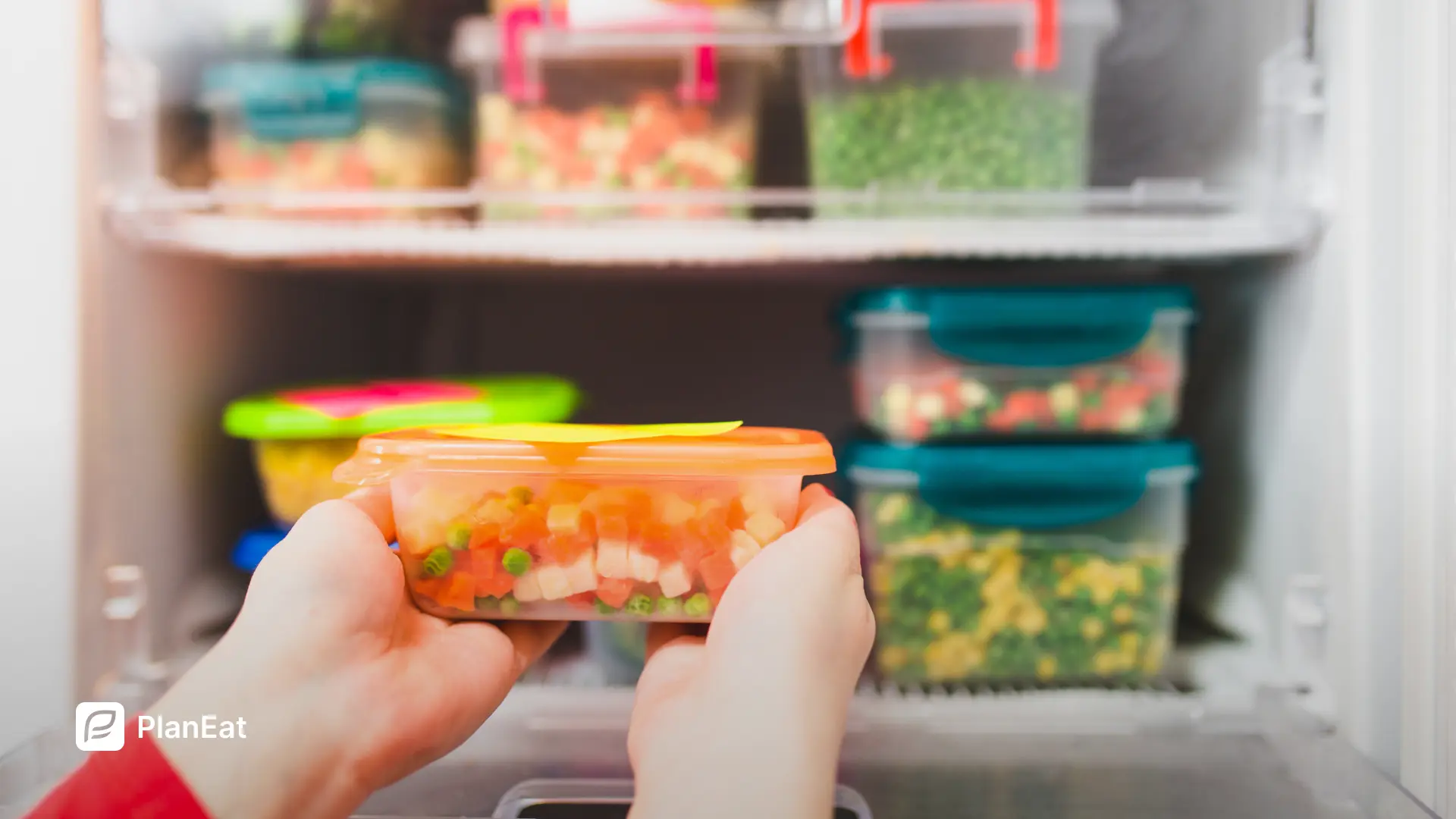
- Add a convenience layer on purpose. Frozen vegetables, bagged salad, rotisserie chicken, and microwaveable rice are not cheating. They are what make the plan realistic.
- Plan for one low-energy day. Your plan should include one dinner that takes 10 minutes. If you do not plan for that day, it becomes takeout day.
A realistic low-effort weekly structure
This structure keeps the week simple without requiring a strict schedule.
- Breakfast: repeat the same 1 to 2 options most days
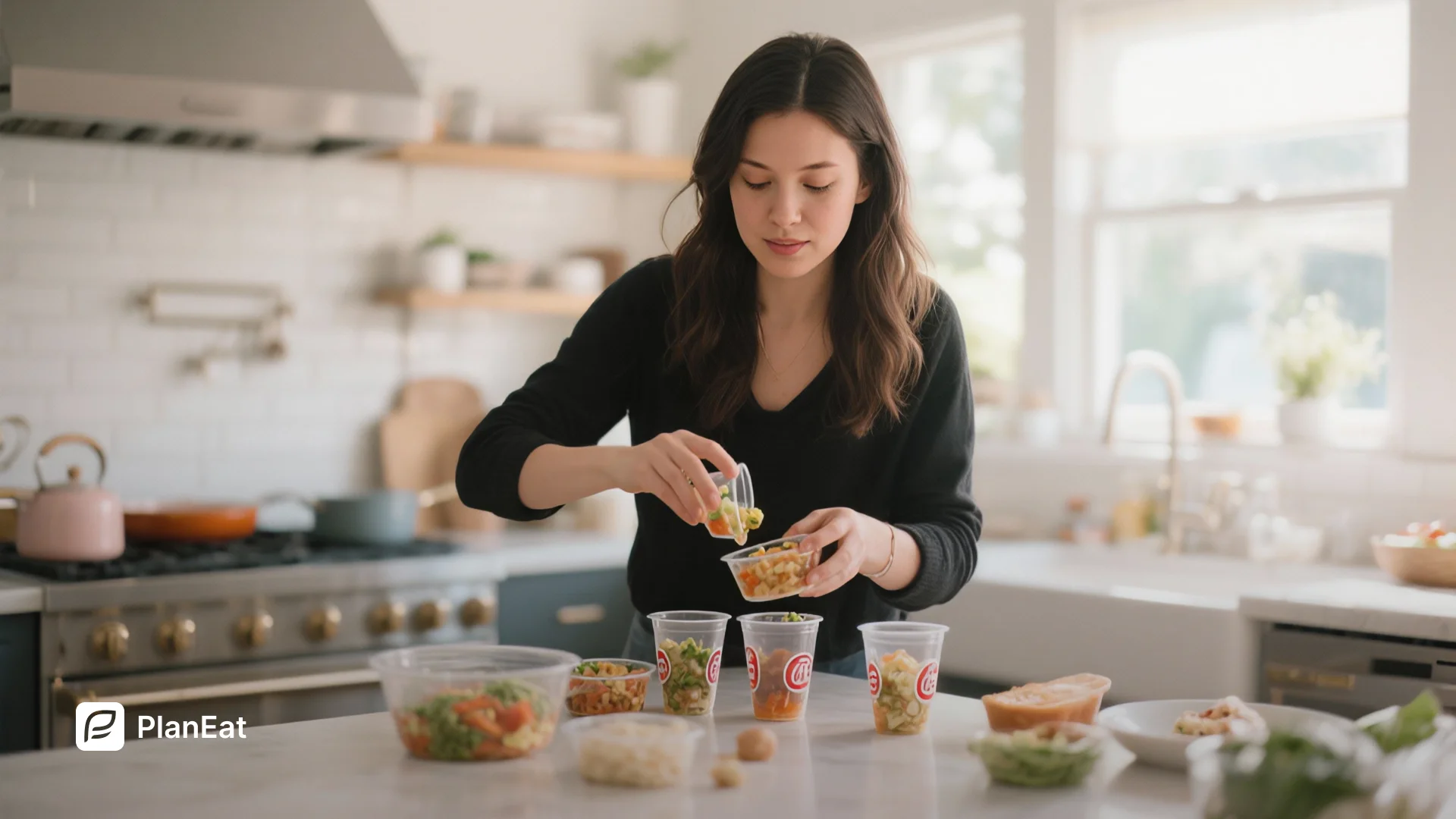
- Lunch: leftovers or a simple bowl or salad template
- Dinner: 2 anchor dinners repeated in different forms plus 1 backup dinner
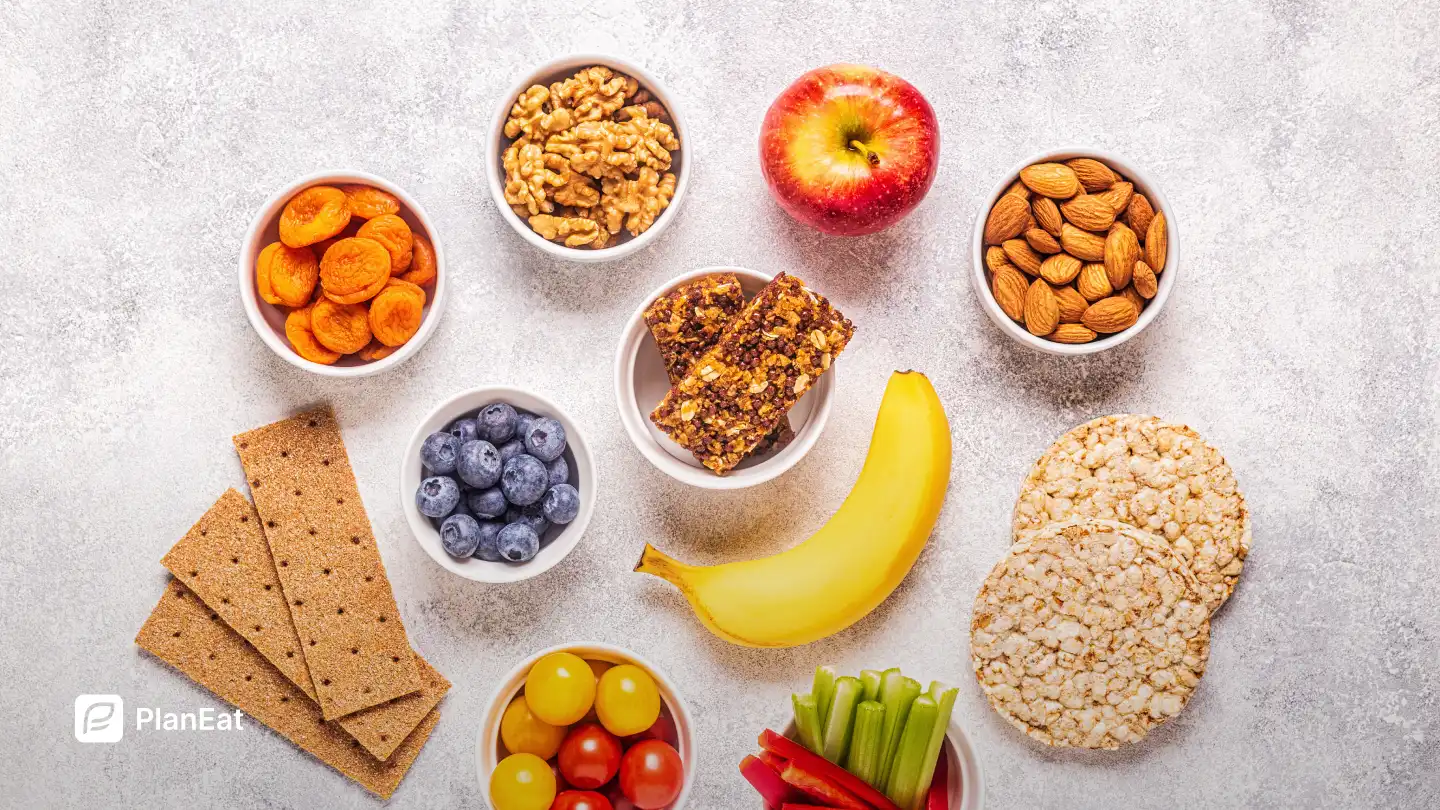
- Snacks: one or two high-satiety defaults, not a drawer of random options
If you want to keep planning light, Quick Meal Planning: Build a 30-Minute Weekly Plan shows how to set up dinner options quickly without overbuilding.
Low-effort grocery rules that prevent burnout
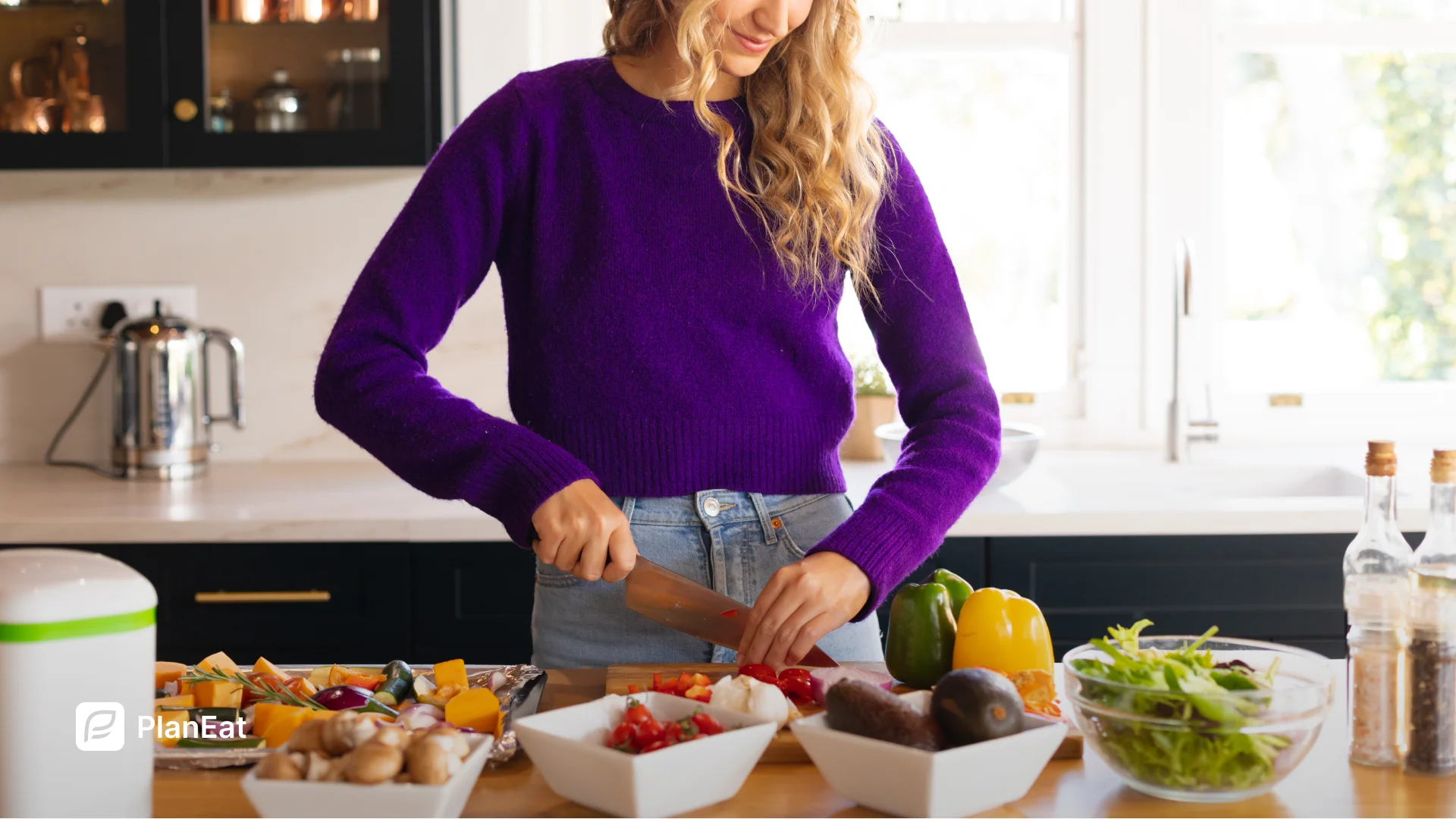
A low-effort week usually starts with a smarter grocery trip. The goal is to buy ingredients that become meals, not a cart of good intentions.
Use this simple grocery logic:
- 1 main protein you will actually cook
- 1 backup protein for your hardest day
- 2 vegetables that last plus 1 frozen vegetable
- 1 carb base (rice, tortillas, potatoes, pasta)
- 2 flavor shortcuts (salsa, pesto, marinara, seasoning blend)
- 1 convenience item you can rely on
If you want more detail on how shopping shapes your week, Why Grocery Shopping Drives Your Diet (2026) explains why the cart is often the real plan.
With PlanEat AI, you can save a weekly plan as reusable, swap meals quickly when life changes, and keep a repeatable protein-and-fiber backbone so you stay consistent without overthinking.
FAQ
What is the easiest healthy habit to start with?
Start with one repeatable breakfast and one repeatable dinner. When two meals are predictable, the whole day feels easier.
Is it okay to eat the same meals often?
Yes. Repetition reduces decisions and increases consistency. You can rotate flavors and sides to keep it enjoyable.
Do I need to track calories for low-effort eating to work?
Not necessarily. Many people improve simply by eating planned meals with protein and fiber more consistently.
How do I eat healthy when I have no time to cook?
Use convenience foods on purpose: bagged salad, frozen vegetables, rotisserie chicken, canned beans, and microwaveable grains.
What should I do when I fall off for a few days?
Do a small reset. Pick one anchor dinner for tonight, one backup for tomorrow, and rebuild your grocery core for the next few days.
Educational content only, not medical advice.
The goal is consistency, not a perfect week
Low-effort healthy eating works when your meals are repeatable and satisfying. Build a short list of defaults, shop for overlap, and keep one true backup option for your hardest day.

.webp)
.webp)
.webp)
%20Simple%20Staples%20(2026).webp)
.webp)


.webp)
.webp)
.webp)
_.webp)
_.webp)


.webp)
_webp.webp)
_.webp)
_.webp)
_webp.webp)
.webp)
.webp)
_%20What%20to%20Buy%20When%20(2026)_.webp)
_.webp)
webp.webp)
_.webp)
.webp)
.webp)
.webp)
.webp)
.webp)
.webp)

.webp)
.webp)
.webp)
.webp)
.webp)

.webp)
.webp)
%20%2B%207%E2%80%91Day%20Menu.webp)
.webp)


.webp)
.webp)



.webp)
.webp)
.webp)
.webp)
%20iOS%20Focus.webp)
.webp)
.webp)
.webp)
.webp)
.webp)
.webp)
.webp)
.webp)
.webp)
..webp)