September 27, 2026
Beginner meal planning made simple: protein + fiber plates, grouped grocery lists, small prep, and a repeatable weekly rhythm — with budget-friendly staples.
Meal planning isn’t a strict diet — it’s a repeatable weekly system: build meals around protein + fiber, keep smart carbs and a little healthy fat, shop from a grouped grocery list, and cook once/eat twice. Consistency beats willpower.
Meal planning is a system that reduces decisions during busy weeks. It’s not about banning foods or cooking for hours every Sunday. The goal: fewer “What’s for dinner?” moments, a cleaner cart, and steady progress for your health or weight goals.
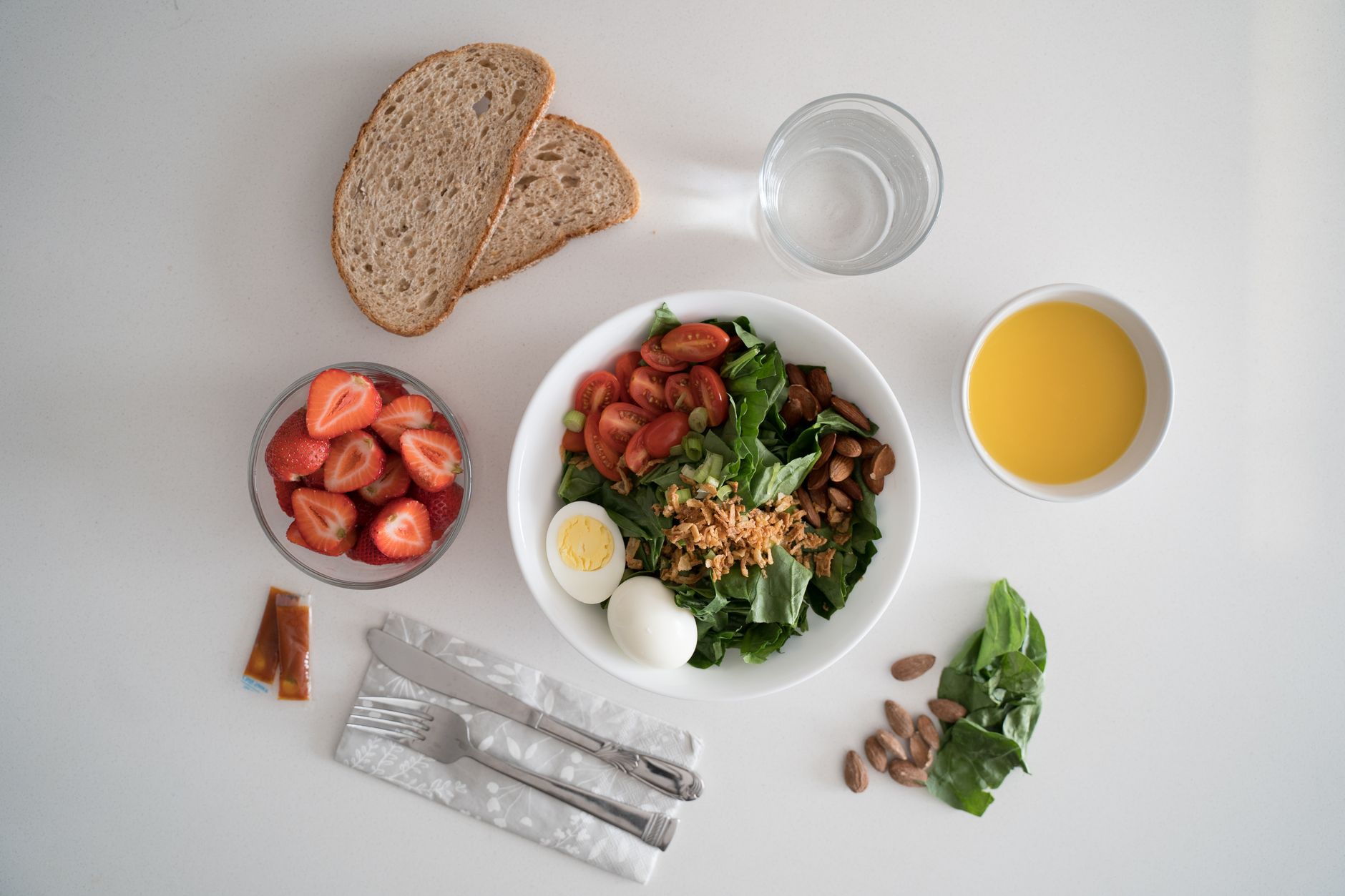
1. Pick a plate pattern. Half vegetables, a palm-size protein, a fist of fiber-rich starch (potatoes, brown rice, whole-grain pasta, beans), plus a little olive oil/nuts/avocado.
2. Choose 7 dinners you’ll actually cook. Repeat 2–3 breakfasts and 2–3 snacks. Keep recipes simple (15–30 minutes).
3. Make a grouped grocery list. Organize by store sections (produce, dairy, pantry, freezer). It cuts impulse buys and time in aisles.
4. Prep once, eat twice. Cook double protein or grains; store half for mid-week. Wash/cut fruit and veg.
5. Set a rhythm. Most beginners do well with 3 meals + 0–2 snacks. Plan a small sweet after meals if you like dessert.
Looking for tools? Our review of the best meal-planning apps compares options and how they fit different goals.
If your main goal is fat loss, see “What Exactly Should I Eat to Lose Weight?”
• Protein (palm): eggs, chicken/turkey, fish/salmon, tofu/tempeh, Greek yogurt, beans/lentils.
• Starch (fist): potatoes, brown rice, oats, whole-grain pasta/wraps, quinoa, beans.
• Veg (2 fists): any mix; add fruit once a day.
• Fat (thumb): olive oil, nuts, seeds, avocado, cheese (small amounts).
• Frozen veg/fruit are nutritious and cheaper; no peeling/waste.
• Staples: canned beans/tomatoes, oats, rice, eggs, tuna, yogurt.
• Repeat the same 3–4 breakfasts weekly; rotate dinners every 1–2 weeks.
• Double cook proteins/grains; portion snacks; wash/cut fruit.
• Avoid common traps: too many new recipes, skipping protein, no plan for sweets, cooking once/eating once.
• Sheet-pan: protein + chopped veg + potatoes; olive oil, salt, paprika; 25–35 min.
• One-pot: beans/lentils + tomatoes + veg + spices; add pasta or rice.
• Stir-fry: frozen veg mix + protein + soy/garlic/ginger; serve over rice/noodles.
• Breakfasts (repeat): oatmeal + protein + fruit · eggs + toast + veg · Greek yogurt + berries + chia
• Snacks (pre-decide): fruit + yogurt/cottage cheese · nuts (small handful) · protein shake + carrots
• Dinners (examples):
1. Sheet-pan chicken/tofu + potatoes + broccoli
2. Lentil/bean chili + yogurt topping
3. Salmon/tempeh + rice + green veg
4. Turkey/chickpea pasta + marinara + salad
5. Rice bowl (tofu/chicken) + veg + sesame
6. Taco night (beans/chicken) + salsa + veg
7. Leftovers / soup & sandwiches
If cravings derail evenings, you’ll like our guide “How to Stop Craving Sweets All the Time”
Whatever you can repeat. Most beginners do well with 3 meals + 0–2 snacks. Regular meals beat all-day grazing.
No. Prep just enough: cook double protein or grains, wash/cut fruit/veg, portion snacks. Leave room for fresh, quick dinners.
Yes. Keep fiber-rich carbs (potatoes, brown rice, oats, beans, fruit) and pair with protein + vegetables. Weight change still depends on your weekly calorie balance.
30–45 minutes to plan + list, 60–90 minutes of light prep. It saves far more time on weekdays.
Use modular dinners: same base (rice/pasta/sheet-pan veg) + different proteins/toppings. Keep a fruit/yogurt dessert bar for all.
Educational content only — not medical advice. Personalize if you’re pregnant, have diabetes, eating disorders, or other medical conditions.
Beginner meal planning made simple: protein + fiber plates, grouped grocery lists, small prep, and a repeatable weekly rhythm — with budget-friendly staples.