Mindful Eating: Simple Exercises to Slow Down

TL;DR: Mindful eating is not a strict rule set. It is a set of small exercises that help you notice hunger, taste your food, and stop when you have had enough. A few simple pauses before, during, and after meals can reduce overeating, late night snacking, and guilt, especially when they are paired with a basic weekly meal plan.
Why slowing down at meals actually helps
When you eat in a rush, in the car, or in front of a screen, it is easy to miss your own signals. You may finish a plate without tasting much, then keep looking for snacks because the brain barely registered the meal.
Slowing down helps you:
- Notice true hunger vs boredom or stress
- Taste and enjoy food more, even simple meals
- Catch the moment where you feel satisfied instead of stuffed
- Reduce automatic habits like finishing everything in sight
These exercises do not require a special diet. They work best on top of a balanced pattern like in Healthy Eating Basics: Build a Balanced Plate, where each meal already has protein, fiber, and healthy fats.
Simple exercises before you start eating
The goal before a meal is to check in with your body and set a calm pace.
Exercise 1: One minute pause
- Sit down with your meal and put your phone away
- Take three slow breaths
- Ask yourself, on a scale from 1 to 10, how hungry you feel right now
You are not judging the number. You are simply noticing it.
Exercise 2: Intention check
Before the first bite, quietly choose one intention, such as:
- “I want to actually taste this.”
- “I want to notice when I feel comfortably full.”
- “I want to eat slowly enough that I can stop when it feels right.”
If evenings are the hardest for you, pairing this with a structured yet flexible pattern like Cheat Meals: Help or Hinder? (How to Do It Right) can help you enjoy treats without slipping into all or nothing thinking.
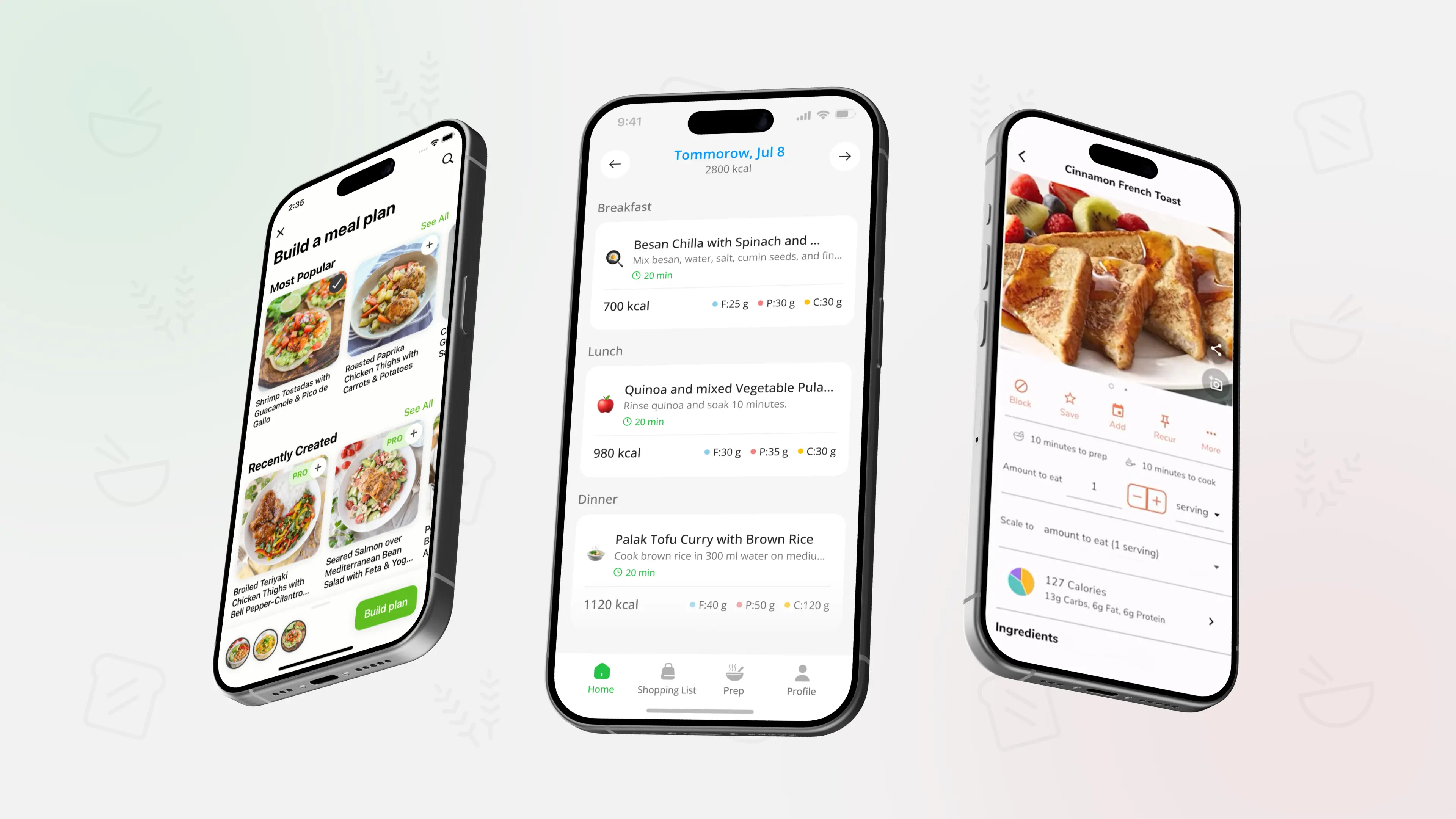
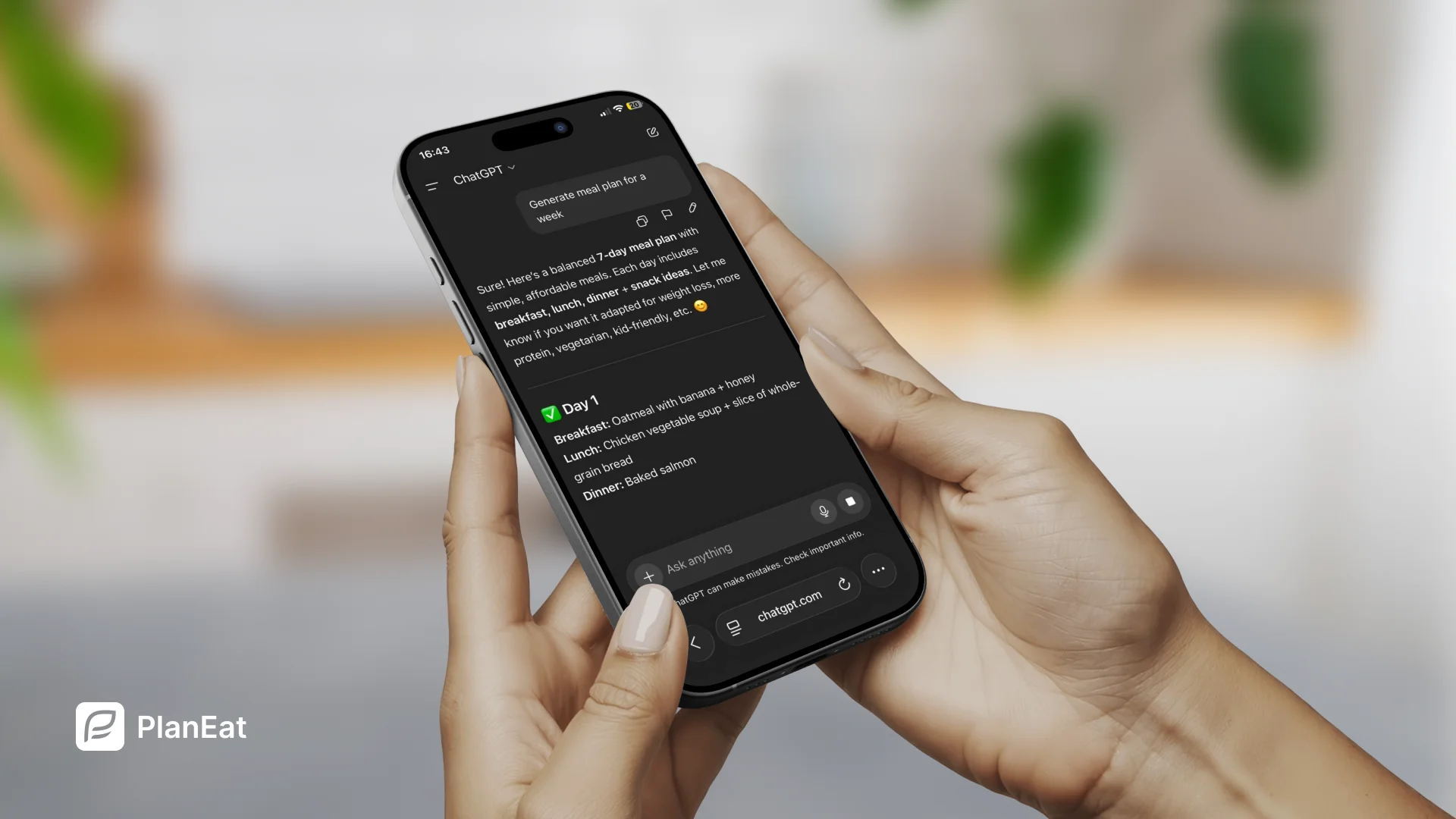
If you do not want to think about what to cook every day, you can use PlanEat AI to generate a weekly meal plan and grouped grocery list around your goals and dislikes. With the “what” decided in advance, it becomes easier to focus on “how” you eat in the moment.
Simple exercises while you eat
Here you are training your brain to be present for the meal instead of rushing through it.
Exercise 3: First three bites
For the first three bites of your meal:
- Look at the food for a second before you pick it up
- Notice smell and texture
- Chew a little longer than usual and see if you can name a flavor or texture in your head
You do not have to eat the whole meal slowly. Even three mindful bites teach your brain that this meal exists.
Exercise 4: Put the utensil down
Once or twice during the meal:
- Put your fork, spoon, or sandwich down
- Take a breath
- Ask yourself “How is this bite feeling in my mouth” and “Where am I on that 1 to 10 hunger scale now”
Aim to finish somewhere in the “comfortable” zone, not stuffed. This pairs well with balanced portions from 10 Healthy Eating Habits for a Sustainable Lifestyle, where you focus on repeated small habits instead of strict rules.
Simple exercises after you finish
Mindful eating does not end with the last bite. A short check in afterwards helps you learn from each meal.
Exercise 5: Two minute reflection
After a meal:
- Notice your stomach: empty, comfortable, heavy
- Notice your mind: satisfied, still searching, or guilty
- Ask “Was this enough” and “What would I adjust next time”
Write down one short note if it helps, for example “Lunch needed more protein” or “Dinner was fine, dessert felt extra.” Over time, these notes make patterns obvious.
Exercise 6: Delay the second portion
If you want more food immediately after finishing:
- Wait five to ten minutes if you can
- Drink a small glass of water
- Then check again if you still want more
Sometimes you will still be hungry, and that is fine. Other times the urge will pass. For people who are working on cravings, this works well alongside tips from How to Stop Sugar Cravings (Real-World Tips).
Connecting mindful eating with your weekly planning
Mindful exercises are easier when your meals are not chaotic. Planning gives you a stable base so you can pay attention to your body instead of firefighting every meal.
Practical steps:
- Decide on simple, repeatable meals for most days
- Make sure each meal has a clear protein source and some fiber
- Leave a little room in the week for planned flexibility rather than surprise takeout
If your workdays are busy, ideas from Meal Planning for Busy Professionals can help you build a basic structure that still fits meetings, commute, and family.
Once you find breakfasts, lunches, and dinners that work for you, you can save them as reusable plans in PlanEat AI. The app builds weekly menus and grouped grocery lists around those patterns, so you can eat the same reliable meals more often and practice mindful eating without inventing new recipes every day.
Mini framework: one mindful meal per day
You do not need to eat every bite of every meal perfectly slowly. Start smaller.
Simple plan:
- Choose one meal per day to practice mindful exercises, usually the easiest one to control
- Use the one minute pause before eating and the first three bites exercise
- Once that feels natural, add the utensil pause or the two minute reflection
This “one mindful meal per day” framework stacks well with balanced weekly patterns such as 7-Day Balanced Meal Plan (With Grocery List), where most of the structure is already defined.
FAQ mindful eating and slowing down
Do I have to eat every meal very slowly to see benefits
No. Even a few slower bites and brief pauses can help you reconnect with hunger and fullness signals. The goal is progress, not perfect slowness at every meal.
Will mindful eating help with weight loss
It can support weight loss indirectly by reducing overeating, emotional snacking, and late night grazing. However, it works best when combined with a reasonable eating pattern and portions, not as the only change.
What if I forget to be mindful until the meal is almost over
That is normal. Use the remaining bites to slow down a little and check in as you finish. You can also decide ahead of time which meal tomorrow will be your “mindful practice” meal.
Can I practice mindful eating if I eat with family or colleagues
Yes. You do not need to close your eyes or meditate at the table. Simple things like setting an intention, pausing your fork, and noticing flavors can all be done quietly in any setting.
Do I need special apps or timers for mindful eating
Not necessarily. Some people like gentle reminders, but many find that linking exercises to existing routines, like the first three bites of any meal, is enough. Use tools only if they make the practice easier, not more stressful.
Educational content only - not medical advice.
Slowing down your meals with small exercises
Mindful eating does not require perfect calm or special rituals. A few short pauses before, during, and after meals can help you notice hunger, taste your food, and stop at comfortable fullness, especially when those exercises sit on top of a simple weekly meal plan.

%20(2026).webp)
.webp)
.webp)
.webp)
%20Quick%20Ideas%20(2026).webp)
.webp)
.webp)
.webp)
%20Simple%20Staples%20(2026).webp)

.webp)





.webp)


.webp)
.webp)
_.webp)
_.webp)



.webp)
_webp.webp)
_.webp)
_.webp)
_webp.webp)
.webp)
.webp)
_%20What%20to%20Buy%20When%20(2026)_.webp)
_.webp)
webp.webp)
_.webp)
.webp)
.webp)
.webp)
.webp)

.webp)
.webp)


.webp)
.webp)
.webp)
.webp)

.webp)

.webp)

.webp)
.webp)
%20%2B%207%E2%80%91Day%20Menu.webp)
.webp)


.webp)
.webp)



.webp)
.webp)
.webp)

.webp)
%20iOS%20Focus.webp)
.webp)
.webp)
.webp)
.webp)
.webp)
.webp)
.webp)