7‑Day Mediterranean 1500‑Calorie Plan (With List)
.webp)
TL;DR: A 1500 calorie Mediterranean style plan focuses on vegetables, fruit, whole grains, beans, fish, olive oil, and modest portions of dairy. You eat three balanced meals and one or two small snacks built around protein, fiber, and healthy fats. Calories are approximate, not exact lab numbers, and you can swap similar foods while keeping the same structure.
What a 1500 calorie Mediterranean day actually means
A 1500 calorie day is on the lower side for many adults, so it works best when meals are filling and rich in fiber and protein. For some people it may be too low and for others it may be reasonable. That is why this plan is only an example, not a prescription.
In broad strokes, a 1500 calorie Mediterranean day might look like:
- Breakfast 350 to 400 calories
- Lunch 400 to 450 calories
- Dinner 500 to 550 calories
- One or two small snacks 100 to 150 calories total
Key Mediterranean elements:
- Lots of vegetables and some fruit
- Whole grains and beans or lentils most days
- Fish or seafood several times per week
- Olive oil as the main added fat
- Moderate dairy such as yogurt or cheese
- Limited highly processed sweets
If you want to refresh the basics of a balanced plate, start with Healthy Eating Basics: Build a Balanced Plate. For an overview of how much protein, carbs, and fat you might need in general, see Macros for Beginners: Protein, Carbs, Fat (How Much?) and then apply those ideas to Mediterranean foods.
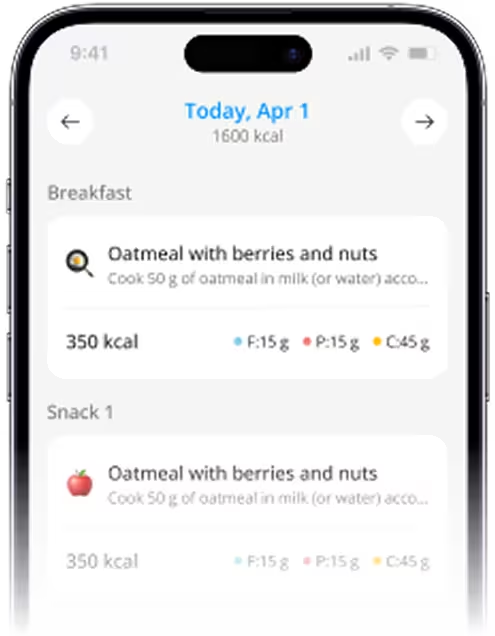
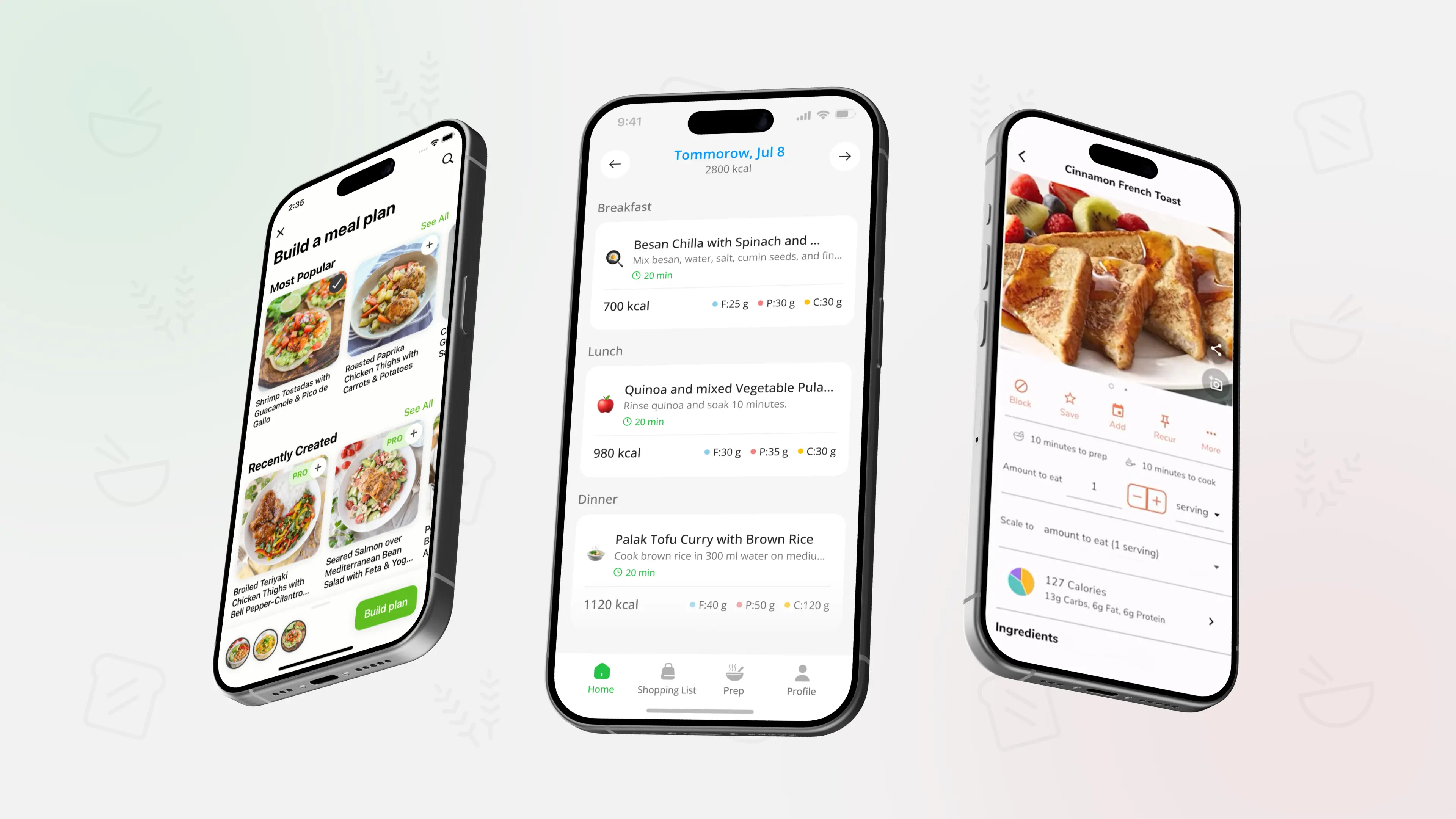
If you like this overall structure but do not want to build every week by hand, you can use PlanEat AI to create a Mediterranean style weekly meal plan and grouped grocery list around your goals, dislikes, and time limits so you start each week with a realistic plan instead of a blank page.
7 day Mediterranean 1500 calorie sample menu
Calories here are estimates and will vary with your exact portions and brands. Use this as a pattern, not a rigid rule.
Day 1 fish and beans focus
- Breakfast Greek yogurt with berries, a spoon of oats, and chopped walnuts.
- Snack Apple slices with a small spoon of peanut butter.
- Lunch Chickpea salad with cucumber, tomato, red onion, parsley, olive oil, and lemon, plus a slice of whole grain bread.
- Dinner Baked salmon with roasted zucchini and bell peppers, plus a small serving of boiled or roasted potatoes.
Day 2 classic grains and vegetables
- Breakfast Oatmeal cooked with milk or fortified plant milk, topped with sliced banana and a sprinkle of pumpkin seeds.
- Snack A small handful of almonds.
- Lunch Whole grain pita stuffed with hummus, lettuce, tomato, cucumber, and grated carrot.
- Dinner Chicken breast or thighs braised with tomatoes, onions, and olives, served with a side of brown rice and green beans.
Day 3 vegetarian emphasis
- Breakfast Whole grain toast topped with ricotta or cottage cheese and sliced strawberries.
- Snack Carrot sticks with a small portion of hummus.
- Lunch Lentil soup with vegetables and a slice of whole grain bread.
- Dinner Stuffed bell peppers with a mixture of quinoa, black beans, diced vegetables, herbs, and a little cheese.
Day 4 pasta night, Mediterranean style
- Breakfast Greek yogurt with sliced pear and chopped pistachios.
- Snack A small orange.
- Lunch Mediterranean grain bowl with farro or brown rice, roasted vegetables, chickpeas, and a drizzle of olive oil and lemon.
- Dinner Whole wheat pasta with tomato sauce, olive oil, garlic, herbs, and a moderate amount of grated cheese, plus a side salad with mixed greens and cucumber.
Day 5 tuna and potatoes
- Breakfast Smoothie with milk or plant milk, frozen berries, a spoon of oats, and ground flaxseed.
- Snack A few whole grain crackers with a slice of cheese.
- Lunch Tuna salad made with olive oil instead of heavy mayo, mixed with celery and herbs, served on whole grain toast with tomato slices.
- Dinner Baked white fish with a tray of roasted potatoes, carrots, and broccoli tossed in olive oil and spices.
Day 6 beans, eggs, and vegetables
- Breakfast Two eggs scrambled with spinach and tomato, plus a slice of whole grain toast.
- Snack Grapes or another small portion of fruit.
- Lunch White bean and vegetable stew with tomatoes, onions, and greens, plus a small piece of crusty whole grain bread.
- Dinner Grilled or baked chicken with a side of bulgur wheat and a salad of cucumber, tomato, and parsley.
Day 7 flexible weekend pattern
- Breakfast Greek yogurt parfait with fruit, a small amount of granola, and chopped nuts.
- Snack Sliced cucumber and bell pepper with hummus.
- Lunch Leftover stew, grain bowl, or soup from earlier in the week, topped with fresh herbs.
- Dinner Shrimp or tofu sautéed with garlic, olive oil, and vegetables, served over whole grain couscous or quinoa, plus a side salad.
If you want a Mediterranean plan that focuses more on food variety and less on calorie targets, you can also use Mediterranean Diet: 7-Day Menu + Grocery List as a sister guide and mix ideas from both articles.
Grocery list for this 7 day Mediterranean plan
Use this as a base template. Adjust quantities and specific items for your household and preferences.
Produce
- Leafy greens spinach, mixed salad greens, possibly kale or arugula
- Tomatoes fresh and canned
- Cucumbers and bell peppers
- Zucchini and eggplant if you enjoy them
- Carrots, celery, onions, and garlic
- Potatoes and sweet potatoes
- Lemons
- Fresh herbs like parsley or basil
- Fruit for breakfasts and snacks such as berries, apples, oranges, pears, bananas, and grapes
Grains and starches
- Oats
- Brown rice or other whole grains like quinoa, farro, or bulgur
- Whole grain pasta
- Whole grain bread or pitas
- Whole grain crackers
- Couscous (preferably whole wheat if available)
Protein foods
- Canned chickpeas, black beans, and white beans
- Dry lentils
- Canned tuna or salmon
- Fresh or frozen fish (salmon, cod, another white fish, or shrimp)
- Chicken breasts or thighs
- Eggs
- Plain Greek yogurt or similar cultured dairy
- Cheese in modest amounts, such as feta or Parmesan
Healthy fats and extras
- Extra virgin olive oil
- Nuts and seeds such as almonds, walnuts, pistachios, pumpkin seeds, and flaxseed
- Peanut butter or another nut butter
- Hummus
- Tomato paste, herbs, and spices such as oregano, basil, cumin, paprika, chili, and curry blends
If you are setting up your kitchen from scratch, Pantry Staples: Build a Healthy Kitchen (Practical Checklist) can help you round out oils, grains, beans, and spices so you always have Mediterranean friendly basics at home.
Once you see which Mediterranean breakfasts, lunches, and dinners you enjoy and which groceries you buy often, you can save this pattern as a reusable plan in PlanEat AI. The app will build future weekly menus and grouped grocery lists around that structure so you mostly tweak details instead of rebuilding from zero.
How to adapt this plan to your body and routine
A fixed 1500 calorie target is not right for everyone. Age, sex, height, weight, activity level, and health conditions all affect your needs.
Ways to adjust without losing the Mediterranean feel:
- If you feel very hungry, add a little more protein or healthy fat at meals or an extra snack.
- If you are more active, increase grain or potato portions, or add another serving of beans or lentils.
- If you are smaller, older, or less active and feel too full, you can slightly reduce portion sizes.
- If you eat out, keep the same pattern vegetables, protein, and smart carbs with olive oil where possible.
For people whose main goal is weight loss, the detailed structure in 7-Day Weight Loss Meal Plan (With Shopping List) can give more context on how to think about portions and changes over several weeks, not just one.
If you use leftovers for lunches, pairing this Mediterranean plan with the mindset from Using Leftovers Smartly: Plan, Cook, Re-use can help you avoid waste and reduce cooking time.
Always remember that any calorie number is an estimate. If you have medical conditions, take medications that affect appetite, or are unsure what intake is safe for you, personal guidance from a professional is important.
FAQ 7 day Mediterranean 1500 calorie plan
Is 1500 calories safe for everyone
No. For some adults, especially larger or more active people, 1500 calories can be too low and may lead to fatigue, strong hunger, or nutrient gaps. For others it might be reasonable. This plan is an educational example, not a medical recommendation. Check with a doctor or registered dietitian before following a specific calorie target, especially if you have health conditions.
Can I follow this Mediterranean plan if I am vegetarian
Yes. You can replace fish and poultry with beans, lentils, tofu, or tempeh while keeping the same structure of vegetables, whole grains, and healthy fats. Make sure you include enough plant based protein and consider fortified foods for nutrients like B12 and calcium if you avoid dairy.
What if I feel hungry on 1500 calories
First, make sure your meals follow the protein plus fiber pattern, which helps with fullness. If you are still hungry most days, you may need more calories. Try adding a bit more whole grains, beans, or healthy fats and watch how your energy, weight, and hunger change over a couple of weeks.
Can I have dessert or wine on this plan
Small portions of dessert or a glass of wine can fit occasionally, but they still count toward your overall calorie intake. If you include them, you may need to adjust portions elsewhere. The Mediterranean style is more about long term patterns than strict daily rules, so focusing on mostly balanced, home cooked meals matters more than perfection.
How long can I stay on a 1500 calorie Mediterranean plan
There is no fixed time limit, but long term use should only happen if it fits your energy, health, and hunger levels. For many people it is more realistic to treat this as a short term structure or as inspiration for a slightly higher calorie Mediterranean pattern that feels sustainable.
Educational content only - not medical advice.
A realistic 1500 calorie Mediterranean pattern
This 7 day Mediterranean style plan uses vegetables, beans, fish, whole grains, and olive oil to create filling meals around 1500 calories per day. Use it as a flexible template, adjust portions to your needs, and keep the same protein plus fiber rich pattern even when you swap ingredients or eat out.

.webp)
.webp)

.webp)
.webp)
.webp)
%20(2026).webp)
.webp)
.webp)
.webp)
%20(2026).webp)
.webp)
%20(2026).webp)
.webp)
.webp)
.webp)
%20Quick%20Ideas%20(2026).webp)
.webp)
.webp)
.webp)
%20Simple%20Staples%20(2026).webp)
.webp)


.webp)
.webp)
.webp)
_.webp)
_.webp)


.webp)
_webp.webp)
_.webp)
_.webp)
_webp.webp)
.webp)
.webp)
_%20What%20to%20Buy%20When%20(2026)_.webp)
_.webp)
webp.webp)
_.webp)
.webp)
.webp)
.webp)
.webp)
.webp)
.webp)


.webp)
.webp)
.webp)
.webp)
.webp)
.webp)

.webp)
.webp)
%20%2B%207%E2%80%91Day%20Menu.webp)
.webp)


.webp)




.webp)
.webp)
.webp)
.webp)