Eating and Exercise: A Simple Way to Pair Them (2026)
_.webp)
TL;DR: You do not need macro math to fuel workouts well. Keep protein steady every day, use carbs more intentionally around training, and rely on a few repeatable meal templates that fit your schedule.
A practical pairing mindset for real life
Pairing eating and exercise works best when it reduces decisions, not when it adds rules. Most people feel tired or inconsistent because meals are skipped, snacks replace real food, or workouts happen after long gaps without eating.
The simple goal is consistency across the week. You want enough protein and overall food to recover, plus smarter carb timing on the days you train.
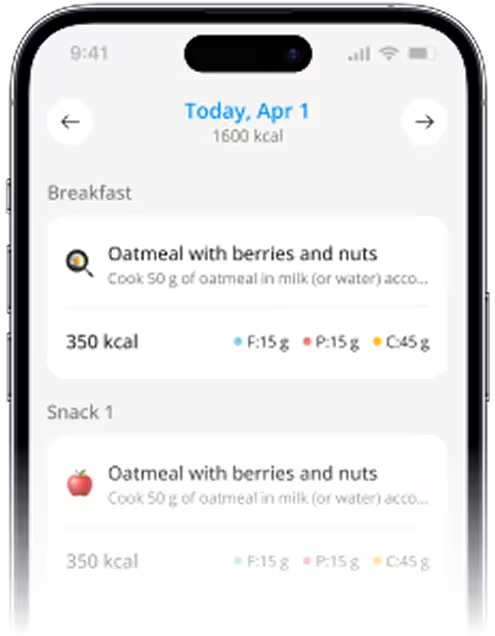
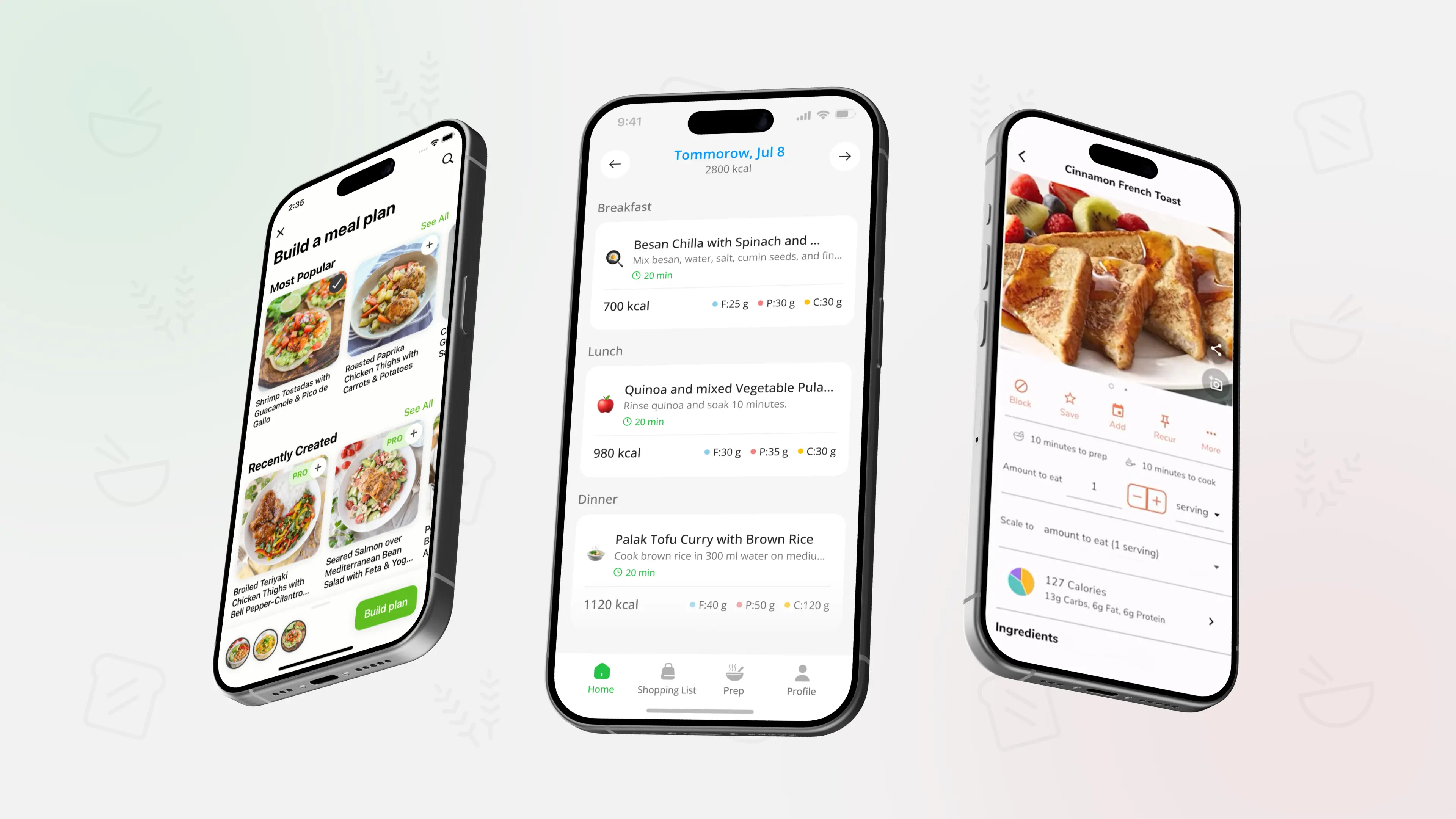
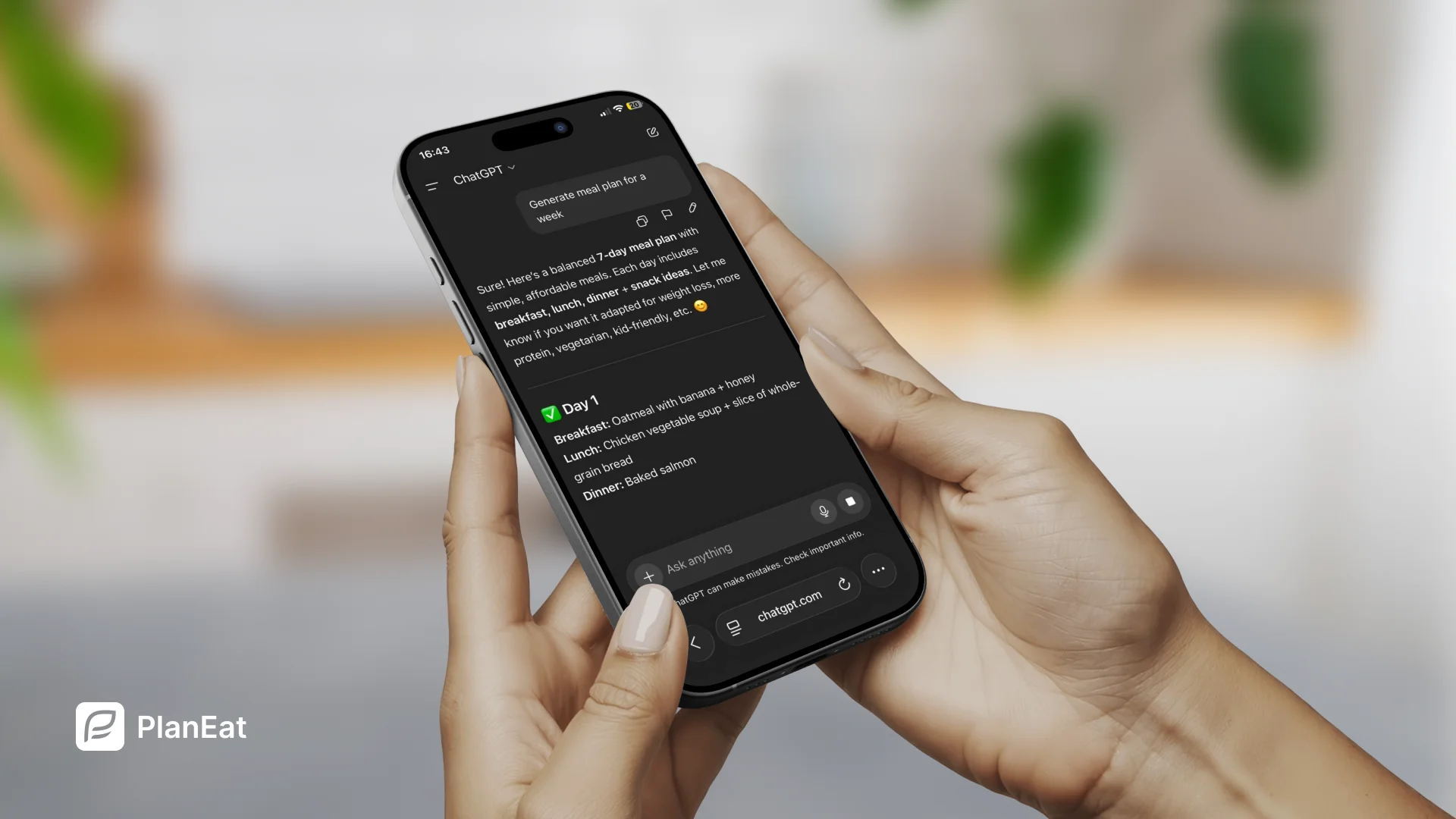
If you want a weekly routine without tracking, PlanEat AI generates a weekly meal plan and a grouped grocery list personalized to your goals, dislikes, cooking time, and basic restrictions, with simple meal swaps when a recipe does not fit your day.
Before you work out: a simple pre-workout plan
A good pre-workout meal is mostly about comfort and timing. You want energy that lasts, and you want food that sits well in your stomach.
Use these easy rules:
- If you have 2 to 3 hours: eat a normal meal with protein plus carbs, and keep fats moderate.
- If you have 30 to 60 minutes: go smaller and simpler, usually carbs plus a little protein.
- If you train first thing and hate eating early: train, then prioritize a real breakfast afterward.
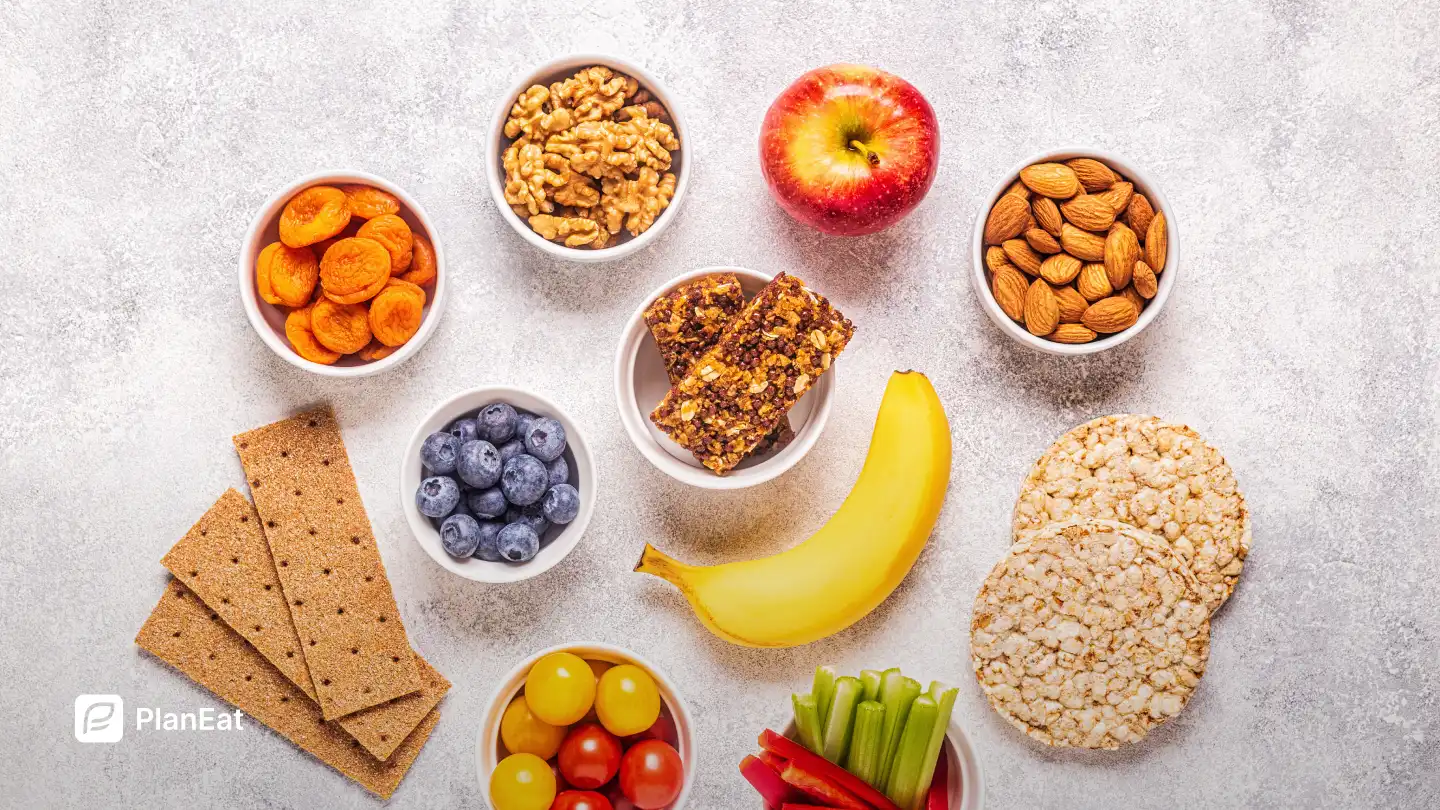
Practical pre-workout options from a regular grocery store:
- Greek yogurt plus fruit
- Eggs plus toast
- A turkey sandwich on whole grain bread
- Leftover chicken and rice
- A banana plus a small serving of cottage cheese
Portions do not need to be precise. If you want a no-scale way to keep meals balanced, the shortcuts in Portion Control Made Easy (No Scale Needed) can help you stay consistent without overthinking.
After you work out: recovery without overthinking
Post-workout eating is where many people either under-eat or overdo it. The simplest target is a regular meal that includes protein, carbs, and some produce.
A practical plate formula:
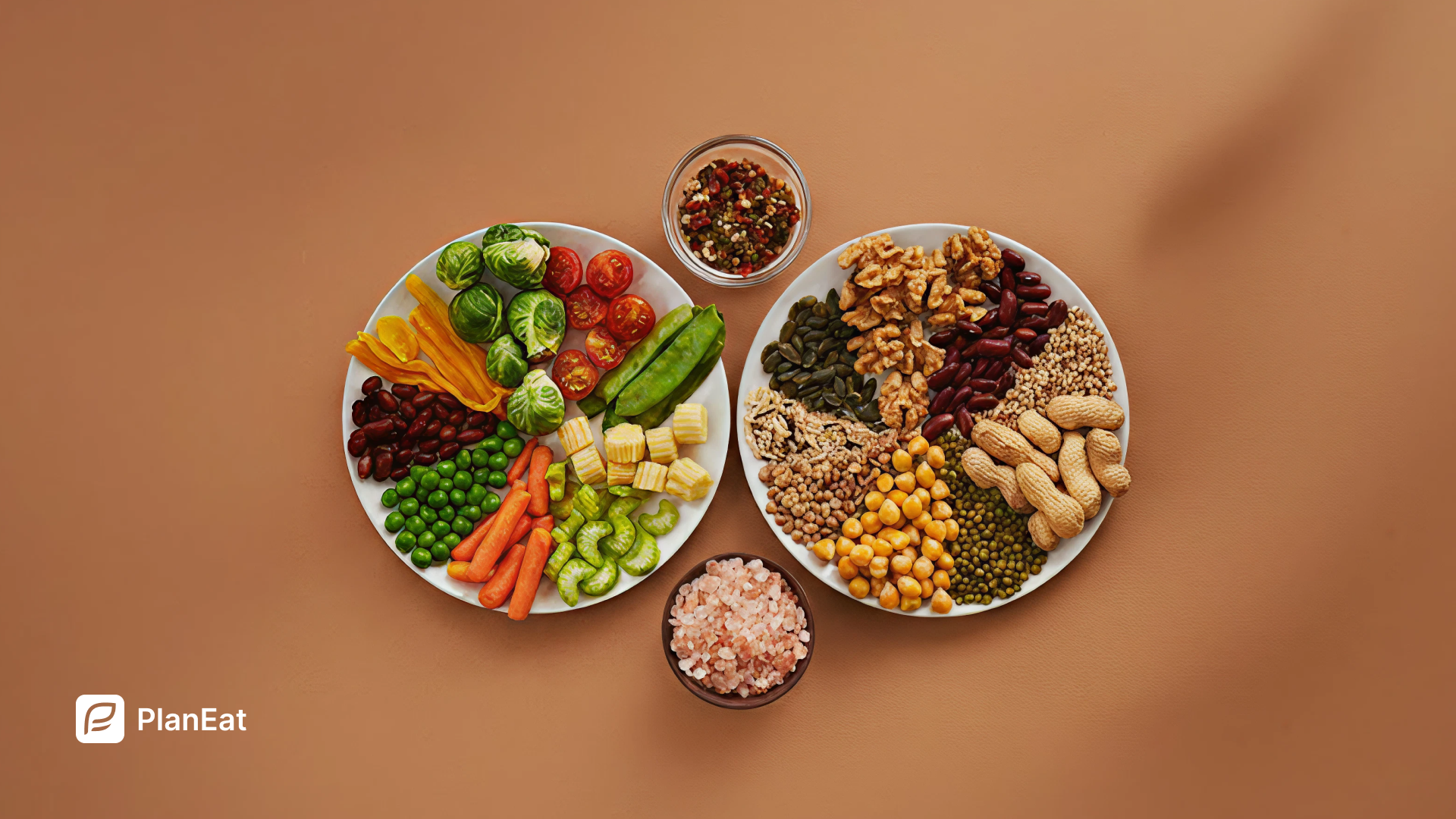
- Protein: chicken, eggs, tofu, beans, Greek yogurt, fish
- Carbs: rice, potatoes, oats, whole grain bread, fruit
- Produce: any veggie you will actually eat
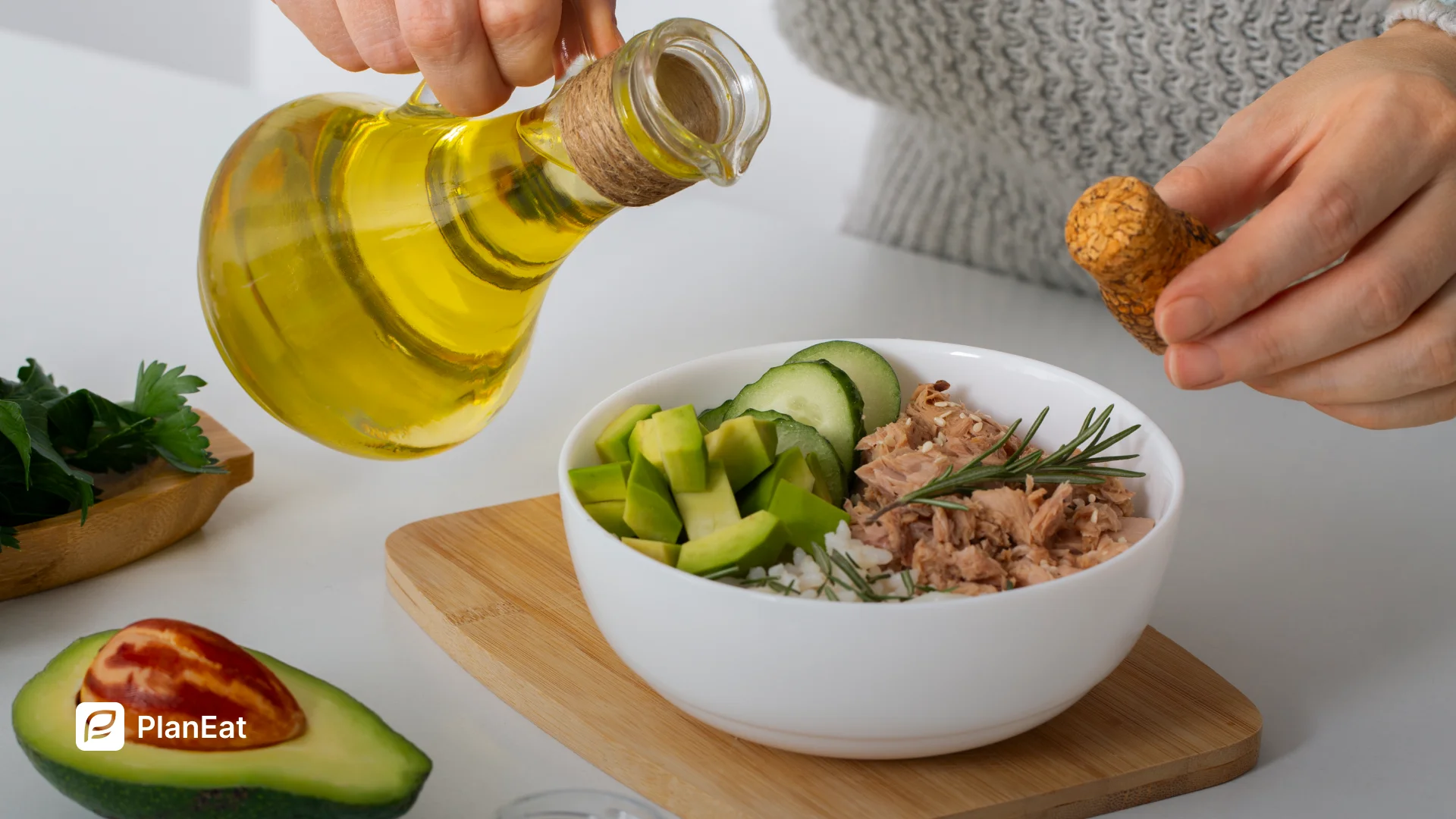
- Fat: a small amount of olive oil, avocado, nuts, or a sauce
If you train late and dinner gets pushed back, a small snack can bridge the gap. Pick something that is still food, not just sugar, like yogurt plus fruit or a sandwich half.
Rest days and light activity: keep the base, adjust the dial
Rest days are still recovery days. You do not need a separate diet, but you might not need the same carb timing as a hard training day.
Keep protein steady and adjust carbs based on appetite and movement. Many people do best with the same meals, just slightly smaller carb portions and more volume from vegetables and higher fiber foods.
Simple rest-day ideas:
- Big salad plus chicken or tofu and a side of potatoes
- Chili with beans and a small portion of rice
- Omelet with veggies and whole grain toast
- Yogurt bowl with fruit and chia or ground flax
If your routine is new, start with the basics first and keep the changes small. Meal Planning Basics: How to Start (Beginner Guide) is a good foundation so you do not try to fix everything at once.
Weekly shortcut: pair meals with your schedule
Most “fueling” problems are actually planning problems. When you know when you train, you can place meals around it and avoid the long gaps that lead to low energy and random snacking.
Try this weekly setup:
- Pick 2 proteins you will repeat (example: chicken and Greek yogurt, or tofu and eggs).
- Pick 1 main carb you can portion easily (example: rice or potatoes).
- Pick 2 produce anchors (one that roasts well, one that works raw or quick cooked).
- Assign training-day meals: a carb-forward meal before training and a balanced meal after.
- Keep rest-day meals similar, just slightly lighter on carbs if appetite is lower.
If you need a faster way to assemble a week without feeling like you are meal prepping for hours, Quick Meal Planning: Build a 30-Minute Weekly Plan is a practical approach.
Once you find a structure that works, PlanEat AI helps you save a plan as reusable and swap meals quickly while keeping a steady base of repeatable protein and fiber across the week.
FAQ
Do I need to eat more on training days?
Not always, but many people do need better timing on training days. A meal with protein and carbs before and after training often improves performance and reduces late-night hunger. Pay attention to energy and recovery, not just the scale.
What should I eat if I work out at night?
Do not rely on small snacks all day and then train. Plan a real meal 2 to 3 hours before, or a lighter carb plus protein option 30 to 60 minutes before if that is all you can manage. After training, aim for a normal dinner with protein and carbs.
Can I lose weight and still eat carbs around workouts?
Often, yes. Many people feel better and train more consistently when they keep carbs around training, even while aiming for weight loss. The key is overall consistency, protein, and choosing mostly slow carbs the rest of the day.
How do I know if I am under-fueling?
Common signs are workouts that feel unusually hard, frequent cravings, low energy, and getting very hungry late at night. If that sounds familiar, start by adding a real pre- or post-workout meal and keeping protein consistent for a full week.
The simplest pairing rule
Keep protein consistent every day, then use carbs more intentionally around training. When your meals follow a repeatable weekly structure, energy feels steadier and workouts become easier to support without tracking.

.webp)
.webp)
.webp)
%20(2026).webp)
.webp)
%20(2026).webp)
.webp)
.webp)
.webp)
%20Quick%20Ideas%20(2026).webp)
.webp)
.webp)
.webp)
%20Simple%20Staples%20(2026).webp)
.webp)


.webp)
.webp)
.webp)
_.webp)
_.webp)


.webp)
_webp.webp)
_.webp)
_webp.webp)
.webp)
.webp)
_%20What%20to%20Buy%20When%20(2026)_.webp)
_.webp)
webp.webp)
_.webp)
.webp)
.webp)
.webp)
.webp)
.webp)
.webp)

.webp)
.webp)
.webp)
.webp)

.webp)
.webp)

.webp)
.webp)
%20%2B%207%E2%80%91Day%20Menu.webp)
.webp)


.webp)
.webp)



.webp)
.webp)
.webp)
.webp)
%20iOS%20Focus.webp)
.webp)
.webp)
.webp)
.webp)
.webp)