Stress & Emotional Eating: How to Stop

TL;DR: Stress and emotional eating are not signs that you are weak. They are habits where food becomes a fast way to cope with feelings, boredom, or pressure. You do not need to remove comfort foods completely. Instead, notice your triggers, build a basic meal structure, add a few non food coping tools, and put simple rules around snacks and treats so food is not your only way to handle emotions.
Why stress and emotions send you to the kitchen
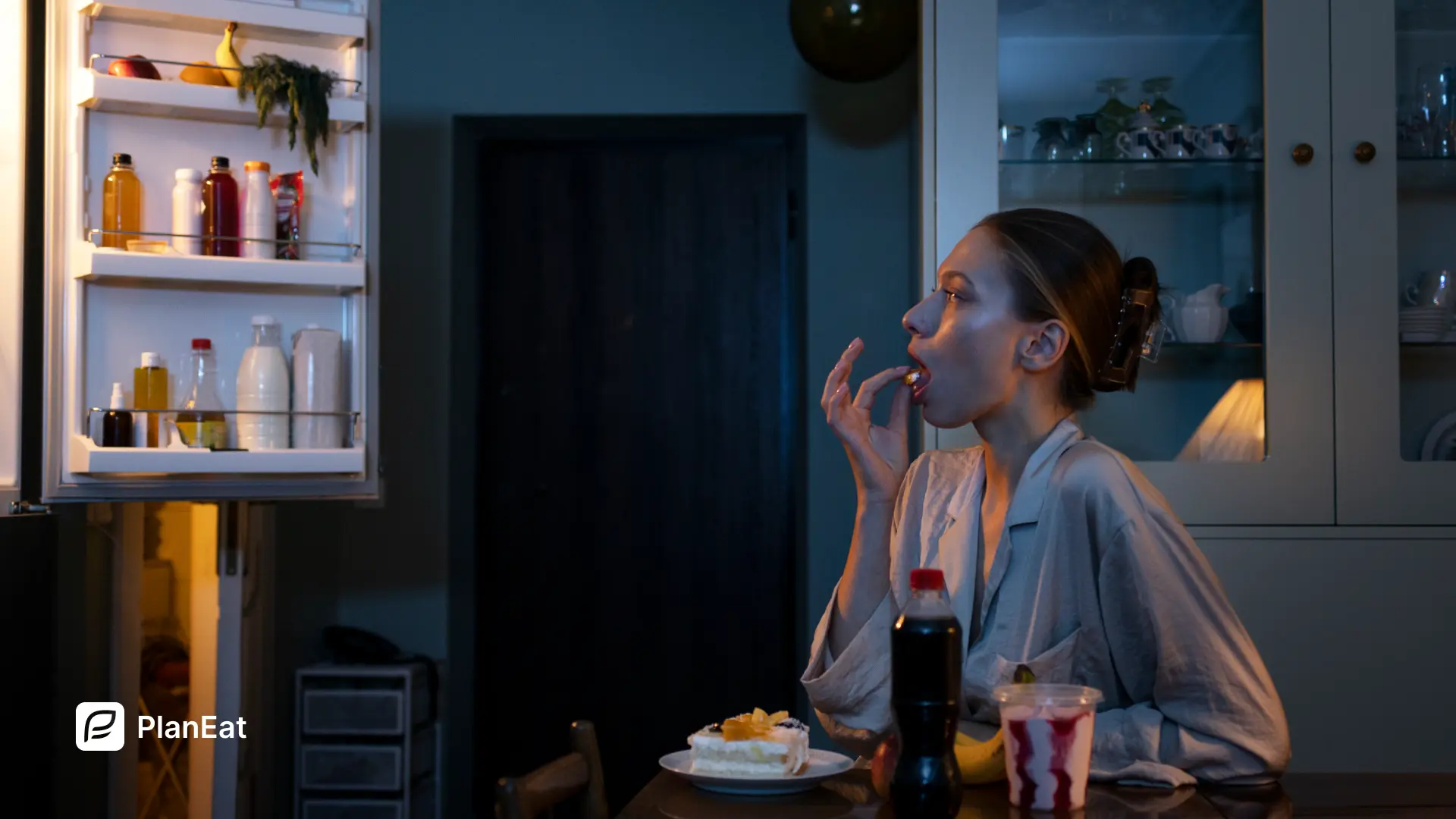
When you feel stressed, lonely, bored, or overwhelmed, your brain looks for fast relief. Food is quick, legal, and available. Over time, the brain learns to connect certain feelings with certain foods.
Common signs of emotional eating:
- You start eating suddenly without much physical hunger.
- You usually reach for specific comfort foods like sweets or salty snacks.
- Eating feels urgent at the start and numb in the middle.
- You often feel guilty or regretful right after.
You do not need to get rid of all emotional eating at once. The goal is to break the automatic loop and give yourself more options.
If you want gentle tools that help you slow down during meals themselves, you can add practices from Mindful Eating: Simple Exercises to Slow Down while you work on the steps below.
Step 1: Notice your triggers and patterns
You cannot change what you do not see. The first step is to map out when emotional eating tends to happen.
Look for patterns in:
- Time of day, such as late evenings or right after work.
- Places, like the couch, desk, or car.
- Emotions, including stress, anger, sadness, loneliness, or boredom.
- Situations, such as difficult emails, arguments, or deadlines.
- Foods, like a specific dessert, snack, or drink that you always crave.
For one week, keep a simple log. When you notice an episode, jot down what you felt just before, what you ate, and how you felt after. No judgment, just data. That short list often shows you which situations you need to handle differently.
Step 2: Build a basic eating structure so you are not starving
It is much harder to resist emotional eating when you are genuinely hungry. Under eating during the day often sets up overeating at night.
Aim for:
- Two or three regular meals most days.
- One planned snack if afternoons are always tough.
- A clear protein source and some fiber at each meal.
A simple plate pattern makes this easier. If you need a reminder of what balanced meals look like, use Healthy Eating Basics: Build a Balanced Plate as your base and then layer emotional eating work on top.
You do not need to be perfect. An eighty to ninety percent balanced pattern is usually enough to calm physical hunger so you can see where emotions start to drive eating.
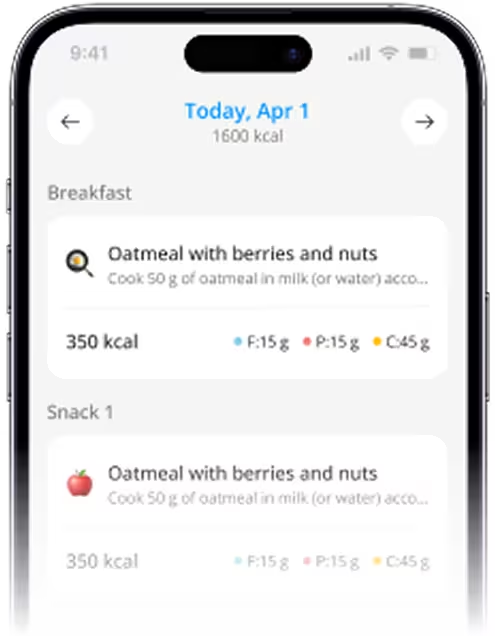
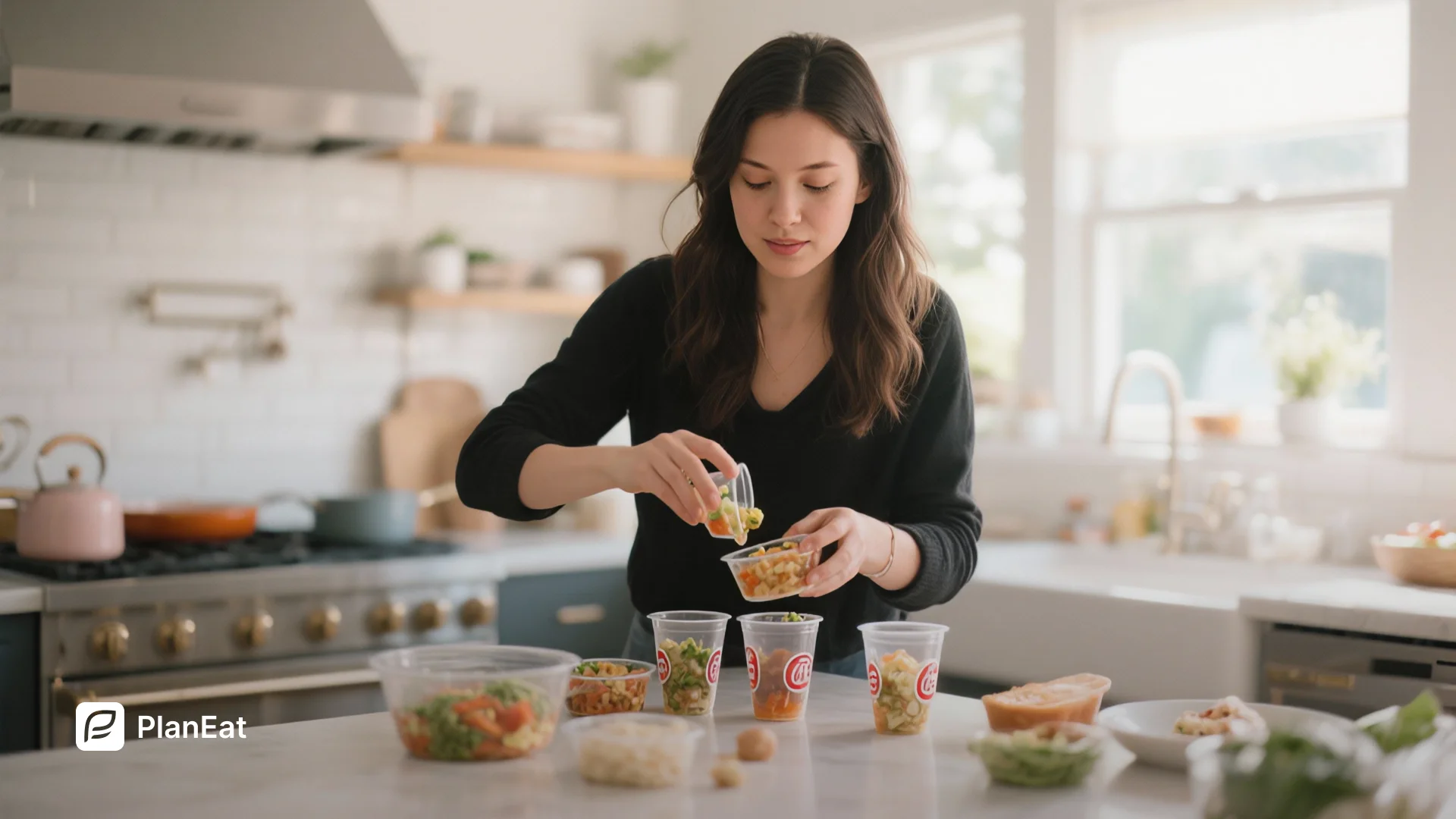
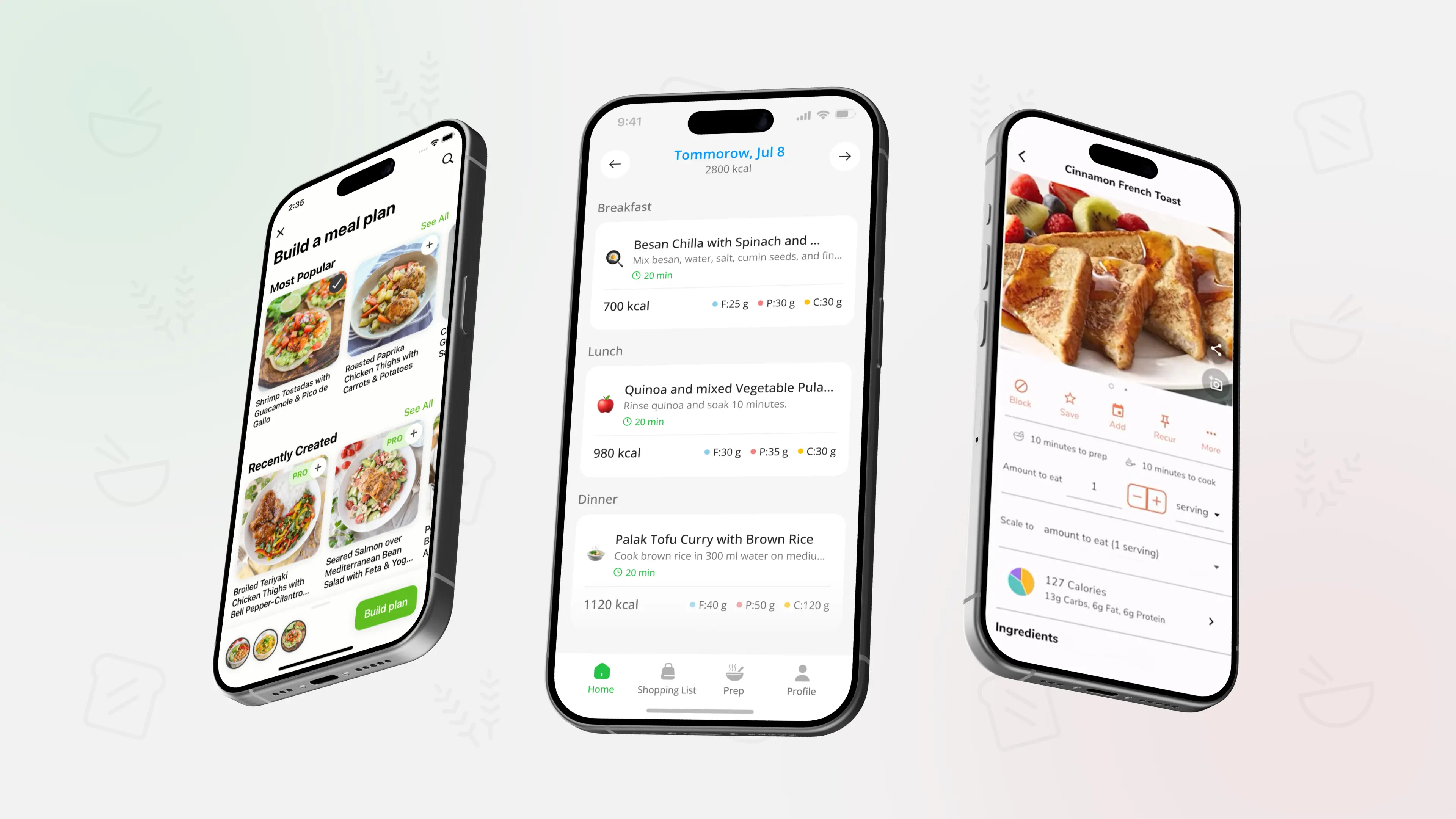
If deciding what to eat in the moment makes stress eating worse, you can use PlanEat AI to create a weekly meal plan and grouped grocery list that fits your goals and time limits. That way the default dinners and snacks are already chosen on calm days, and you are not trying to design a meal from scratch when you are tired or upset.
Step 3: Add non food coping options that actually feel doable
Telling yourself to simply have more willpower does not work. You need at least a few alternatives to eating that give some relief without using food.
You do not need a long list. Choose two or three options to try first:
- Take a short walk or stretch for five minutes.
- Step away to another room and breathe slowly for a minute.
- Write a quick note about what is bothering you.
- Text or call a friend for connection instead of heading to the kitchen.
- Take a warm shower or wash your face.
You are not banned from eating when stressed. The idea is to insert a small pause where you try one alternative first. If you still want food afterward, you can choose it more intentionally rather than in a rush.
If intense emotions often show up around food, mental health support from a therapist can be very important. This article focuses on general habits, not treatment of eating disorders.
Step 4: Create a simple snack and treat plan
Stress eating often shows up in snacks and desserts. Planning for them is more realistic than pretending you will never eat sweets.
Try this structure:
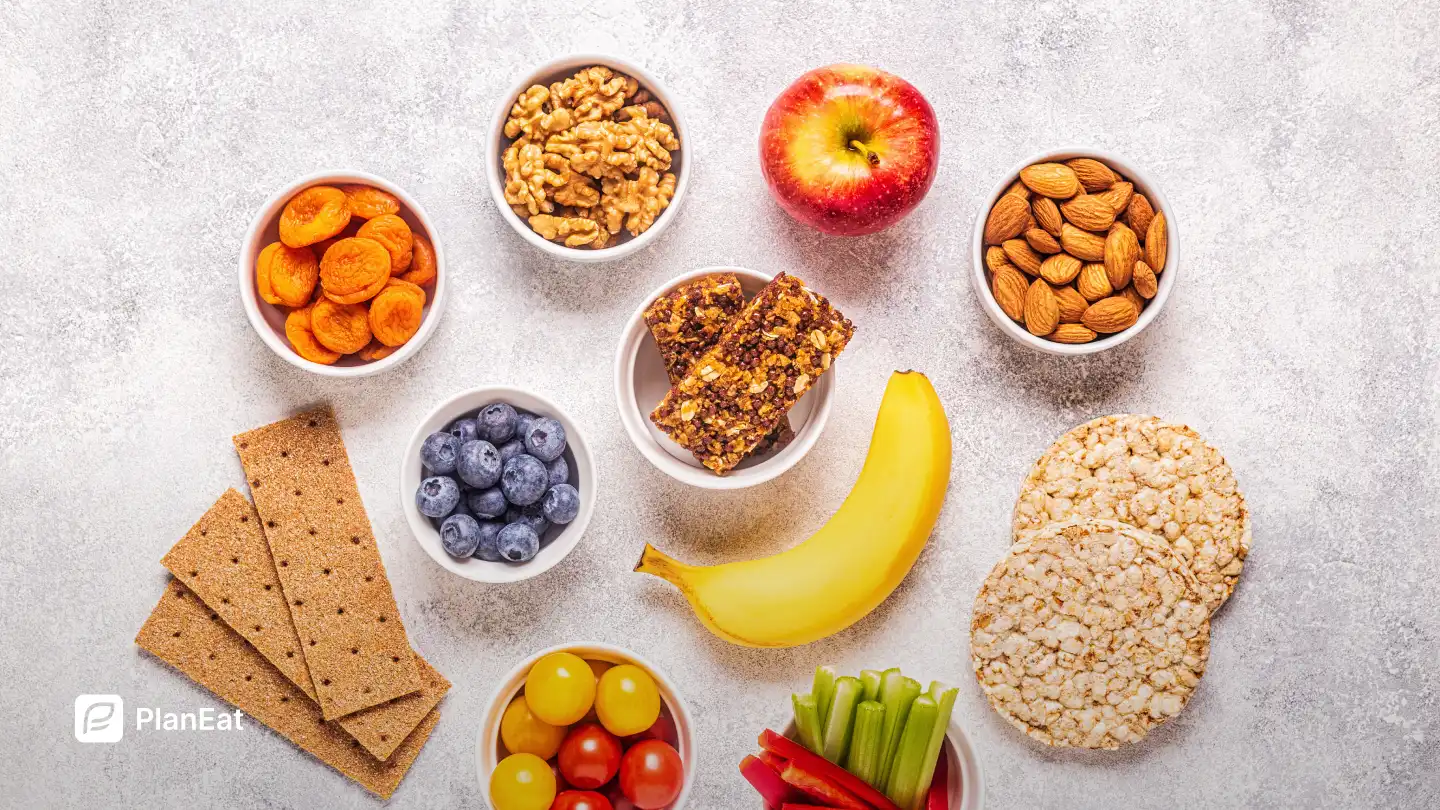
- Pick one or two everyday snacks that combine protein and fiber, such as yogurt with fruit or nuts with fruit.
- Decide in advance how many nights per week you want dessert.
- Keep portion friendly options at home and make larger, more intense desserts less convenient.
When sugar cravings are the main driver, strategies from How to Stop Sugar Cravings (Real-World Tips) can help you reduce the urge without cutting sugar completely.
You can still enjoy comfort foods. The shift is from random, frequent, stress driven snacking to planned, calmer treats inside an overall balanced pattern.
Step 5: Use mindful pauses during emotional eating moments
Mindful eating exercises help you catch the moment when a stressful urge turns into action.
Simple pause script:
- Notice the urge and label it quietly in your mind as "stress" or "boredom".
- Ask yourself what you are really hoping food will change in the next ten minutes.
- Take three slow breaths before you open a package or start the meal.
Once you discover breakfasts, lunches, dinners, and snacks that keep you steady on normal days, you can save them as reusable plans in PlanEat AI. On stressful days you fall back on these familiar structures and grouped grocery lists instead of building new meals while emotions are high.
Step 6: Plan for predictable stress times
Stress is not random. Many people see similar spikes week after week.
Common patterns:
- Sunday evenings before a new work week.
- Late afternoons during long meetings or deadlines.
- Evenings after kids go to bed.
For each predictable window, choose:
- One or two non food coping tools you will try first.
- One supportive snack or small treat that you will use if you still want to eat.
- One simple drink, often water or tea, to have on hand.
This turns emotional eating from a surprise into something you expect and plan around.
FAQ stress and emotional eating
How do I know if I am an emotional eater
If you often eat when you are not physically hungry, reach for food mainly when you feel stressed, sad, or bored, and feel guilt or regret after, emotional eating is likely part of your pattern. A simple trigger and feelings log for a week can make this clearer.
Is emotional eating always bad
Not every emotional snack is a problem. Using food for comfort sometimes is human. It becomes an issue when it is your main coping tool, you feel out of control, or it regularly gets in the way of your health goals.
What is the fastest way to stop stress eating at night
There is no instant switch, but combining a more filling dinner, a planned evening snack, and a non food wind down routine often helps. Turning off screens while you eat and using small mindful pauses can also reduce automatic grabbing of food.
Should I remove all sweets from my home to stop emotional eating
For some people, keeping fewer trigger foods at home is useful, but strict bans can backfire and increase cravings. A middle ground is to keep portion friendly options and make it slightly harder, but not impossible, to access more intense treats.
When is emotional eating a sign to seek professional help
If you frequently feel out of control with food, have episodes that look like binges, or notice strong shame and secretive behavior around eating, it is important to talk with a licensed health professional for individual support.
Educational content only - not medical advice.
Calmer patterns for stress and emotional eating
Emotional eating is a habit your brain learns, not a personal failure. By building a simple meal structure, adding a few non food coping tools, and planning snacks and treats on purpose, you can reduce automatic eating during stress and give yourself more ways to cope than food alone.

%20(2026).webp)
.webp)
.webp)
.webp)
%20Quick%20Ideas%20(2026).webp)
.webp)
.webp)
.webp)
%20Simple%20Staples%20(2026).webp)
.webp)



.webp)
.webp)
.webp)
_.webp)
_.webp)

.webp)
_webp.webp)
_.webp)
_.webp)
_webp.webp)
.webp)
.webp)
_%20What%20to%20Buy%20When%20(2026)_.webp)
_.webp)
webp.webp)
_.webp)
.webp)
.webp)
.webp)
.webp)
.webp)
.webp)

.webp)
.webp)
.webp)
.webp)

.webp)

.webp)

.webp)
.webp)
%20%2B%207%E2%80%91Day%20Menu.webp)
.webp)

.webp)
.webp)



.webp)
.webp)
.webp)
.webp)
%20iOS%20Focus.webp)
.webp)
.webp)
.webp)
.webp)
.webp)
.webp)
.webp)