Healthy Lunchbox Ideas (Fast & Nutritious)
.webp)
TL;DR: A healthy lunchbox does not need fancy recipes or special products. If you build lunches around protein, fiber rich carbohydrates, and produce, you can pack meals that travel well, keep you full, and use affordable staples. Treat these ideas as templates you can repeat, not as one time projects.
What a fast, nutritious lunchbox actually needs
A good lunchbox does a few things at the same time. It keeps you or your child full until the next meal, feels simple to pack on a busy morning, and does not rely only on sugar and white carbs.
Most balanced lunchboxes include:
- A clear protein source such as beans, lentils, eggs, tuna, chicken, tofu, cheese, or Greek yogurt.
- Fiber rich carbohydrates like whole grain bread, tortillas, rice, quinoa, pasta, or potatoes.
- Produce for color and volume, such as vegetables, fruit, or both.
- A small amount of healthy fat from nuts, seeds, avocado, or oils.
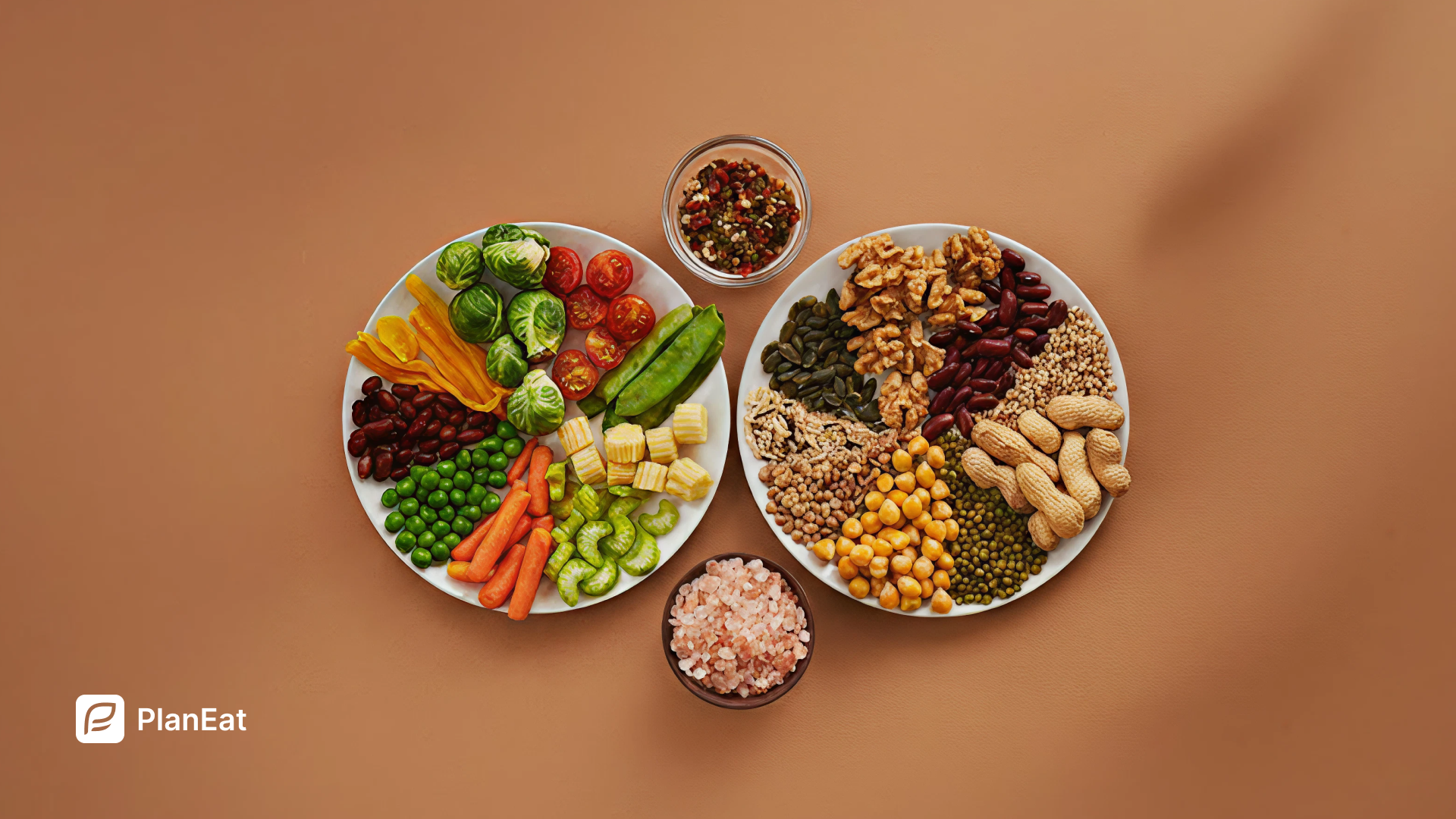
You can picture the main lunchbox item as a smaller version of a balanced plate. If you want a simple visual to guide your choices, you can start with Healthy Eating Basics: Build a Balanced Plate and then shrink that pattern to fit a lunchbox.
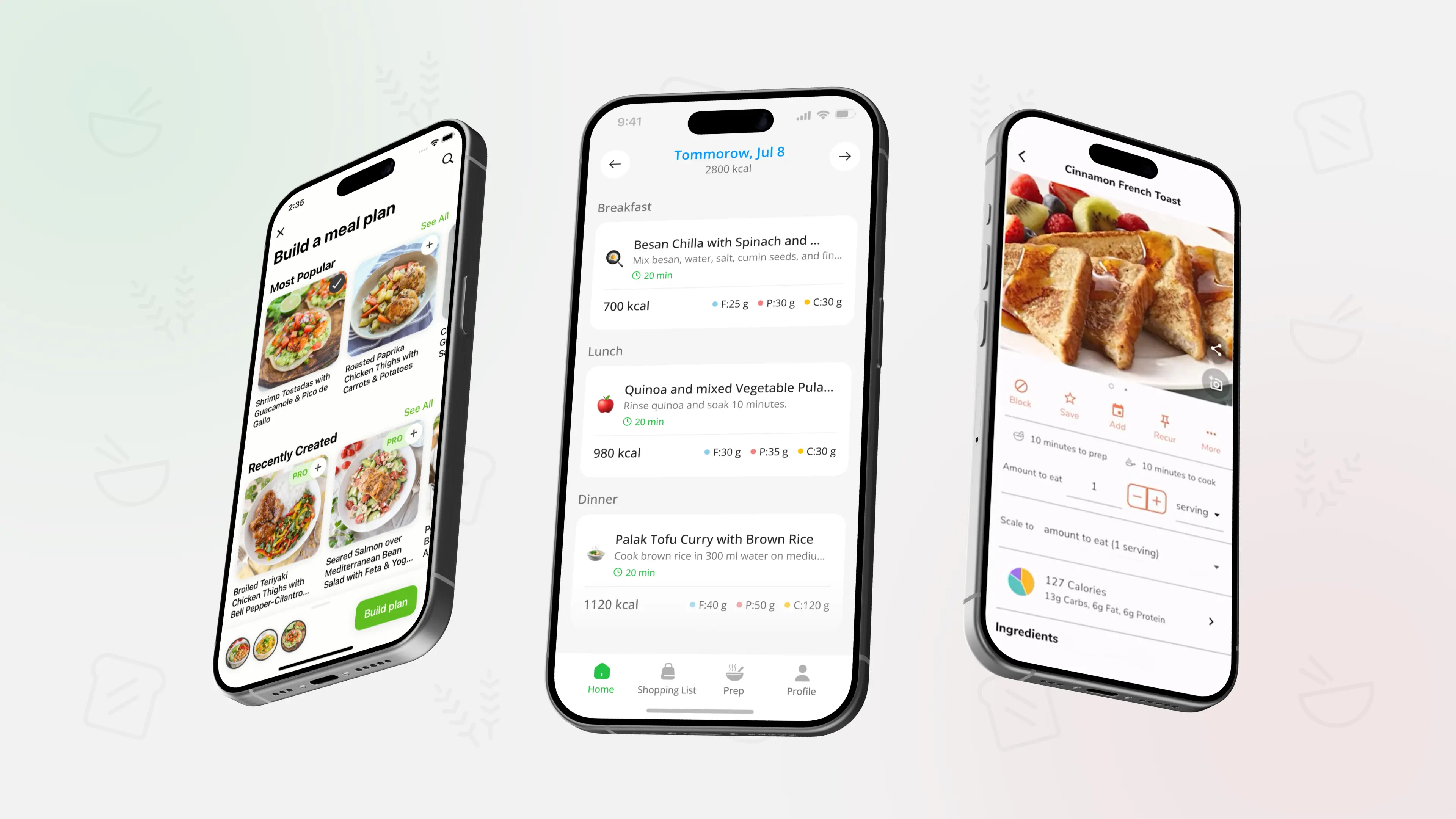
If you want lunchboxes to fit smoothly into your week without planning every day from scratch, you can use PlanEat AI to generate a weekly meal plan and grouped grocery list based on your goals, dislikes, and cooking time. Then you choose which meals work well packed in a box and keep those in rotation.
Simple rules for building healthy lunchboxes
Instead of thinking about dozens of different lunch ideas, focus on a few rules you can apply again and again.
Helpful structure:
- Start with protein so the lunch actually keeps you full.
- Add a fiber rich carbohydrate that feels satisfying.
- Add at least one fruit or vegetable for color and freshness.
- Keep very sugary items as small extras, not the base of the meal.
Questions to ask when you pack:
- Where is the protein.
- Where is the fiber.
- Where is the color.
If you want more detail on building fast, realistic midday meals using this same pattern, you can connect this article with Quick Healthy Lunch Ideas (Packable & Budget) and borrow combinations that fit into your containers.
Cold lunchbox ideas you can pack in minutes
These lunches are designed for situations where you do not reheat food at all. Adjust ingredients based on your taste, storage options, and any food safety guidance in your area.
Bean and grain salad box
- Base: leftover brown rice, quinoa, or another whole grain.
- Protein: canned chickpeas or black beans, rinsed and drained.
- Add: chopped cucumber, bell pepper, shredded carrots, or cherry tomatoes.
- Dressing: olive oil with lemon or vinegar, packed in a small container to add at lunch.
Pita pocket or wrap lunch
- Fill a whole grain pita or tortilla with hummus, sliced vegetables, and leftover chicken or beans.
- Add a side of fruit, such as an apple or grapes.
Tuna or white bean salad box
- Mix canned tuna or white beans with a little yogurt or olive oil and chopped celery or pickles.
- Pack with whole grain crackers and sliced vegetables.
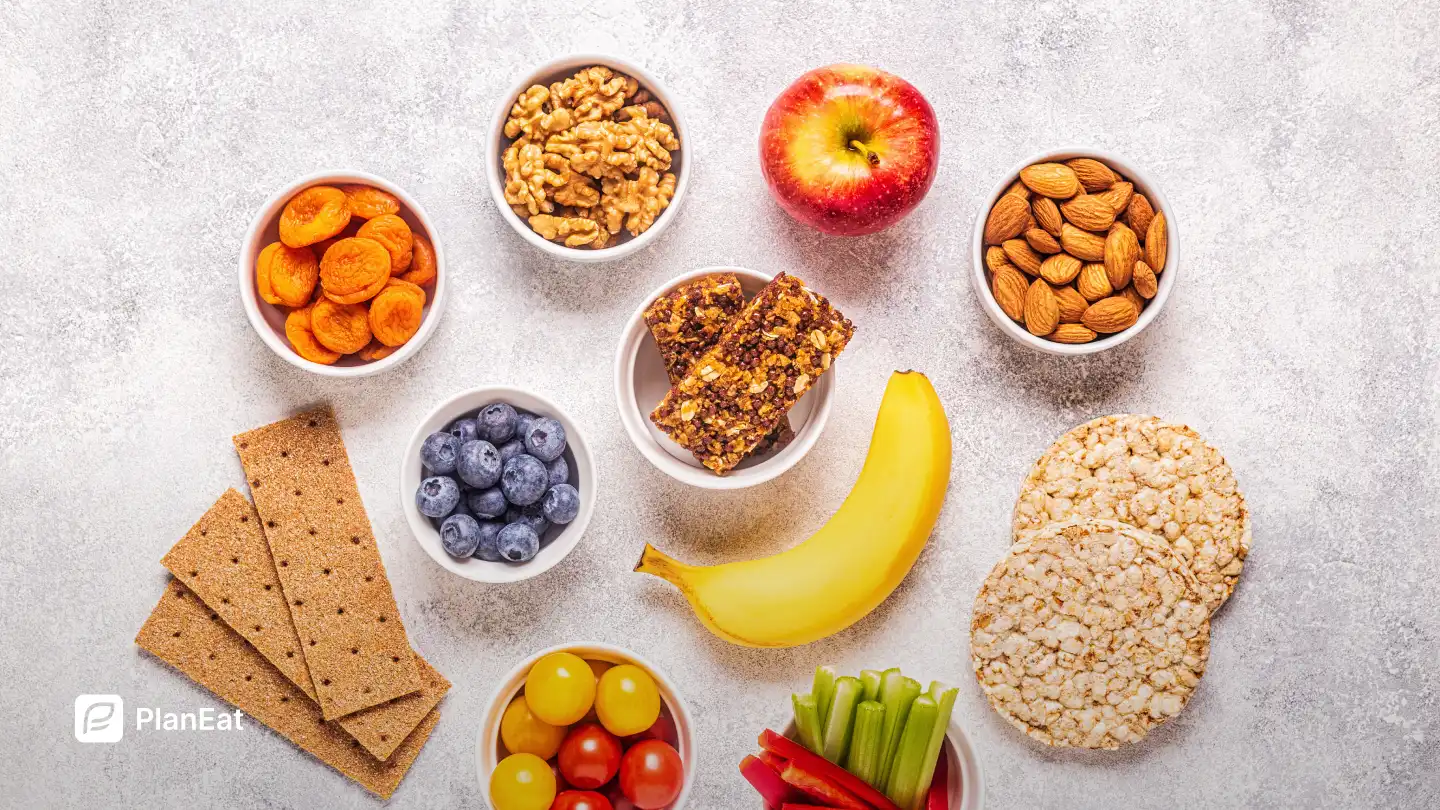
Snack style lunchbox
- Small portions of several items on one plate or container, for example:
- Cheese cubes or hummus.
- Whole grain crackers or bread.
- Fruit slices.
- Raw vegetables such as carrots or cucumbers.
Yogurt based lunchbox
- Greek yogurt in one container.
- Toppings in others, such as berries, a spoon of oats, and a few nuts or seeds.
- Add carrot sticks or a small sandwich on the side if you need more volume.
These ideas work for adults and older kids. For younger children, you can cut items smaller and adjust textures or seasonings as needed.
Warm lunchbox ideas when reheating is an option
If you or your child can reheat food safely at school or work, leftovers can be your best lunchbox tool.
Ideas that usually travel and reheat well:
- Grain bowls with rice, beans, vegetables, and chicken or tofu.
- Pasta with tomato sauce, vegetables, and beans or lentils.
- Bean chili or vegetable stew in a thermos style container.
Tips for making leftovers lunch friendly:
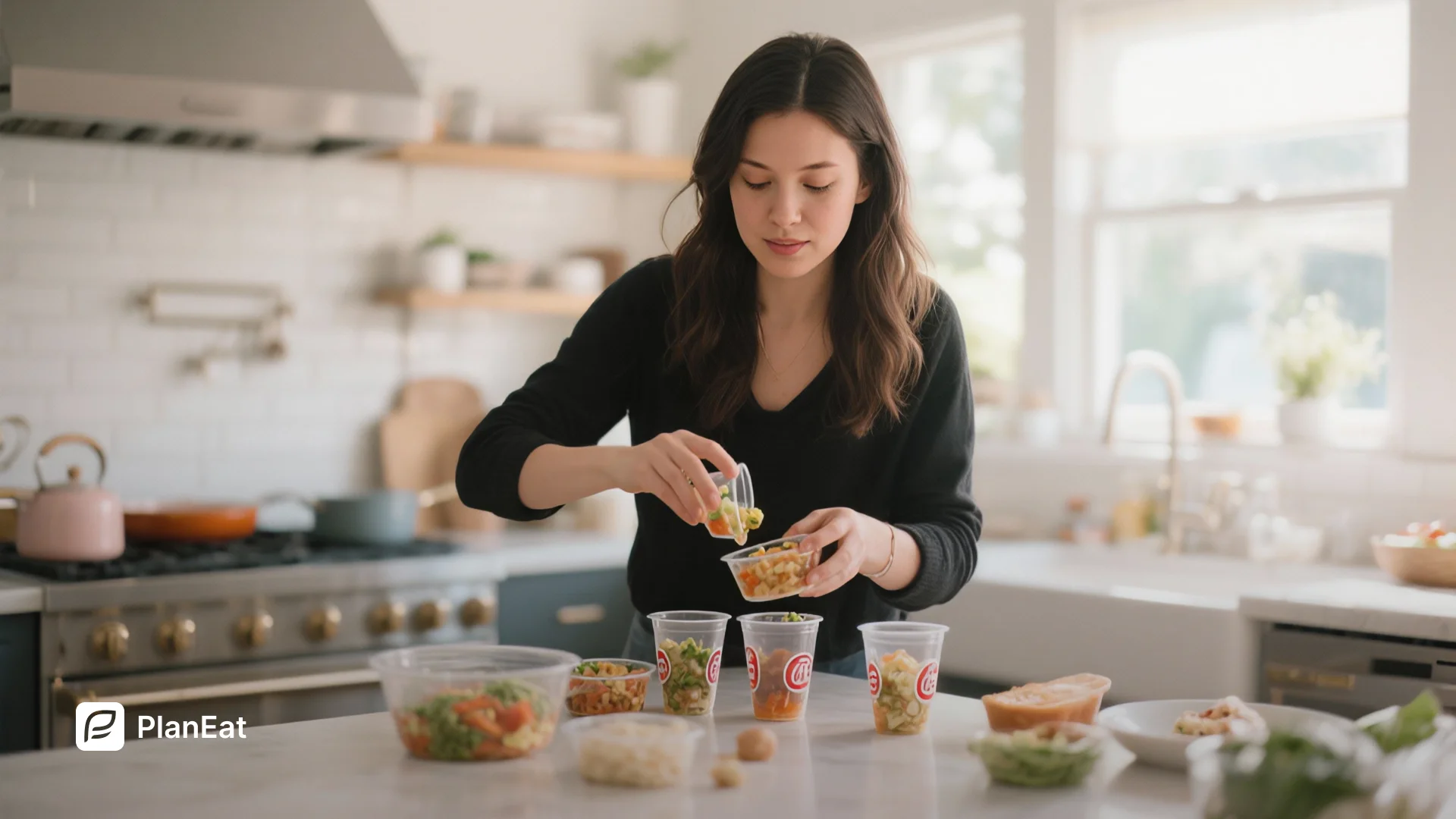
- Cook a slightly larger portion of dinner so you have one or two lunches ready.
- Pack reheatable items in microwave safe containers with a separate section for fresh vegetables or salad.
- Use sauces that hold up well, such as tomato based sauces or light olive oil dressings.
You do not need to cook separate lunch specific recipes. A simple habit of packing a portion of dinner before you serve can turn many evening meals into easy lunchboxes.
Budget friendly lunchbox planning and shopping
Healthy lunchboxes can be much cheaper than buying food out, especially when you rely on staples and repeat patterns.
Practical tips:
- Base lunches on affordable protein sources like beans, lentils, eggs, canned fish, and occasional chicken.
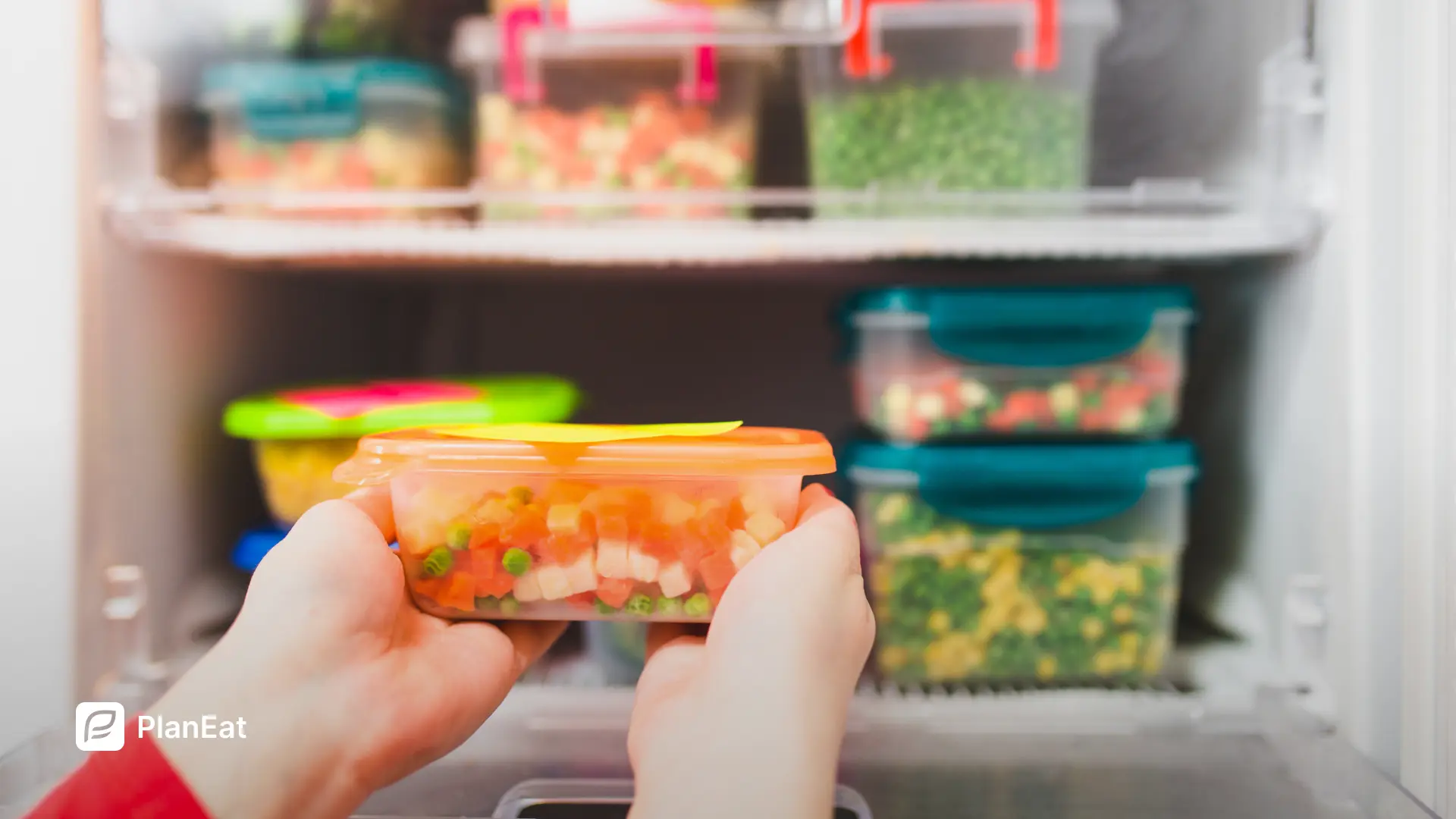
- Use frozen vegetables and seasonal produce to control cost.
- Reuse the same ingredients across different lunch templates during the week.
- Pack water or simple drinks instead of sugary beverages.
If you want more structured ideas for saving money while still eating well, you can use Healthy Eating on a Budget: 24 Practical Tips as a companion guide and apply its suggestions directly to your lunchbox plan.
A short weekly planning session also helps. Looking at your calendar, choosing three or four lunchbox ideas to repeat, and writing a focused grocery list can reduce food waste and last minute decisions.
Once you know which lunchbox combinations travel well, fit your budget, and actually get eaten, you can save them as part of your favorite weekly patterns in PlanEat AI. The app keeps your structure and grouped grocery list in one place so those lunches show up automatically when you plan your week.
Example 3 day healthy lunchbox mini plan
Use this as a starting point and adjust portions and ingredients based on your needs, storage options, and any guidance from your healthcare provider.
Day 1:
- Main: Bean and grain salad box with brown rice, black beans, chopped vegetables, and a simple vinaigrette.
- Sides: An apple and a small handful of nuts.
Day 2:
- Main: Whole grain pita with hummus, lettuce, and leftover chicken or beans.
- Sides: Carrot sticks and a piece of fruit.
Day 3:
- Main: Leftover pasta with tomato sauce, lentils, and mixed vegetables in a reheat safe container.
- Sides: Cucumber slices and a small yogurt with berries.
If you like this type of pattern, you can zoom out to a full week using How to Build a Weekly Meal Plan (Examples) and plug these or similar lunchboxes into your midday slots while keeping breakfasts and dinners simple.
FAQ:
Do I need a different lunchbox idea for every day of the week
No. Many people find it easier to repeat two or three lunches across the week with small variations. Repetition makes shopping and packing faster and reduces decision fatigue.
Can sandwiches still be part of a healthy lunchbox
Yes. Using whole grain bread, including a good protein source such as beans, eggs, tuna, or chicken, and adding vegetables on the sandwich or as a side can make sandwiches a balanced option.
How do I keep lunchbox food safe until midday
Use an insulated lunch bag with ice packs for perishable items and follow food safety guidance in your region. When in doubt, pack more shelf stable items and include perishable foods only when you can keep them cool.
What if my child or I prefer snacks over a big lunch
You can use a snack style lunchbox that combines several small portions of protein, fiber rich carbohydrates, and produce. The key is that the overall mix is balanced, not that it looks like a traditional plated meal.How do I avoid getting bored with my lunchboxes
How do I avoid getting bored with my lunchboxes
Keep the structure the same while changing details such as sauces, vegetables, or the type of grain or protein. Rotating a few favorite templates can keep lunches interesting without creating extra work.
Educational content only - not medical advice.
Lunchboxes built from simple, repeatable patterns
When your lunchbox includes protein, fiber rich carbohydrates, and produce, it can keep you full and focused without being complicated or expensive. Choose a few simple combinations you like, repeat them through the week, and make packing lunch a quick habit instead of a daily puzzle.

.webp)
.webp)
.webp)
%20Simple%20Staples%20(2026).webp)
.webp)


.webp)
.webp)
.webp)
_.webp)
_.webp)


.webp)
_webp.webp)
_.webp)
_.webp)
_webp.webp)
.webp)
.webp)
_%20What%20to%20Buy%20When%20(2026)_.webp)
_.webp)
webp.webp)
_.webp)
.webp)
.webp)
.webp)
.webp)
.webp)
.webp)
.webp)
.webp)
.webp)
.webp)
.webp)

.webp)
.webp)
%20%2B%207%E2%80%91Day%20Menu.webp)
.webp)

.webp)
.webp)



.webp)
.webp)
.webp)
.webp)
%20iOS%20Focus.webp)
.webp)
.webp)
.webp)
.webp)
.webp)
.webp)
.webp)
.webp)
.webp)
..webp)