October 2, 2026
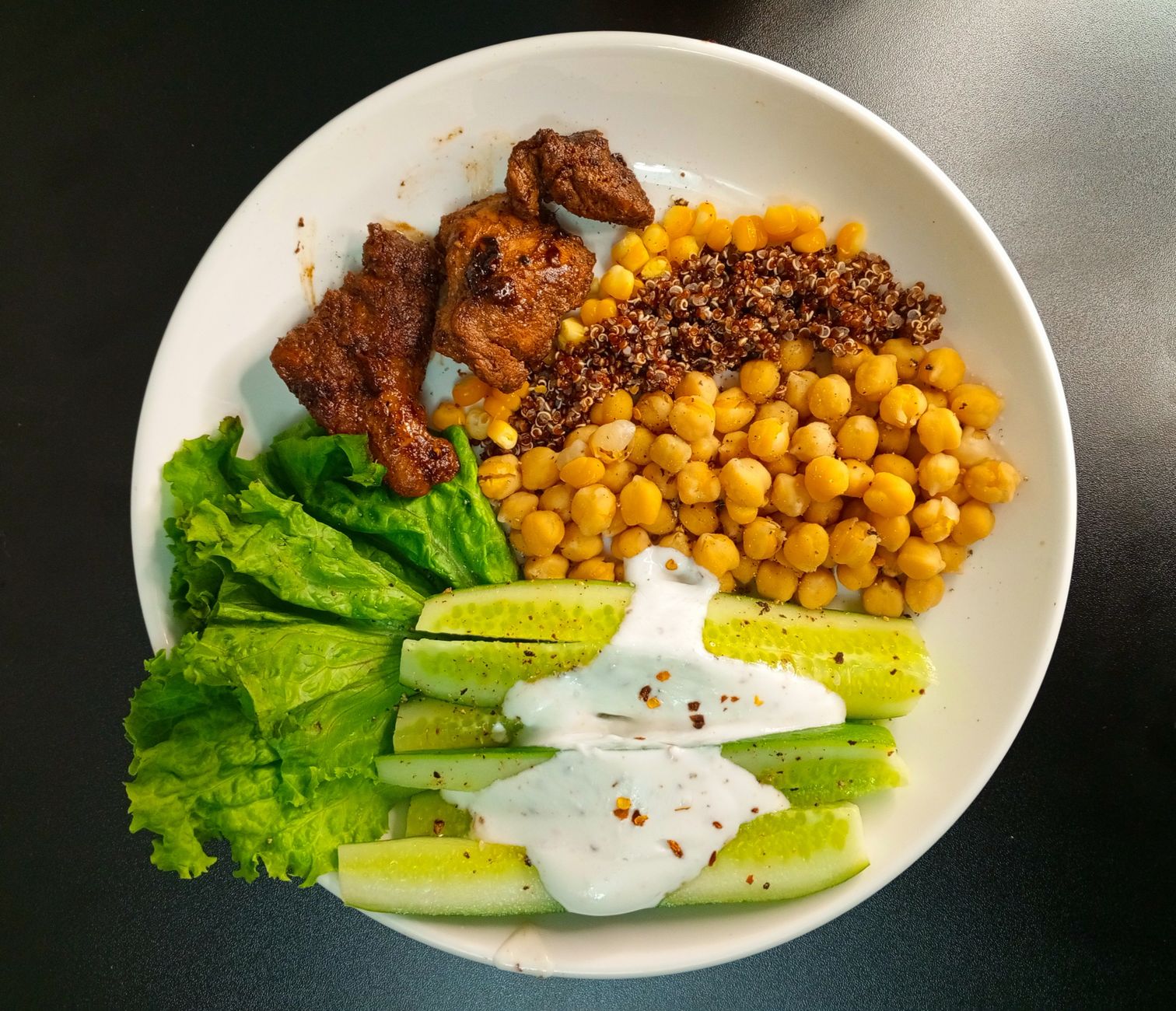
A practical 2026 guide to what to eat for weight loss, with simple food lists, a 1 day example, and tips for turning healthy choices into a repeatable weekly plan.

TL;DR: For weight loss, focus most of your meals on lean protein, high fiber carbs, plenty of low calorie vegetables, and some healthy fats. Keep portions realistic, plan simple repeat meals, and make your environment work for you so you do not have to rely on willpower all day.
You do not need to count every calorie to understand the basics.
Instead of chasing strict rules, it helps to understand what is on your plate. If you want a simple breakdown of how protein, carbs, and fat work, Macros for Beginners: Protein, Carbs, Fat (How Much?) is a good place to start.
For weight loss specifically, protein is your best friend. It helps you stay full, keeps you from feeling weak, and supports your muscles as your weight goes down.
Think in terms of foundations, not perfect foods.
If you want help guessing how much protein to aim for, the article Protein Goals for Weight Loss (Simple Calculator) gives an easy starting point.
These keep you full and give you steady energy, especially when paired with protein.
Fill half your plate with vegetables when you can. Fruit is fine for weight loss as long as portions are reasonable.
They help with satisfaction and vitamin absorption, but they are calorie dense, so a little goes a long way.
If you want these foods to show up in real meals without planning from scratch, PlanEat AI can build a weekly meal plan around your weight loss goal, time limits, and dislikes, then give you a grouped grocery list. You keep control over what you eat while avoiding the mental load of inventing meals every day.
You do not need to ban any food forever, but some choices make weight loss much harder when they are your default.
Chips, candy, pastries, and most packaged desserts are easy to overeat and do not keep you full. Treat them as occasional extras rather than daily staples.
Soda, sweetened coffee drinks, juices, and energy drinks can add hundreds of calories per day without much fullness. Water, sparkling water, and plain coffee or tea with a bit of milk are usually better defaults.
Alcohol adds calories and often lowers your food restraint. If weight loss is a priority, keeping alcohol to special occasions or cutting back on quantity helps a lot.
Instead of trying to simply “be stronger,” build a plan for cravings.
For more practical strategies, How to Stop Sugar Cravings (Real-World Tips) gives realistic ways to reduce cravings without strict rules.
You do not need complicated recipes. Here is a simple pattern you can repeat and adjust.
The idea is simple: protein plus fiber rich carbs plus vegetables at most meals, with snacks that are built the same way.
If you want a full week laid out for you, 7-Day Weight Loss Meal Plan (With Shopping List) gives a structured example of how a weight loss friendly menu can look across seven days.
Knowing what to eat is one thing. Making it happen all week is another.
Choose one or two breakfasts, a couple of easy lunches, and three to four dinners you are willing to repeat. Repetition saves time and makes grocery planning simpler.
List the proteins, carbs, vegetables, fruits, and fats you need for your chosen meals. Group them by store sections like produce, dairy, pantry, and freezer.
Make extra portions of dinners that reheat well and use them for lunches. That reduces the temptation to order takeout.
When you find a week that works for your weight loss and feels realistic, you can save it as a reusable plan in PlanEat AI. Keep the same protein plus fiber pattern and grouped grocery list, then swap a few dinners or snacks in seconds instead of rebuilding your plan from zero.
No. You can lose weight while eating carbs if your overall calories are in a deficit and you focus on higher fiber options like oats, potatoes, beans, and whole grains. Protein and vegetables at most meals help a lot.
Fruit is generally fine for weight loss because it comes with fiber and water. It is usually more filling and less calorie dense than desserts. Just be mindful of portions if you also eat a lot of other calorie dense foods.
Most people do well by including a source of protein at each meal and snack. The exact number depends on your body size, activity, and goals.
Yes, as long as treats are a small part of your overall intake and most of your meals follow the protein plus fiber pattern. Many people find it helpful to plan a few portions of their favorite foods each week instead of eating them whenever they appear.
Both can work. Some people like tracking for a short period to learn about portion sizes. Others focus on structure and food quality without numbers.
Educational content only, not medical advice.
A practical 2026 guide to what to eat for weight loss, with simple food lists, a 1 day example, and tips for turning healthy choices into a repeatable weekly plan.