2200 Calories Vegan Diet Plan (2026)
.webp)
TL;DR: This is a practical 2200-calorie vegan plan built around repeatable meals, higher-protein plant foods, and enough carbs and fats to keep energy steady. You will get a simple 7-day menu example, a staple grocery list, and easy ways to adjust without turning eating into math.
A realistic 2200-calorie vegan plan
A 2200-calorie vegan day should feel like normal food, not constant snacking. The easiest way to make it work is to anchor each meal with a real protein source, add a slow carb for energy, then use healthy fats to bring calories up without huge portions.
Also, treat “2200 calories” as a target range, not a perfect number. Packaged labels, cooking methods, and portion sizes vary, so think in a daily window like 2150 to 2300 rather than chasing exact precision.
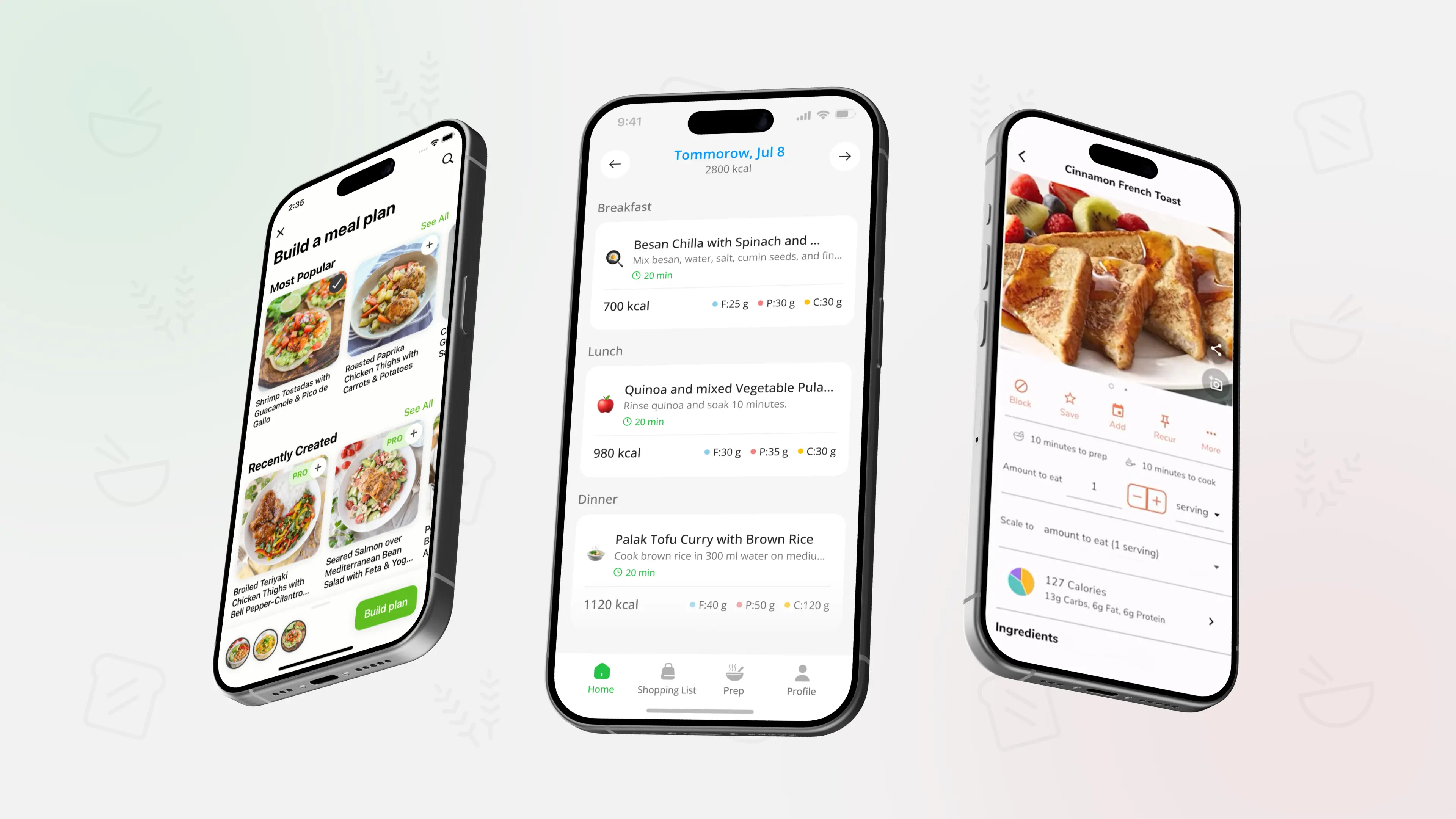
If you want a weekly structure like this without planning from scratch, PlanEat AI generates a weekly meal plan and a grouped grocery list personalized to your goals, dislikes, cooking time, and basic restrictions, with simple meal swaps when a meal does not fit.
How this plan reaches 2200 without counting every bite
Instead of tracking everything, use a simple day structure with meal “buckets.” This keeps the plan flexible and prevents the common vegan issue of eating too little protein early, then grazing at night.
A helpful split for many people is:
- Breakfast: 450 to 600 calories
- Lunch: 550 to 750 calories
- Dinner: 600 to 800 calories
- 1 to 2 snacks: 200 to 300 calories each
Protein-first cues that keep this balanced:
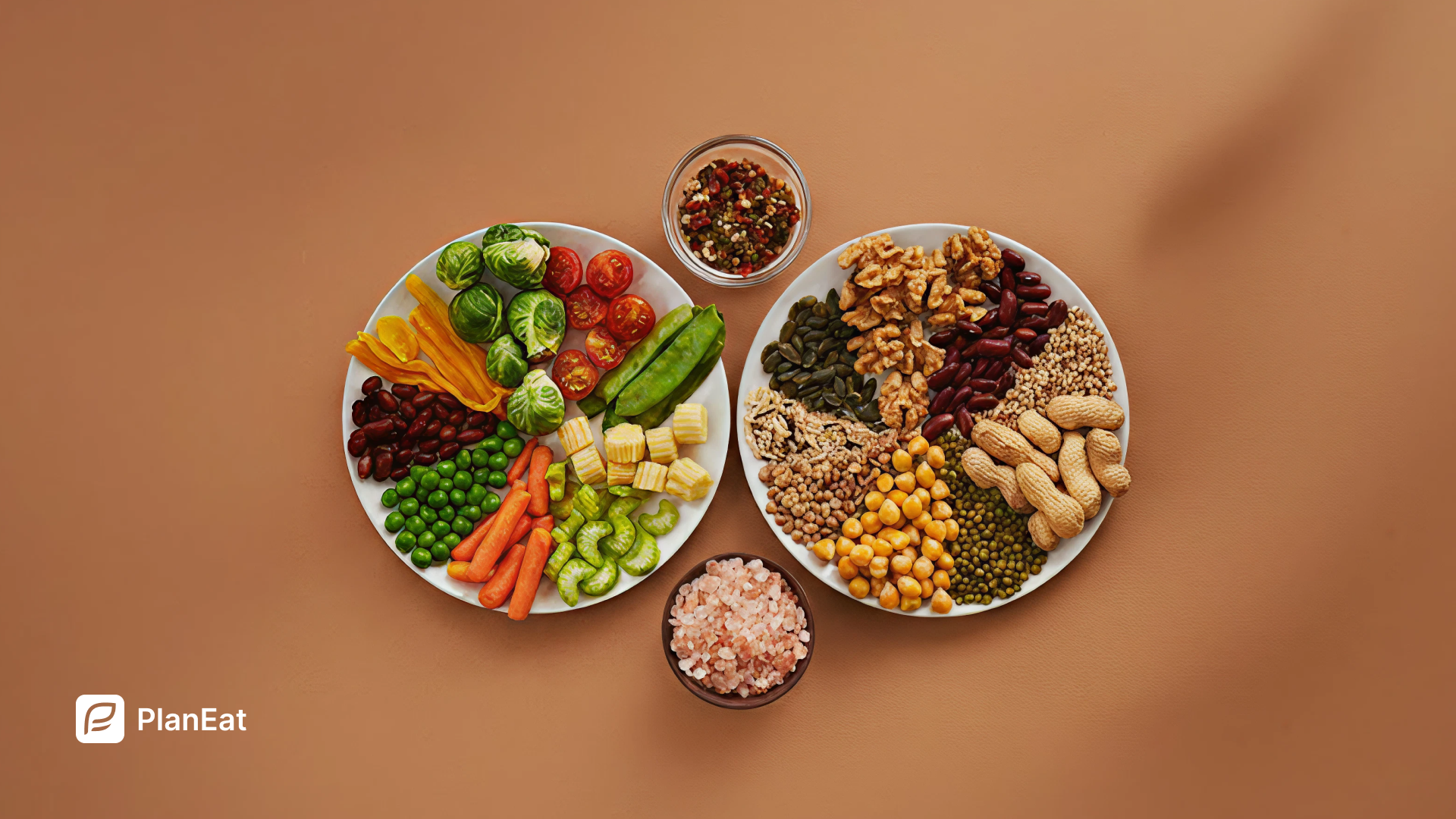
- Include one of these in each main meal: tofu, tempeh, edamame, lentils, beans, seitan, soy milk, soy yogurt, or a vegan protein blend you tolerate.
- Add fiber most days from beans, lentils, oats, berries, vegetables, and whole grains.
- Use fats intentionally: olive oil, tahini, avocado, nuts, and seeds make it easier to hit 2200 without huge plates.
If vegan planning is new to you, Vegan Meal Planning for Beginners (Balanced & Easy) can help you set up the basics so you do not end up with a fridge full of random ingredients.
7-day 2200-calorie vegan menu example
This is a realistic week built from repeatable templates. Portions are described in US units and the daily total is approximate.
Day 1
- Breakfast: tofu scramble with peppers and spinach, 2 slices whole grain toast, 1/4 avocado
- Snack: soy yogurt with berries and 1/4 cup granola
- Lunch: chickpea quinoa bowl with cucumber, tomatoes, greens, and 2 tbsp tahini dressing
- Snack: apple plus 2 tbsp peanut butter
- Dinner: lentil pasta with marinara, side salad with olive oil and vinegar
Day 2
- Breakfast: overnight oats with soy milk, chia seeds, banana, and walnuts
- Snack: hummus with carrots and whole grain crackers
- Lunch: black bean burrito bowl with rice, salsa, corn, and guacamole
- Snack: trail mix portion plus a clementine
- Dinner: tofu stir-fry with mixed vegetables, noodles or rice, sesame or peanut sauce
Day 3
- Breakfast: smoothie with soy milk, frozen berries, oats, and a vegan protein blend, plus toast if needed
- Snack: edamame with a pinch of salt and lemon
- Lunch: lentil soup plus whole grain bread and a side salad
- Snack: soy yogurt plus a handful of granola or nuts
- Dinner: sheet-pan roasted vegetables with chickpeas, olive oil, and a simple tahini drizzle
Day 4
- Breakfast: breakfast tacos with tofu scramble, black beans, salsa, and tortillas
- Snack: banana plus almonds
- Lunch: Mediterranean bowl with hummus, roasted sweet potato, chickpeas, cucumber, and pita
- Snack: popcorn plus a protein-forward option like soy yogurt
- Dinner: tempeh or tofu peanut noodles with broccoli and carrots
Day 5
- Breakfast: avocado toast with a side of tofu scramble or seitan slices
- Snack: chia pudding made with soy milk and berries
- Lunch: vegan “tuna” salad sandwich (mashed chickpeas, mayo, celery) plus fruit
- Snack: roasted chickpeas or a protein-forward snack you like
- Dinner: bean chili with rice and a side salad
Day 6
- Breakfast: oatmeal with soy milk, peanut butter, and frozen berries
- Snack: hummus wrap half or a small snack plate with crackers and veggies
- Lunch: tofu and rice bowl with broccoli, cucumber, and a sesame soy dressing
- Snack: fruit plus nuts or seeds
- Dinner: veggie burger on whole grain bun, oven fries, and a simple salad
Day 7
- Breakfast: soy yogurt bowl with fruit, granola, and ground flax
- Snack: edamame or a small smoothie
- Lunch: pasta salad with white beans, chopped veggies, olive oil, lemon, and herbs
- Snack: dark chocolate square plus nuts, or fruit plus peanut butter
- Dinner: lentil curry with rice and a side of roasted vegetables
If you notice the week feels repetitive, that is the point. Repeating proteins and sauces makes shopping easier and keeps the plan sustainable
Grocery staples and quick prep that make this easy
A 2200-calorie vegan plan is much easier when your pantry and freezer support you. You do not need specialty ingredients, but you do need a few reliable defaults.
Staples to keep on hand:
- Proteins: tofu, tempeh, edamame, lentils, chickpeas, black beans, seitan or a vegan protein blend
- Carbs: oats, rice, quinoa, whole grain bread, tortillas, pasta, potatoes
- Fats and flavor: olive oil, tahini, peanut butter, nuts, seeds, salsa, soy sauce, vinegar, spices
- Produce: frozen mixed vegetables, frozen berries, greens, onions, garlic, whatever is in season
A simple prep routine that saves your week:
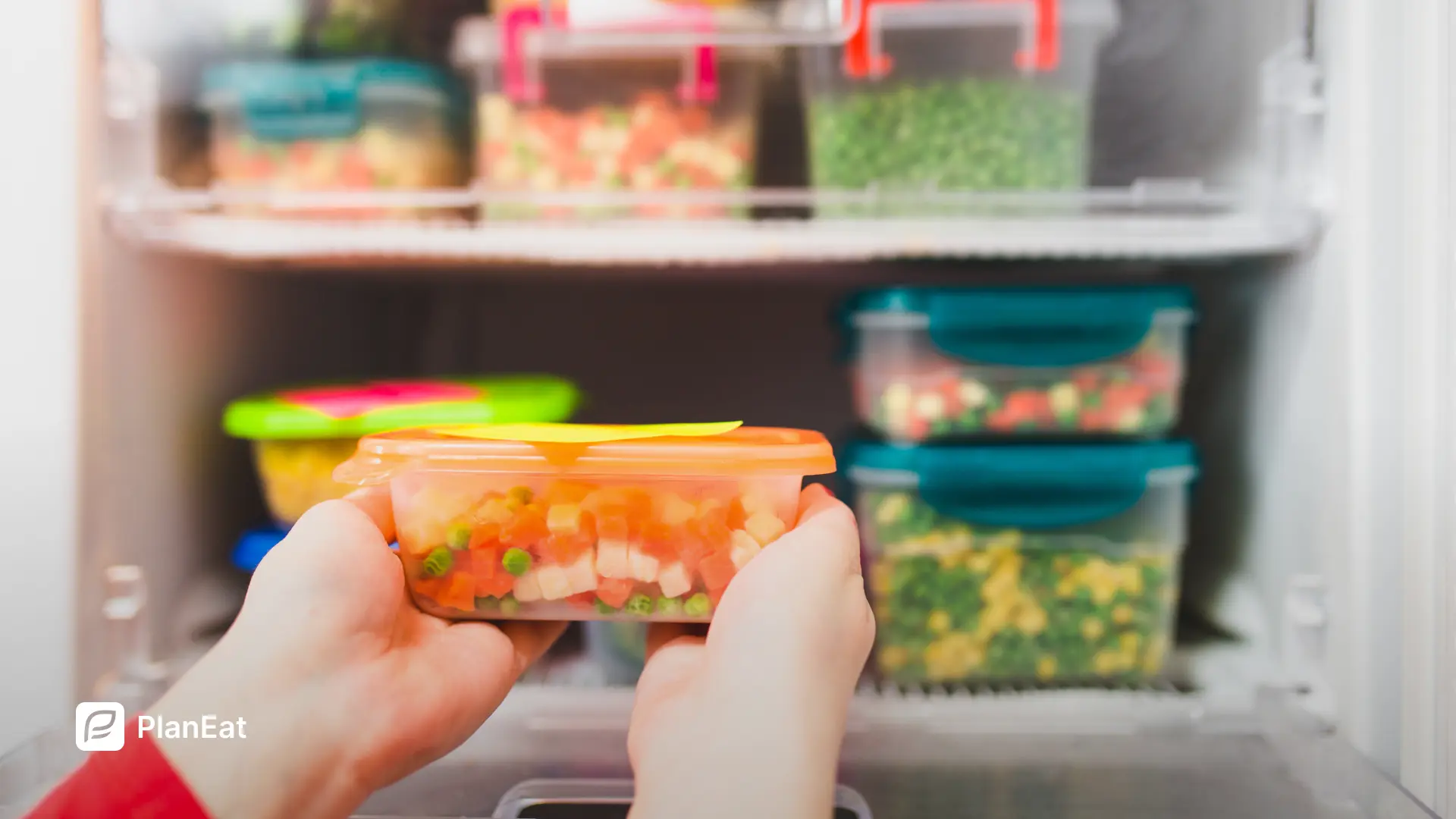
- Cook one big carb base (rice or quinoa) for 3 to 4 days.
- Roast a tray of vegetables once or twice per week.
- Keep 1 to 2 sauces ready: tahini lemon, salsa, peanut sauce, or a simple vinaigrette.
For a fuller staple checklist, Pantry Staples: Build a Healthy Kitchen (Practical Checklist) can help you stock the basics so meals come together fast.
If you find a week you like, PlanEat AI helps you save the plan as reusable and swap meals quickly while keeping a steady base of repeatable protein and fiber across the week.
FAQ
Is a 2200-calorie vegan plan good for muscle gain?
It can be, depending on your size, training, and overall weekly consistency. The key is making sure each meal has a protein anchor and enough total food to support recovery.
How do I make a vegan plan more filling without adding tons of volume?
Add calories with healthy fats like olive oil, tahini, nuts, and avocado, and keep protein steady across meals. Many people feel better when they also include slow carbs like oats, rice, and potatoes.
Do I need supplements on a vegan diet?
Some people do, especially for B12, and sometimes vitamin D or omega-3 depending on diet and labs. This is worth discussing with a qualified clinician, especially if you have symptoms or medical conditions.
How accurate are the calories in this plan?
They are estimates. Brands, portions, and cooking methods change totals, so use the plan as a structure and adjust based on hunger, energy, and results over a couple of weeks.
The easiest way to hit 2200 vegan
Build each main meal around a protein anchor, add a slow carb for energy, then use healthy fats to reach 2200 without huge portions. A repeatable 7-day structure makes vegan eating easier than chasing perfect numbers.
.webp)
.webp)
.webp)
.webp)
.webp)
%20(2026).webp)
.webp)
.webp)
.webp)
%20(2026).webp)
.webp)
%20(2026).webp)
.webp)
.webp)
.webp)
%20Quick%20Ideas%20(2026).webp)
.webp)
.webp)
.webp)
%20Simple%20Staples%20(2026).webp)
.webp)


.webp)
.webp)
_.webp)
_.webp)

.webp)
_webp.webp)
_.webp)
_.webp)
_webp.webp)
.webp)
.webp)
_%20What%20to%20Buy%20When%20(2026)_.webp)
_.webp)
webp.webp)
_.webp)
.webp)
.webp)
.webp)
.webp)
.webp)
.webp)
.webp)
.webp)
.webp)
.webp)
.webp)
.webp)

.webp)
.webp)
%20%2B%207%E2%80%91Day%20Menu.webp)
.webp)

.webp)
.webp)

.webp)
.webp)
.webp)
.webp)