Keto Diet Explained: A Practical, Non-Extreme Guide (2026)
.webp)
TL;DR: The keto diet still appeals to people in 2026 because it can make food choices feel clearer, reduce some forms of overeating, and help certain people feel more in control of their eating. But many of its strongest claims still get overstated, especially when keto is framed as the only smart way to lose weight or improve health.
Why keto still attracts so much attention
The keto diet stays popular because it promises something many people want: fewer cravings, clearer food rules, and faster early results. For someone coming from a routine built around sugary snacks, random takeout, and constant hunger swings, moving toward meals with more protein, more structure, and fewer refined carbs can feel like a dramatic improvement.
That is part of why keto keeps coming back into the conversation. It offers a simple story. Cut carbs hard, rely more on fats and protein, and eating suddenly feels more controlled. Even for people who do not fully understand the biology, the appeal is easy to see. The rules feel decisive, and decisive plans often feel powerful in the beginning.
There is also a practical reason keto keeps attracting attention. Many people are tired of calorie counting, tired of vague wellness advice, and tired of plans that tell them to “just eat in moderation” without giving enough structure. Keto feels more concrete than that. If you want a broader companion read on why stronger food structure can help, Healthy Eating Basics: Build a Balanced Plate fits naturally here.
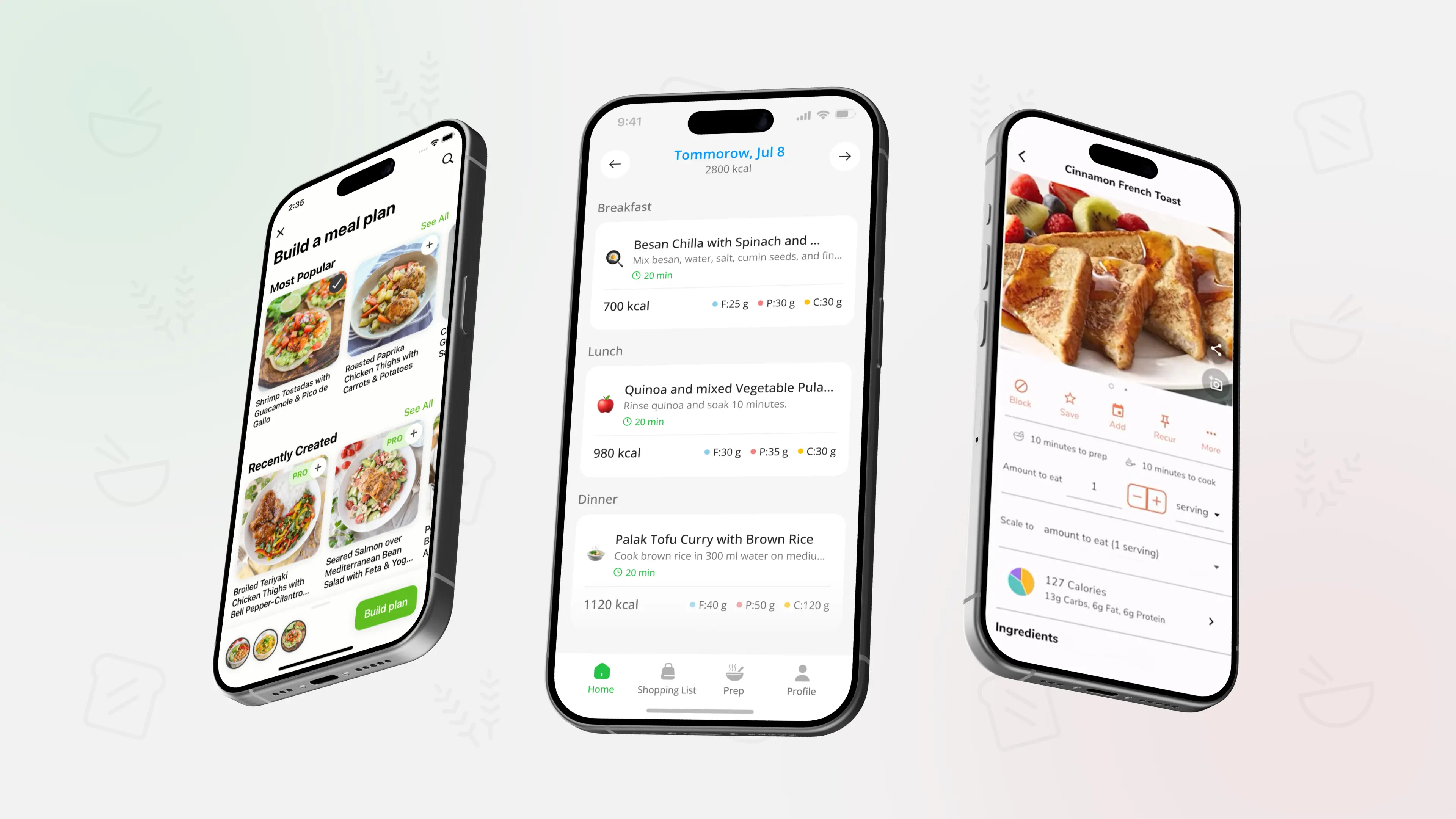
If you want clearer food structure without turning your week into a rigid diet project, PlanEat AI helps you organize eating for the week with realistic meals, a grouped grocery list, and practical swaps based on your goals, dislikes, and cooking time.
What still makes sense about keto in 2026
One thing keto still gets right is that many people eat too many refined, easy-to-overeat carbs in low-structure settings. Sweet drinks, pastries, chips, fast snacks, and dessert-style breakfasts can create a pattern where hunger, cravings, and low energy keep repeating. Moving away from that kind of eating often helps, whether someone follows strict keto or not.
Keto also pushes people toward more intentional meals. When someone stops defaulting to sugary cereals, snack foods, and constant grazing, meals often become more grounded. Protein, eggs, meat, fish, vegetables, nuts, seeds, and more deliberate choices can improve fullness and reduce the feeling of being ruled by random food decisions.
Another useful part of keto is that it shows how much food quality and meal structure matter. Many people do feel better when they stop eating in a chaotic, carb-heavy, convenience-heavy way. That does not prove that everyone needs keto, but it does highlight an important truth: a more structured eating pattern often works better than a scattered one. Healthy Eating Myths People Still Believe (2026) and Ultra-Processed Foods: How to Cut Back Without Going Extreme (2026) both pair well with this idea.
What gets overhyped or stops working well
The weaker side of keto is how often it gets sold as a universal answer. In reality, some people do well on a lower-carb approach, while others find it hard to sustain, socially awkward, too restrictive, or simply unnecessary. A diet can help some people without being the best default choice for everyone.
This matters because the harder the rules become, the harder the approach often becomes to live with. Once someone starts avoiding most fruit, many higher-carb vegetables, beans, grains, and even normal meals with friends because they no longer “fit,” the system can become exhausting. What looked clear in week one can feel heavy by week three.
Another issue is that keto sometimes confuses short-term control with long-term sustainability. People may lose water weight early, feel motivated, and assume they have found the answer. But if the approach depends on constant avoidance and does not fit the person’s routine, the rebound is often predictable. That is one reason How to Stop Restarting Healthy Eating Every Monday (2026) are useful related reads here.
The better question is what to borrow from keto
For most people, the smarter question is not “Should I go fully keto?” but “Which parts of keto actually improve my week?” That shift changes everything. Borrowing the emphasis on stronger meals, fewer liquid calories, less mindless snacking, and fewer ultra-processed carbs can be very useful. Borrowing the stricter identity of the diet usually helps much less.
For example, someone may benefit from replacing a pastry breakfast with eggs and yogurt, or from swapping random snack foods for meals with more protein and fiber. Someone else may feel better reducing sugar-heavy foods and building dinners around fish, chicken, vegetables, potatoes, rice, or other more satisfying basics. Those are real improvements, even if the person never goes fully keto.
This is where a flexible planning system works better than a hard label. Flexible Meal Planning Without a Strict Plan (2026) and Meal Planning Basics: How to Start (Beginner Guide) both fit naturally here because they focus on a realistic routine rather than perfect compliance.
A more practical long-term approach than strict keto
The most sustainable approach is usually not a perfect keto setup. It is a weekly routine that reduces the foods most likely to trigger overeating, builds meals that are more filling, and keeps shopping and cooking simple enough to repeat. That gives people many of keto’s benefits without forcing an unnecessarily narrow rulebook.
For example, someone who repeats two easy breakfasts, plans three dependable dinners, keeps better snacks at home, and shops for actual meals is already solving a large part of the problem that drives interest in keto. The value is not in the label. It is in the better defaults.
That is where PlanEat AI fits naturally as the practical conclusion. It helps users turn better intentions into a clearer weekly eating routine, with realistic meals and a grouped grocery list that makes follow-through easier. For people who want more structure, fewer random food decisions, and less diet chaos, that is usually more useful than chasing a stricter identity.
FAQ
Is keto still effective in 2026?
It can still be effective for some people, especially if it helps them reduce overeating and build more structure around meals. But it is not the only effective approach, and it is not automatically the best long-term fit for everyone.
What is the biggest downside of keto?
For many people, the biggest downside is sustainability. The stricter the carb limits become, the harder the diet can be to maintain across normal workweeks, social meals, travel, and family life.
Do I need to go fully keto to get benefits?
No. Many people get useful results simply by reducing ultra-processed carbs, cutting down on sugary foods, and building stronger meals without following strict keto rules.
Is keto better than calorie counting?
They solve different problems. Keto focuses more on food structure and restriction, while calorie counting focuses on measurement. In practice, many people do better with a realistic weekly routine than with either extreme.
What is a more realistic alternative to strict keto?
A flexible weekly structure is often more realistic. Meals built around protein, vegetables, fruit, simple carbs, and more deliberate planning can work very well without requiring a strict keto label.
Educational content only, not medical advice.
What still makes keto useful in 2026
Keto still has value when it pushes people toward stronger meals, fewer ultra-processed carb defaults, and less random snacking. That part still makes sense.

.webp)
.webp)
.webp)
.webp)
%20(2026).webp)
.webp)
.webp)
.webp)
%20(2026).webp)
.webp)
%20(2026).webp)
.webp)
.webp)
.webp)
%20Quick%20Ideas%20(2026).webp)
.webp)
.webp)
.webp)
%20Simple%20Staples%20(2026).webp)
.webp)


.webp)
.webp)
.webp)
_.webp)
_.webp)



.webp)
_webp.webp)
_.webp)
_.webp)
_webp.webp)
.webp)
.webp)
_%20What%20to%20Buy%20When%20(2026)_.webp)
_.webp)
webp.webp)
_.webp)
.webp)
.webp)
.webp)
.webp)
.webp)
.webp)

.webp)
.webp)
.webp)
.webp)

.webp)
.webp)

.webp)
.webp)
%20%2B%207%E2%80%91Day%20Menu.webp)
.webp)


.webp)
.webp)



.webp)
.webp)
.webp)
.webp)