Ultra-Processed Foods: How to Cut Back Without Going Extreme (2026)
.webp)
TL;DR: You do not need to remove every packaged food from your kitchen to eat better. In most cases, the smarter approach is to reduce your reliance on ultra-processed foods gradually, while keeping meals practical, satisfying, and realistic enough to follow during a normal week. The goal is not perfection. It is building a routine where whole or less processed foods show up more often, without turning grocery shopping, cooking, or social eating into a rigid project.
Why going extreme usually backfires
A lot of people first hear about ultra-processed foods through dramatic headlines or social media clips that make it sound like anything in a package is automatically a problem. That kind of messaging creates two common reactions. Some people ignore the topic completely because it sounds unrealistic, and others try to clean out their entire kitchen overnight, only to end up frustrated a week later.
The truth is more practical than that. Not every processed food plays the same role in your diet, and trying to remove everything at once usually creates more stress than progress. If your routine is busy, your budget is limited, or you are used to relying on convenience foods, a harsh all-or-nothing reset often leads to rebound eating, more takeout, or the feeling that healthy eating is simply too hard to maintain.
That is why a more useful question is not, “How do I eat perfectly?” It is, “How do I make my weekly food routine a little less dependent on ultra-processed foods without making life harder?” If you want a broader foundation for that mindset, Sustainable Healthy Eating Habits (2026) pairs well with this topic because long-term change usually comes from repeatable systems, not short bursts of discipline.
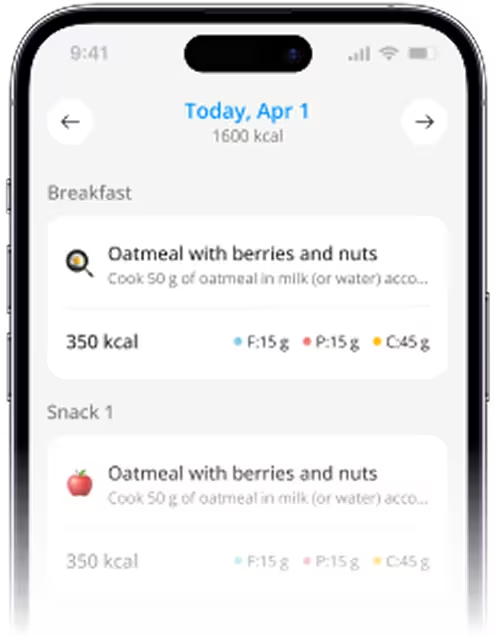
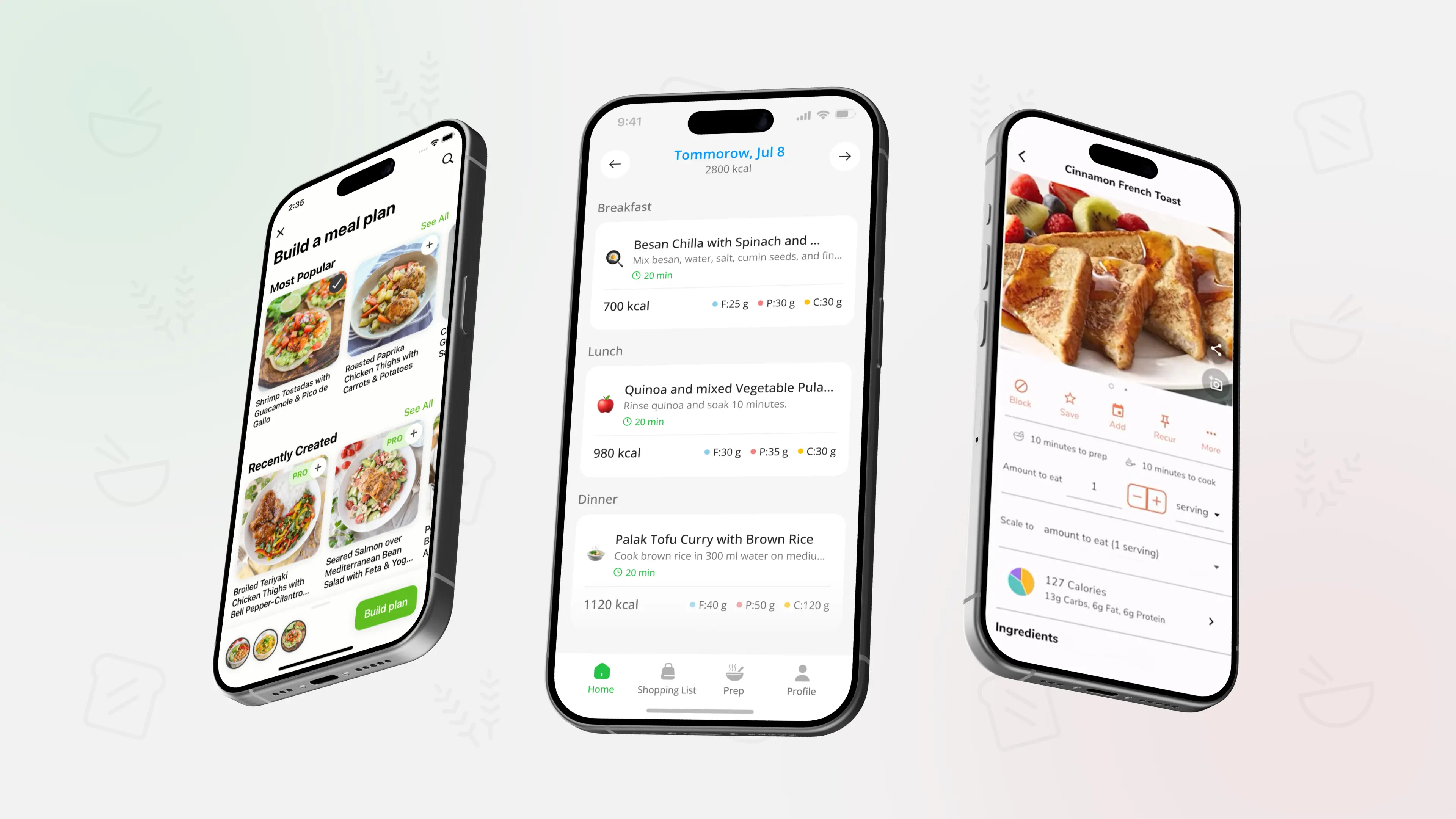
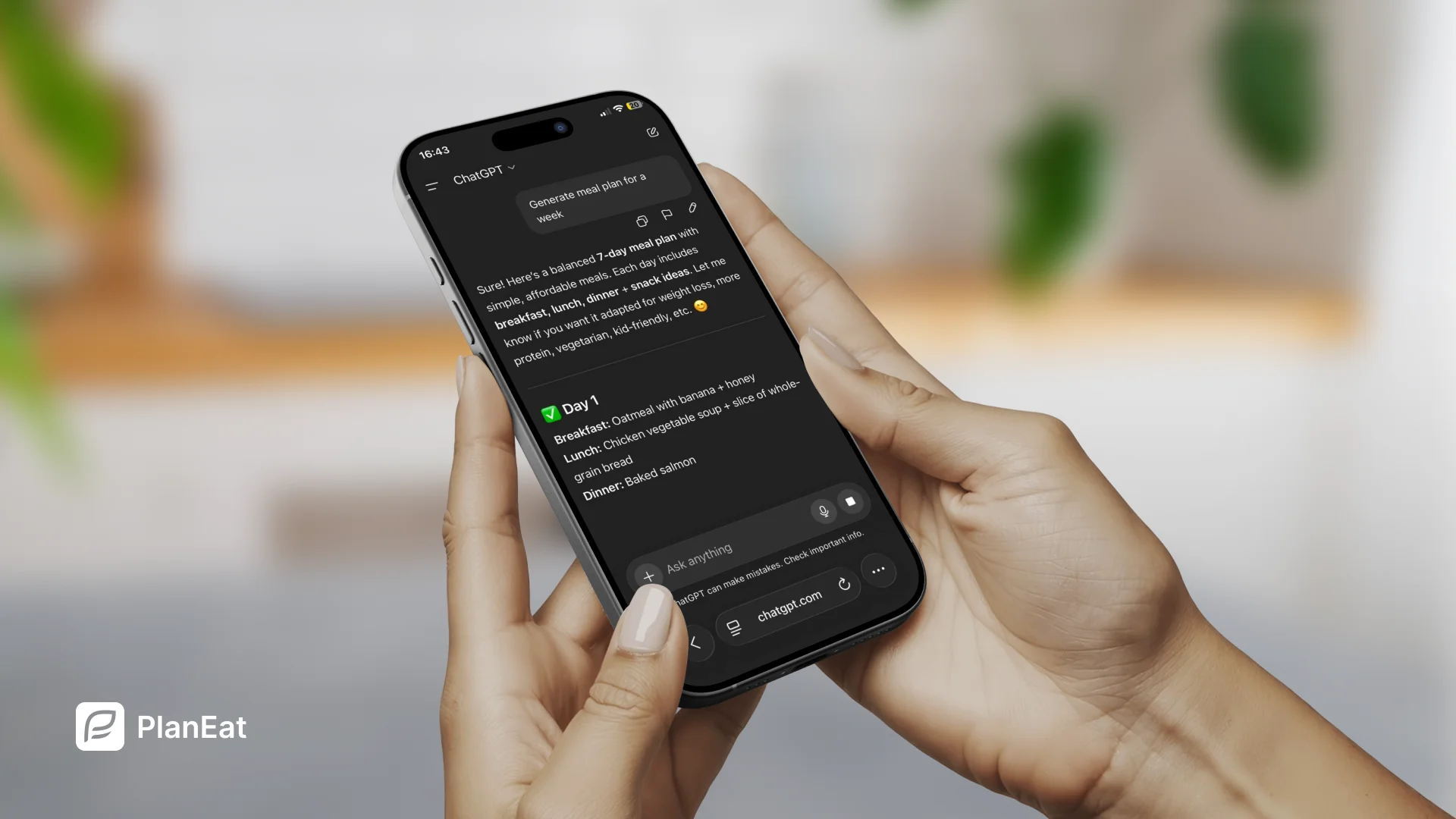
If you want a more practical way to eat better week by week, PlanEat AI helps you build a weekly meal plan with realistic meals, a grouped grocery list, and easy swaps based on your goals, dislikes, and cooking time. That makes it easier to rely less on default convenience foods without overcomplicating your routine.
What “cutting back” actually looks like in real life
For most people, cutting back does not mean banning cereal, bread, frozen meals, protein bars, or sauces forever. It means changing the balance of what shows up most often. Instead of ultra-processed foods being the default foundation of breakfast, lunch, snacks, and dinner, they become more occasional or more strategic, while simpler foods take a larger role in the week.
That can look different depending on the person. For one household, it may mean replacing sugary snack cycles with yogurt, fruit, nuts, or toast with peanut butter. For someone else, it may mean cooking two easier dinners at home instead of ordering delivery four nights a week. For another person, it may mean upgrading lunch from a vending-machine pattern to leftovers, wraps, bowls, or simple assembled meals.
This is important because people often assume progress only counts if their diet becomes dramatically cleaner. But the body usually responds well to smaller shifts done consistently: more real meals, fewer hyper-palatable convenience cycles, more protein and fiber, and fewer moments where packaged foods are acting as a full replacement for actual eating. Healthy Eating Myths People Still Believe (2026) is a useful internal read here because it helps separate realistic improvement from nutrition moralizing.
Start with the foods that drive the most overeating or autopilot eating
One of the easiest ways to make progress is to look for the foods that show up in your routine not because they truly help you, but because they are automatic. These are often the foods people reach for when they are tired, distracted, stressed, or between proper meals. In many cases, the issue is not one single ingredient. It is the fact that these foods are easy to overeat and easy to repeat without much thought.
That is why it helps to identify your highest-frequency ultra-processed foods, not every processed item you buy. If packaged sweets, chips, sweet coffee drinks, frozen pizza, or fast snack foods are taking up too much space in the week, those usually deserve attention before smaller details do. A realistic strategy is to replace one or two of the biggest “default” foods first instead of trying to become a different person overnight.
This also works better psychologically. When people keep a few familiar foods but reduce the most disruptive ones, the routine feels manageable. Hunger stays lower, cravings often become easier to handle, and the overall plan feels less punishing. If cravings are part of the cycle for you, How to Stop Sugar Cravings (Real-World Tips) can work well as a companion piece because ultra-processed foods are often most sticky when they intersect with stress and habit.
Build meals that leave less room for constant convenience snacking
A lot of ultra-processed food intake happens because earlier meals are too weak to carry the day. If breakfast is coffee and something quick, lunch is a light salad, and dinner is delayed, it becomes much harder to say no to the easiest hyper-palatable option around you. In that situation, the real issue is often not self-control. It is poor meal structure.
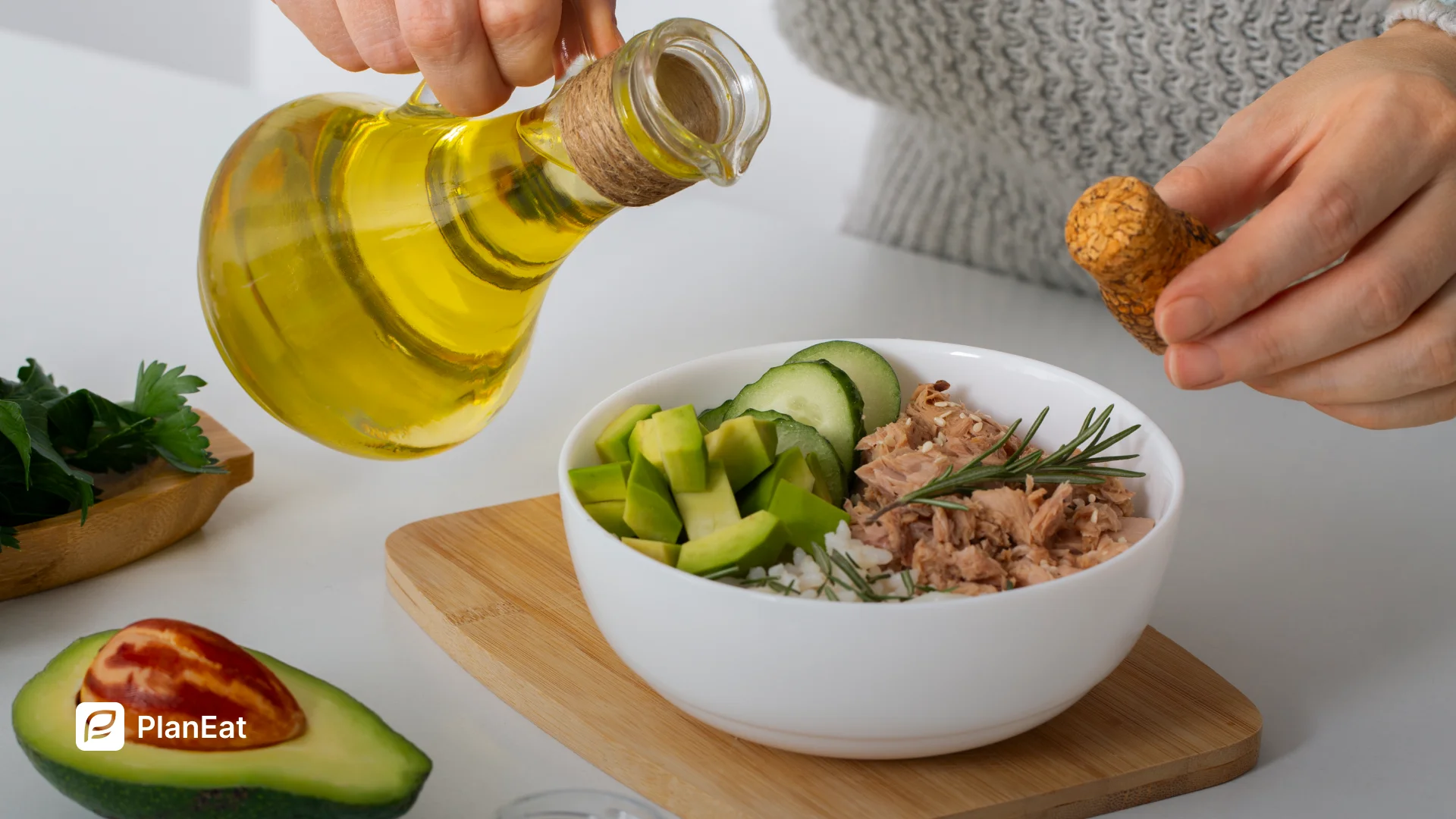
A better approach is to make meals more complete so that convenience foods stop acting as emergency fuel. That usually means more protein, more fiber, and enough actual food volume to feel like a real meal. A breakfast with eggs and toast, yogurt with oats and fruit, or oatmeal with nuts will often do more for appetite control than a “lighter” breakfast that looks healthy but disappears in an hour. A lunch with chicken, beans, rice, vegetables, and dressing usually holds up better than a small snack-style lunch that leaves you hunting for packaged food at 3 p.m.
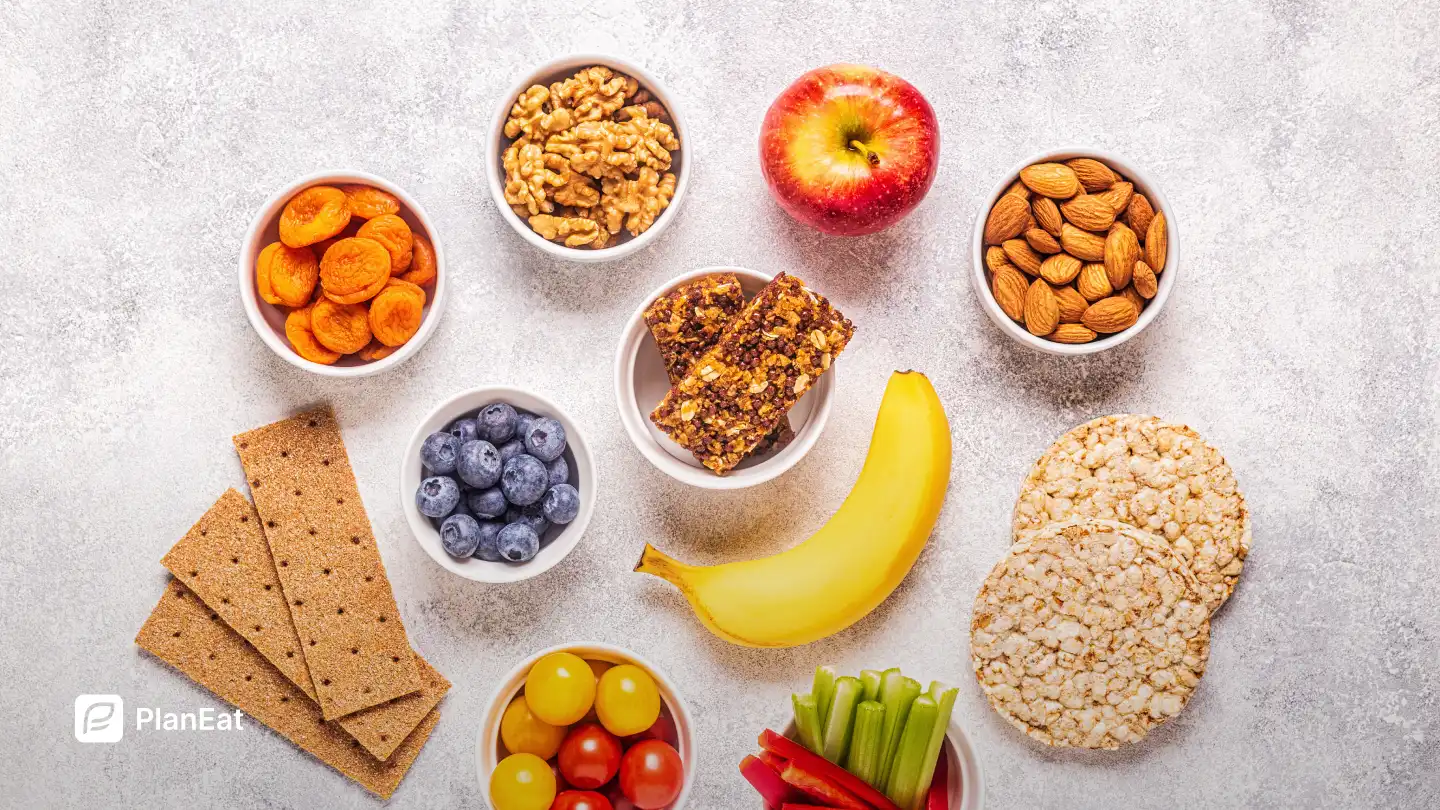
This is one reason reducing ultra-processed foods works best when it is framed as adding stronger meals, not just removing problem foods. If you want practical help here, Build a Balanced Dinner (Simple Templates) and Healthy Snacks That Actually Curb Cravings both fit naturally because they make it easier to replace convenience eating with meals and snacks that are more satisfying.
Small weekly changes work better than pantry purges
The biggest win usually comes from changing how the week is structured, not from making one perfect grocery haul. When people buy a few better staples, plan a handful of realistic meals, and reduce the situations where they are forced into emergency food decisions, ultra-processed foods often start fading into a smaller role on their own.
That is why weekly planning matters so much. If your fridge is empty, your schedule is packed, and you are hungry at random times, convenience foods will keep winning because they are solving a real problem: speed. A better system does not try to eliminate convenience. It builds better convenience around foods that support you more consistently.
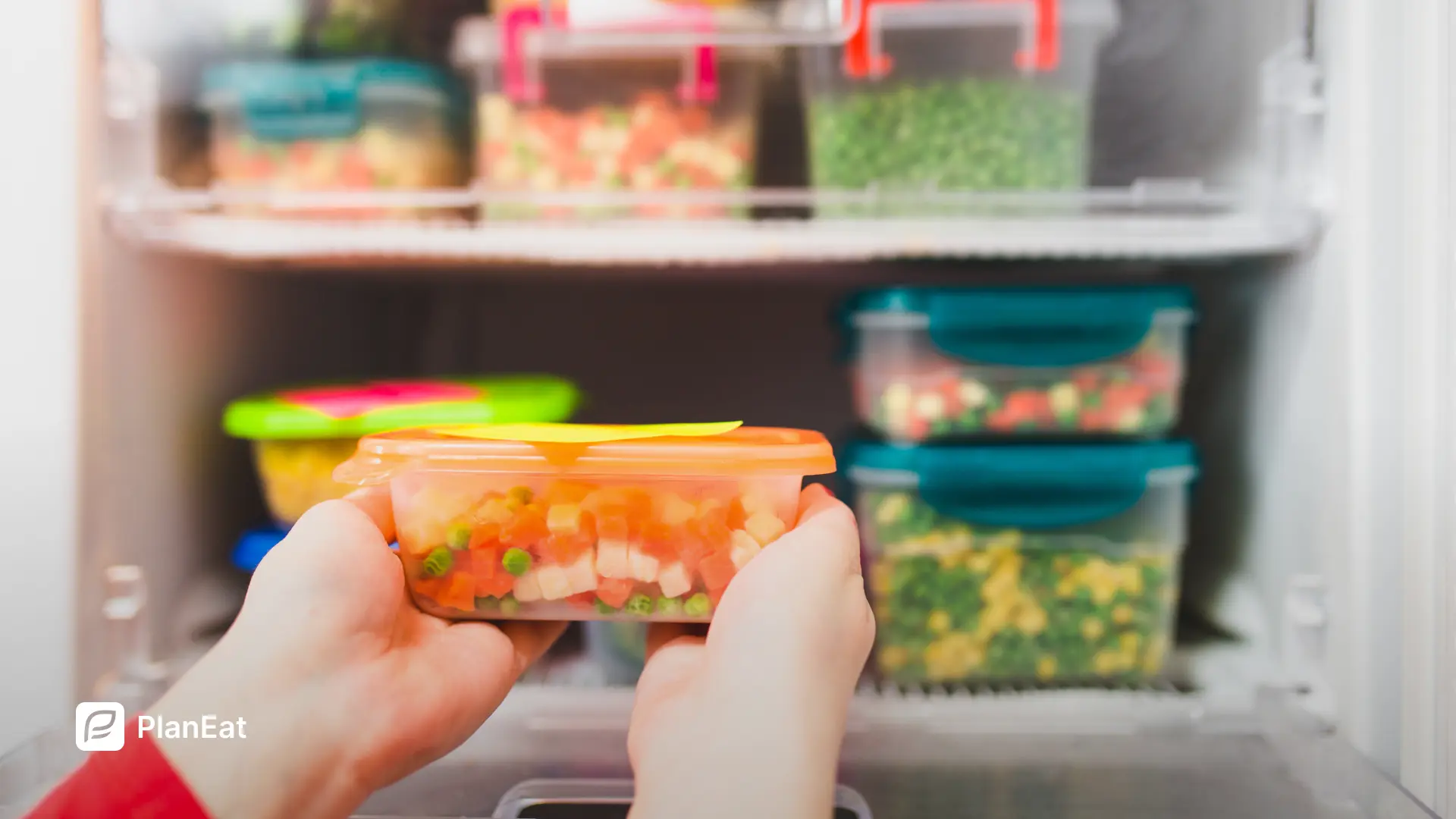
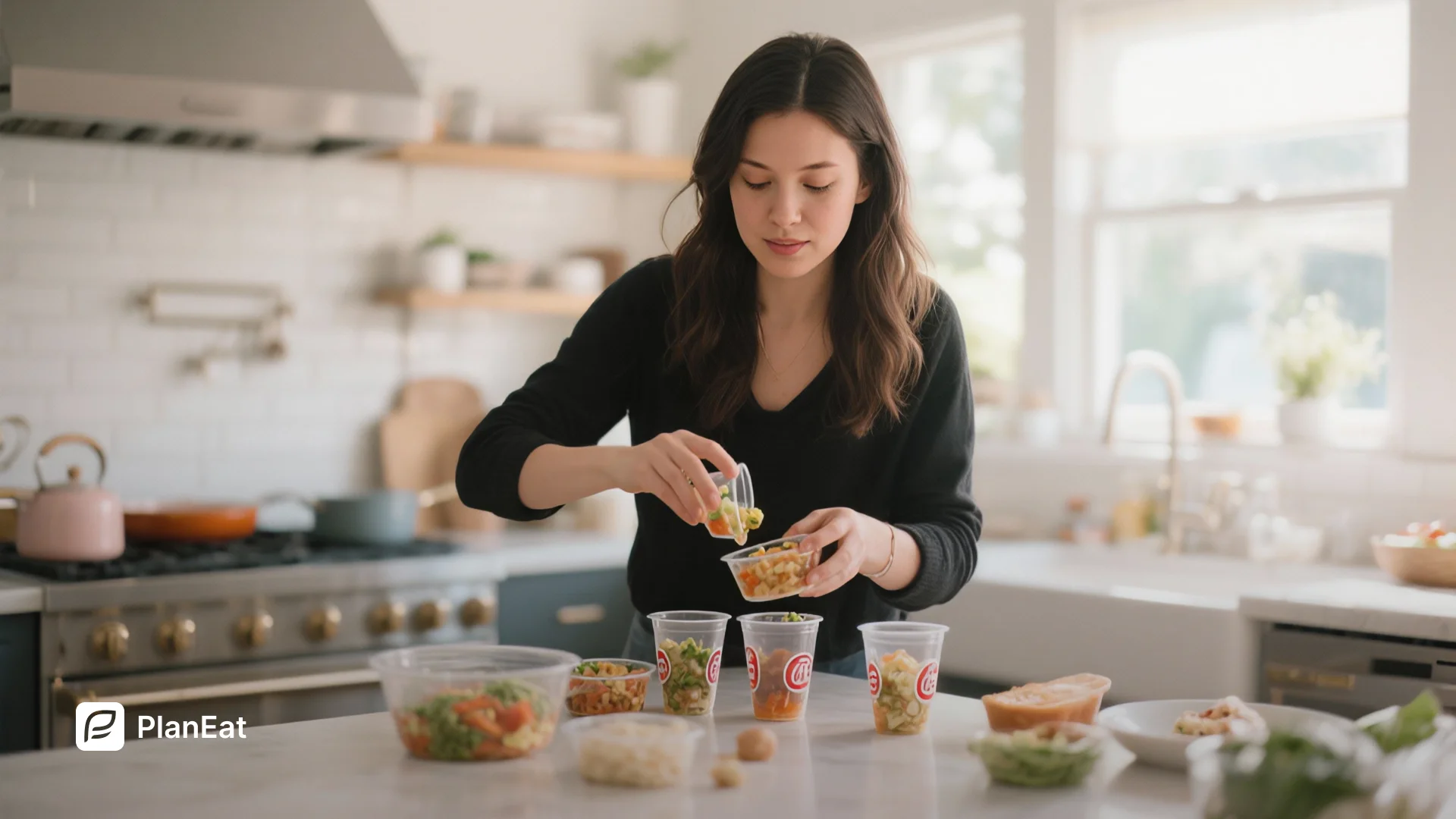
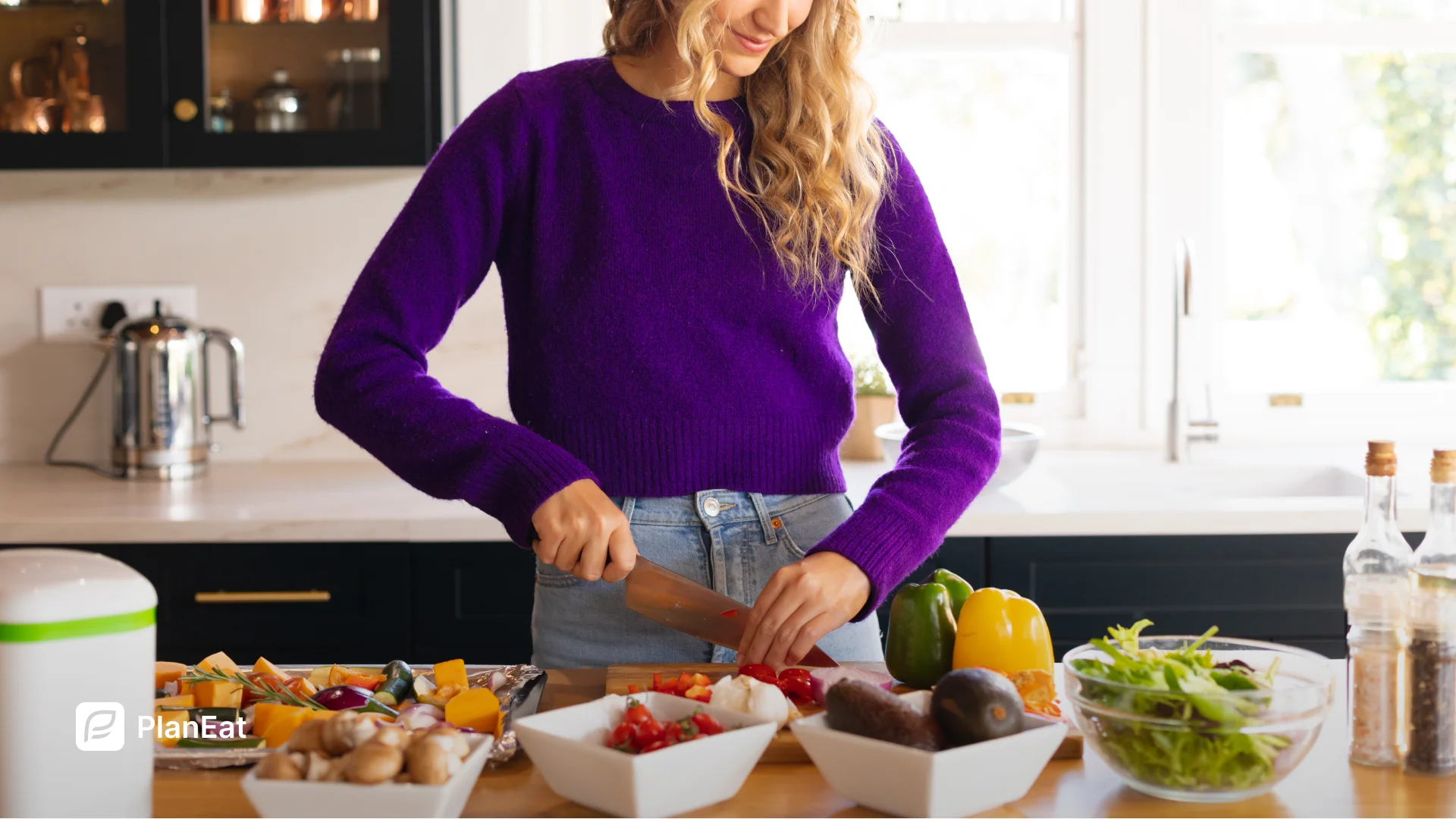
You do not need to cook every meal from scratch to make progress. You just need a weekly setup that makes the better option easier to reach for more often. That can mean repeating a few simple breakfasts, planning two or three dependable lunches, using frozen vegetables, keeping basic proteins ready, and having easy snack combinations at home. Quick Meal Planning: Build a 30-Minute Weekly Plan is especially useful for this because it shows how a workable weekly plan can be built without turning Sunday into a full production.
If you want an easier way to rely less on ultra-processed defaults, PlanEat AI helps you keep a weekly meal plan that feels usable, swap meals quickly, and shop from a grouped grocery list built around real life. That makes healthy eating feel more repeatable without forcing you into an extreme reset.
FAQ
Do I need to avoid all ultra-processed foods to eat healthy?
No. For most people, that is not necessary or realistic. A better goal is to reduce how often ultra-processed foods dominate meals and snacks, while building a routine based more on satisfying, less processed foods.
Are all processed foods bad?
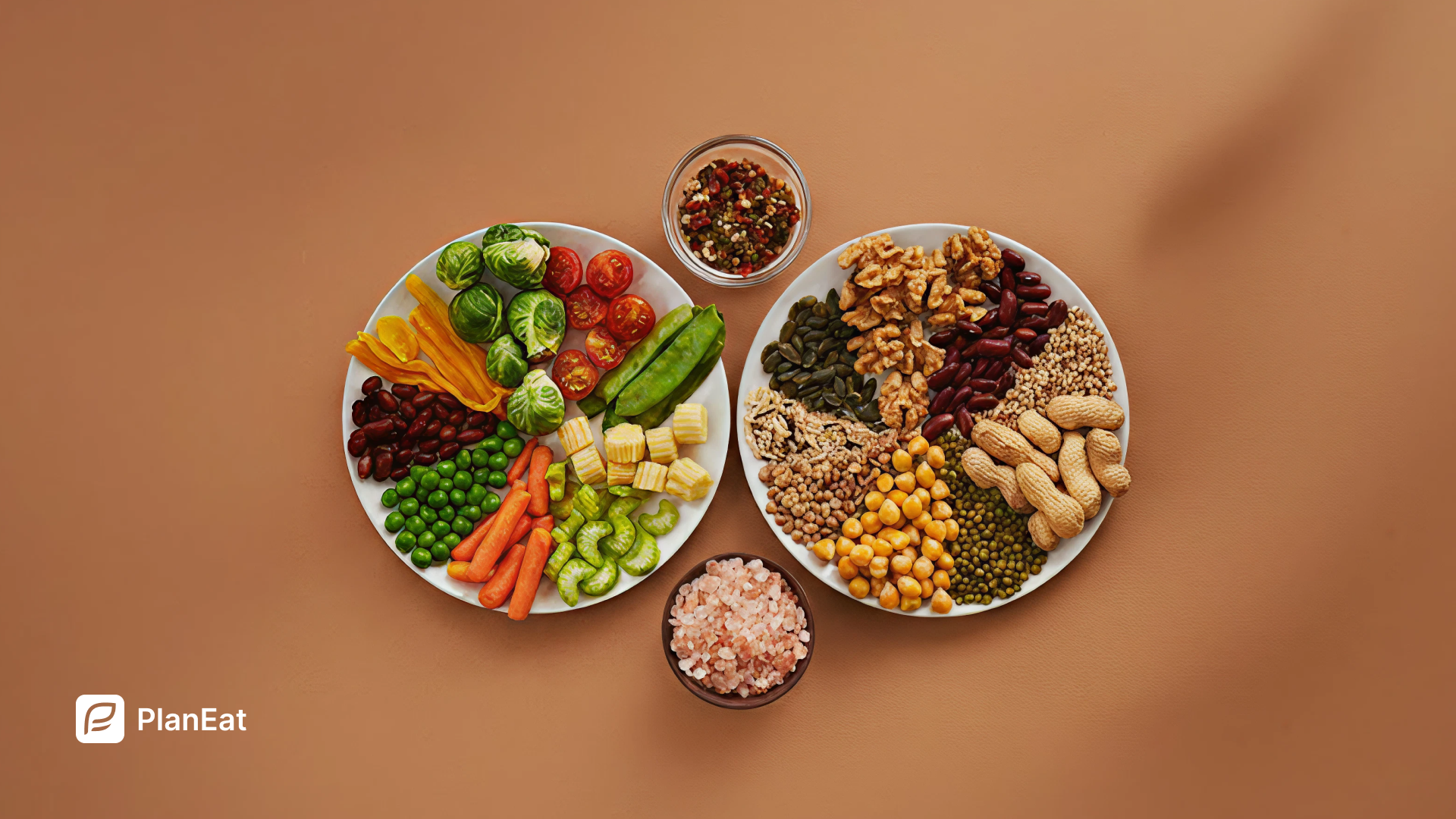
No. Processing exists on a spectrum. Many helpful foods, like yogurt, frozen vegetables, canned beans, or whole-grain bread, can still fit well into a healthy diet.
What is the easiest first step to cut back?
Start with the foods that are driving the most autopilot eating or overeating. Replacing one or two high-frequency convenience foods usually works better than trying to overhaul your whole diet at once.
Why do I crave ultra-processed foods so often?
Often because they are convenient, highly rewarding, and easy to reach for when meals are too light or your day is stressful. Better meal structure and better planning usually reduce that pull more than restriction alone.
Can I still use convenience foods and eat well?
Yes. The goal is not zero convenience. It is building a routine where convenience supports your week instead of replacing most of your real meals.
Educational content only, not medical advice.
A realistic way to eat fewer ultra-processed foods
Cutting back on ultra-processed foods does not have to mean a perfect pantry or a highly restrictive diet. For most people, the most effective approach is to build stronger meals, a better weekly routine, and fewer situations where convenience food becomes the default.

.webp)
%20(2026).webp)
.webp)
.webp)
.webp)
%20(2026).webp)
.webp)
%20(2026).webp)
.webp)
.webp)
.webp)
%20Quick%20Ideas%20(2026).webp)
.webp)
.webp)
.webp)
%20Simple%20Staples%20(2026).webp)
.webp)


.webp)
.webp)
.webp)
_.webp)
_.webp)


.webp)
_webp.webp)
_.webp)
_.webp)
_webp.webp)
.webp)
.webp)
_%20What%20to%20Buy%20When%20(2026)_.webp)
_.webp)
webp.webp)
_.webp)
.webp)
.webp)
.webp)
.webp)
.webp)
.webp)

.webp)
.webp)
.webp)
.webp)
.webp)
.webp)

.webp)
.webp)
%20%2B%207%E2%80%91Day%20Menu.webp)
.webp)

.webp)
.webp)



.webp)
.webp)
.webp)
.webp)
%20iOS%20Focus.webp)
.webp)
.webp)