How to Eat When You Train Only 2 Days a Week (2026)
.webp)
TL;DR: If you train only two days a week, you do not need a complicated athlete diet. You need a consistent baseline on non-training days, then a small carb-and-protein bump around your two workouts so you feel energized and recover well.
Why two-day training still benefits from a plan
Training twice a week can be enough to improve strength, energy, and body composition, especially if you are consistent. The nutrition mistake many “weekend warrior” schedules create is under-eating protein on regular days, then overeating on training days because hunger spikes.
A better approach is simple: keep your weekday meals steady, then treat your two training days as slightly higher-fuel days. You do not need perfect numbers. You need a repeatable routine that fits real life.
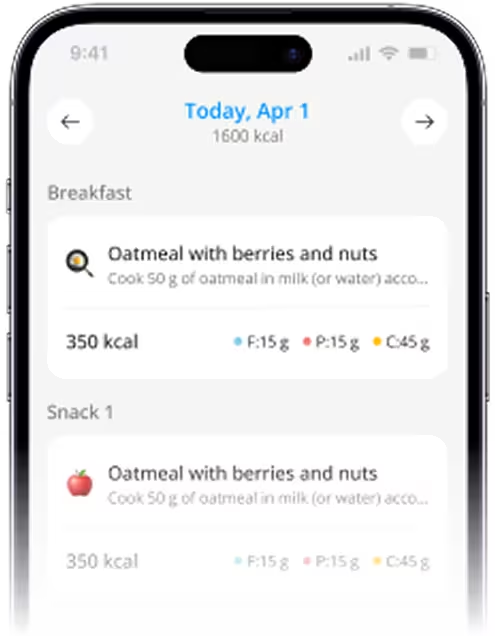
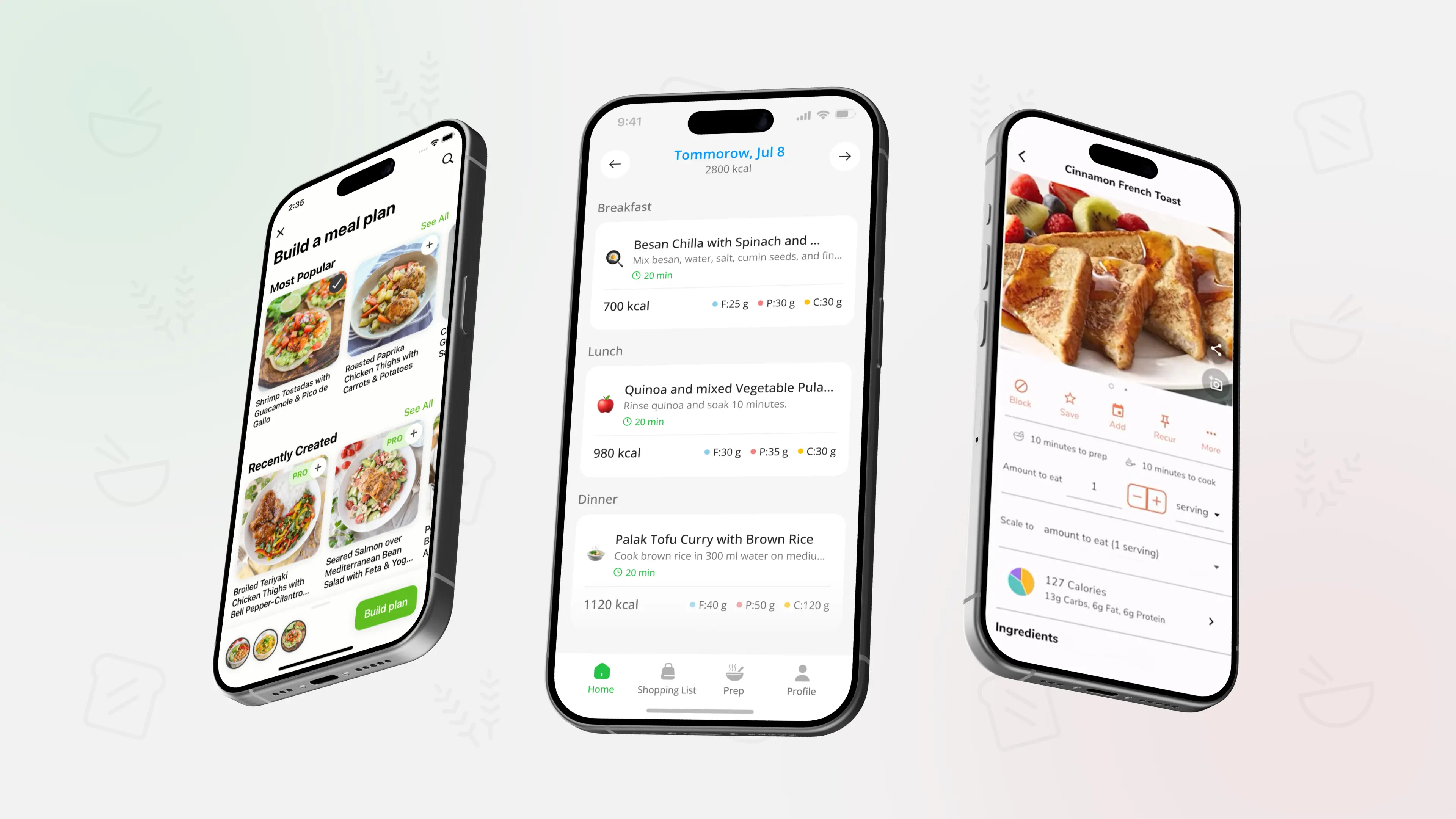
If you want a weekly structure that supports training without macro math, PlanEat AI can generate a weekly meal plan and a grouped grocery list personalized to your goals, dislikes, cooking time, and basic restrictions, with simple swaps when a meal does not fit your day.
The baseline that works on non-training days
When you only train twice, most of your results still come from what you do the other five days. The goal is a steady baseline that keeps hunger stable and protein consistent.
Use a simple daily structure:
- Protein at every main meal
- Fiber most days from vegetables, beans, fruit, oats, and whole grains
- A consistent meal schedule so you do not drift into snack-only days
If you want a simple template for building meals without tracking, Healthy Eating Basics: Build a Balanced Plate is a good baseline.
What to change on your two training days
Training days usually need a bit more fuel, mostly from carbs, plus a clear protein plan. You do not need a massive calorie jump. You need smart timing.
A simple training-day upgrade:
- Add one extra carb serving earlier in the day (rice, oats, potatoes, fruit)
- Eat a small pre-workout option if you train after a long gap
- Eat a real protein-forward meal after training
Good pre-workout options (choose based on timing):
- 2 to 3 hours before: a normal meal with protein and carbs
- 60 to 90 minutes before: a lighter meal or larger snack
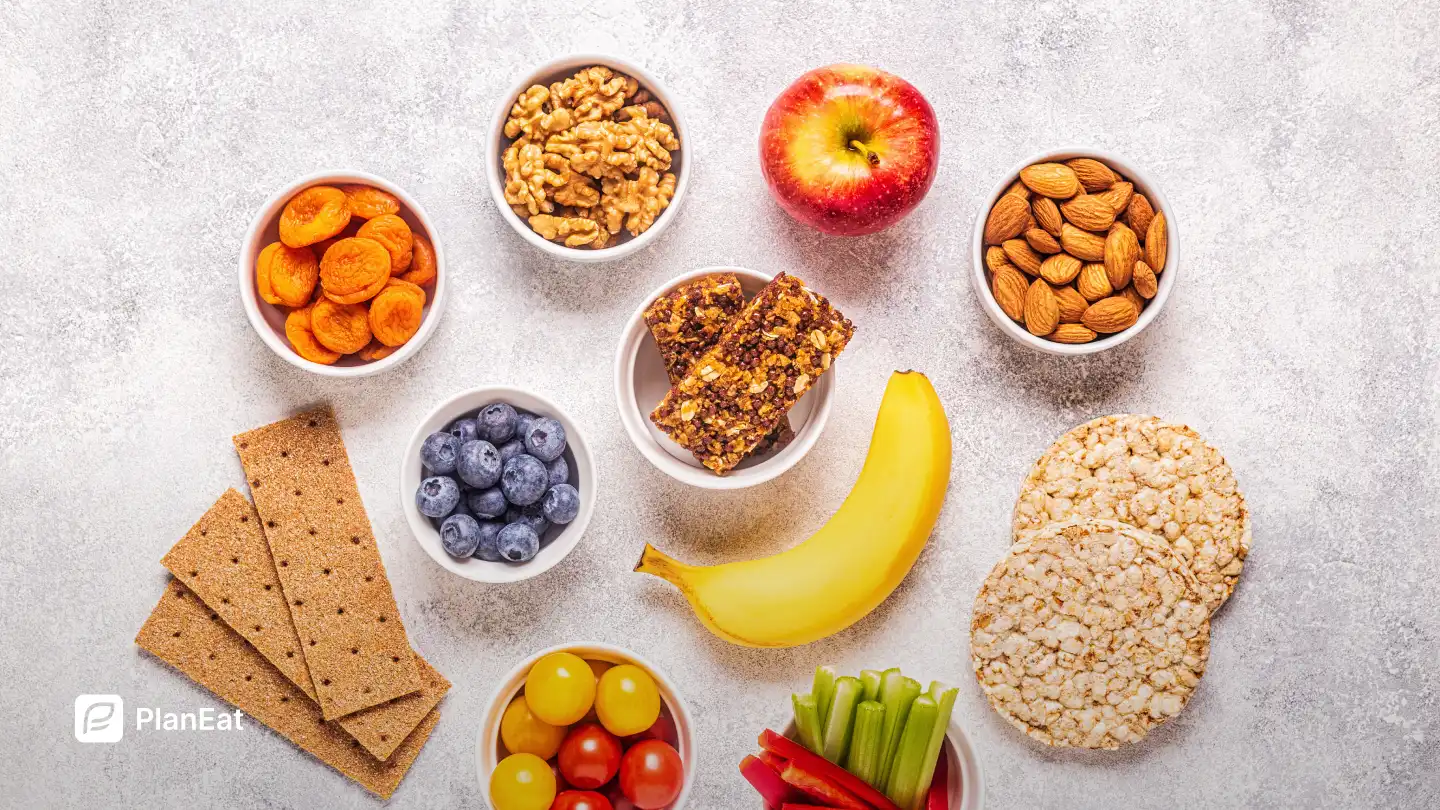
- 15 to 45 minutes before: mostly carbs, easy to digest
Good post-workout meals:
- Rice bowl with chicken or tofu, vegetables, and salsa
- Eggs with potatoes and a side salad
- Lentil soup plus whole grain toast
If you want more simple timing guidance, Eat Before vs After Workouts: Simple Timing Rules (2026) pairs well with this.
A “weekend warrior” sample schedule
Here is a realistic way to structure food when you train Saturday and Sunday, or two random weekdays.
Non-training days
- Repeat one protein-forward breakfast most days
- Keep lunch and dinner balanced and meal-based
- Use one planned snack if you have long gaps
Training day
- Eat a normal meal 2 to 3 hours before training when possible
- If training is late or you are hungry, add a small snack 30 to 60 minutes before
- Eat a real meal after training, not just a snack
The goal is not to be “perfect.” The goal is to avoid the common pattern of skipping meals, then eating randomly at night.
What to do if your two training days are intense
If your workouts are long, heavy, or you add cardio, you may need a bigger carb bump. The simplest sign is performance: if you feel flat, weak, or unusually sore, you may be under-fueled.
Practical adjustments:
- Add one more carb serving on training days
- Add a second planned snack if there are long gaps
- Keep hydration and sleep steady, since recovery is not only food
If busy nights make dinner inconsistent, Emergency Meals for Busy Nights: What to Eat When You Have No Time (2026) can help you keep a stable routine even when your schedule changes.
If you find a two-day training routine that works, PlanEat AI helps you save a plan as reusable and swap meals quickly while keeping a steady base of repeatable protein and fiber across the week.
FAQ
Can you build muscle training only 2 days a week?
Yes, especially if you train consistently and progress over time. Nutrition helps most when protein is steady across the week and you are not under-eating on regular days.
Should I eat more on training days?
Often, slightly. Many people feel and perform better with a small carb increase on training days and a clear post-workout meal. The change does not need to be huge.
What should I eat before a workout if I train after work?
If you have 2 to 3 hours, eat a normal meal with protein and carbs. If you only have 30 to 60 minutes, choose something easier to digest like fruit and yogurt, oatmeal, or toast with a protein side.
What if I train on weekends and eat “off plan” socially?
Plan around it instead of fighting it. Keep weekdays steady, use a protein-forward breakfast and lunch on training days, and aim for a balanced dinner. Consistency over the whole week matters more than one meal.
Educational content only, not medical advice.
The simplest two-day training nutrition plan
Keep your non-training days consistent with protein and fiber, then add a small carb-and-protein bump around your two workouts. A steady weekly routine will outperform complicated athlete rules when you train only twice a week.

.webp)
.webp)
%20(2026).webp)
.webp)
%20(2026).webp)
.webp)
.webp)
.webp)
%20Quick%20Ideas%20(2026).webp)
.webp)
.webp)
.webp)
%20Simple%20Staples%20(2026).webp)

.webp)




.webp)


.webp)
.webp)
_.webp)
_.webp)



.webp)
_webp.webp)
_.webp)
_.webp)
_webp.webp)
.webp)
.webp)
_%20What%20to%20Buy%20When%20(2026)_.webp)
_.webp)
webp.webp)
_.webp)
.webp)
.webp)
.webp)
.webp)
.webp)
.webp)


.webp)
.webp)
.webp)
.webp)

.webp)

.webp)

.webp)
.webp)
%20%2B%207%E2%80%91Day%20Menu.webp)
.webp)


.webp)
.webp)




.webp)
.webp)
.webp)
.webp)
%20iOS%20Focus.webp)
.webp)
.webp)
.webp)
.webp)
.webp)