Healthy Sauces and Shortcuts: Make Meals Taste Better Fast (2026)
.webp)
TL;DR: If healthy eating feels boring, you probably do not need new recipes. You need a small set of sauces and shortcuts that make simple foods taste good in minutes. This guide gives practical sauce ideas, quick flavor upgrades, and an easy way to keep meals interesting without extra cooking.
Why sauces matter more than new recipes
Most people quit “healthy eating” because meals feel repetitive. The common mistake is trying to fix that by constantly searching for new recipes, which adds time and decision fatigue.
A better approach is to keep meals simple and change flavor. One protein, one carb, and one vegetable can taste totally different with a different sauce or seasoning. That is how you stay consistent on normal weeks.
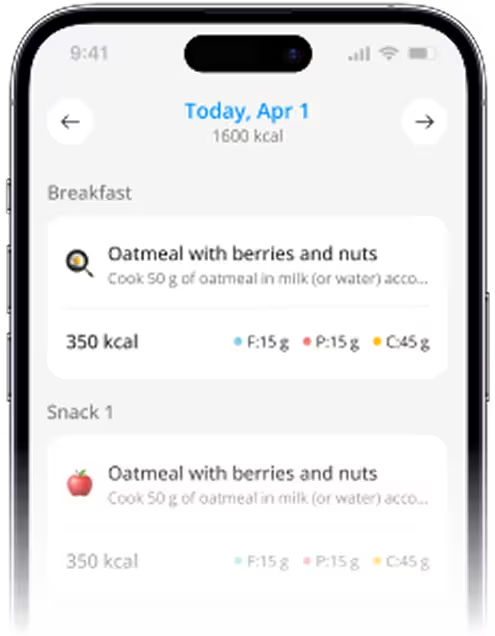
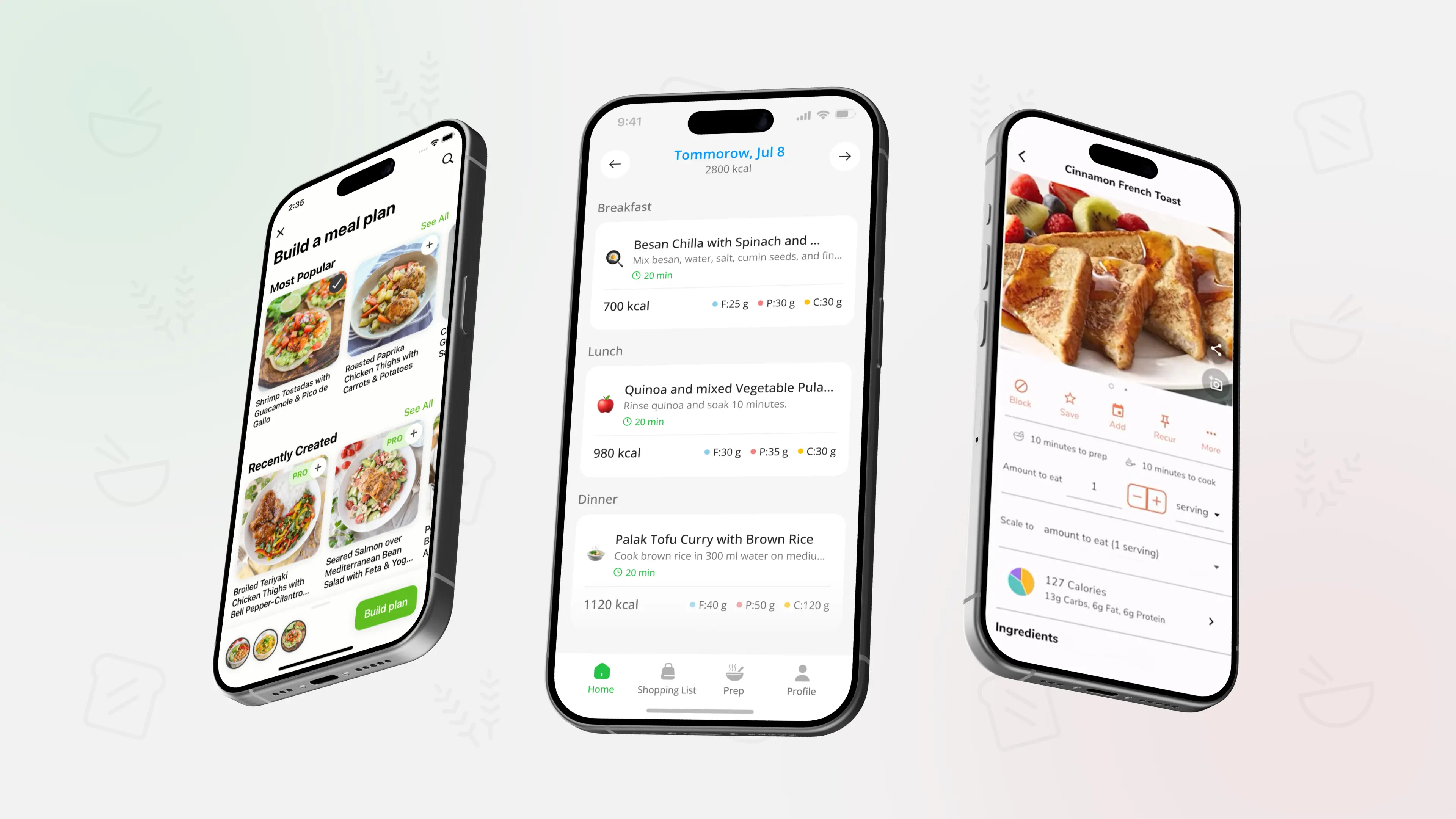
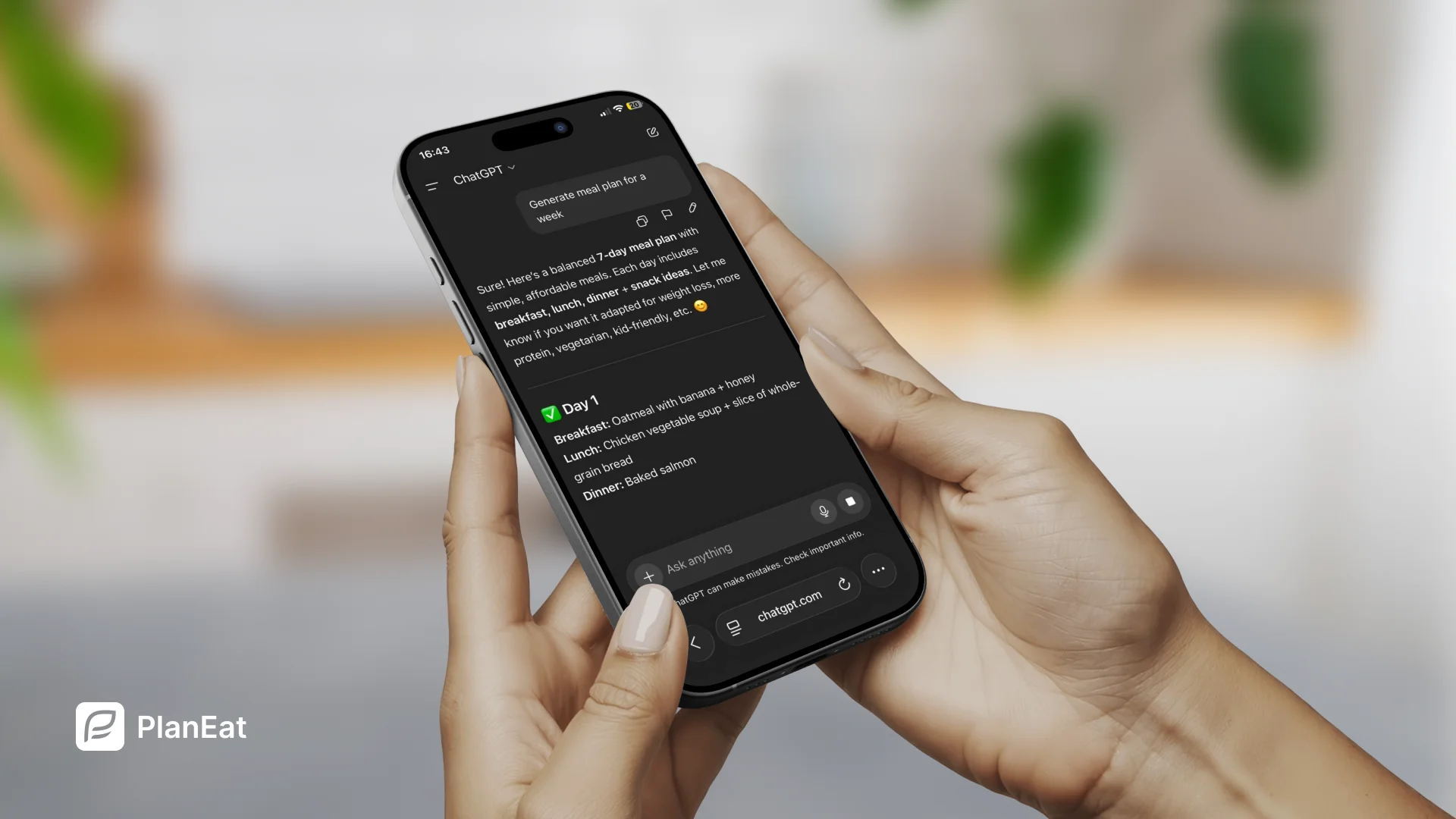
If you want variety without overthinking, PlanEat AI can generate a weekly meal plan and a grouped grocery list personalized to your goals, dislikes, cooking time, and basic restrictions, with simple swaps when you get bored of a meal.
The “healthy sauce” rules that keep meals on track
A sauce can upgrade a meal, but it can also quietly add a lot of sugar or calories. You do not need to fear sauces, you just need a few simple rules.
Use these guidelines:
- Choose sauces that add flavor with acid, herbs, and spices, not just sugar.
- Keep one creamy option, one spicy option, and one “fresh” option.
- Use sauces to make vegetables easier to eat, not to hide the meal.
- Portion intentionally. Even healthy fats add up.
If you want a simple structure for balanced meals first, Healthy Eating Basics: Build a Balanced Plate pairs well with this.
10 healthy sauces you can make or buy fast
These are designed to be quick, repeatable, and US-grocery friendly.
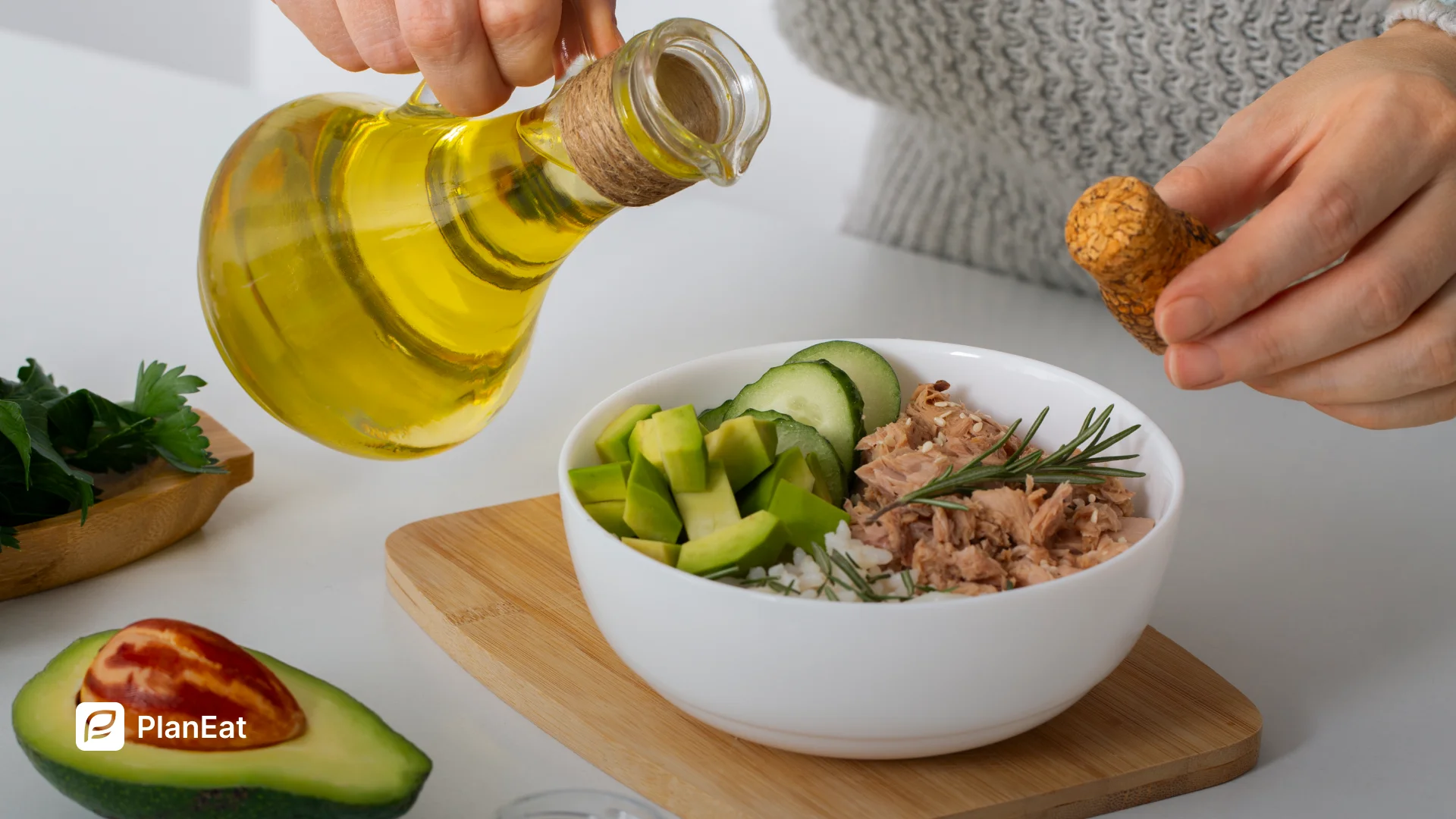
1. Lemon olive oil vinaigretteOlive oil plus lemon juice plus salt and pepper. Add Dijon or garlic if you want more flavor.
2. Greek yogurt garlic sauceGreek yogurt plus garlic powder plus lemon and salt. Great with bowls, wraps, and roasted vegetables.
3. Tahini lemon sauceTahini plus lemon plus water to thin plus salt. Works with grain bowls, chickpeas, and roasted veggies.
4. Quick salsa bowl sauceSalsa plus a squeeze of lime. Add Greek yogurt for a creamier version.
5. Peanut sauce shortcutPeanut butter plus soy sauce plus warm water. Add garlic, ginger, or chili flakes if you like.
6. Pesto upgradeUse pesto as a finishing sauce, not a cooking sauce. A little goes a long way and it changes the whole meal.
7. Marinara plus heatMarinara plus chili flakes is an easy pasta, veggie, or protein sauce. Add extra vegetables to the pan.
8. Soy sauce and vinegar mixSoy sauce plus rice vinegar plus a little sesame oil if you want it. Great for stir-fries and bowls.
9. Mustard vinaigretteDijon plus vinegar plus olive oil plus salt. It makes salads and roasted vegetables taste brighter.
10. Hummus as a sauceThin hummus with a little water and lemon. It becomes a creamy sauce for bowls and wraps.
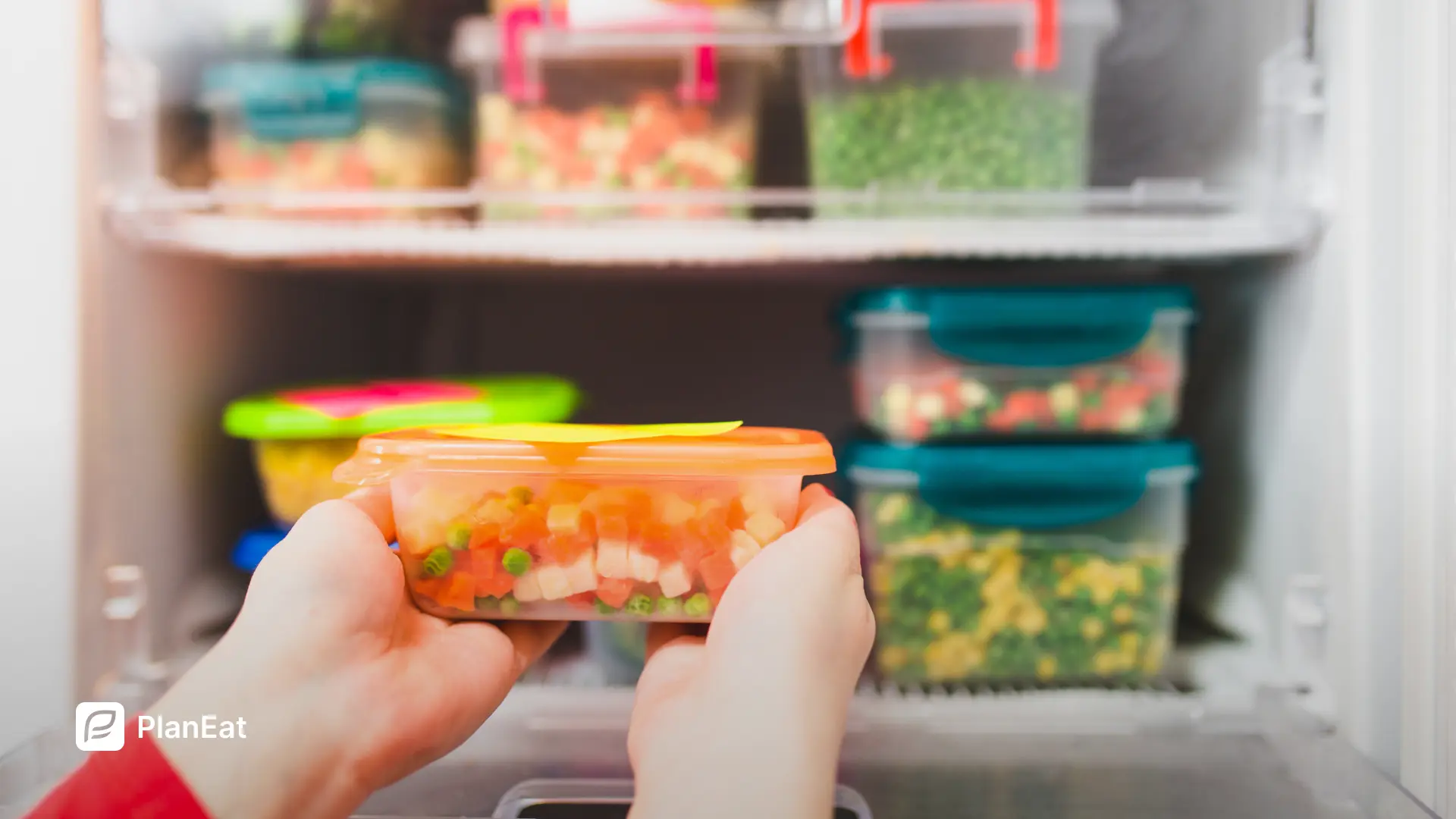
If you rely on freezer staples, sauces can completely change how frozen vegetables taste. Frozen Produce Hacks: How to Make It Taste Better (2026) shows cooking techniques that pair well with these sauces.
Shortcuts that make meals feel easier without becoming “processed meals”
Shortcuts are not cheating. They are how busy people eat consistently. The goal is to use convenience items to build meals, not to replace every meal with packaged snacks.
High-impact shortcuts:
- Bagged salads or pre-washed greens
- Frozen vegetables and frozen berries
- Rotisserie chicken, tofu, canned beans
- Microwave rice or pre-cooked grains
- Pre-cut vegetables when needed
- Canned lentil or bean soups with a simple add-on
A reliable pattern on busy nights is protein plus bagged salad plus a sauce. You do not need to cook everything from scratch for it to count.
If you want a system for nights when you have no time, Emergency Meals for Busy Nights: What to Eat When You Have No Time (2026) fits naturally with this approach.
If you find a few sauce-and-shortcut combos you like, PlanEat AI helps you save a plan as reusable and swap meals quickly while keeping a steady base of repeatable protein and fiber across the week.
FAQ
What are the healthiest store-bought sauces?
Look for sauces with lower added sugar and ingredients you recognize. Salsa, marinara, mustard, and simple vinaigrettes are often good options. Creamy sauces can still work if you portion them intentionally.
How do I make healthy meals taste better fast?
Use a simple formula: acid plus salt plus a flavor booster. Lemon, vinegar, salsa, garlic, and spices can upgrade meals quickly. Keeping one or two go-to sauces ready is often enough.
Are sauces bad for weight loss?
Not automatically. The issue is portion and added sugar. If you keep meals protein-forward and use sauces intentionally, sauces can actually help you stay consistent because food tastes better.
What is the easiest sauce to make with almost nothing?
Lemon olive oil vinaigrette is one of the easiest. Olive oil, lemon or vinegar, salt, and pepper are enough to make a meal taste brighter.
Educational content only, not medical advice.
The fastest way to make healthy meals enjoyable
Do not rely on new recipes for variety. Keep meals simple and rotate sauces. With a few go-to sauces and smart shortcuts like frozen vegetables and bagged greens, healthy eating becomes faster and more enjoyable.

.webp)
.webp)
%20Simple%20Staples%20(2026).webp)
.webp)


.webp)
.webp)
.webp)
_.webp)
_.webp)


.webp)
_webp.webp)
_.webp)
_.webp)
_webp.webp)
.webp)
.webp)
_%20What%20to%20Buy%20When%20(2026)_.webp)
_.webp)
webp.webp)
_.webp)
.webp)
.webp)
.webp)
.webp)
.webp)
.webp)

.webp)
.webp)
.webp)
.webp)
.webp)
.webp)

.webp)
.webp)
%20%2B%207%E2%80%91Day%20Menu.webp)
.webp)

.webp)
.webp)




.webp)
.webp)
.webp)
.webp)
%20iOS%20Focus.webp)
.webp)
.webp)
.webp)
.webp)
.webp)
.webp)
.webp)
.webp)
.webp)
..webp)