Meal Planning for Shift Work and Late Nights (2026)
.webp)
TL;DR: Shift work breaks most meal plans because your hunger, energy, and schedule do not follow a standard day. A routine that sticks uses flexible meal options, a small grocery core, and a late-night plan that keeps you satisfied without making sleep harder.
When your schedule changes, your plan has to flex
If you work evenings, nights, or rotating shifts, the hardest part is not “eating healthy.” It is timing. Some days you are hungry at 6 pm, other days you are starting work then. If a plan assumes the same breakfast, lunch, and dinner every day, you will end up restarting weekly.
A better approach is to plan meals by situation: before shift, mid-shift, after shift, and the day you are recovering. That way, you can swap meals based on how your shift actually went.
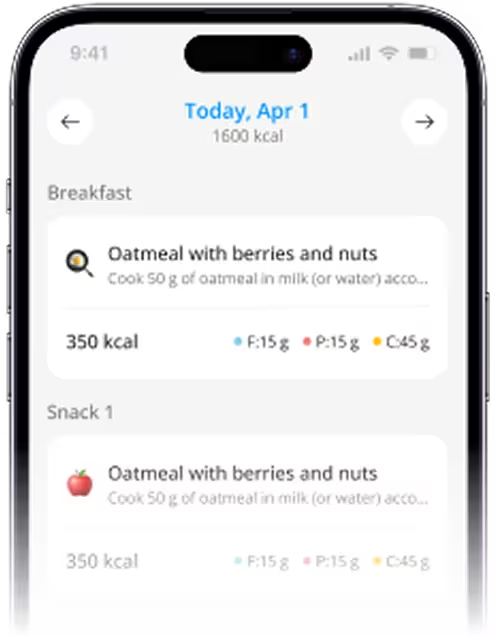
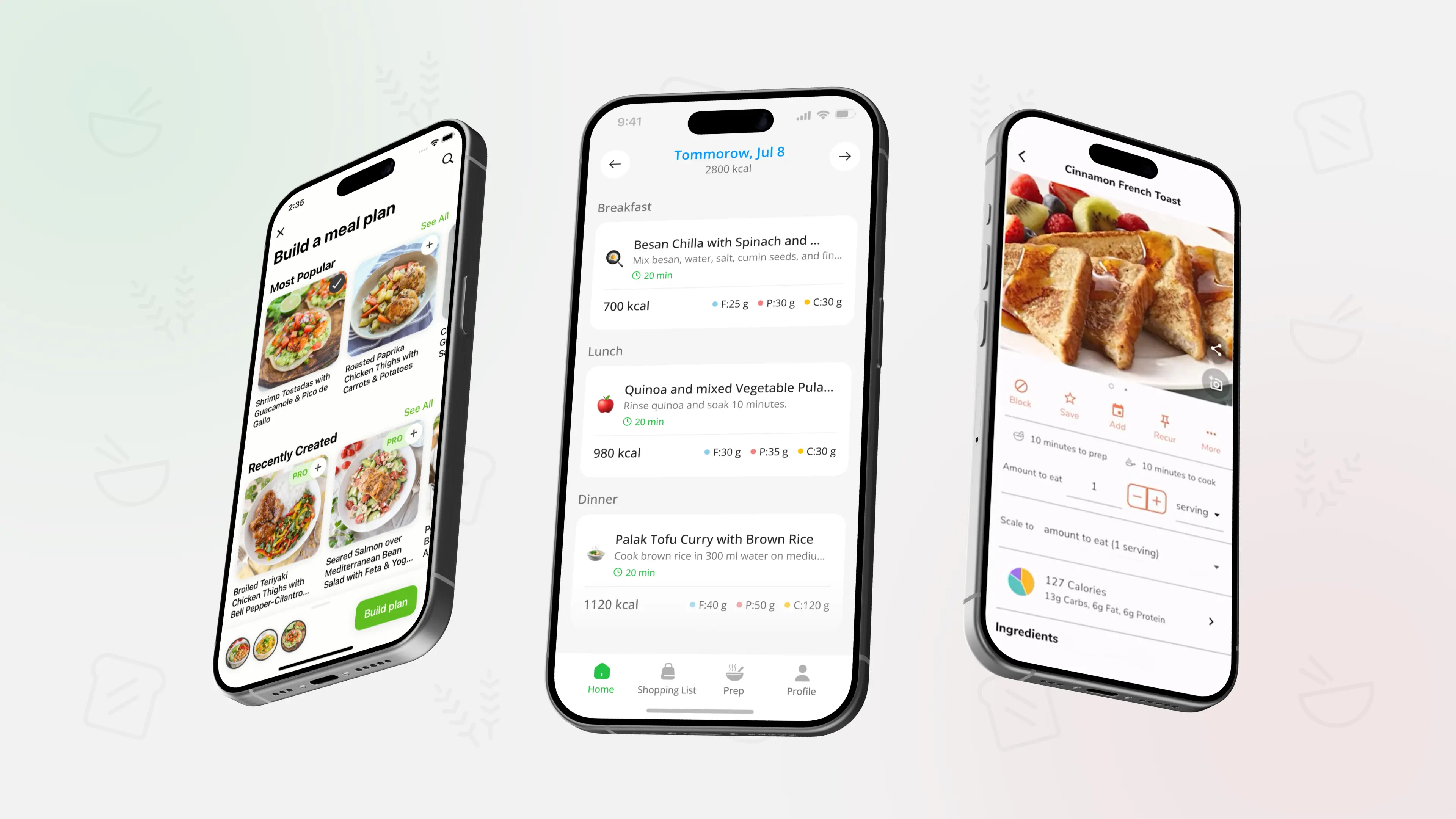
If you want a flexible structure without rebuilding it every week, PlanEat AI generates a weekly meal plan and a grouped grocery list personalized to your goals, dislikes, and the time you have to cook. You can keep meals simple and swap them around when your shifts run long.
A simple weekly template for shift workers
You do not need a perfect calendar. You need a repeatable set of meals that cover your most common scenarios.
Use this weekly template:
- 2 cooked anchor meals you can eat twice
- 2 fast meals that take 10 to 15 minutes
- 2 no-cook or minimal-cook meals for low-energy days
- 1 backup meal for the night everything goes sideways
Practical anchor meals that reheat well:
- Sheet-pan chicken thighs and vegetables
- Chili or bean and turkey skillet
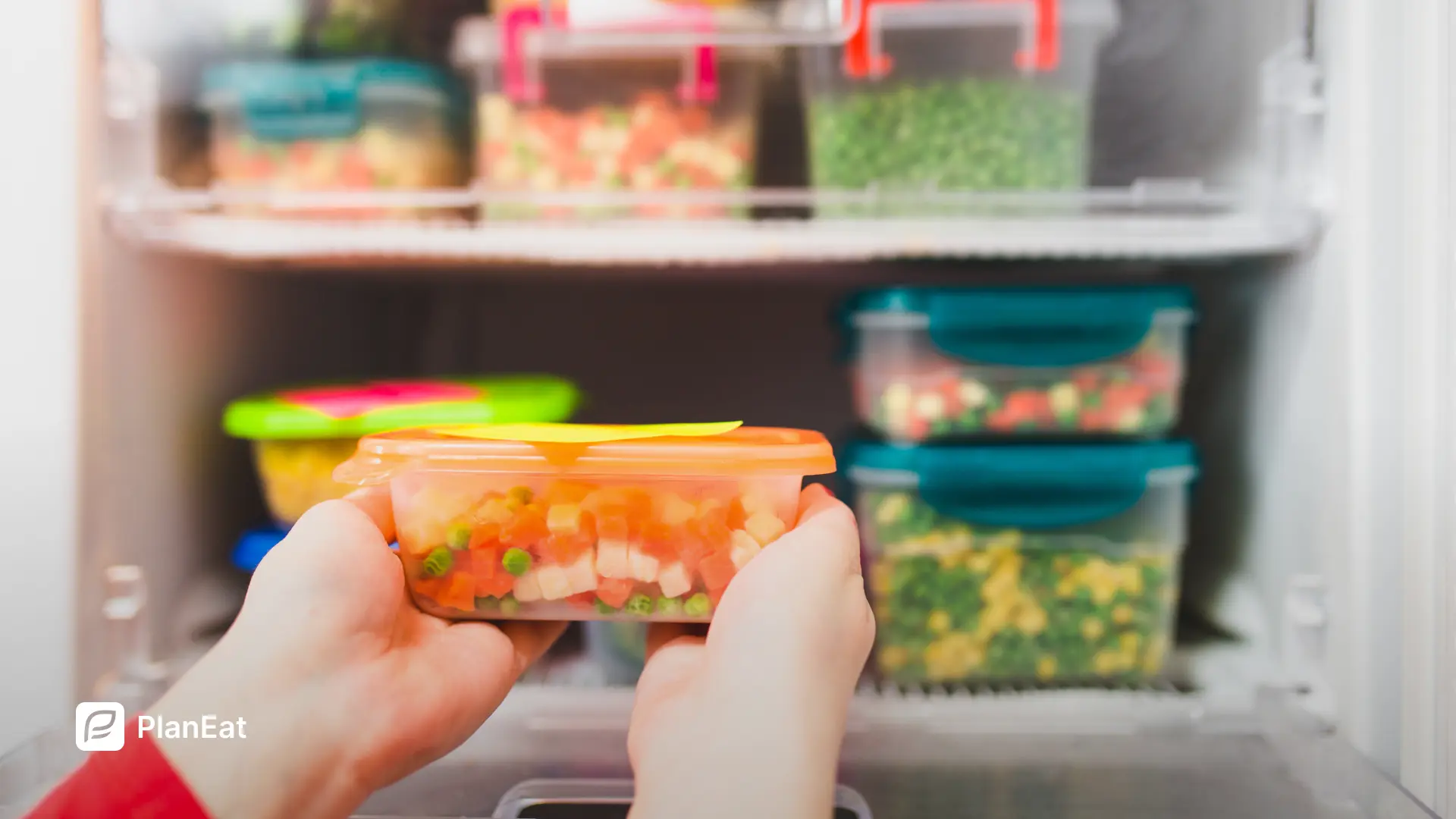
- Rice bowls with a protein and frozen vegetables
Fast meals for late starts:
- Eggs plus toast plus fruit
- Rotisserie chicken plus bagged salad
- Canned tuna or beans in a wrap with veggies
If packing food for work is part of the problem, Reheat-Friendly Lunches for Work (5-Day Plan) has a few formats that travel well and do not turn soggy.
What to eat on late nights without wrecking the next day
Late-night eating is not automatically “bad.” The key is choosing foods that satisfy you without leaving you overly full right before sleep.
A simple rule: aim for protein plus fiber, keep the portion moderate, and limit heavy, greasy meals right before bed.
Good late-night options:
- Greek yogurt with berries and a handful of nuts
- A small bowl: rice, frozen vegetables, and a protein
- Eggs with spinach on toast
- Cottage cheese with fruit
- Soup plus a piece of bread
If you are truly hungry after a long shift, eating something balanced is usually better than trying to force sleep while starving. The goal is to avoid the pattern of skipping food, then overeating on whatever is easiest.
The grocery routine that makes shift work easier
Shift work meal planning lives or dies at the grocery store. If you buy lots of one-off ingredients, you will not have the energy to use them.
Build a small grocery core that supports multiple meals:
- 1 main protein you will actually cook
- 1 backup protein for low-effort meals (eggs, canned beans, canned tuna)
- 2 long-lasting vegetables plus 1 frozen vegetable
- 1 carb base (rice, tortillas, potatoes)
- 2 flavor shortcuts (salsa, pesto, marinara, seasoning blend)
- 1 convenience item for emergency nights
This keeps your plan realistic even when you get home late. If you want a clean way to turn this into a repeatable habit, Weekly Grocery Routine (2026) can help you structure the week without overplanning.
With PlanEat AI, you can save a weekly plan as reusable, swap meals quickly when your schedule changes, and keep a repeatable protein-and-fiber backbone so late nights do not derail your routine.
FAQ
How do I meal plan if my shifts change every week?
Plan by situations instead of days. Keep two anchor meals, a few fast meals, and one backup meal, then choose the order based on your actual schedule.
What should I eat during a night shift?
Aim for a balanced meal earlier in the shift and a lighter protein-and-fiber snack later. This usually supports energy without making it harder to sleep afterward.
Is it bad to eat after midnight?
Not automatically. The bigger issue is what and how much you eat. A moderate, balanced option is often better than skipping food and then overeating later.
How can I avoid vending machine snacking at work?
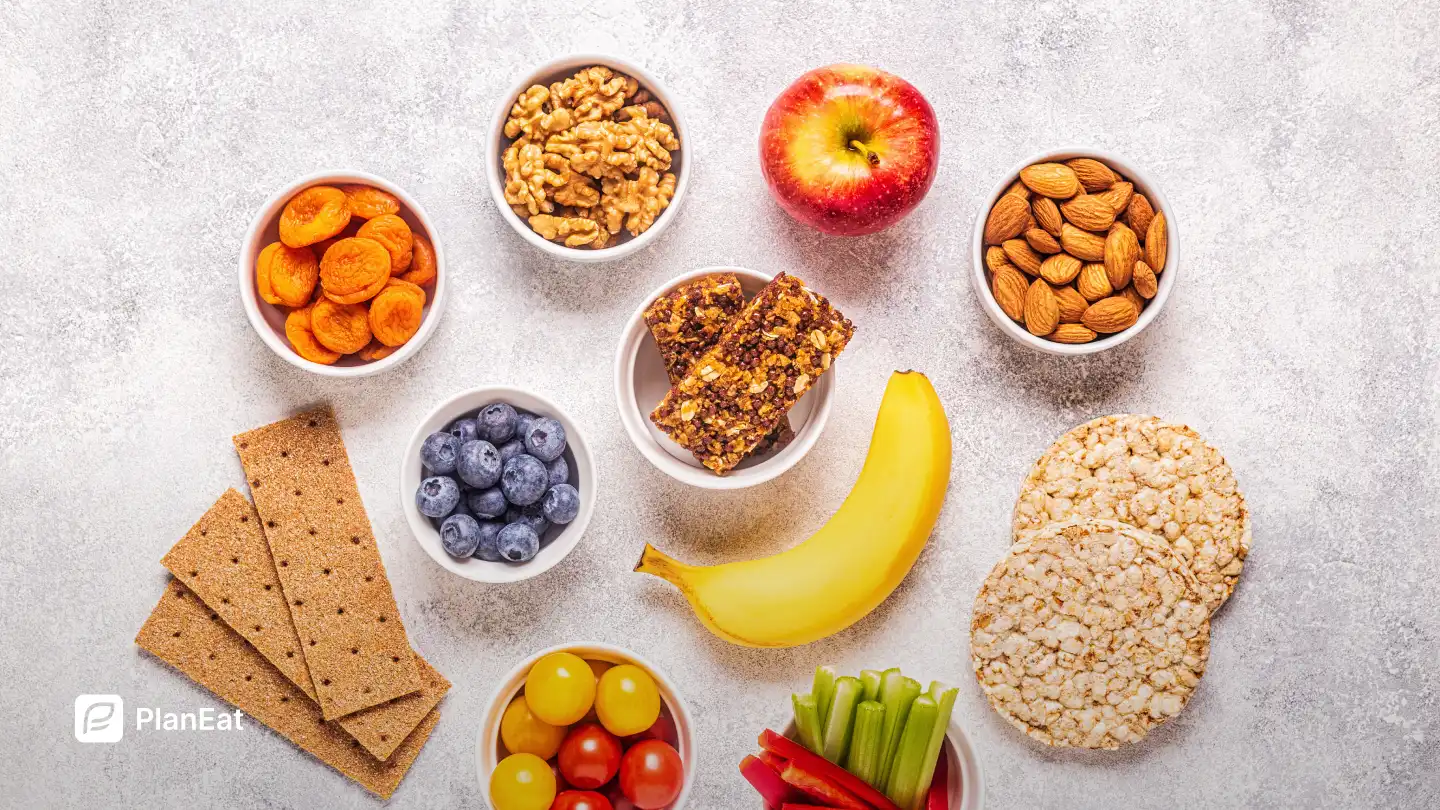
Pack one satisfying snack you actually like, such as Greek yogurt, nuts, a protein bar, or a simple wrap. If you wait until you are starving, convenience food becomes the default.
What if I am too tired to cook after a shift?
That is exactly why you plan for minimal cooking. Keep a true backup option at home like rotisserie chicken, eggs, or a frozen meal you do not hate.
How do I stay consistent on my days off?
Keep the same grocery core and meal templates, but adjust timing based on hunger and sleep. Consistency is about the weekly pattern, not identical days.
Shift-friendly planning is about options, not strict timing
Meal planning for shifts works when you stock flexible meals you can move around. Two anchors, a few fast options, and a simple grocery core can keep late nights consistent without turning food into another job.

%20(2026).webp)
.webp)
.webp)
.webp)
%20Quick%20Ideas%20(2026).webp)
.webp)
.webp)
.webp)
%20Simple%20Staples%20(2026).webp)

.webp)


.webp)
.webp)
.webp)
_.webp)
_.webp)


.webp)
_webp.webp)
_.webp)
_.webp)
_webp.webp)
.webp)
.webp)
_%20What%20to%20Buy%20When%20(2026)_.webp)
_.webp)
webp.webp)
_.webp)
.webp)
.webp)
.webp)
.webp)
.webp)


.webp)
.webp)
.webp)
.webp)

.webp)

.webp)

.webp)
.webp)
%20%2B%207%E2%80%91Day%20Menu.webp)
.webp)


.webp)
.webp)




.webp)
.webp)
.webp)
.webp)
%20iOS%20Focus.webp)
.webp)
.webp)
.webp)
.webp)
.webp)
.webp)
.webp)