Why Grocery Shopping Drives Your Diet (2026)
.webp)
TL;DR: Your diet is mostly decided before you cook, at the store. In 2026, the most reliable way to eat healthier is to shop for repeatable meals, not random healthy items.
The cart is the real plan
Most people think eating better starts with willpower at dinner. In real life, dinner is just the result of what is already in the fridge and pantry. If your cart is full of ingredients that do not connect into meals, you end up improvising, ordering out, or snacking.
A strong grocery trip creates fewer decisions during the week. It also lowers the odds that you waste produce or skip protein and fiber when you are tired. If you want a structured way to build the right kind of list, Grocery List Structure & Money-Saving Tips breaks down how to organize groceries so they actually turn into meals.
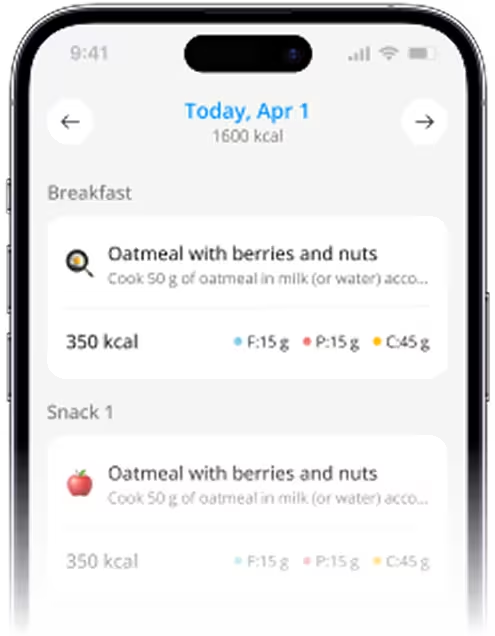
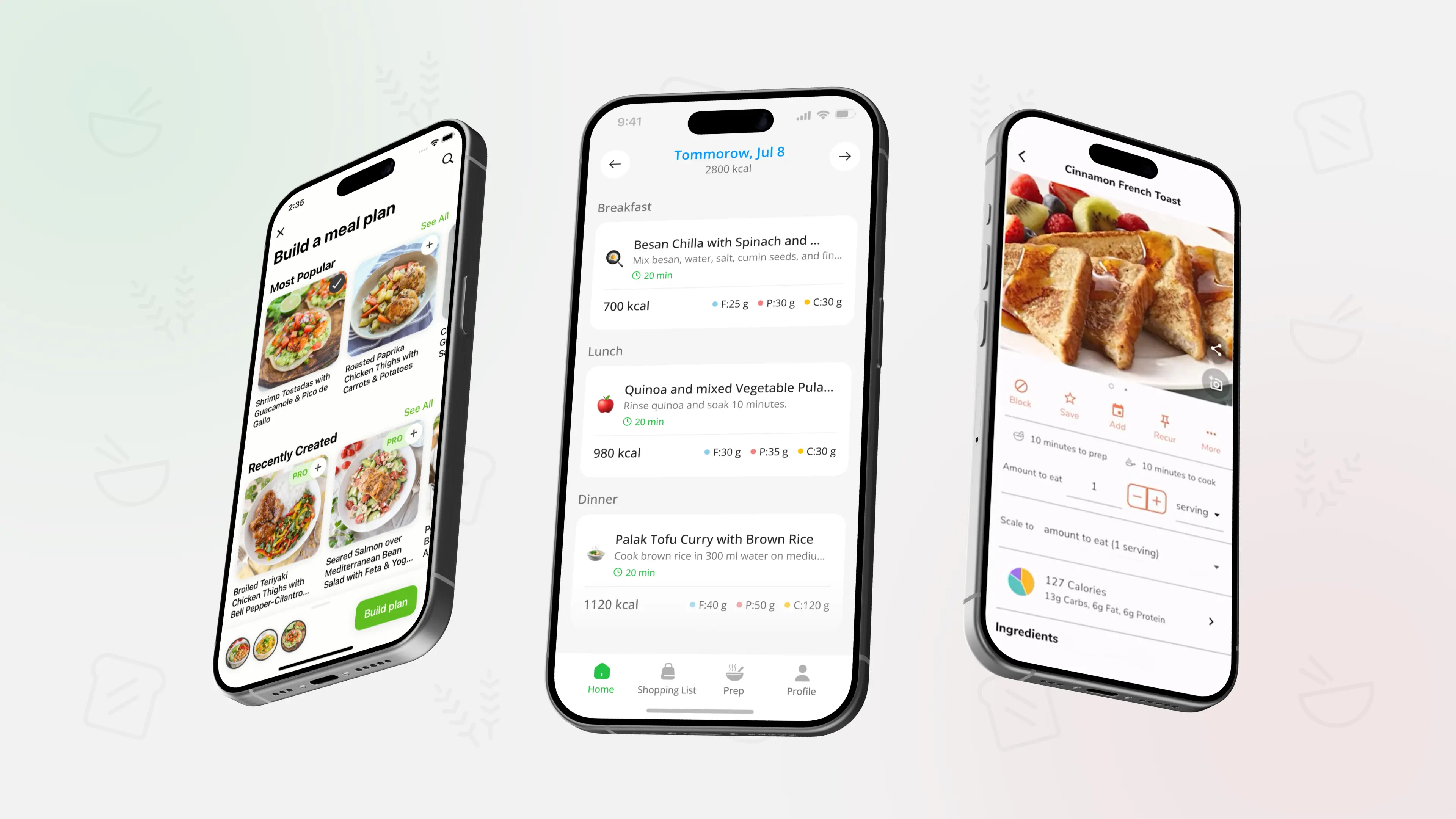
If you want grocery shopping to feel simpler, PlanEat AI generates a weekly meal plan and a grouped grocery list personalized to your goals, dislikes, and the time you have to cook. That way you shop for meals you will actually make, not ideas.
Why shopping decisions beat motivation
Motivation is unstable. Your calendar changes. Your energy drops. That is normal. Grocery shopping, on the other hand, is a decision you can make once and benefit from all week.
When the kitchen is stocked with flexible ingredients, healthy meals become the default option. When it is stocked with mismatched ingredients, even a motivated person ends up stuck. That is why meal planning feels easier in week 1 and harder in week 2. The plan is fragile when the groceries are not built around a repeatable structure, which also connects to the week-2 drop-off explained in Meal Planning Basics: How to Start (Beginner Guide).
The 4 grocery patterns that quietly shape your diet
These patterns show up in most households. Fixing even one can change your week.
- Buying aspirational produce. You buy spinach, berries, and herbs for a version of yourself who has time. Then the week gets busy and those foods spoil.
- Buying ingredients without a meal path. A cart can look healthy, but still fail if items do not combine into a few reliable meals.
- Running out of protein first. When protein is missing, meals become snack-like and less satisfying, so cravings and grazing increase.
- No convenience layer. If everything requires cooking from scratch, your hardest day becomes takeout day.
These are not character flaws. They are system issues. The solution is to shop around meals and default combinations.
A simple cart framework that makes healthy eating automatic
Instead of shopping by vibes, shop by repeatable building blocks. This keeps meals consistent without tracking everything.
Start with a small set of defaults you are happy to repeat.
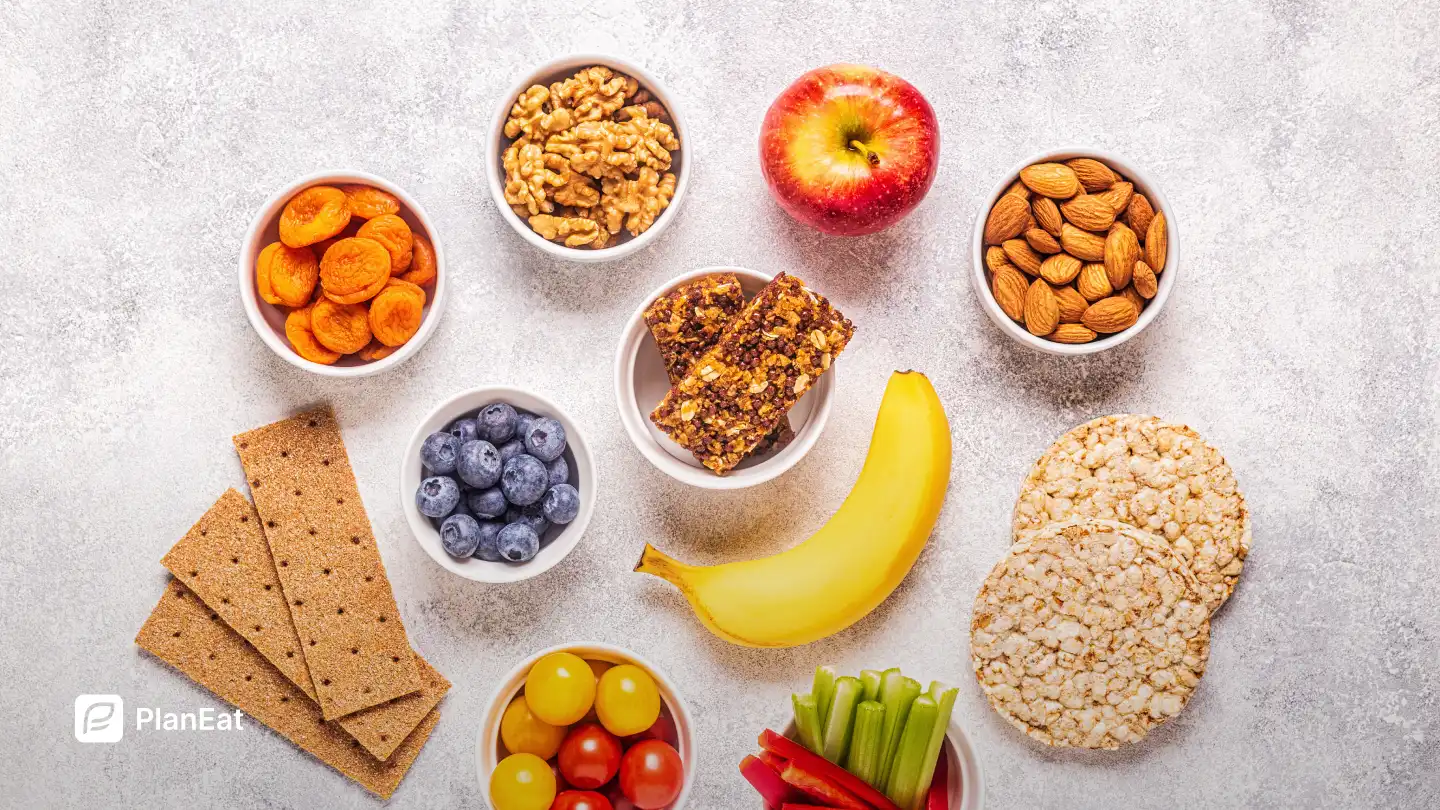
- 1 to 2 proteins you will actually cook (for example chicken thighs and canned beans)
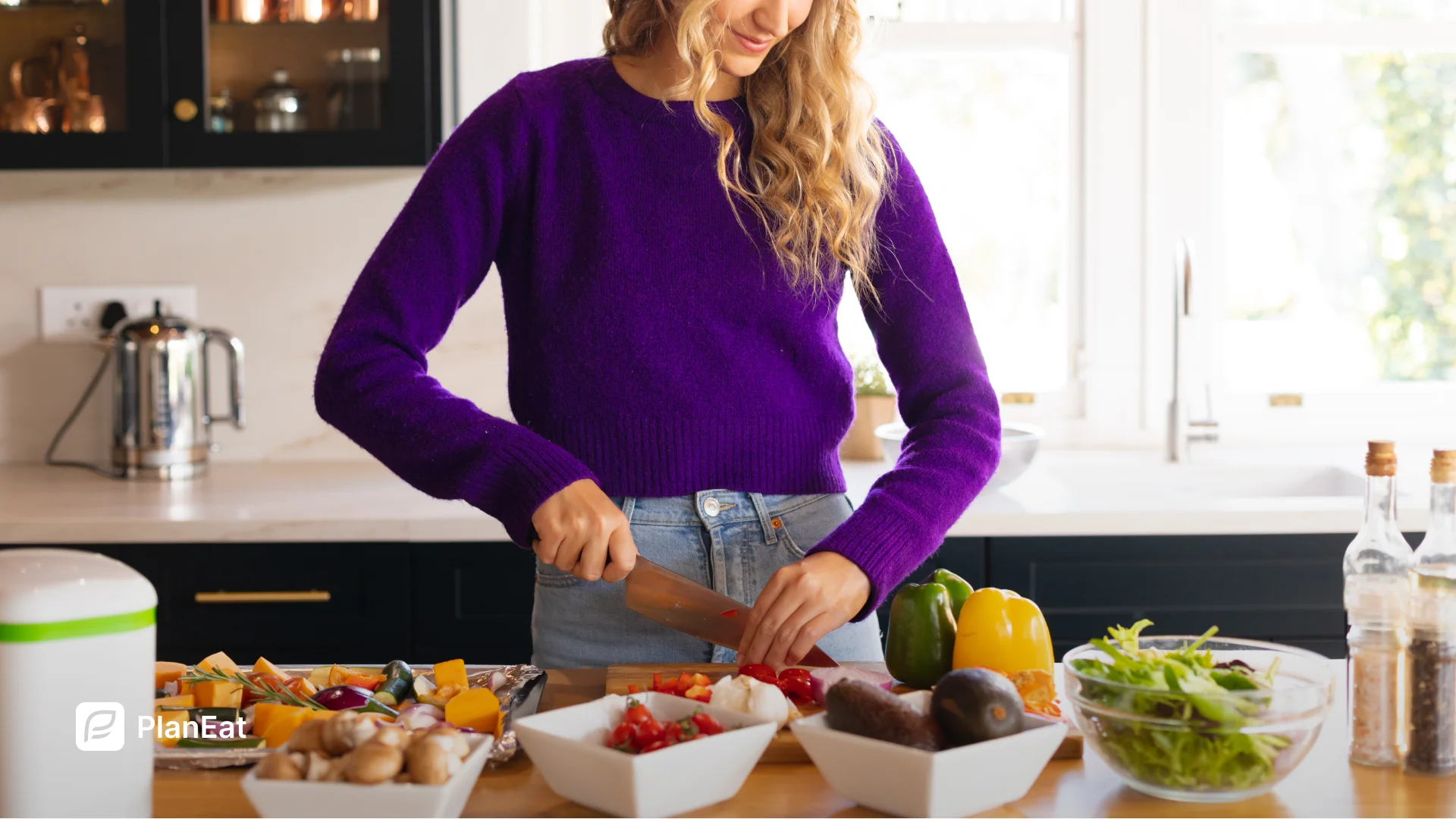
- 2 to 3 vegetables that survive your week (for example carrots, zucchini, frozen broccoli)
- 1 easy carb base (rice, potatoes, tortillas)
- 1 fast sauce or flavor base (salsa, pesto, marinara, tahini)
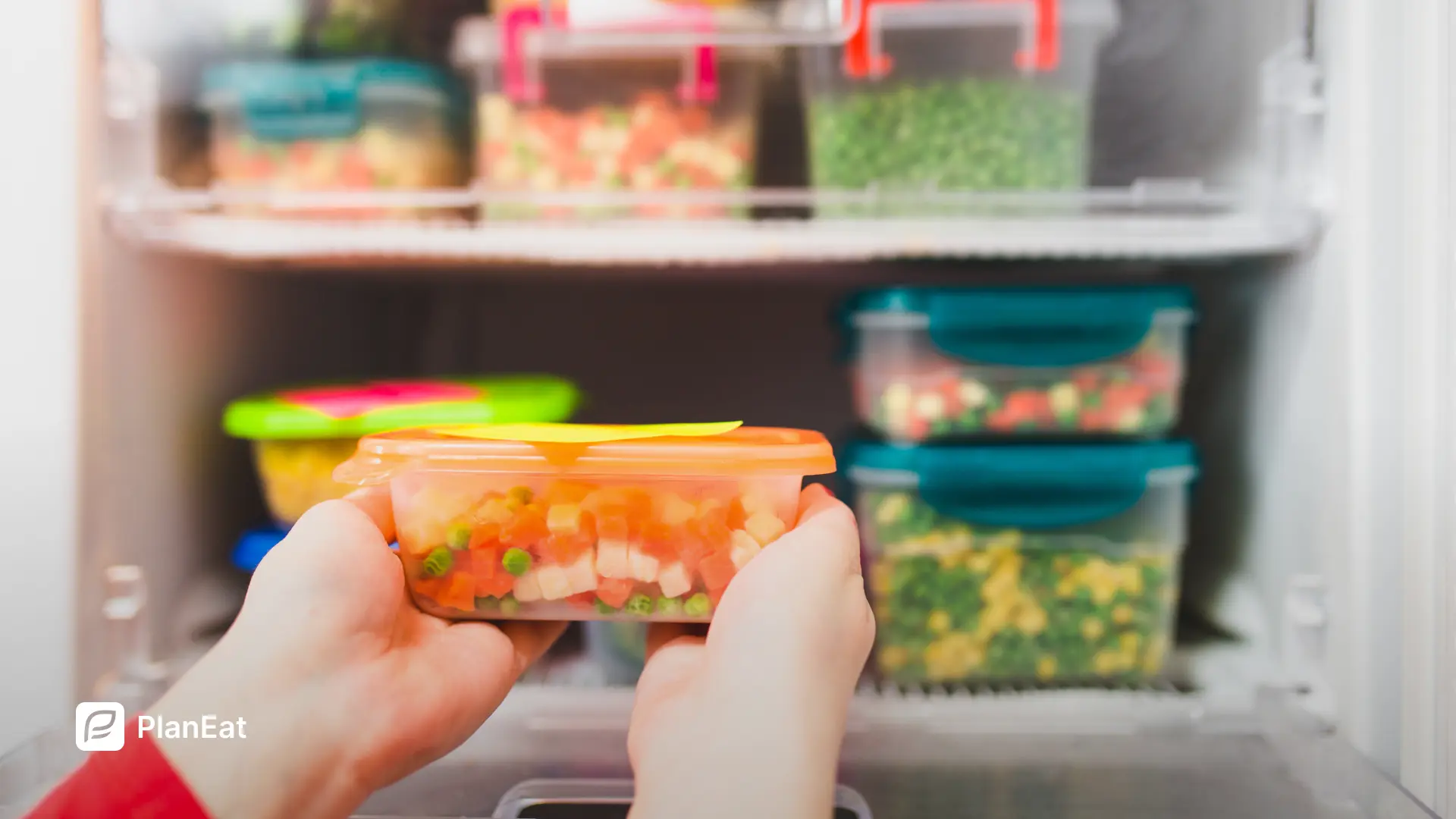
- 1 convenience backup (frozen meal, rotisserie chicken, microwaveable rice)
This creates several meals without requiring seven different recipes. If portions are your main challenge, Portion Control Made Easy (No Scale Needed) pairs well with this approach because it helps you keep meals balanced using simple visual cues.
A 15-minute grocery reset you can do today
If your cart and fridge feel random, use this quick reset before your next grocery run.
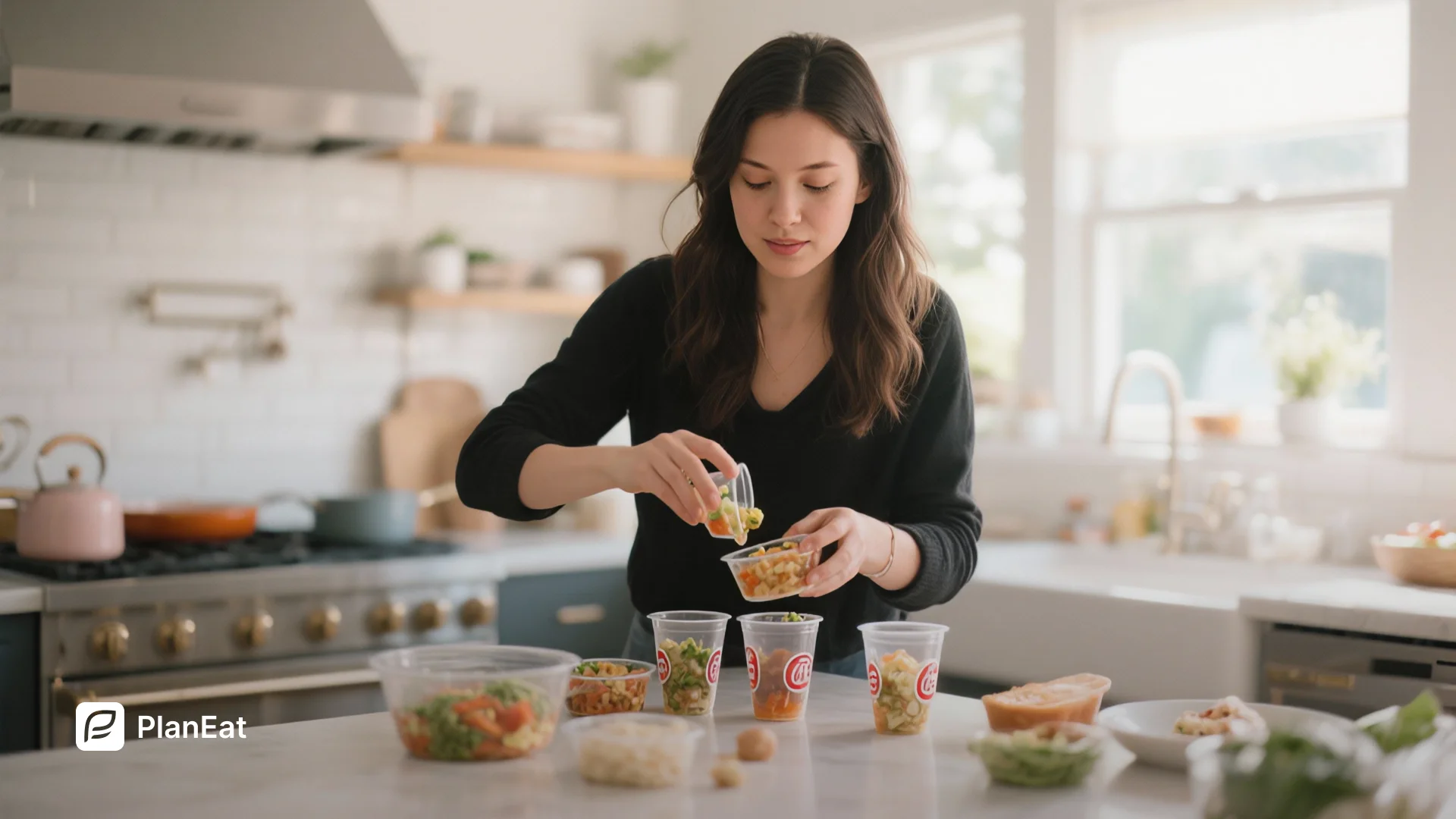
- Pick two anchor dinners you can repeat (one protein-based, one bean or lentil-based).
- Decide what lunch will be twice this week (planned leftovers or a simple bowl).
- Write a short list of five core items you will buy every week.
- Add one convenience option for your hardest day.
- Keep one fun item so the plan does not feel restrictive.
This is enough to stop the cycle of buying good-looking groceries that never become meals.
With PlanEat AI, you can save a weekly plan as reusable, swap meals when your schedule changes, and keep a repeatable protein-and-fiber backbone. That makes your grocery trip serve your week instead of fighting it.
FAQ
Why do I buy healthy groceries but still eat poorly during the week?
Because the items often do not connect into meals. A grocery trip works when it creates a few repeatable meal combinations, not just a cart of healthy foods.
What should I buy every week to make meal planning easier?
A simple core works best: one flexible protein, one backup protein, two vegetables, one carb base, and one sauce or seasoning. Add one convenience option for your busiest day.
How do I stop wasting produce?
Buy less variety and choose produce that holds up for several days. Plan at least two meals that use the same vegetables so you are not relying on motivation.
Is grocery delivery better or worse for healthy eating?
It can be better if you stick to a repeatable list and avoid impulse add-ons. It can be worse if you shop like you are browsing.
Do I need a full meal plan to shop well?
Not always. Two anchor dinners plus a clear lunch plan can be enough to guide your grocery list.
Educational content only, not medical advice.
Your diet is built in the cart, not at the stove
If you shop for repeatable meals, healthy eating becomes the default. When groceries are disconnected from real meals, weeknight decisions become harder than they need to be.

.webp)
.webp)
.webp)
%20Simple%20Staples%20(2026).webp)
.webp)


.webp)
.webp)
.webp)
_.webp)
_.webp)


.webp)
_webp.webp)
_.webp)
_.webp)
_webp.webp)
.webp)
.webp)
_%20What%20to%20Buy%20When%20(2026)_.webp)
_.webp)
webp.webp)
_.webp)
.webp)
.webp)
.webp)
.webp)
.webp)
.webp)

.webp)
.webp)
.webp)
.webp)
.webp)

.webp)
.webp)
%20%2B%207%E2%80%91Day%20Menu.webp)
.webp)

.webp)
.webp)



.webp)
.webp)
.webp)
.webp)
%20iOS%20Focus.webp)
.webp)
.webp)
.webp)
.webp)
.webp)
.webp)
.webp)
.webp)
.webp)
..webp)