Vegan Meal Planning for Beginners (Balanced & Easy)
.webp)
TL;DR: Beginner vegan meal planning works best when you keep it simple. Build meals around plants plus protein, learn where key nutrients come from, repeat a small set of breakfasts, lunches, and dinners, and shop with a clear list. You do not need complicated recipes to eat a balanced vegan diet, just a few reliable patterns you can reuse.
What balanced vegan meal planning actually means
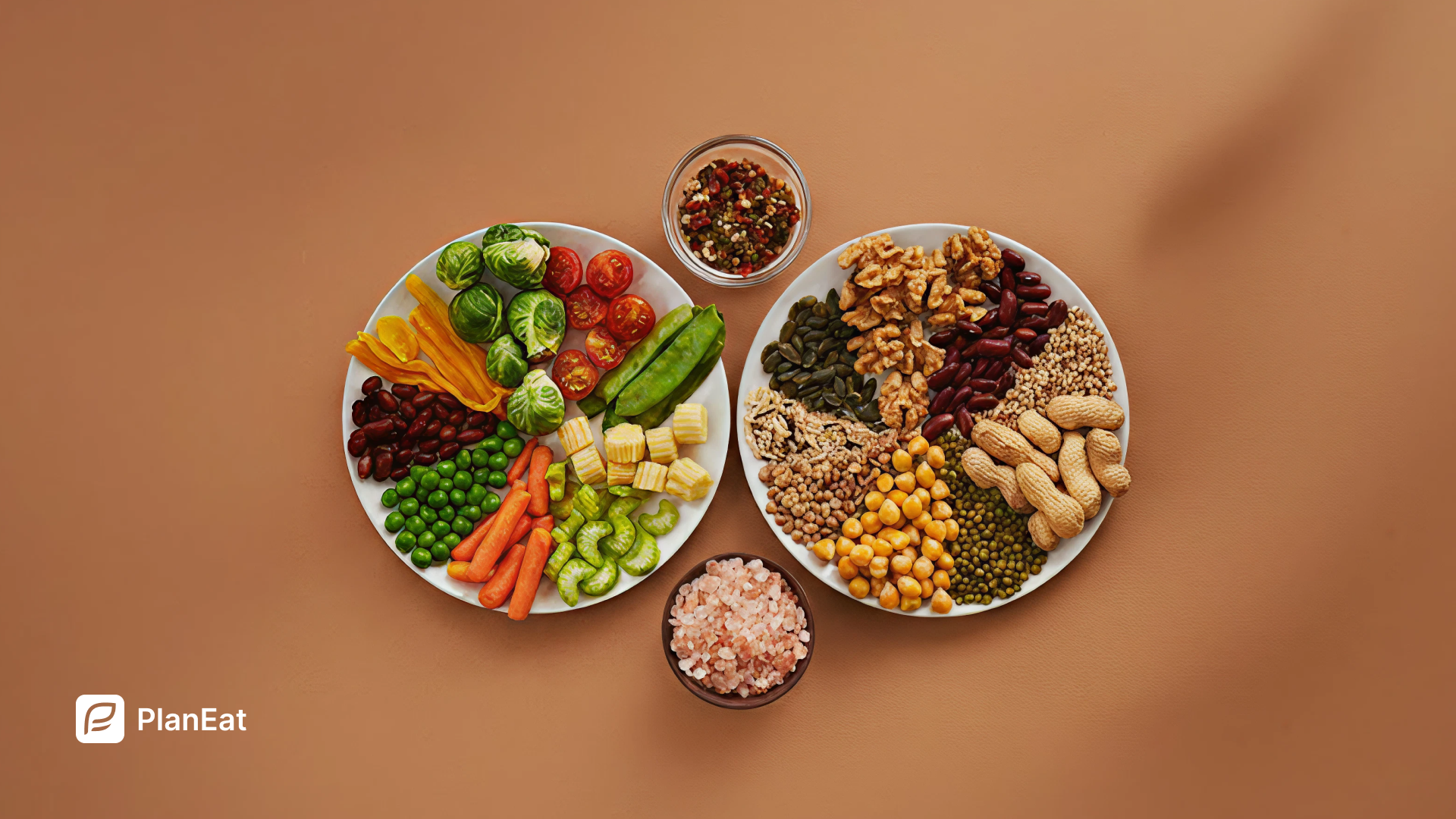
A balanced vegan meal is more than pasta and tomato sauce. The idea is similar to a regular balanced plate, just with plant based protein.
Core pieces of a balanced vegan plate:
- A protein source like beans, lentils, tofu, tempeh, edamame, or soy yogurt
- High fiber carbs such as whole grains, potatoes, or starchy vegetables
- Plenty of vegetables and some fruit across the day
- Healthy fats from nuts, seeds, avocado, or oils
If you want a quick visual of what portions can look like, start with Healthy Eating Basics: Build a Balanced Plate and mentally swap animal proteins for plant based ones.
Key point for beginners: try to include a clear protein source and at least one high fiber component in every main meal. This helps you feel full and keeps energy more stable.
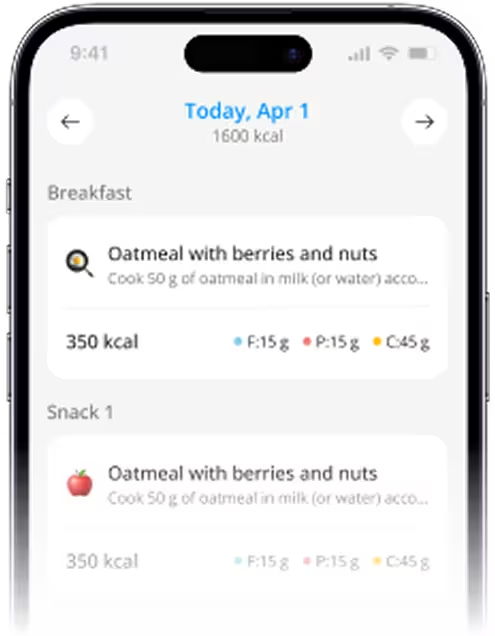
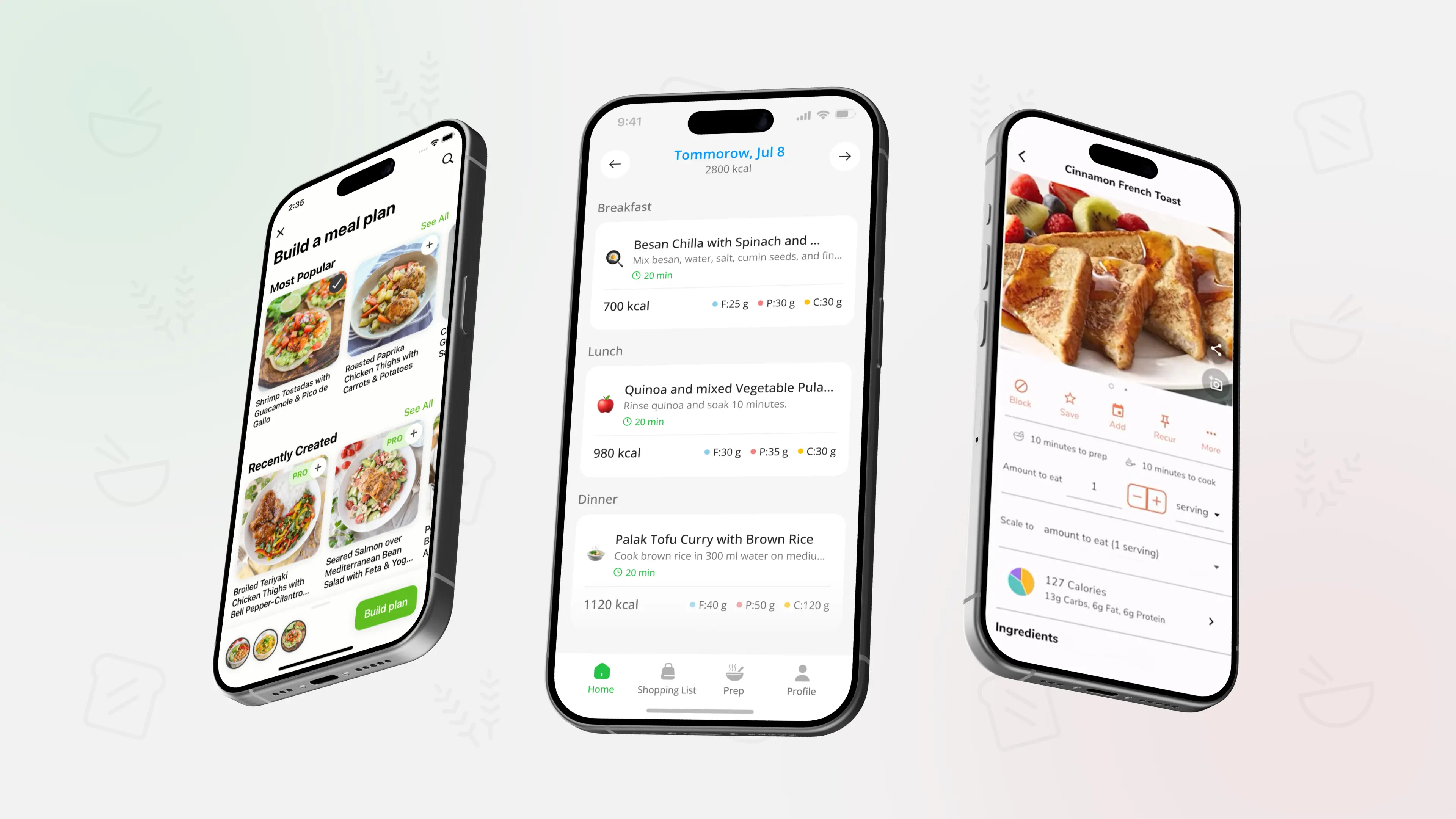
If you like the idea of a balanced vegan plate but do not want to design every meal by hand, you can use PlanEat AI to generate a vegan weekly meal plan and grouped grocery list around your goals, dislikes, and time limits. You pick how many breakfasts, lunches, and dinners you want, then adjust a concrete plan instead of starting from a blank page.
Key nutrients to cover on a vegan meal plan
You can get everything you need from a well planned vegan diet, but some nutrients need more attention.
Important areas for beginners:
- Protein include beans, lentils, tofu, tempeh, edamame, soy yogurt, or seitan at most meals.
- Iron use beans, lentils, tofu, pumpkin seeds, and dark leafy greens. Pair them with vitamin C rich foods like bell peppers, citrus, or tomatoes to support absorption.
- Calcium choose fortified plant milks, calcium set tofu, and leafy greens like kale or bok choy.
- Omega 3 add ground flaxseed, chia seeds, walnuts, and some canola or flax oil.
- Vitamin B12 usually comes from fortified foods or a supplement. This is one area where personal medical advice is important.
For a simple overview of how much protein, carbs, and fat you likely need overall, you can use Macros for Beginners: Protein, Carbs, Fat (How Much?) and then apply those ideas to vegan foods.
If you have medical conditions or special needs, talk with a health professional or registered dietitian before making big changes.
Simple 3 day vegan starter template
You do not need a full cookbook to get started. A small, repeatable structure works better for most beginners.
Here is a 3 day template you can repeat or mix and match.
Day 1
- Breakfast overnight oats with soy milk, chia seeds, frozen berries, and peanut butter.
- Lunch quinoa chickpea salad with cucumber, tomato, parsley, lemon, and olive oil.
- Dinner tofu stir fry with mixed vegetables and brown rice.
Day 2
- Breakfast whole grain toast with mashed avocado and hemp seeds, plus a piece of fruit.
- Lunch lentil soup with carrots and celery, served with whole grain bread.
- Dinner chickpea and vegetable curry with basmati rice.
Day 3
- Breakfast smoothie with soy milk, banana, spinach, ground flaxseed, and frozen berries.
- Lunch hummus, veggie, and bean wrap with a side salad.
- Dinner baked tempeh, roasted potatoes, and a tray of roasted vegetables.
If you want to see how a full week of structured meals can look, you can adapt ideas from Vegetarian High-Protein Meal Plan (7-Day) and simply keep all meals vegan.
Grocery list basics for beginner vegans
Shopping becomes much easier when you have a list that matches your plan.
Helpful categories for your list:
- Pantry beans, lentils, chickpeas, whole grain pasta, rice, quinoa, oats, canned tomatoes.
- Fridge tofu, tempeh, soy or pea based yogurt, fortified plant milks, hummus.
- Produce leafy greens, broccoli, carrots, onions, garlic, peppers, potatoes, sweet potatoes, seasonal fruit.
- Fats and extras olive oil, canola oil, nuts, seeds, tahini, nut butters, herbs and spices.
If you are building your kitchen from scratch, Pantry Staples: Build a Healthy Kitchen (Practical Checklist) gives a more detailed list you can adapt to a vegan pattern.
For people who like to batch cook, pairing a basic vegan grocery list with the structure from 2-Hour Weekend Meal Prep: Cook Once, Eat All Week can cover several days of meals with one cooking block.
Common beginner mistakes and how to avoid them
A vegan label does not automatically make a meal balanced. These are common issues for new vegans.
Watch out for:
- Relying mostly on bread, pasta, fries, and vegan treats with very little protein.
- Forgetting to include vegetables and fruit at most meals.
- Skipping fortified plant milks or calcium rich foods.
- Jumping into complicated recipes that take too long and exhaust you.
Better approach:
- Start with simple bowls, soups, wraps, and stir fries that follow the balanced plate idea.
- Repeat meals you enjoy instead of chasing constant variety.
- Keep at least one very quick backup meal ready, such as tofu scramble with toast and vegetables.
If you are cooking for one and worry about waste, ideas from Meal Planning for One: Waste Less, Eat Better can help you size portions and leftovers so food actually gets eaten.
Once you find a few vegan breakfasts, lunches, and dinners that feel good and fit your schedule, you can save them as reusable plans in PlanEat AI. The app repeats those patterns, lets you swap meals when you want a change, and keeps your grouped grocery list aligned so you are not rebuilding your vegan structure from scratch every week.
FAQ vegan meal planning for beginners
Do I need special vegan products to eat a balanced diet
Not always. Many balanced vegan meals can be built from simple foods like beans, lentils, tofu, whole grains, vegetables, fruit, and nuts or seeds. Some fortified foods, such as plant milks and B12 fortified products, are helpful, but you do not need a cart full of specialty items.
How do I get enough protein on a vegan diet
Include a clear protein source at each main meal. Beans, lentils, tofu, tempeh, edamame, soy yogurt, and seitan are all useful. Over a full day, these add up.
Can I follow a vegan meal plan if I am very busy
Yes, but keep it simple. Repeat breakfasts and lunches, rely on quick dinners like stir fries, and batch cook basics once or twice per week. Using a planner and grouped grocery list helps reduce decisions on busy days.
Do I need supplements on a vegan diet
Vitamin B12 is a common supplement for vegans, and some people may also need vitamin D or other nutrients depending on where they live and their health. This is individual, so it is important to discuss supplements with a doctor or registered dietitian.
Educational content only - not medical advice.
Simple vegan patterns for balanced meals
Beginner vegan meal planning does not require complex recipes or expensive products. Focus on plant based protein, fiber rich carbs, vegetables, and healthy fats at each meal, repeat a few easy patterns you enjoy, and shop from a clear list so your vegan diet stays balanced and realistic.

%20(2026).webp)
.webp)
.webp)
.webp)
%20Quick%20Ideas%20(2026).webp)
.webp)
.webp)
.webp)
%20Simple%20Staples%20(2026).webp)
.webp)


.webp)
.webp)
_.webp)
_.webp)


.webp)
_webp.webp)
_.webp)
_.webp)
_webp.webp)
.webp)
.webp)
_%20What%20to%20Buy%20When%20(2026)_.webp)
_.webp)
webp.webp)
_.webp)
.webp)
.webp)
.webp)
.webp)
.webp)
.webp)
.webp)
.webp)
.webp)
.webp)
.webp)
.webp)

.webp)
.webp)
%20%2B%207%E2%80%91Day%20Menu.webp)
.webp)

.webp)
.webp)


.webp)
.webp)
.webp)
.webp)
%20iOS%20Focus.webp)
.webp)
.webp)
.webp)
.webp)
.webp)
.webp)
.webp)