
September 8, 2026
Build a meal planning routine that sticks in 2026 with a simple weekly template, a grocery core that supports real meals, and a quick reset for busy weeks.
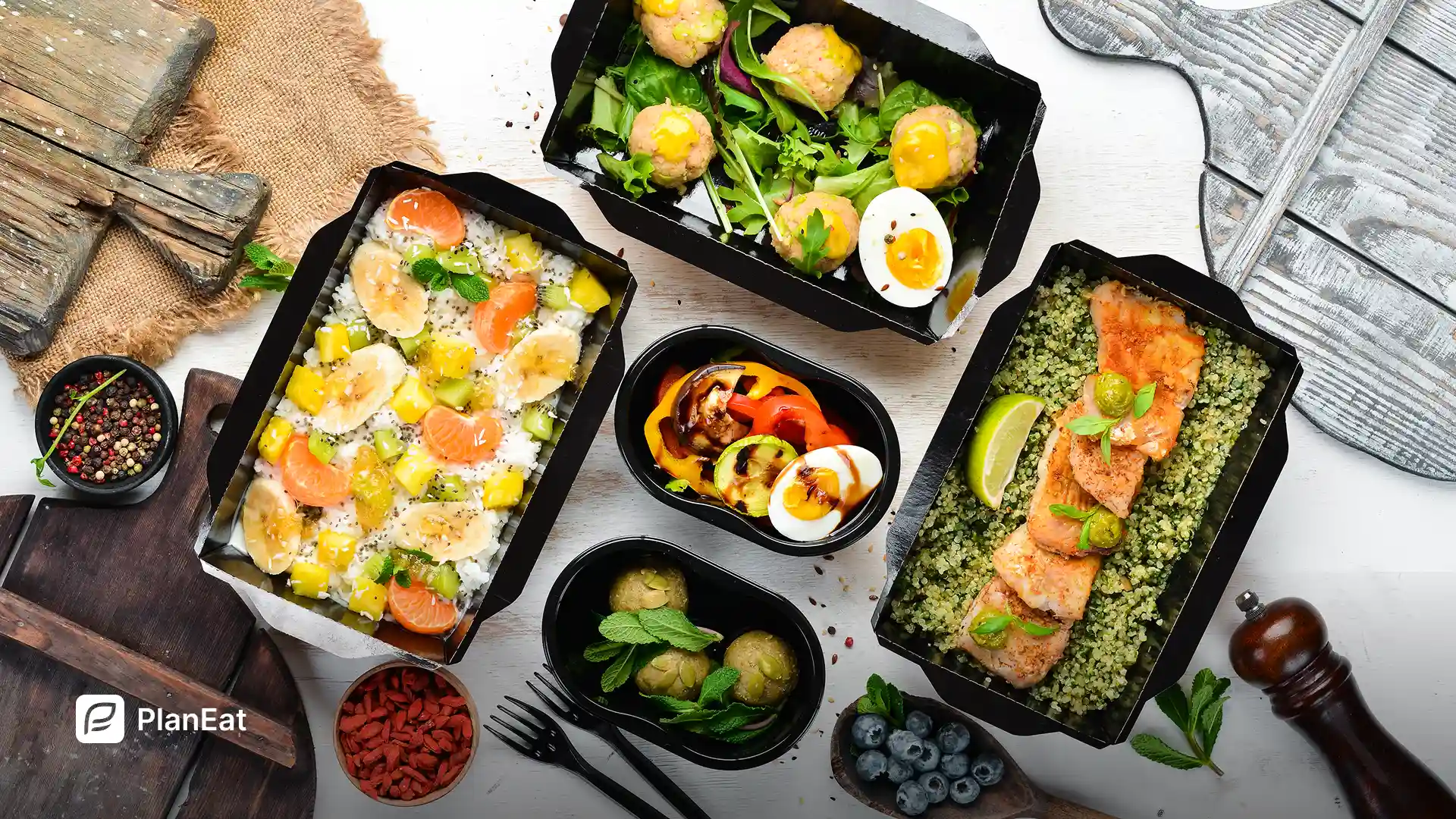
TL;DR: A meal planning routine sticks when it is small, repeatable, and designed for your busiest week. In 2026, the simplest win is fewer decisions, a grocery list that matches real meals, and a reset that takes minutes.
Most routines fail because they rely on motivation and novelty. Week 1 feels fresh, then week 2 adds stress, schedule changes, and low-energy nights. If your plan needs perfect timing, it will break.
A routine that sticks is built around defaults. Not strict rules, not a complicated calendar. Defaults are the meals and grocery items you can repeat even when you are tired, plus a backup for the day your week goes sideways.
If you want the routine without rebuilding it every week, PlanEat AI generates a weekly meal plan and a grouped grocery list personalized to your goals, dislikes, and the time you have to cook. The point is a doable week, not calorie tracking.
You do not need to plan seven different dinners. You need a small menu you can reuse.
Use this repeatable template:
Then write your week as options, not fixed days. You decide the order based on your energy.
Anchor dinner ideas that stay realistic:
Lunch defaults that reduce daily decisions:
The grocery trip is where the routine either becomes easy or becomes stressful. If you buy random healthy items, you will still end up improvising.
Build a grocery core that supports multiple meals:
This is not about being perfect. It is about making the next meal obvious. If you want a cleaner way to organize your list so it is easy to shop from, Grocery List Structure & Money-Saving Tips breaks down a practical structure.
A routine sticks when it has a reset built in. Falling off for a couple of days is normal. What matters is how easy it is to restart.
Use a 10-minute reset:
Most people overcorrect after a slip and try to plan a perfect week. A smaller reset is faster and more sustainable.
With PlanEat AI, you can save a weekly plan as reusable, swap meals quickly when your schedule changes, and keep a repeatable protein-and-fiber backbone so restarting does not feel like starting over.
For most people, 20 to 30 minutes is enough if you reuse a template. The key is planning options and repeating meals you already know you can make.
Not necessarily. Light prep helps, but planned leftovers and a smart grocery core can do most of the work without a big cooking session.
Start with two anchor dinners plus one backup dinner. If you plan more than you can realistically cook, the routine becomes stressful.
Change the flavor, not the structure. Keep the same base meals and rotate sauces, seasonings, and sides.
Planned leftovers plus one reheat-friendly option is usually the simplest. It keeps lunch from becoming a daily decision.
Plan meals that share ingredients and can be cooked in under 30 minutes, then decide the order day by day. A routine that sticks is flexible by design.
Build a meal planning routine that sticks in 2026 with a simple weekly template, a grocery core that supports real meals, and a quick reset for busy weeks.