Weekly Grocery Routine (2026)

TL;DR: A weekly grocery routine is a repeatable way to decide what you will eat, buy what you need, and stop making new decisions every night. In 2026, the routine that works is the one that stays simple enough to repeat on your busiest week.
Why a weekly grocery routine matters
Most healthy eating plans break at the grocery store, not the dinner table. If you shop without a plan, you end up with random healthy items that do not combine into actual meals. Then weeknights turn into improvisation, and improvisation turns into takeout.
A good routine does three things: it limits options, it creates overlap between meals, and it gives you a backup for the day your schedule changes. If you want the bigger picture of why your cart often decides your week, read Why Grocery Shopping Drives Your Diet (2026).
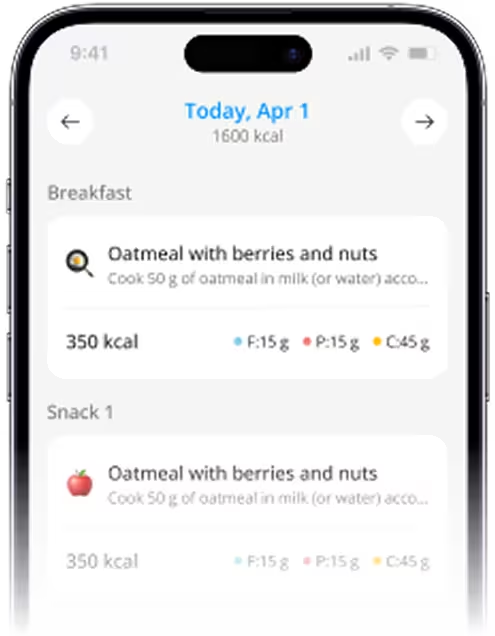
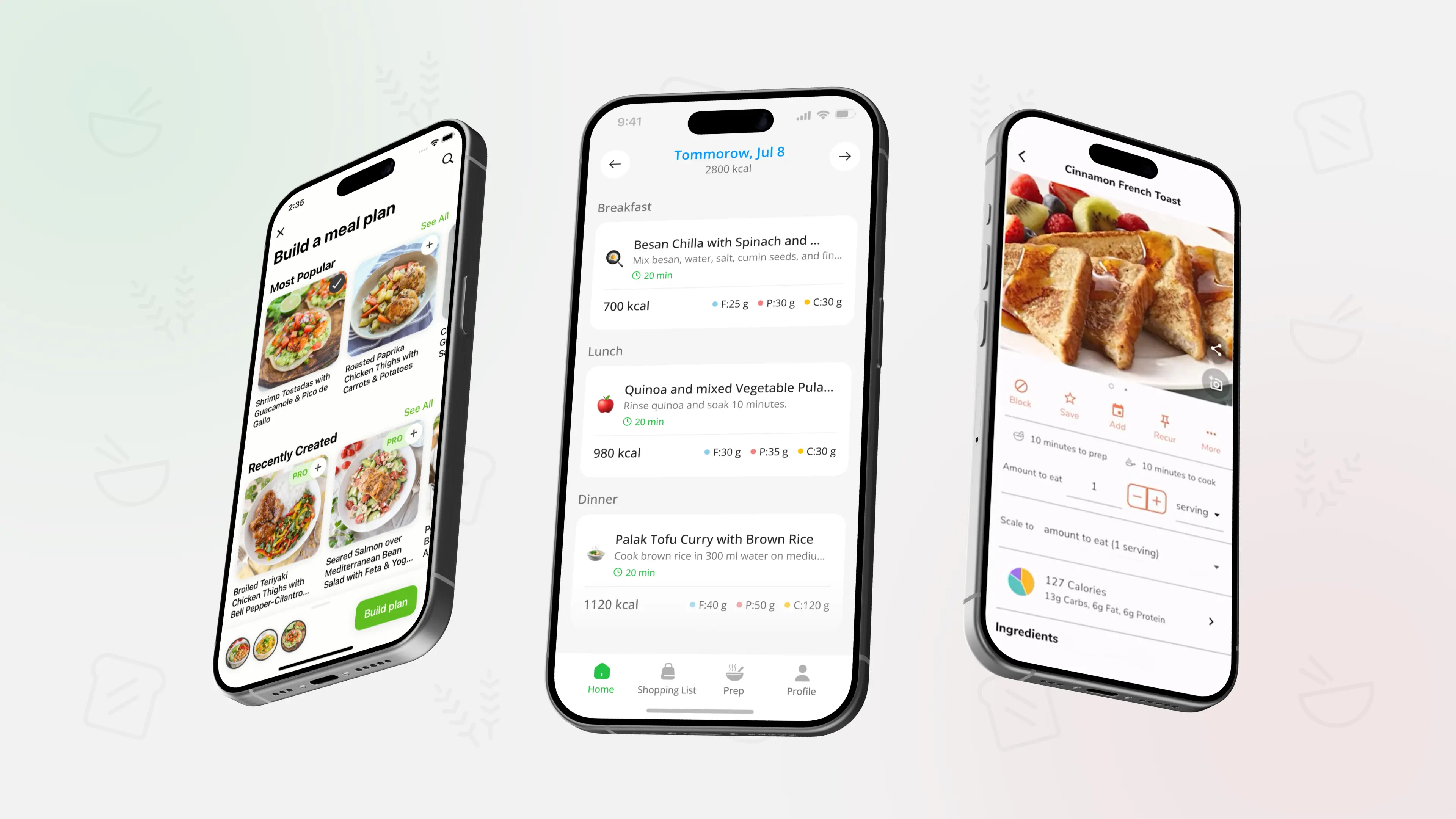
If you want the same structure without rebuilding it each week, PlanEat AI generates a weekly meal plan and a grouped grocery list personalized to your goals, dislikes, and the time you have to cook. You can keep meals simple and still shop with a clear plan.
The 20-minute weekly reset
You do not need a long planning session. The goal is a small reset you can repeat every week.
- Choose 2 to 3 dinner templates you can repeat.
- Choose 2 lunch templates that require almost no extra work.
- Pick 1 backup dinner for low-energy nights.
- Write a short grocery core that supports all of it.
Dinner templates that keep cooking minimal:
- Tacos or wraps: protein plus veggies plus salsa
- Bowl: rice plus protein plus frozen vegetables plus a sauce
- Sheet-pan: one protein plus two vegetables
Lunch templates that stay easy:
- Leftovers used as planned lunches
- Bagged salad plus a protein (rotisserie chicken, canned tuna, eggs)
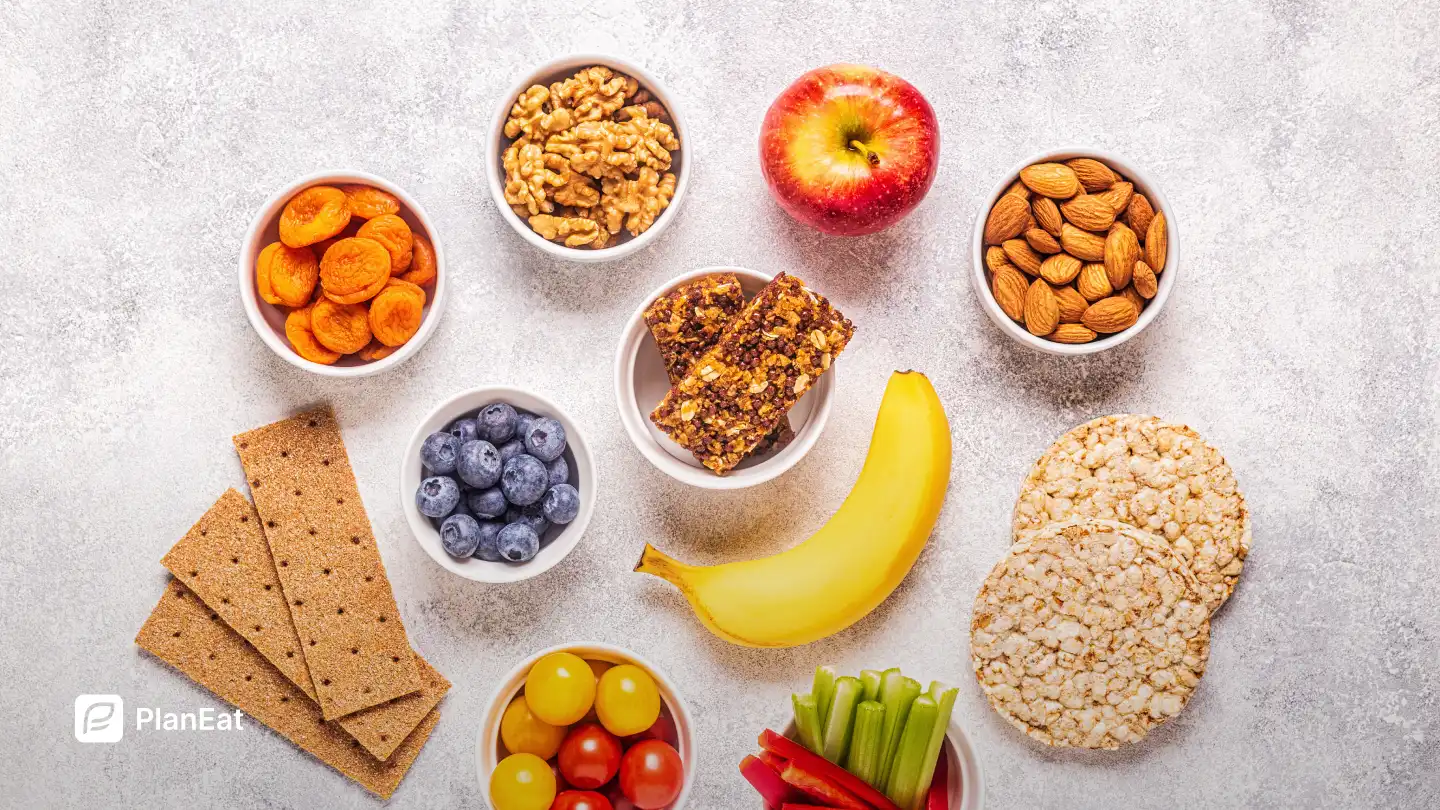
- Simple snack plate: Greek yogurt, fruit, nuts, and a quick savory item
If you want examples of a full week built around simple repeats, 50 Dollar A Week Healthy Grocery List (US, 2026) can help you see how overlap works in practice.
The grocery core that makes the week feel easy
A weekly routine works when your list is stable. You should recognize most items from week to week.
Use this grocery core and adjust from there:
- 1 main protein you will actually cook
- 1 backup protein for low-effort meals
- 2 vegetables that last plus 1 frozen vegetable
- 1 carb base (rice, tortillas, potatoes, pasta)
- 2 flavor shortcuts (salsa, pesto, marinara, seasoning blend)
- 1 convenience item you can rely on
Then layer in a few rotating extras so it does not feel repetitive:
- One new fruit for the week
- One extra vegetable you like (zucchini, bell peppers, spinach)
- One fresh herb if you will use it (cilantro, parsley)
If your list feels messy, the fix is usually structure. Grocery List Structure & Money-Saving Tips breaks down a clean way to group items so you can shop faster and skip the backtracking.
How to make the routine survive real life
A routine sticks when it is designed for normal weeks, not perfect weeks.
- Keep a backup plan that you do not have to think about. Rotisserie chicken plus bagged salad counts.
- Buy fewer unique items. Overlap beats variety when you are busy.
- Put your easiest meals on your hardest days. Do not save the “real cooking” for Thursday night.
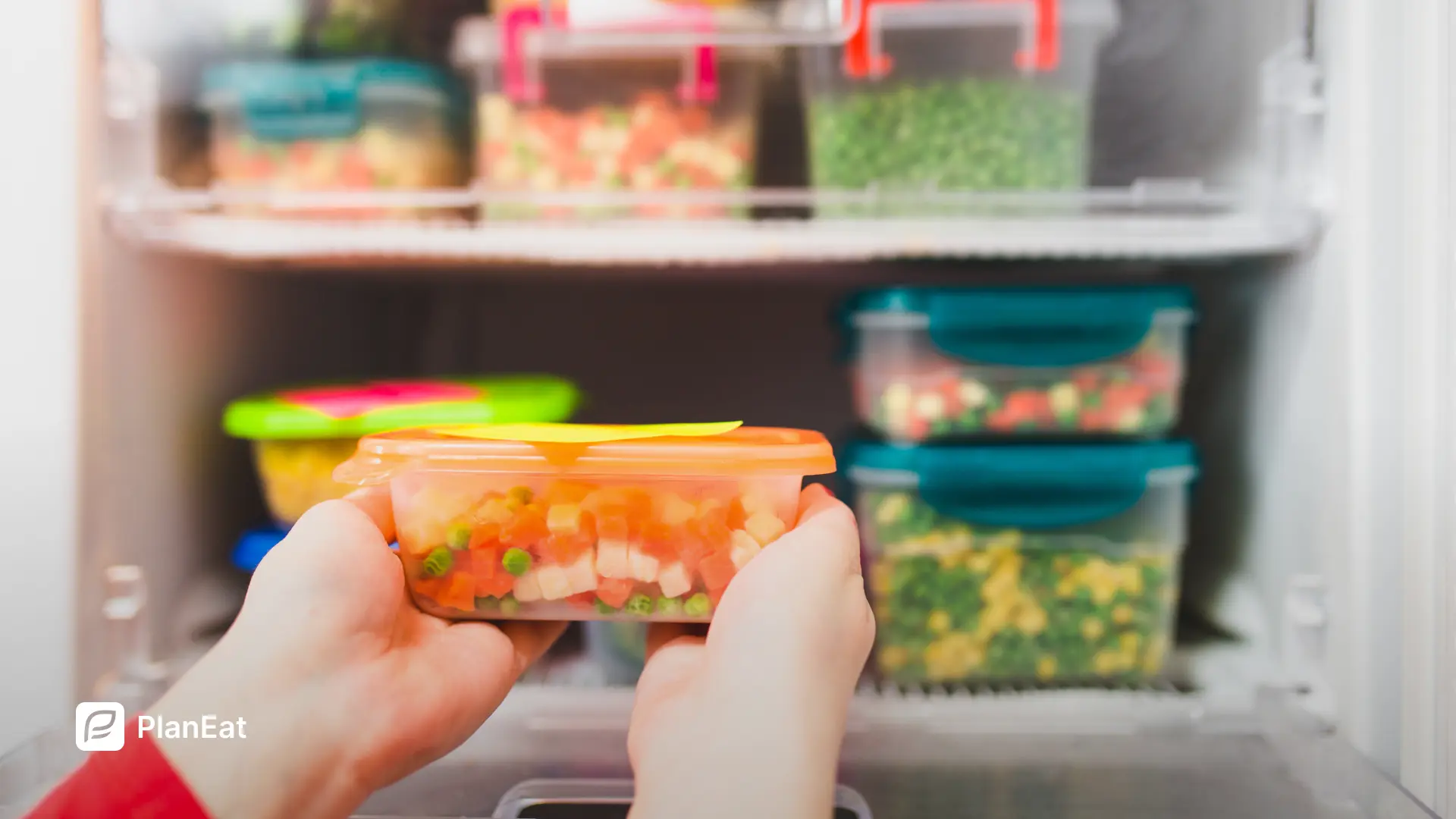
- Use frozen vegetables as a default, not an emergency. They reduce waste and reduce pressure.
If you miss a week, do not restart with a complicated plan. Do a 3-day reset: one anchor dinner tonight, one backup dinner tomorrow, and a short grocery core that covers the next few days.
With PlanEat AI, you can save a weekly plan as reusable, swap meals quickly when your schedule changes, and keep a repeatable protein-and-fiber backbone so your grocery routine stays consistent without extra effort.
FAQ
How often should I grocery shop if I want a routine?
Most people do best with one main weekly trip and one small restock. The restock should be simple: produce, yogurt, or one protein.
What is the simplest way to plan dinners?
Pick two dinner templates and repeat them with small flavor changes. Consistency is easier than trying to cook seven different dinners.
How do I stop buying groceries that go to waste?
Buy fewer unique items and reuse ingredients across multiple meals. Frozen vegetables and pantry foods also make waste less likely.
What if my schedule changes every day?
Plan as options, not fixed days. Choose meals that share ingredients and can be made quickly, then decide the order based on your energy.
Do I need to meal prep for this to work?
Not necessarily. Planned leftovers and a stable grocery core can carry most weeks without a big prep session.
What should I do when I fall off for a week?
Lower the restart effort. Build a 3-day plan, shop a short core list, and return to defaults before you add variety.
A grocery routine that reduces decisions
The best grocery routine is the one you can repeat when life is busy. Keep a stable core list, plan meals as flexible options, and always include one true backup so your week stays doable.

.webp)
.webp)
.webp)
%20Simple%20Staples%20(2026).webp)

.webp)




.webp)
.webp)
.webp)
_.webp)
_.webp)

.webp)
_webp.webp)
_.webp)
_.webp)
_webp.webp)
.webp)
.webp)
_%20What%20to%20Buy%20When%20(2026)_.webp)
_.webp)
webp.webp)
_.webp)
.webp)
.webp)
.webp)
.webp)
.webp)
.webp)

.webp)
.webp)
.webp)
.webp)
.webp)
.webp)

.webp)
.webp)
%20%2B%207%E2%80%91Day%20Menu.webp)
.webp)


.webp)
.webp)




.webp)
.webp)
.webp)
.webp)
%20iOS%20Focus.webp)
.webp)
.webp)
.webp)
.webp)
.webp)
.webp)
.webp)
.webp)
.webp)
..webp)