Meal Planning For Busy Professionals

TL;DR: Meal planning for busy professionals is not about cooking elaborate recipes every night. It is about choosing a simple weekly structure, repeating a few reliable meals, and batching decisions so workdays feel lighter. This guide shows how to plan in 30 minutes, use one or two prep blocks, and lean on an AI planner so your meals run in the background while you focus on work
Why meal planning looks different when you work long hours
If your days are packed with meetings, commute, or kids logistics, the usual advice to "just cook more" is not very helpful. The main constraints are time, mental energy, and decision fatigue.
For busy professionals, effective meal planning should:
- Reduce decisions at the end of the day when you are tired.
- Limit weeknight cooking time to something realistic, often 15 to 30 minutes.
- Turn groceries into clear meals so food does not sit unused.
- Work with your actual schedule, including office days and late nights.
If you want a quick refresher on how balanced meals look in general before you adapt them to a tight schedule, you can start with Healthy Eating Basics: Build a Balanced Plate and keep that plate pattern in mind while planning.
A simple planning framework for busy weeks
Instead of planning every meal from scratch, use a small framework that is easy to repeat.
A realistic weekly system might look like this:
- One 30 minute planning block to choose meals and check the calendar.
- One grocery session in person or online based on that plan.
- One to two prep blocks where you cook foundations for the week.
Inside the planning block, you can:
- Mark busy evenings when cooking must be minimal.
- Choose two breakfasts, two or three lunches, and two weeknight dinners to repeat.
- Decide when you will rely on leftovers or very quick options.
For a step by step breakdown of building a plan in half an hour, see Quick Meal Planning: Build a 30-Minute Weekly Plan and adapt the steps to your workweek.
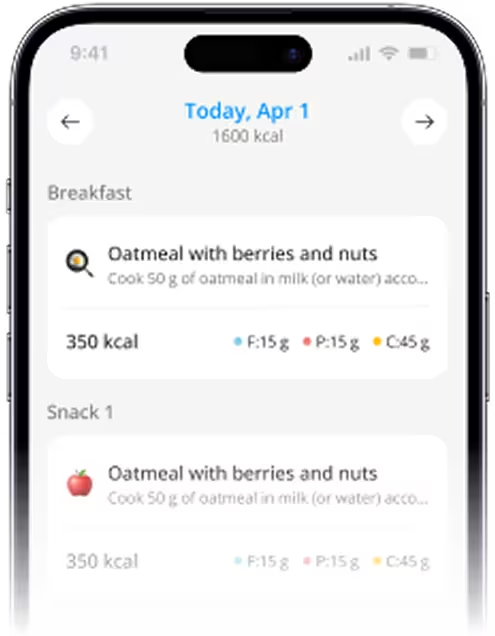
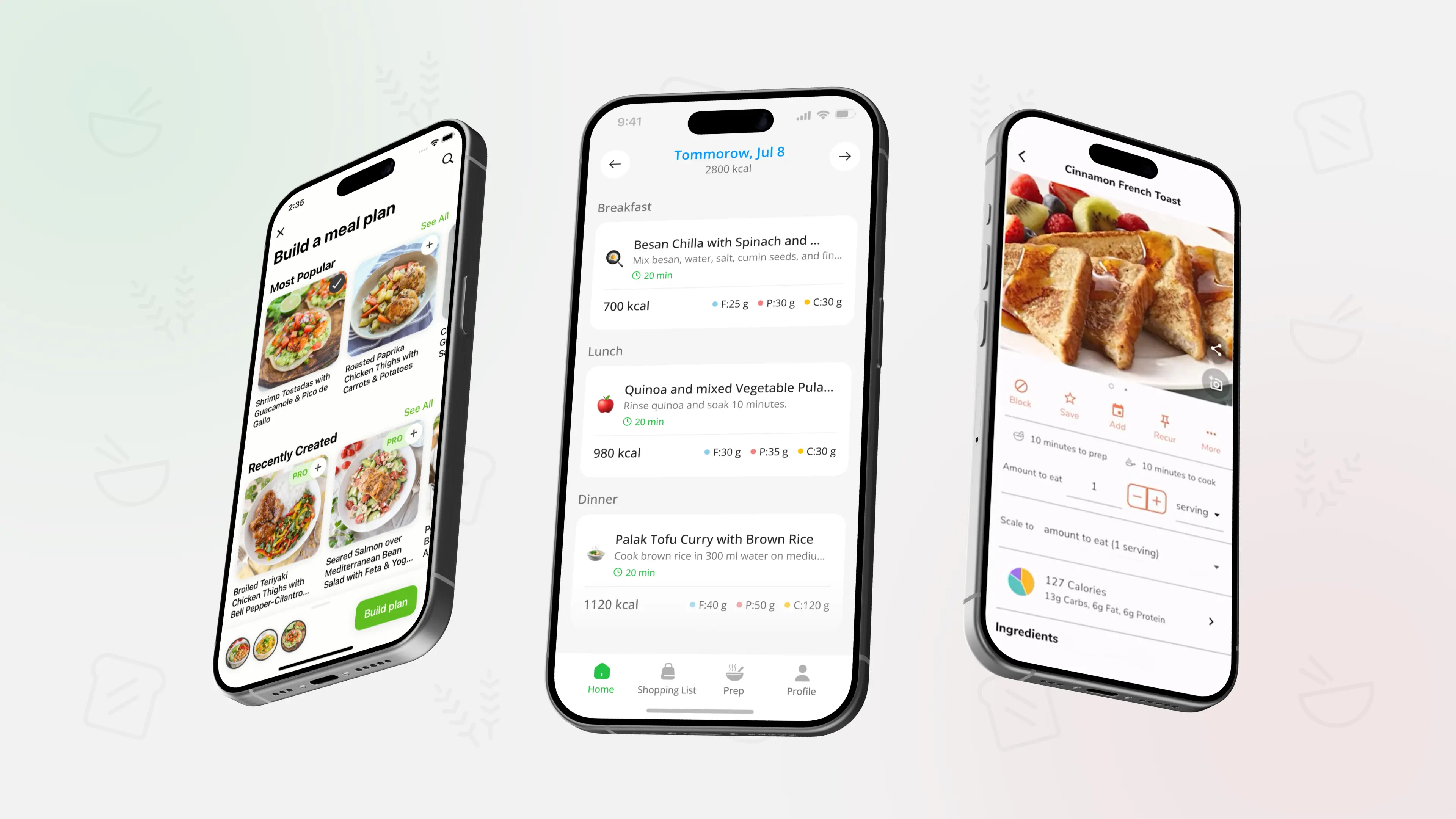
If you do not want to juggle recipes and lists by hand, you can use PlanEat AI to turn your schedule, preferences, and time limits into a weekly meal plan and grouped grocery list. You set how many meals you need on workdays and weekends, then adjust the plan instead of starting from zero.
Templates that save time for busy professionals
Meal planning gets faster when you rely on templates instead of unique meals every day.
Useful patterns include:
- Two breakfast rotation for example, overnight oats and a high protein yogurt bowl that you alternate.
- Three lunch options such as grain bowls, soup and sandwich, and leftovers from dinner.
- Two weeknight dinner types for example, sheet pan meals and skillet meals that use the same ingredients in different ways.
Example template:
- Breakfast oats or yogurt based option that takes less than five minutes in the morning.
- Lunch reheated grain bowl or salad built from weekend prep.
- Dinner fifteen to twenty minute skillet or sheet pan meal.
For specific lunch ideas that travel well to the office, you can borrow from Healthy Office Lunch Ideas (5-Day Plan) and plug those meals into your weekly structure.
If you need more quick dinners that fit into a tight evening, Quick Healthy Dinner Ideas (15 to 30 Minutes) offers ready made combinations you can reuse.
Using prep blocks to make workdays easier
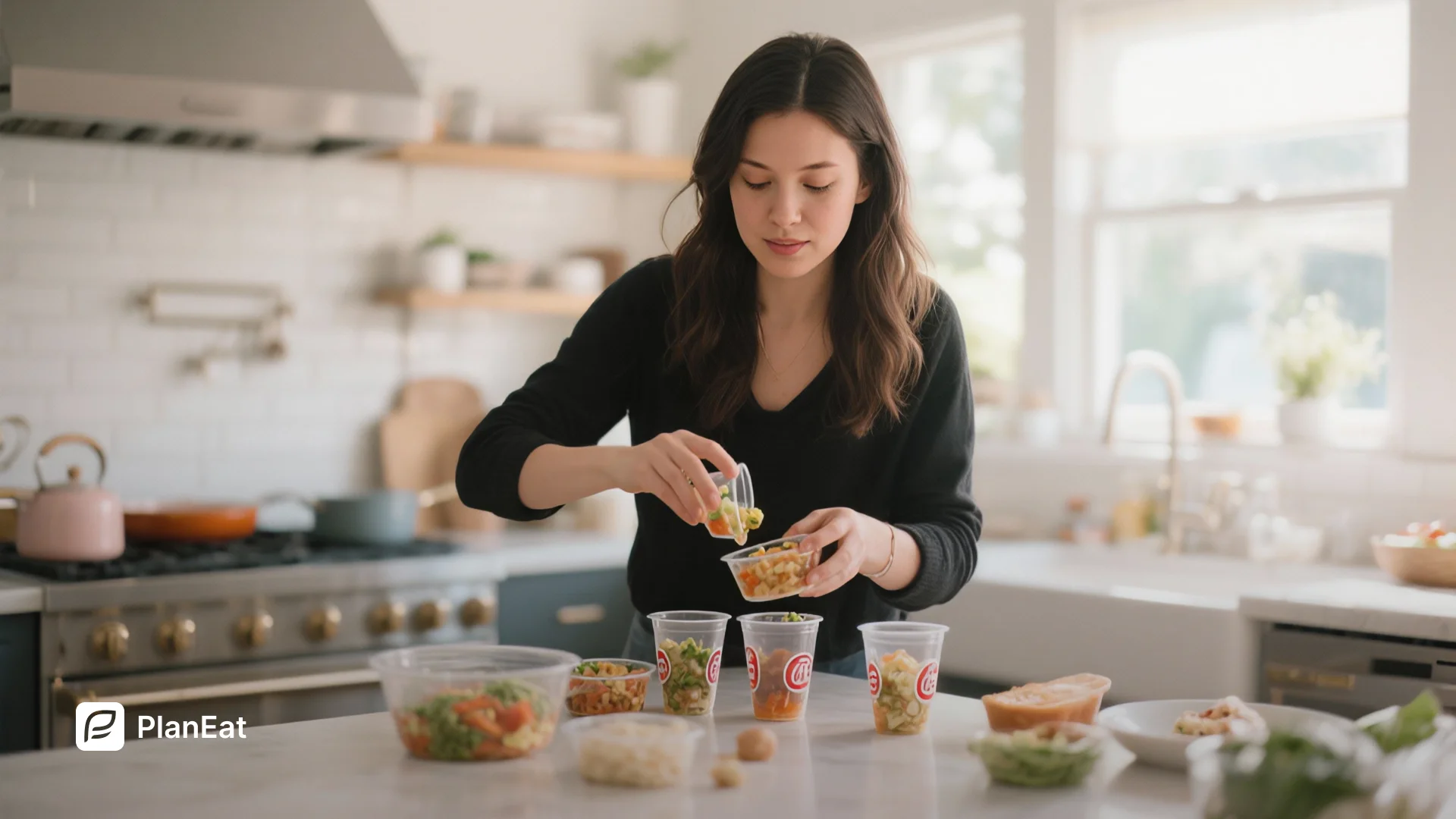
Prep blocks are short sessions where you prepare building blocks rather than full meals. Done well, they turn busy evenings into simple assembly.
During a one to two hour prep block you can:
- Cook a batch of grains such as rice, quinoa, or pasta.
- Roast one or two trays of mixed vegetables.
- Cook a large portion of protein like chicken, beans, tofu, or lentil based dishes.
- Prepare simple sauces or dressings.
Then on weeknights you only:
- Combine pre cooked ingredients into bowls, wraps, pasta dishes, or stir fries.
- Add fresh elements such as salad greens or sliced fruit.
If you want an example of how to structure a focused prep session, 2-Hour Weekend Meal Prep: Cook Once, Eat All Week walks through a practical routine that fits into a busy schedule.
For more ideas on turning prep into full meals across several days, see Meal Prep Basics: Beginner’s Guide to Cooking Ahead and adapt its steps to your work hours.
Managing snacks, cravings, and long days
Busy workdays often come with long stretches between meals and environments full of snacks. Planning for this is part of meal planning too.
Helpful strategies:
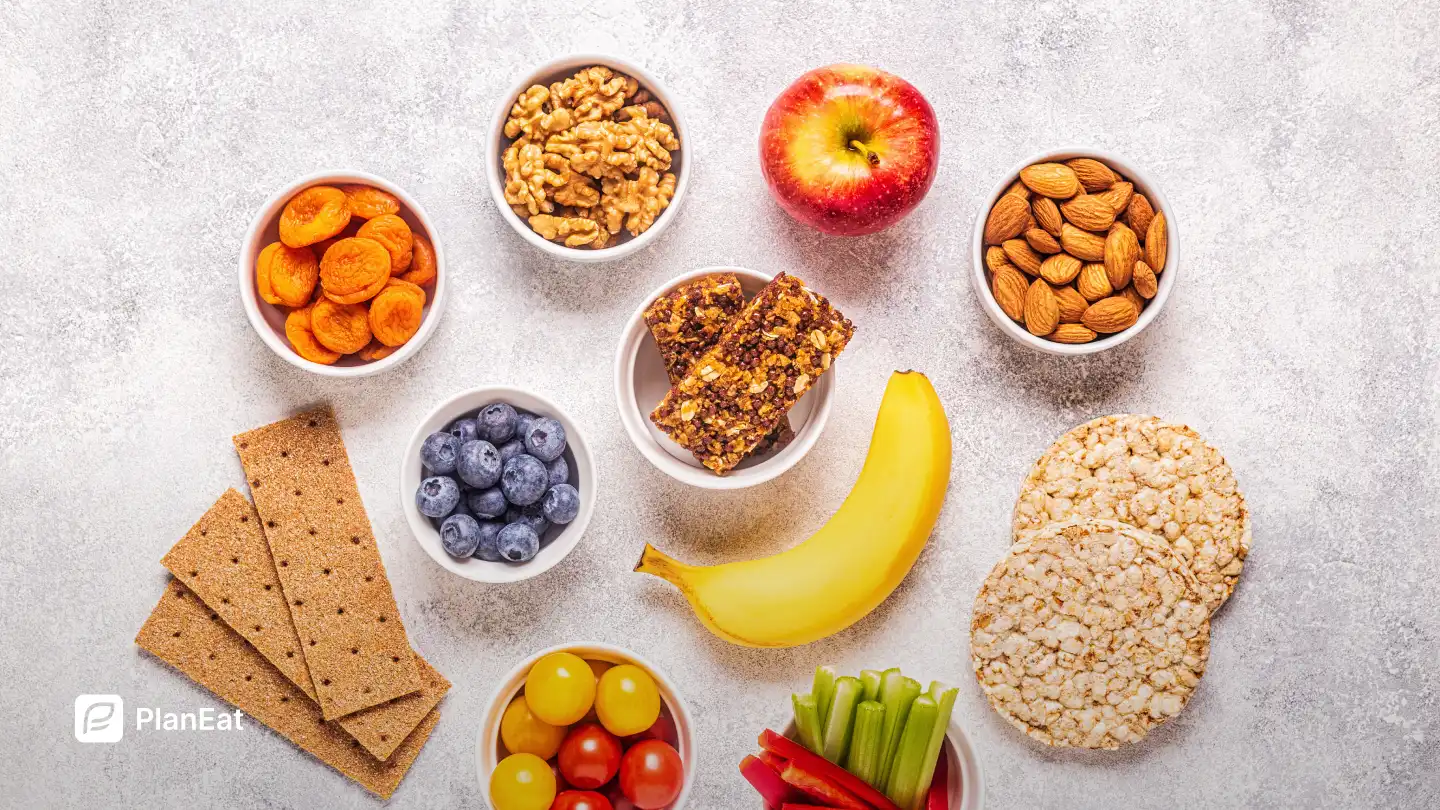
- Pack one intentional snack for long afternoons, such as yogurt with fruit, nuts and fruit, or vegetables with hummus.
- Keep a bottle of water at your desk to avoid confusing thirst with hunger.
- Decide ahead of time how often you want to use coffee and sweet snacks instead of grabbing them whenever you feel tired.
If sugar is your main weak point, How to Stop Sugar Cravings (Real-World Tips) and Healthy Snacks That Actually Curb Cravings offer practical ways to handle cravings without building your workday around vending machine runs.
Once you find a few breakfast, lunch, and dinner combinations that work for your busiest weeks, you can save them as reusable patterns in PlanEat AI. The app builds future weekly menus and grouped grocery lists around those patterns so your meals stay consistent even when your schedule is not.
Fitting meal planning into your professional routine
The key is to assign meal planning a small, specific place in your week instead of treating it as something you will "get to" when work slows down.
Practical steps:
- Choose a planning day, such as Friday evening or Sunday morning, and block thirty minutes on your calendar.
- Combine planning and ordering groceries so you do not need a second decision session.
- Use reminders so you actually start prep blocks and do not let them slide.
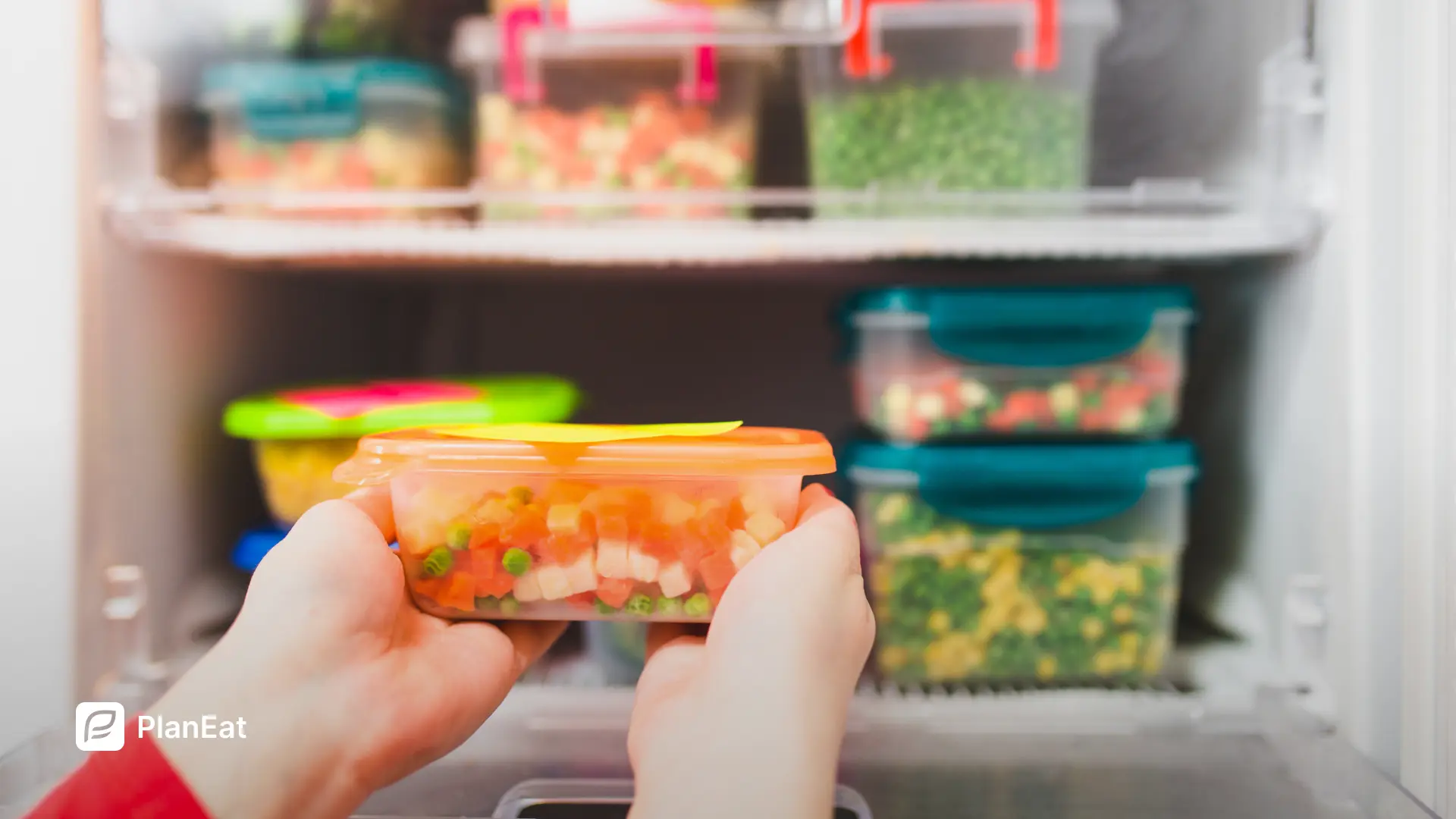
- Keep one or two backup meals on hand for weeks that go off schedule, such as frozen vegetables, canned beans, and quick grains.
If you want to see how a full seven day structure can look before you customize it to a busy schedule, you can look at 7-Day Balanced Meal Plan (With Grocery List) and 7-Day High-Protein Meal Plan (With Shopping List) as starting points.
FAQ meal planning for busy professionals
Do I have to cook every night to eat well with a busy job
No. The goal is to reduce cooking on workdays, not increase it. One or two prep blocks plus simple assembly style dinners are usually enough. Leftovers and planned repeats are your friends, not a sign of failure.
What if my schedule changes unpredictably
Plan flexible building blocks instead of rigid recipes. Keep ingredients that work in several meals, such as cooked grains, roasted vegetables, and a versatile protein. If a meeting runs late, you can still assemble something fast from those pieces.
Can I still order takeout sometimes
Yes. Meal planning is not an all or nothing rule. You can plan one or two takeout nights per week and make the rest of your meals at home or from your prep. Having a plan often makes takeout more intentional instead of a last minute default.
How do I start if I currently have no structure at all
Start small. Choose one planning block and cover only dinners for three weeknights. Once that feels manageable, add lunches or more days. Trying to overhaul all meals at once usually feels overwhelming for busy professionals.
Is it worth using an app if I already know what I like to eat
Often yes, because an app can store your favorite patterns, build grocery lists automatically, and adjust portions when your situation changes. This can save mental energy, especially if you are already making many decisions at work.
Educational content only - not medical advice.
Meal planning that respects a busy schedule
For busy professionals, effective meal planning means fewer decisions and repeatable patterns, not complicated recipes. Choose a weekly structure you can keep, rely on prep blocks and simple templates, and let tools like an AI meal planner handle the details so you can focus your energy on work and still eat well.

%20(2026).webp)
.webp)
.webp)
.webp)
%20Quick%20Ideas%20(2026).webp)
.webp)
.webp)
.webp)
%20Simple%20Staples%20(2026).webp)

.webp)


.webp)
.webp)
.webp)
_.webp)
_.webp)


.webp)
_webp.webp)
_.webp)
_.webp)
_webp.webp)
.webp)
.webp)
_%20What%20to%20Buy%20When%20(2026)_.webp)
_.webp)
webp.webp)
_.webp)
.webp)
.webp)
.webp)
.webp)
.webp)
.webp)

.webp)
.webp)
.webp)
.webp)

.webp)
.webp)
.webp)
.webp)
%20%2B%207%E2%80%91Day%20Menu.webp)
.webp)


.webp)
.webp)




.webp)
.webp)
.webp)
.webp)
%20iOS%20Focus.webp)
.webp)
.webp)
.webp)
.webp)
.webp)
.webp)
.webp)