Can Meal Planning and Intuitive Eating Work Together? (2026)
.webp)
TL;DR: Yes, they can work together when meal planning stays flexible and supports your hunger cues instead of overriding them. The goal is to make healthy eating easier to follow, not stricter to follow.
Why this question matters
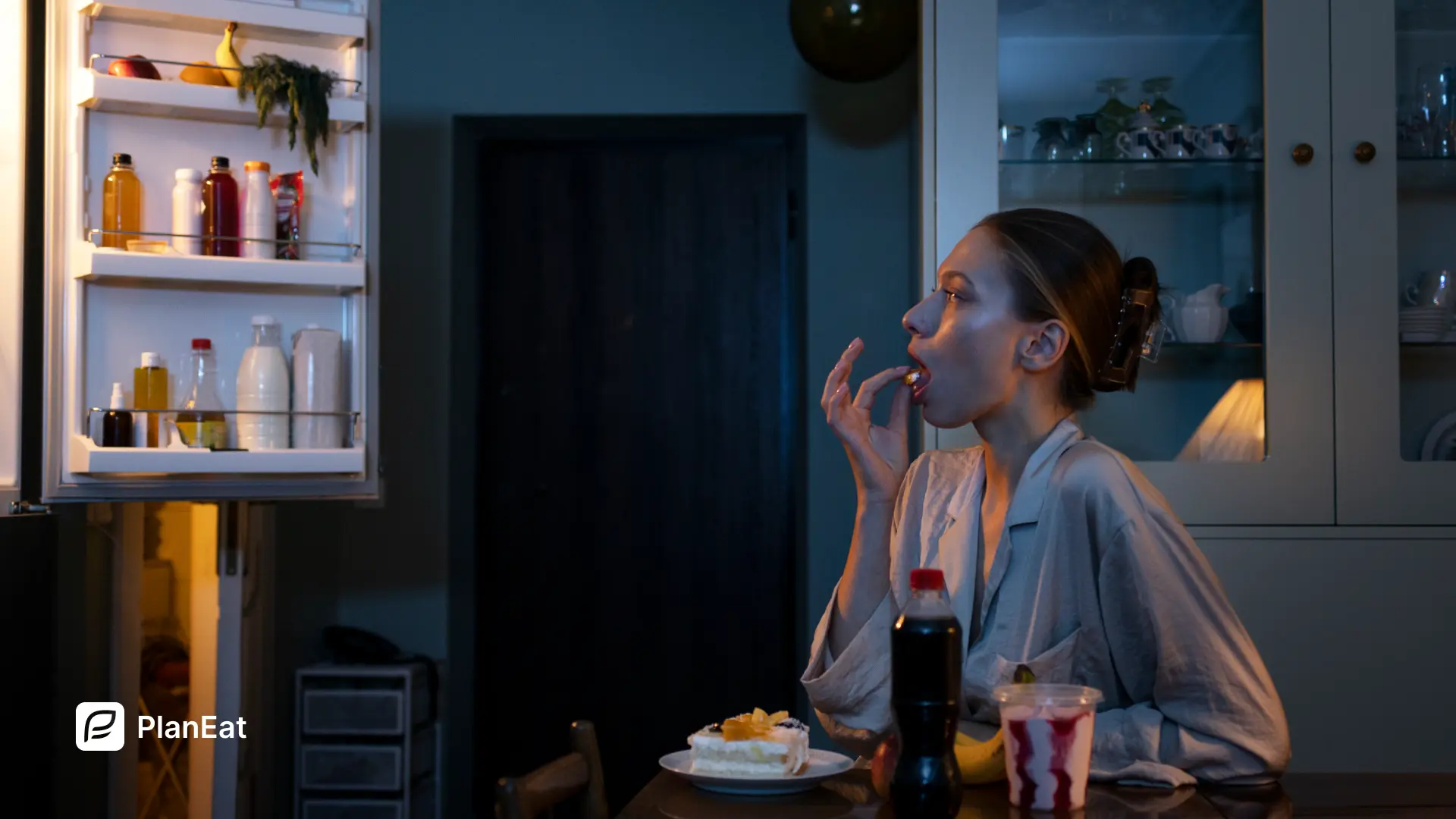
Many people avoid meal planning because it feels controlling, and avoid intuitive eating because it sounds like you should never plan anything. In real life, most of us need a little structure to keep weekdays simple, but we also want the freedom to eat based on how we feel.
The tension usually comes from planning too tightly. When a plan is rigid, it fights your appetite, your schedule, and your mood. A better approach is to plan groceries and meal options, then choose what fits in the moment.
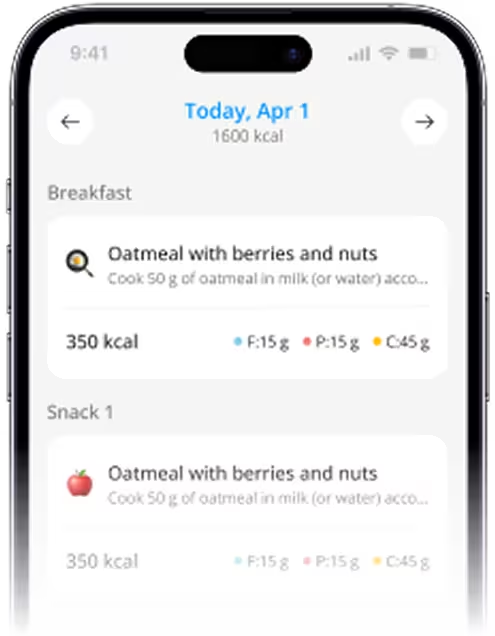
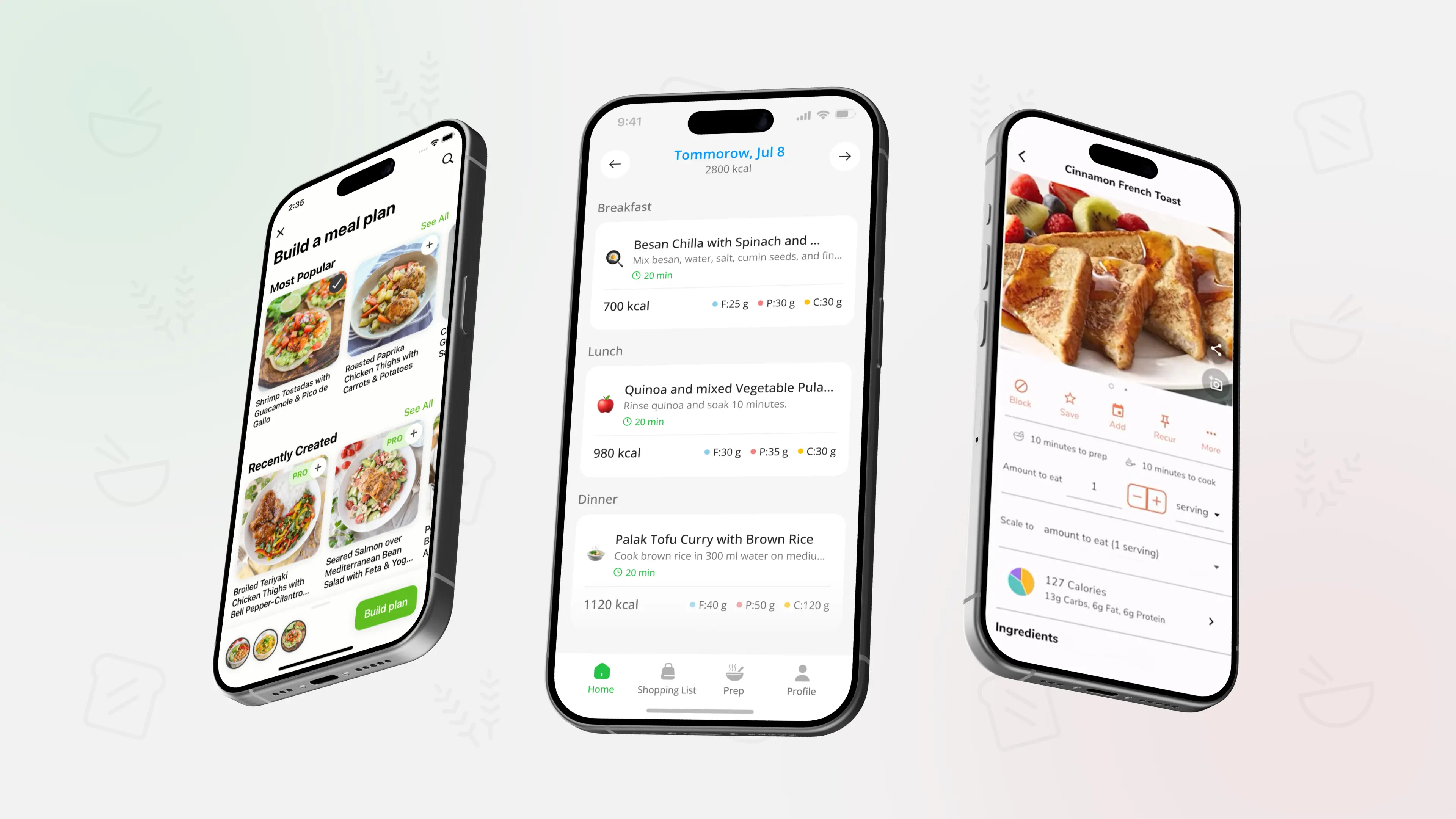
If you want flexible structure without overthinking it, PlanEat AI generates a weekly meal plan and a grouped grocery list personalized to your goals, dislikes, and the time you have to cook. You can keep meals simple, then swap options as your appetite and schedule change.
Meal planning and intuitive eating are not opposites
Intuitive eating is about tuning into internal cues like hunger, fullness, satisfaction, and preferences. Meal planning is about reducing decisions, avoiding last-minute stress, and having food available that matches how you want to eat.
They clash when the plan becomes a set of rules. They work together when the plan is more like a menu: you stock foods you enjoy, keep balanced options available, and leave room for choice. If you want a practical starting point for planning without getting overly detailed, Meal Planning Basics: How to Start (Beginner Guide) is a solid foundation.
A flexible planning style that supports hunger cues
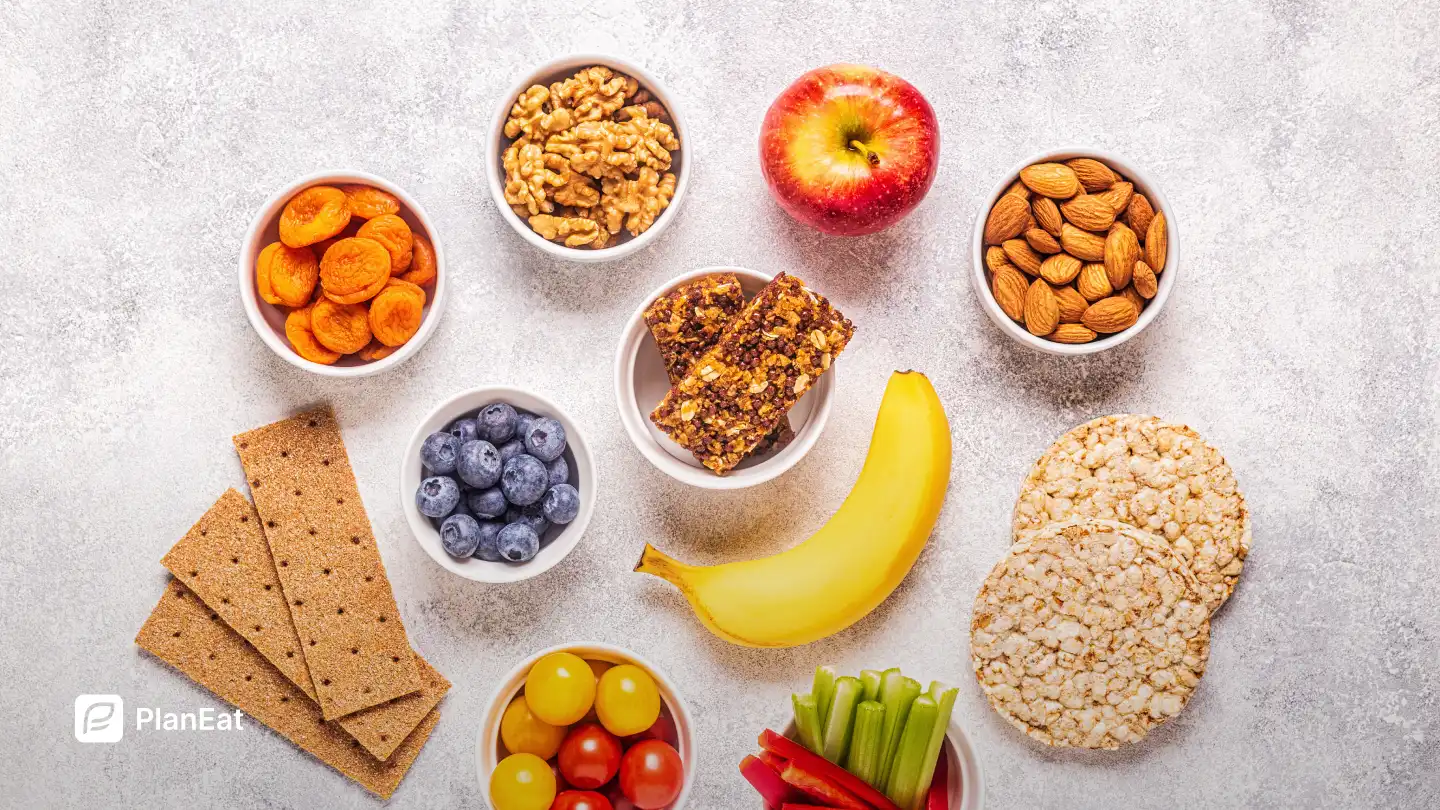
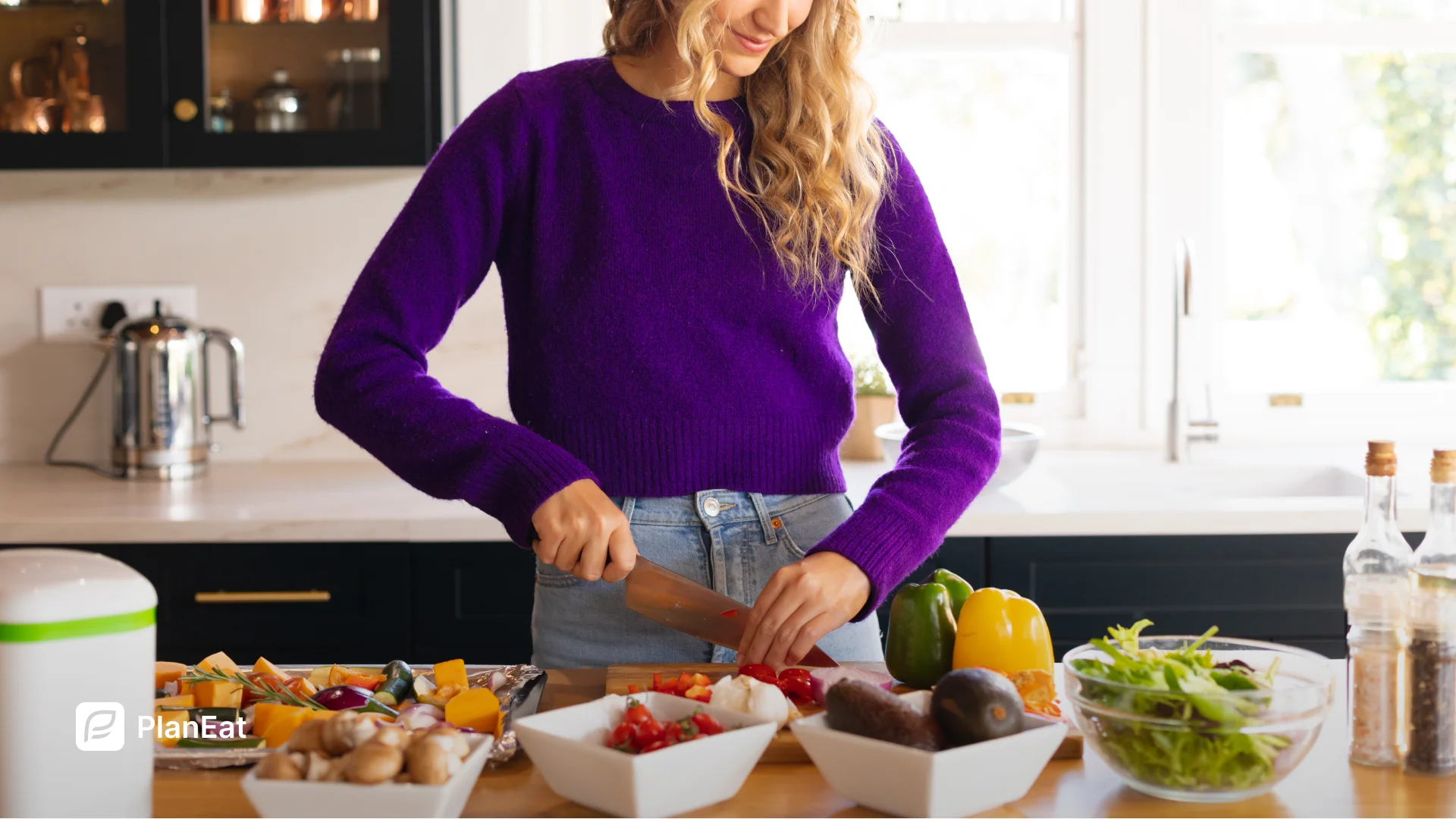
A good hybrid approach focuses on what you buy and what you have ready, not on locking in exact meals for exact days. You plan options that cover common situations: busy workdays, low-energy nights, and the moments you want something comforting.
Use these principles:
- Plan 2 to 3 dinner options and decide the order later.
- Keep 2 quick lunches ready for when you are hungrier than expected.
- Build meals around protein and fiber so you stay satisfied, then adjust portion size based on hunger.
- Keep one true backup meal for the days you do not want to cook.
This style is easier to live with because it does not punish you for being human. If you are working on noticing cues and slowing down, Mindful Eating: Simple Exercises to Slow Down fits naturally with this approach.
What it looks like in a normal week
Here is what the hybrid approach looks like when it is working. The plan is a set of defaults, not a strict calendar.
- Breakfast defaults: one or two options you actually like, plus a quick add-on if you wake up extra hungry.
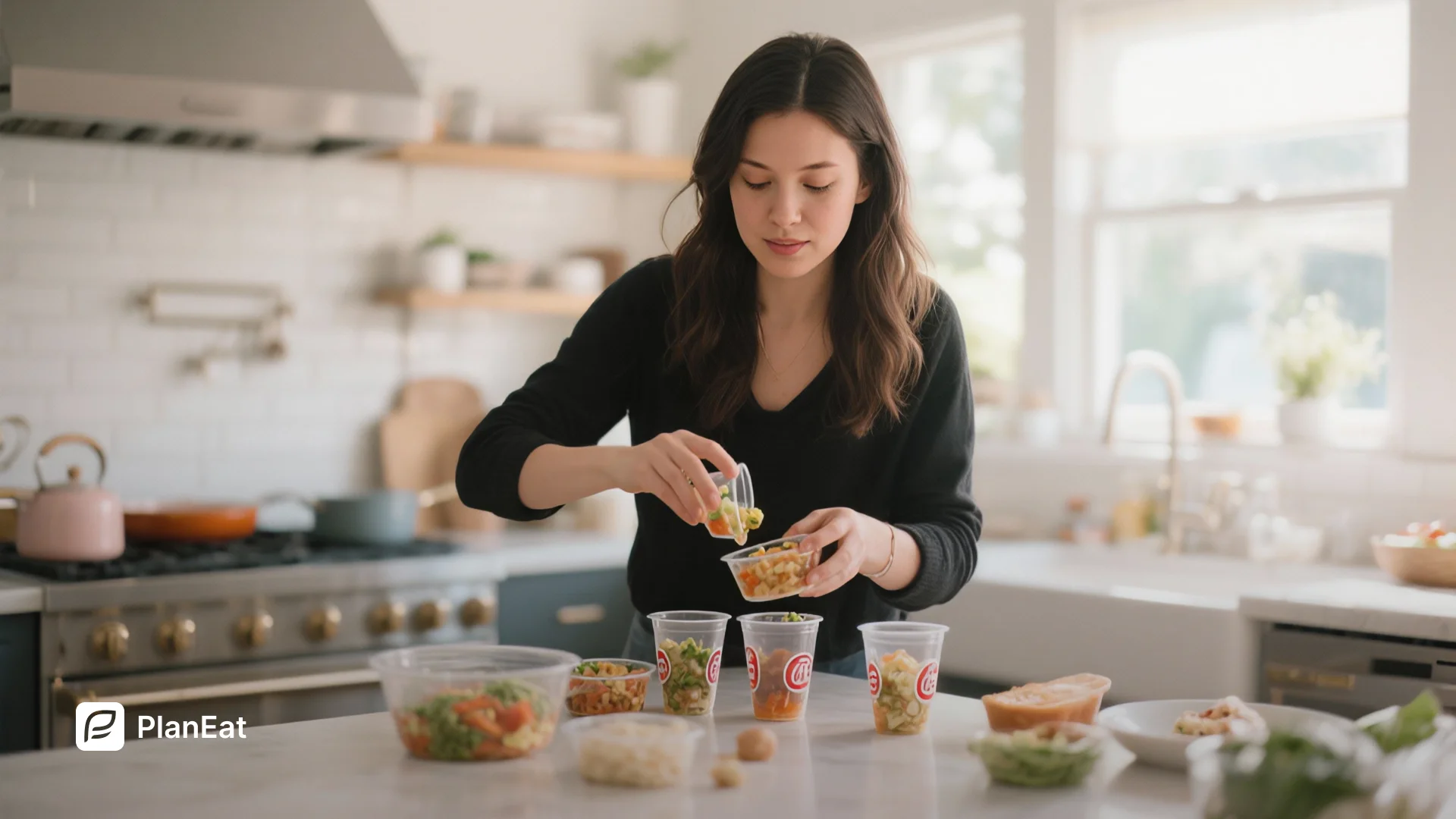
- Lunch defaults: leftovers, a bowl, or a salad template that you can scale up or down.
- Dinner options: two repeatable dinners plus one backup that takes about 10 minutes.
The key move is giving yourself permission to choose. If you are not hungry at 6 pm, you do not need to force dinner. If you are hungrier on Wednesday than you expected, you use the foods you planned and simply eat more.
Common traps and how to avoid them
Most people struggle when either planning gets too strict or intuitive eating becomes vague.
Common traps:
- Planning meals that do not match your real energy level on weeknights.
- Buying aspirational groceries that do not turn into meals.
- Treating hunger cues as a reason to eat whatever is available, even if it does not satisfy you.
- Skipping meals unintentionally, then overeating later because you are too hungry.
A simple fix is to keep your week anchored with a repeatable base. If you want a clean structure you can reuse, How to Build a Default Weekly Menu Template (2026) can help you keep consistency without turning your plan into rules.
With PlanEat AI, you can save a weekly plan as reusable, swap meals quickly, and keep a repeatable protein-and-fiber backbone week to week. That makes it easier to plan ahead while still eating based on hunger and preferences.
FAQ
Is meal planning incompatible with intuitive eating?
Not necessarily. The conflict is usually rigidity, not planning itself. Planning groceries and flexible options can support intuitive eating by making better choices available when you are hungry.
Do I need to plan every meal to stay consistent?
No. Many people do best by planning dinners and keeping simple defaults for breakfast and lunch. Intuitive eating works better when you have balanced options ready, not when you are deciding from scratch every time.
How do I handle cravings if I am trying to eat intuitively?
Cravings are information, not a failure. Check if you are truly hungry, under-slept, or stressed, then choose something satisfying and balanced when possible.
What if I am not sure what hunger and fullness cues feel like?
Start small. Slow down, eat without distractions for a few minutes, and notice how you feel before and after. Building awareness takes practice.
Can this approach help with weight loss?
It can, but results vary. Many people see progress because consistency improves when meals are planned and satisfying, but this is not a guaranteed outcome for everyone.
Planning can create freedom when it stays flexible
Meal planning and intuitive eating can work together when planning is about options, not rules. Stock meals you like, keep a repeatable base, and let hunger cues guide how much and when you eat.

%20Quick%20Ideas%20(2026).webp)
.webp)
.webp)
.webp)
%20Simple%20Staples%20(2026).webp)
.webp)


.webp)
.webp)
.webp)
_.webp)
_.webp)


.webp)
_webp.webp)
_.webp)
_.webp)
_webp.webp)
.webp)
.webp)
_%20What%20to%20Buy%20When%20(2026)_.webp)
_.webp)
webp.webp)
_.webp)
.webp)
.webp)
.webp)
.webp)
.webp)

.webp)
.webp)
.webp)
.webp)
.webp)
.webp)

.webp)
.webp)
%20%2B%207%E2%80%91Day%20Menu.webp)
.webp)

.webp)
.webp)



.webp)
.webp)
.webp)
.webp)
%20iOS%20Focus.webp)
.webp)
.webp)
.webp)
.webp)
.webp)
.webp)
.webp)
.webp)
.webp)