Meal Planning For Couples With Different Goals (2026)
.webp)
TL;DR: Couples often share a kitchen but not the same nutrition goals. Meal planning works when base meals are shared and individual adjustments are added without doubling effort, cooking time, or grocery costs.
Why different goals create daily friction
In many couples, one partner may aim for weight loss while the other wants to maintain or increase intake. Differences may also involve protein needs, meal timing, or portion sizes. Without a shared plan, this leads to last-minute decisions, duplicated cooking, and unnecessary frustration.
The issue is rarely a lack of knowledge. Most couples understand what healthy meals look like. The problem is coordination. Without structure, even good intentions collapse under busy schedules. This challenge is common and closely related to Family Meal Planning: One Plan, Everyone Happy.
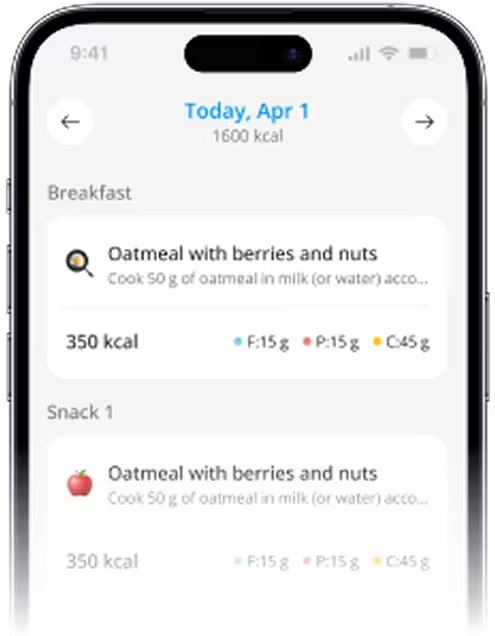
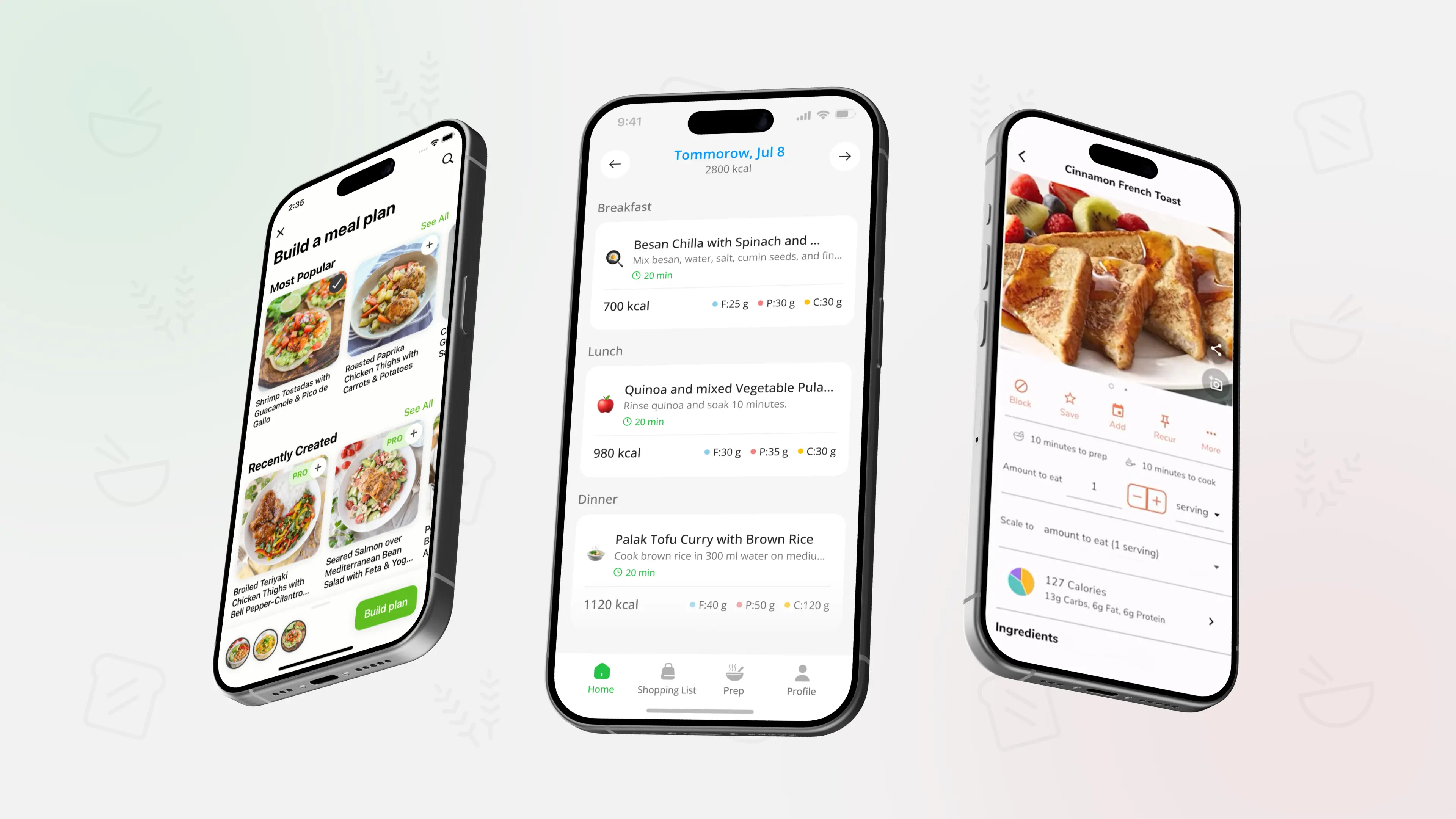
For couples who want structure without rigidity, PlanEat AI creates a weekly meal plan and a grouped grocery list that can be adjusted for different goals, dislikes, and cooking time. This allows both partners to follow the same plan while eating appropriate portions.
The base meal system that keeps everyone aligned
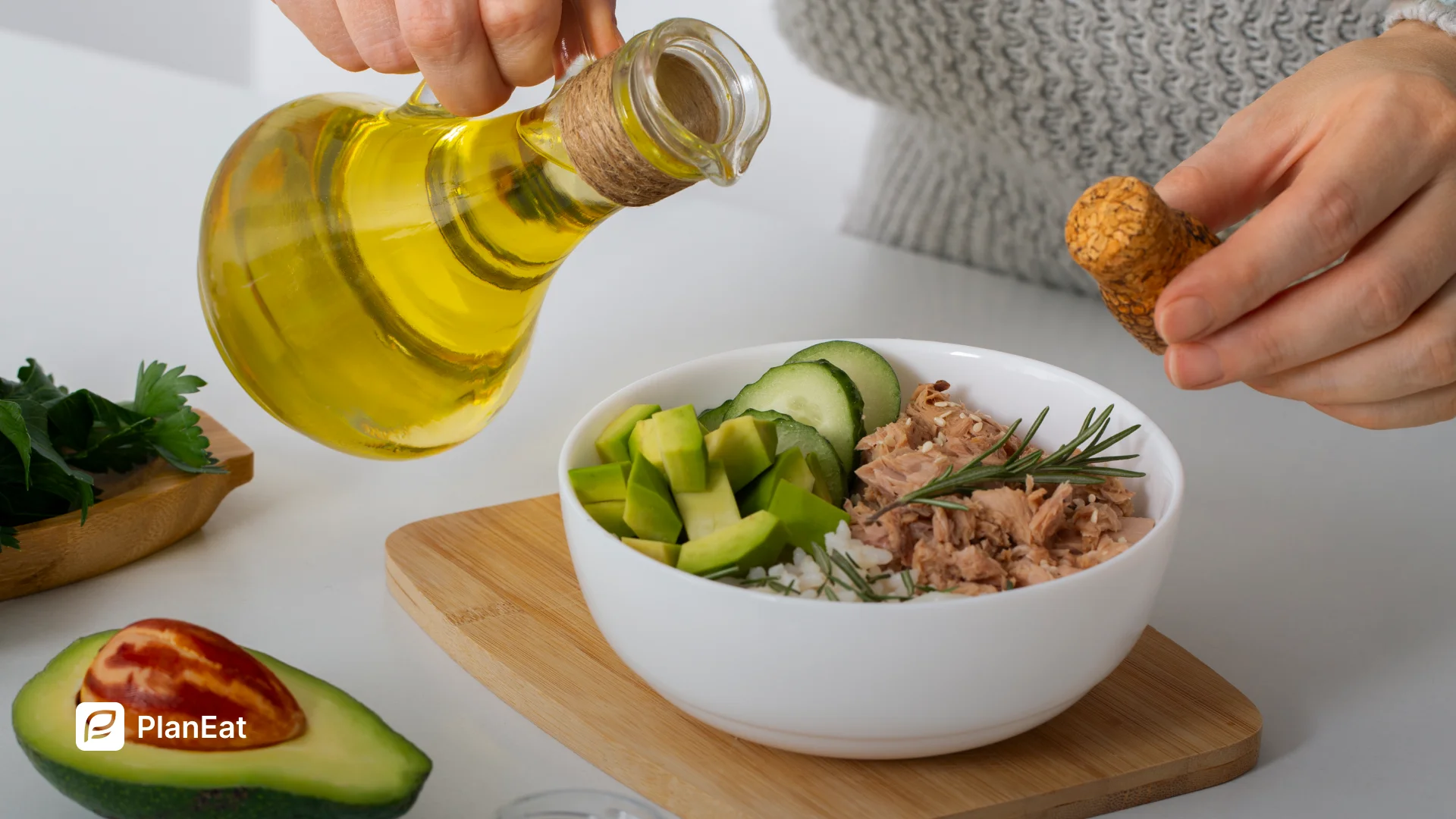
The most effective approach is building one shared base meal and layering adjustments on top. The base usually includes a protein source, vegetables, and a simple carb. Each partner adjusts portion sizes, adds sides, or includes extras based on individual goals.
This system prevents the need for separate recipes and keeps grocery lists manageable. It also reduces emotional friction around food because both partners eat the same core meal. This structure mirrors the balanced approach explained in Healthy Eating Basics: Build a Balanced Plate.
3-day sample menu with flexible adjustments
This example shows how one menu can support different goals without extra cooking.
On day one, the base meal is grilled chicken with roasted vegetables and rice. A partner aiming to gain weight adds more rice or olive oil, while the other keeps portions lighter and focuses on vegetables.
Day two uses a lentil and vegetable bowl as the base. Both partners eat the same meal, but one may add cheese or bread while the other keeps the bowl simpler.
Day three features baked salmon with potatoes and greens. Protein portions or carb amounts are adjusted instead of preparing a separate dinner. This approach follows the logic in How to Build a Weekly Meal Plan (Examples).
Portion and timing strategies that reduce conflict
Portion size differences are often easier to manage than completely different meals. One partner may eat slightly larger breakfasts or add an extra snack, while the other maintains smaller portions at meals.
Timing also matters. If one partner prefers fewer meals or intermittent fasting, shared dinners can still anchor the day. This flexibility helps couples stay aligned without forcing identical routines.
Grocery planning for shared kitchens
One grocery list works best when centered around shared ingredients. Proteins, vegetables, and base carbs are bought together, while optional extras are limited to a small section of the list.
This approach reduces waste and keeps shopping efficient. It also reflects the logic in Grocery List Structure & Money-Saving Tips, where overlapping ingredients simplify planning.
With PlanEat AI, couples can reuse weekly plans, swap meals easily, and keep protein and fiber consistent while adjusting portions individually. This supports different goals without turning meals into a daily negotiation.
FAQ
Can couples with opposite goals really share one meal plan?
Yes. Sharing base meals while adjusting portions or sides works better than separate plans.
What if one partner wants weight loss and the other wants muscle gain?
Protein portions and carb sides can be adjusted while keeping the same foods.
Does this approach increase cooking time?
No. Most adjustments involve portion changes rather than extra recipes.
How do couples avoid food-related arguments?
Agreeing on a shared plan ahead of time removes daily decisions.
Is meal planning still flexible for social events?
Yes. Structure during the week makes occasional changes easier.
Educational content only, not medical advice.
Why shared systems matter more than shared targets
Couples succeed with meal planning when they agree on a system, not identical goals. One flexible structure supports both partners without adding complexity or stress.

.webp)
.webp)

.webp)
.webp)
.webp)

%20(2026).webp)
.webp)
.webp)
.webp)
%20(2026).webp)
.webp)
%20(2026).webp)
.webp)
.webp)
.webp)
%20Quick%20Ideas%20(2026).webp)
.webp)
.webp)
.webp)
%20Simple%20Staples%20(2026).webp)

.webp)




.webp)


.webp)
.webp)
_.webp)
_.webp)


.webp)
_webp.webp)
_.webp)
_.webp)
_webp.webp)
.webp)
.webp)
_%20What%20to%20Buy%20When%20(2026)_.webp)
_.webp)
webp.webp)
_.webp)
.webp)
.webp)
.webp)
.webp)
.webp)
.webp)


.webp)
.webp)
.webp)
.webp)

.webp)

.webp)
.webp)
%20%2B%207%E2%80%91Day%20Menu.webp)
.webp)


.webp)
.webp)




.webp)
.webp)
.webp)
.webp)