Micronutrients 101: Vitamins and Minerals Made Simple (2026)
webp.webp)
TL;DR: Micronutrients are vitamins and minerals your body needs in small amounts, but they have a big impact on energy, mood, and how well your body runs day to day. You do not need perfect eating to get them, but you do need a simple, repeatable pattern.
What micronutrients are and why they matter
Micronutrients are the nutrients you need in smaller quantities compared to protein, carbs, and fat. They do not provide calories, but they support the systems that help you use energy, recover, and feel steady.
A lot of people assume micronutrients only matter if you are trying to be “optimal.” In reality, they matter most when your eating is repetitive, rushed, or built around a narrow set of foods. If your week is mostly coffee, a few takeout staples, and random snacks, it is easy to miss key vitamins and minerals even if you are eating enough calories.
Micronutrients are also one reason balanced meals feel easier to stick with. When meals include protein, fiber, and a bit of variety, cravings and low-energy afternoons often get less intense. If you want a simple framework for building meals without micromanaging details, Healthy Eating Basics: Build a Balanced Plate is a good starting point.
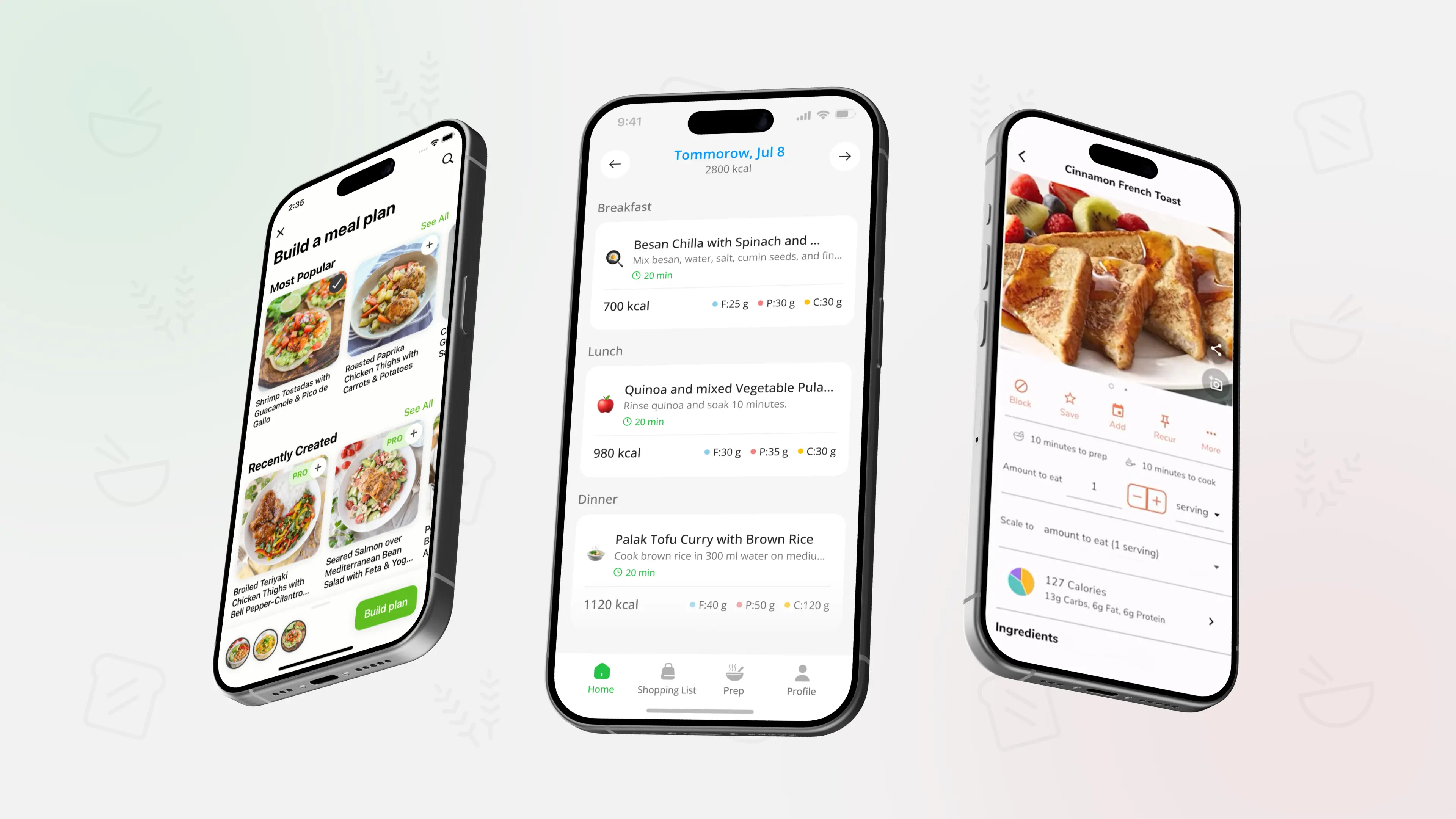
If you want help keeping your week balanced without overthinking it, PlanEat AI generates a weekly meal plan and a grouped grocery list personalized to your goals, dislikes, and the time you have to cook. It is built for meal planning, not calorie tracking, so you can stay consistent with simple meals that cover the basics.
Vitamins vs minerals in plain English
Think of vitamins and minerals as helpers your body uses to run everyday processes. They show up in different foods and often work better when your diet is not overly narrow.
Vitamins:
- Often found in fruits, vegetables, dairy, eggs, fish, and fortified foods
- Some dissolve in water (you need them more regularly), others dissolve in fat (your body can store some)
Minerals:
- Found in plant foods, animal foods, and even the soil and water that food comes from
- Include things like iron, calcium, potassium, magnesium, zinc, and iodine
You do not need to memorize a list. The practical goal is to eat a few “micronutrient anchors” each week so your meals are not built from the same two or three ingredients on repeat.
Common micronutrients people miss and easy food-first sources
These are some of the most common gaps in everyday eating patterns, especially when meals are rushed or repetitive. This is not a diagnosis, just a practical list of foods that cover a lot of ground.
Vitamin D
- Fortified milk or yogurt, eggs, salmon, canned sardines
- Many people get less sun exposure in winter, so food choices matter more then
Iron
- Lean beef, beans, lentils, spinach, fortified cereal
- Pair plant-based iron with vitamin C foods like bell peppers or citrus
Calcium
- Milk, yogurt, cheese, fortified soy milk, canned salmon with bones
Magnesium
- Pumpkin seeds, almonds, peanut butter, beans, oats, dark leafy greens
Potassium
- Potatoes, bananas, beans, yogurt, tomatoes
Folate and other B vitamins
- Beans, leafy greens, eggs, chicken, fortified grains
Iodine
- Iodized salt, seafood, dairy
- If you only use specialty salts, it can be easy to miss this one
If your kitchen setup makes it hard to keep variety on hand, build your basics from storage-friendly foods. Pantry Staples: Build a Healthy Kitchen (Practical Checklist) is a helpful way to do that without buying a lot of one-off ingredients.
A simple weekly micronutrient routine that does not feel intense
You do not need a perfect meal plan. You need a short checklist you can hit most weeks.
Aim for these weekly anchors:
- 2 leafy greens (spinach, romaine, mixed greens)
- 2 colorful vegetables (bell peppers, carrots, zucchini, broccoli)
- 2 fruits you actually eat (berries, apples, oranges, bananas)
- 2 legume meals (beans, lentils, hummus, chili)
- 2 dairy or fortified alternatives (Greek yogurt, milk, fortified soy milk)
- 1 to 2 seafood meals if you like it (salmon, canned tuna, sardines)
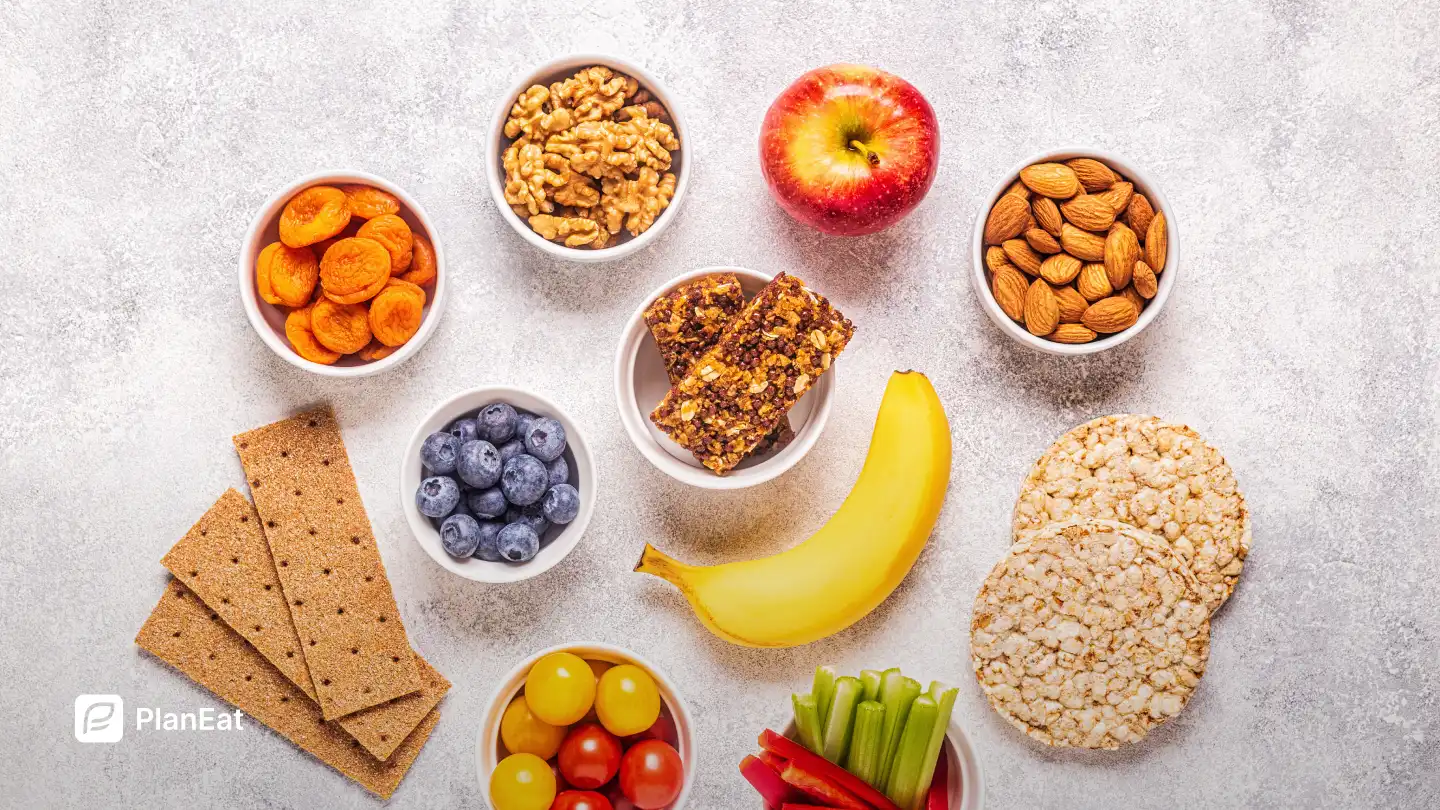
- A handful of nuts or seeds most days (almonds, walnuts, pumpkin seeds)
This routine works because it is not about cooking fancy meals. It is about buying a small set of foods that cover your bases.
If you want the routine to feel effortless, the grocery list matters as much as the meals. A grouped list reduces missed items and random “extra” purchases. Grocery List Structure & Money-Saving Tips can help you make your list faster and more consistent.
With PlanEat AI, you can save a weekly plan as reusable, swap meals quickly, and keep a repeatable protein-and-fiber backbone so your grocery routine stays steady. When the basics are consistent, micronutrients often improve without you tracking anything.
FAQ
What are micronutrients, in simple terms?
Micronutrients are vitamins and minerals your body needs in small amounts. They support energy, recovery, and many everyday body functions. You get them mostly through food variety over time.
Do I need to track vitamins and minerals to eat well?
Not usually. Most people can improve micronutrients by building a repeatable grocery routine that includes fruits, vegetables, beans, dairy or fortified alternatives, and a few protein sources.
Can I get enough micronutrients from the same “healthy” meals every day?
Sometimes, but repetition increases the chance you miss something. Small rotation helps: change your vegetables, switch proteins, and add legumes or seafood a couple times a week.
Are supplements necessary if I eat healthy?
It depends. Some people use supplements for specific reasons, but food-first is a good default. If you are considering supplements for a medical reason, talk with a clinician.
What is the fastest way to improve micronutrients without cooking more?
Add two easy anchors: a daily fruit, and a daily vegetable. Then add one legume meal and one seafood or nuts-and-seeds habit each week. These small moves cover a lot.
Do fortified foods count?
Yes, they can help, especially for vitamin D, calcium, and some B vitamins. They are not “cheating,” they are a practical option when life is busy.
Micronutrients made simple, not stressful
You do not need a perfect diet to get vitamins and minerals. A small weekly routine with a few food anchors can cover most needs and make healthy eating feel easier to repeat.

.webp)
%20(2026).webp)
.webp)
.webp)
.webp)
%20Quick%20Ideas%20(2026).webp)
.webp)
.webp)
.webp)
%20Simple%20Staples%20(2026).webp)
.webp)



.webp)
.webp)
.webp)
_.webp)
_.webp)



.webp)
_webp.webp)
_.webp)
_.webp)
_webp.webp)
.webp)
.webp)
_%20What%20to%20Buy%20When%20(2026)_.webp)
_.webp)
_.webp)
.webp)
.webp)
.webp)
.webp)
.webp)
.webp)


.webp)
.webp)
.webp)
.webp)

.webp)
.webp)

.webp)
.webp)
%20%2B%207%E2%80%91Day%20Menu.webp)
.webp)


.webp)
.webp)




.webp)
.webp)
.webp)

.webp)
%20iOS%20Focus.webp)
.webp)
.webp)
.webp)
.webp)
.webp)
.webp)