October 2, 2026
Practical comparison of meal kits and grocery based meal planning in the US, covering real world cost ranges, convenience, time, and who each option suits so you can choose the mix that fits your budget and routine.
TL;DR: Meal kits in the United States usually cost around 7 to 14 dollars per serving and trade higher price for convenience, pre measured ingredients, and less decision making. Weekly meal planning with a grocery list is usually cheaper per serving but asks for more upfront effort, basic cooking skills, and some mental energy. The best option depends on your budget, schedule, and how much you value variety versus simple routines.
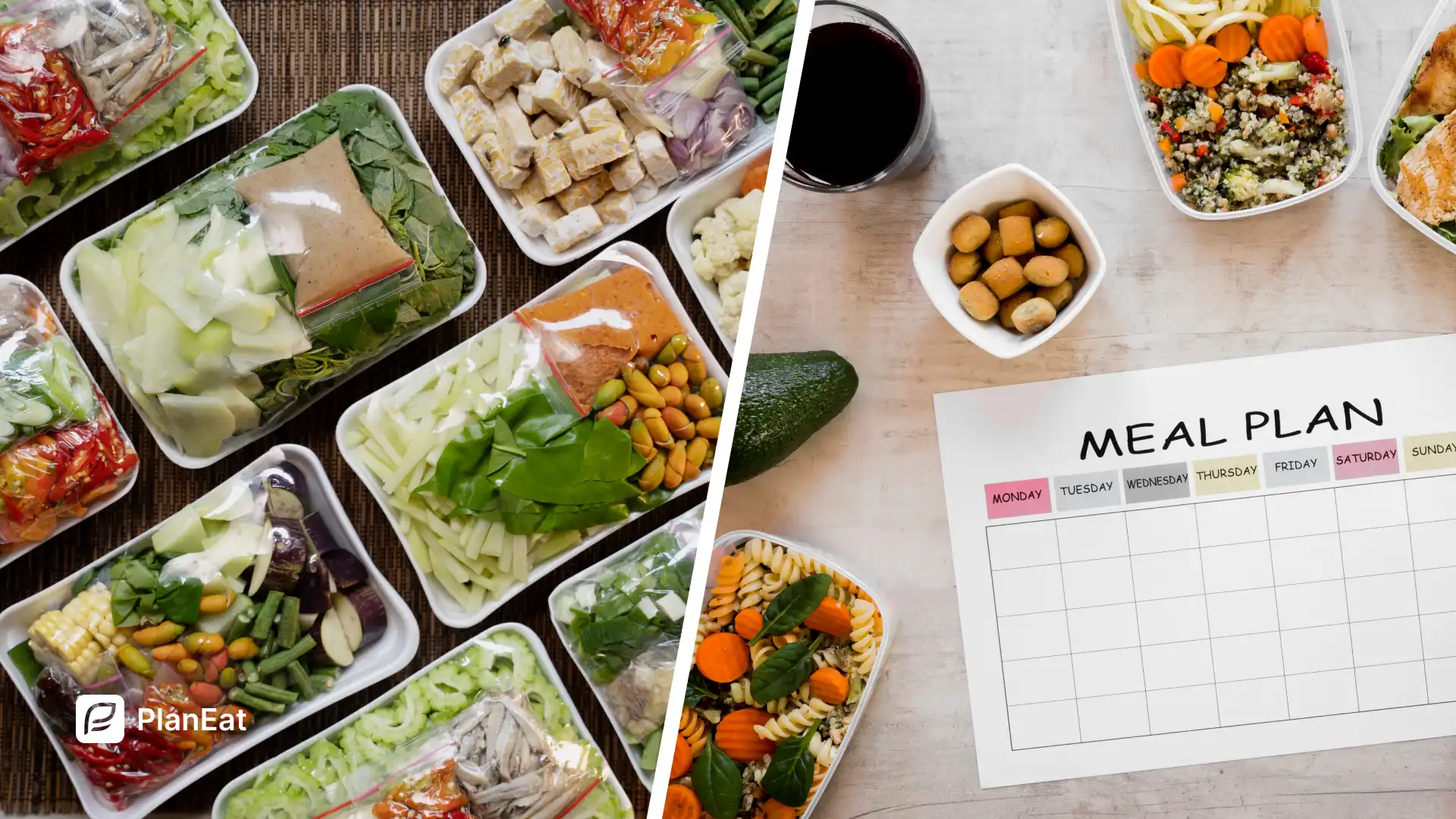
When people say meal kits, they usually mean subscription services that deliver recipes plus pre portioned ingredients to your door. You still cook, but shopping and most decisions are done for you.
Typical meal kit features:
In contrast, meal planning means you choose and structure your meals for the week, then shop and cook yourself. That can be done on paper, in a notes app, or with a dedicated planner.
Basic meal planning features:
If you want a simple starting point for do it yourself planning, How to Build a Weekly Meal Plan (Examples) and Quick Meal Planning: Build a 30-Minute Weekly Plan show how to turn a few patterns into a repeatable weekly structure.
If you like the idea of grocery based meal planning but do not want to design every week from zero, PlanEat AI can generate a weekly meal plan and grouped grocery list around your goals, dislikes, and time limits so you shop once and cook from a concrete plan instead of guessing day by day.
Prices shift between brands and promotions, but some patterns are clear.
Recent reviews and industry overviews show that many mainstream US meal kit services sit in this range:
For example, data compiled in a recent overview of meal kits found a median price around 9 to 10 dollars per serving, with lower cost services starting near 6 and higher end kits up to about 13 dollars per serving.
This is usually cheaper than restaurant delivery but more expensive than most home cooked grocery based meals.
Exact numbers depend on your store, location, and food choices. However, several analyses comparing home cooking with delivery and meal kits show that:
Realistic examples:
So from a pure money perspective over several months:
Money is only one side of the decision. Many people try meal kits because of time and mental energy.
Most kits still require cooking time, often 20 to 40 minutes per meal, but they reduce decision fatigue and planning.
With your own plan, you can:
If you plan in advance, many dinners can also land in the 15 to 30 minute range, especially when you lean on simple patterns like sheet pan meals or one pot dishes. Articles like Quick Healthy Dinner Ideas (15-30 Minutes) and Meal Prep Basics: Beginner’s Guide to Cooking Ahead show how to get speed without needing a subscription.
Meal kits often shift your time from planning and shopping toward cooking. Smart meal planning and batch prep shift time toward one or two focused blocks per week and reduce day to day decision making.
There is no single right answer, but some patterns show up again and again.
For many people, a mix is realistic. For example, using meal kits on the busiest nights and simple planned grocery meals the rest of the week.
If you have a packed schedule, Meal Planning for Busy Professionals and Healthy Office Lunch Ideas (5-Day Plan) can help you see how home cooked meals can fit into tight workweeks.
You do not have to commit to one side forever. A short experiment can show what actually works for you.
Simple test plan:
During your experiment, you can let PlanEat AI generate simple weekly plans and grocery lists for your non kit nights so you are comparing meal kits with structured planning, not with random last minute decisions.
For most people in the United States, meal kits are more expensive per serving than well planned grocery meals, especially if you use leftovers and staples. They can feel cheaper than frequent restaurant delivery, though, which is why some people see them as a step down in cost rather than the absolute lowest option.
They usually save time on planning and shopping, but not always on cooking. Many recipes still take 20 to 40 minutes from start to finish. If you already batch prep ingredients or follow simple weekly templates, your total time may not be very different from a home cooking routine.
Meal kits can reduce waste because ingredients are portioned for specific recipes. However, packaging waste is higher and can be harder to recycle. With groceries, you control how much you buy but need a plan to actually use it. Smart meal planning with leftovers can cut both food waste and cost, especially when you repeat ingredients across several meals.
Yes. Many services offer calorie conscious or protein focused options, and the built in portions can help some people. What matters is overall pattern, not just one box. combining reasonable kit choices with balanced breakfasts, lunches, and snacks can still support health goals. For structure, articles like 7-Day Weight Loss Meal Plan (With Shopping List) and Healthy Eating Basics: Build a Balanced Plate can help you shape the rest of your week around kit dinners.
Educational content only - not medical advice.
Practical comparison of meal kits and grocery based meal planning in the US, covering real world cost ranges, convenience, time, and who each option suits so you can choose the mix that fits your budget and routine.