Eating for Rest Days vs Training Days (2026)
_webp.webp)
TL;DR: Training days and rest days do not require two completely different diets. The main change is how you time carbs and how tightly you keep your meal structure, while protein and overall consistency stay steady.
Why this feels confusing in real life
A lot of advice makes it sound like rest days should be low carb and training days should be high carb, as if your body has an on off switch. In reality, recovery happens on rest days too, and your overall weekly intake matters more than one perfect day.
A practical goal is to keep your meals predictable enough that you feel fueled for workouts, but not so complicated that you need macro math. You want a repeatable base that you can adjust slightly based on activity, appetite, and schedule.
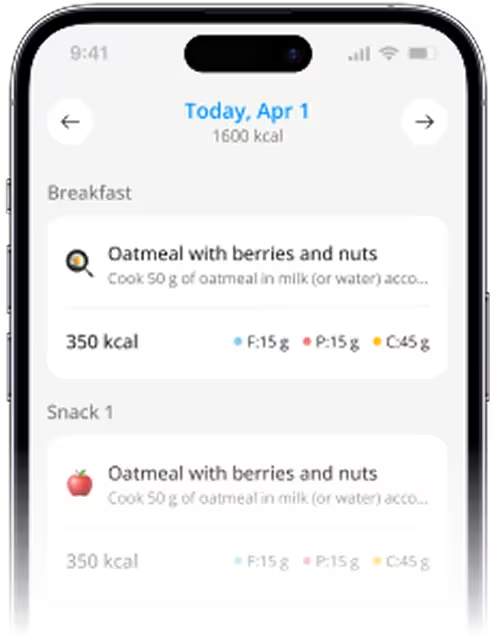
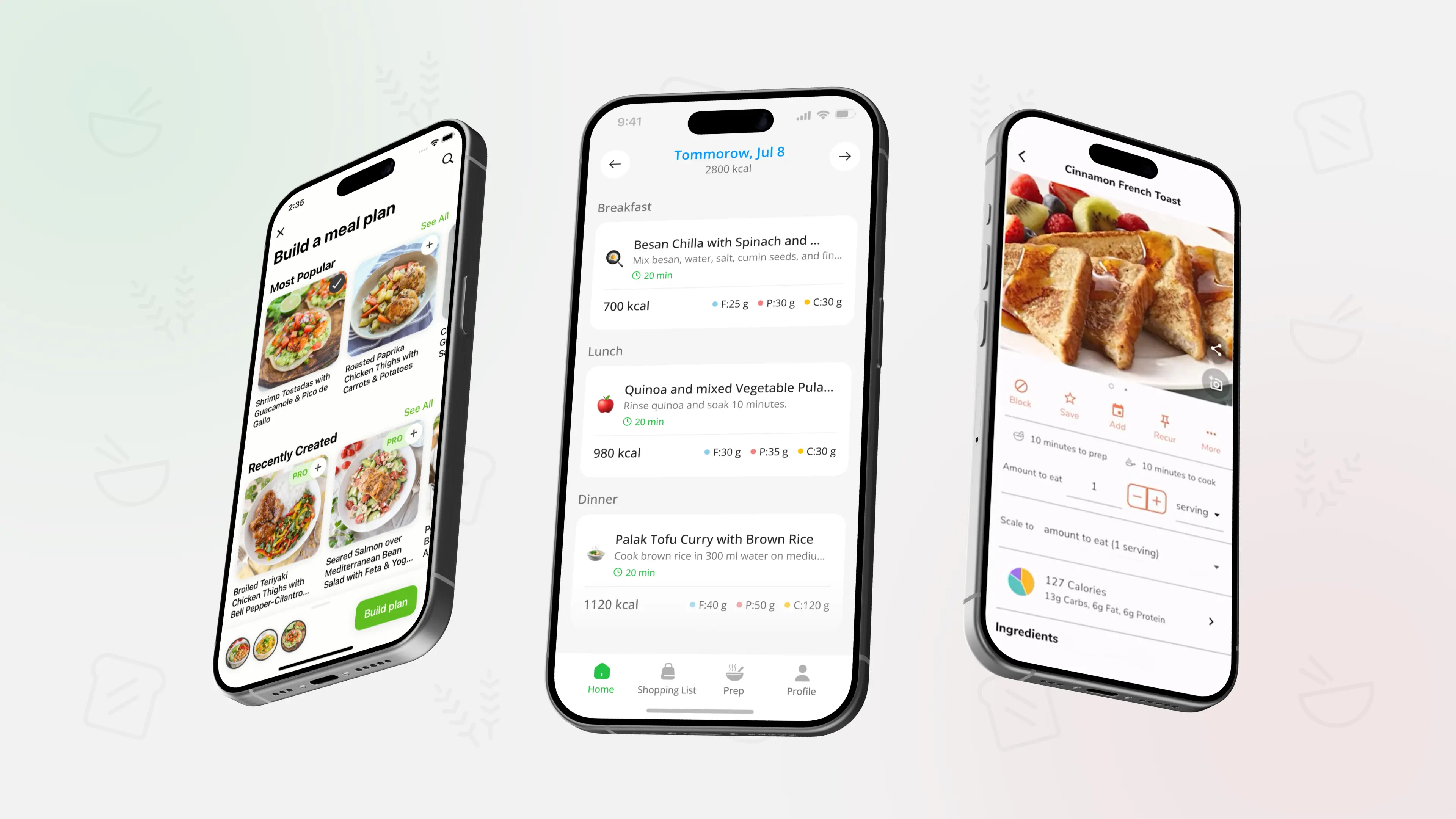
If you want this structure done for you, PlanEat AI can generate a weekly meal plan and a grouped grocery list personalized to your goals, dislikes, cooking time, and basic restrictions, with simple meal swaps when something does not fit your week.
Training day eating: fuel, perform, recover
On training days, the biggest win is not “more food,” it is more intentional timing. A meal with protein and carbs before training can improve performance, and a real meal after helps recovery and keeps hunger from spiking later.
Simple training day rules that work for most people:
- Keep protein steady at each main meal.
- Include carbs earlier in the day if you train in the afternoon or evening.
- Use a carb plus protein snack if you train after a long work stretch.
- After training, eat a normal meal instead of relying on random snacks.
Easy pre workout ideas that do not require a shaker:
- Greek yogurt plus fruit
- Eggs plus toast
- Chicken and rice leftovers
- A banana plus a simple protein option you tolerate
If your workouts feel flat, it is often hydration plus inconsistent meals, not a lack of willpower. Hydration & Diet: How Much Water Do You Need? is a good reminder of the basics that impact energy more than most people expect.
Rest day eating: steady energy, not restriction
Rest days are not “do nothing” days for your body. They are when recovery and adaptation happen, which still benefits from protein, fiber, and enough overall food.
Instead of cutting carbs aggressively, adjust them based on appetite and activity. Many people feel best keeping the same meal structure, but using slightly smaller carb portions and adding more volume from vegetables and higher fiber foods.
Practical rest day rules:
- Keep protein the same as training days.
- Keep meals on a schedule so you do not drift into snack only eating.
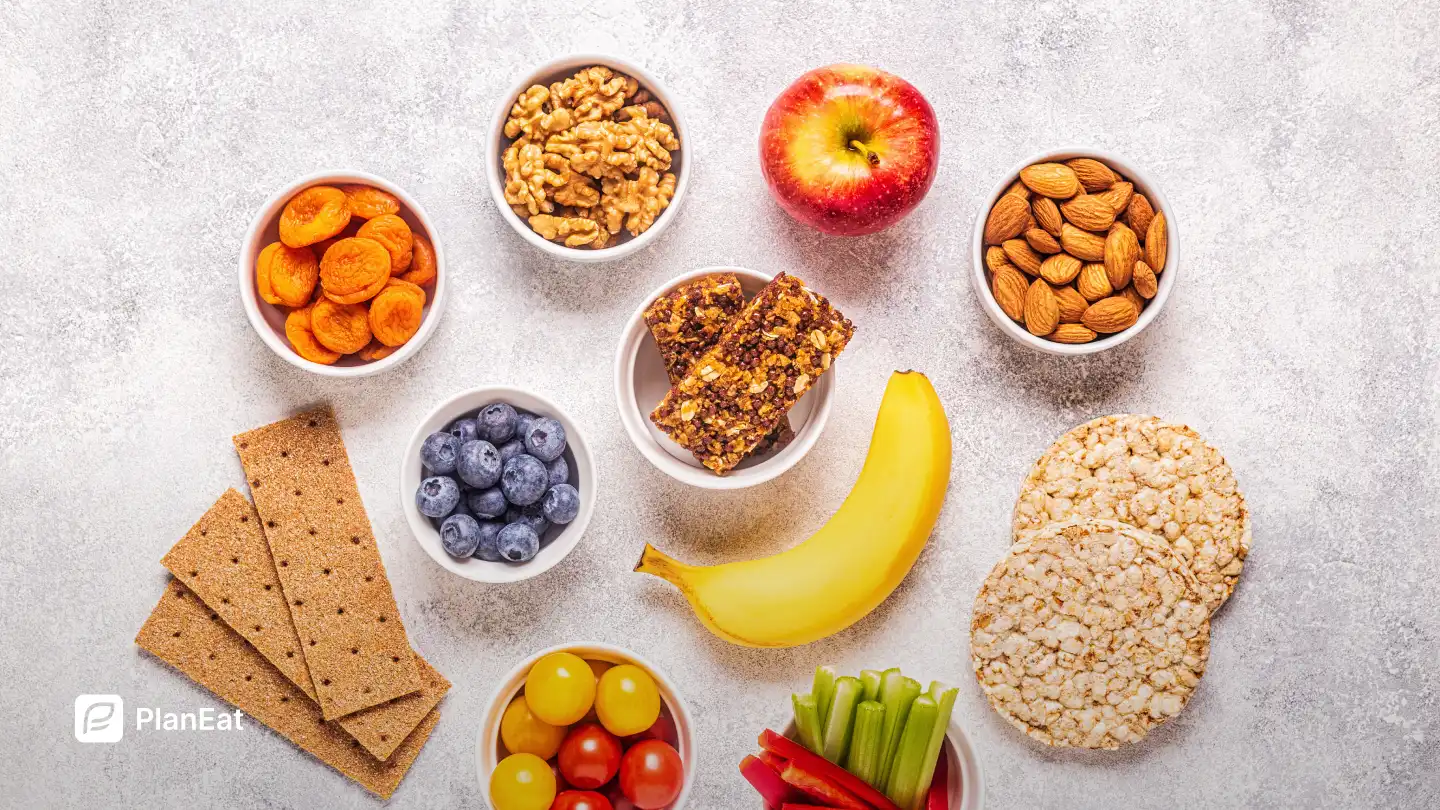
- Choose slow carbs most of the time, like oats, potatoes, beans, or whole grains.
- Build snacks around protein plus fiber, not just something sweet.
If you notice that rest days turn into grazing, a simple meal template can help you stay satisfied without feeling like you are “dieting.” Mindful Eating: Simple Exercises to Slow Down pairs well with this, because it helps you notice hunger and fullness before you are already over snack mode.
The weekly template that makes both days easier
You do not need separate grocery lists for training and rest days. You need a small set of foods that can flex up or down based on the day.
Build your week around these anchors:
- 2 protein options you will repeat (chicken, eggs, tofu, Greek yogurt, beans)
- 1 main carb you can portion easily (rice, potatoes, oats, tortillas)
- 2 produce anchors (one that roasts well, one that works raw or quick cooked)
- 1 fat staple (olive oil, nuts, nut butter)
- 1 flavor booster (salsa, pesto, hummus, vinaigrette)
Then adjust by day using a simple “carb dial”:
- Training day: include carbs in the meal before training and in the meal after.
- Rest day: keep carbs, but lean more toward slow carbs and slightly smaller portions if your appetite is lower.
This works because you are not reinventing meals. You are using the same bowl, taco, salad, and breakfast templates, just shifting the carb amount and timing.
If you find a weekly structure that works, PlanEat AI helps you save a plan as reusable and swap meals quickly while keeping a steady base of repeatable protein and fiber across the week.
FAQ
Do I need to eat less on rest days?
Not necessarily. Many people can keep the same meal structure and just let appetite guide slight portion changes, especially for carbs. Recovery still benefits from enough protein and overall food.
Should carbs be higher on training days?
Often, yes, especially around your workout. The simplest approach is to include carbs in the meal before and after training, then keep the rest of the day balanced with protein, vegetables, and slow carbs.
What if I train early in the morning?
You can keep it simple. Try a light carb plus protein option if you tolerate food early, or train and eat a solid breakfast after. The key is not skipping the post workout meal.
How do I avoid late night hunger on training days?
Late hunger often comes from under eating earlier or relying on small snacks instead of meals. Make sure you have a real post workout meal with protein and carbs, and add a protein plus fiber snack if dinner is far away.
One small change that matters
Keep protein consistent every day, then adjust carbs mostly by timing, not by strict rules. With a repeatable weekly template, training days feel better and rest days stay stable without feeling restrictive.

.webp)
.webp)
.webp)
%20(2026).webp)
.webp)
%20(2026).webp)
.webp)
.webp)
.webp)
%20Quick%20Ideas%20(2026).webp)
.webp)
.webp)
.webp)
%20Simple%20Staples%20(2026).webp)

.webp)



.webp)
.webp)
.webp)
_.webp)
_.webp)



.webp)
_webp.webp)
_.webp)
_.webp)
.webp)
.webp)
_%20What%20to%20Buy%20When%20(2026)_.webp)
_.webp)
webp.webp)
_.webp)
.webp)
.webp)
.webp)
.webp)
.webp)
.webp)


.webp)
.webp)
.webp)
.webp)

.webp)

.webp)

.webp)
.webp)
%20%2B%207%E2%80%91Day%20Menu.webp)
.webp)


.webp)
.webp)




.webp)
.webp)
.webp)

.webp)
%20iOS%20Focus.webp)
.webp)
.webp)
.webp)
.webp)
.webp)