Eat for Muscle and Energy Without Macro Math (2026)
.webp)
TL;DR: You can support muscle and steady energy without tracking macros by building meals around protein, smart carbs, and a few repeatable templates. This guide gives practical grocery picks, portion shortcuts, and a weekly structure you can actually stick to.
The real reason people feel stuck
Most people do not fail because they “do not know macros.” They get stuck because meals are inconsistent: some days are high protein and balanced, other days are coffee and snacks until a random dinner.
When your meals are uneven, your workouts feel harder, your appetite swings more, and it gets easy to overthink food. The fix is not math. The fix is a simple structure you repeat often enough that it becomes automatic.
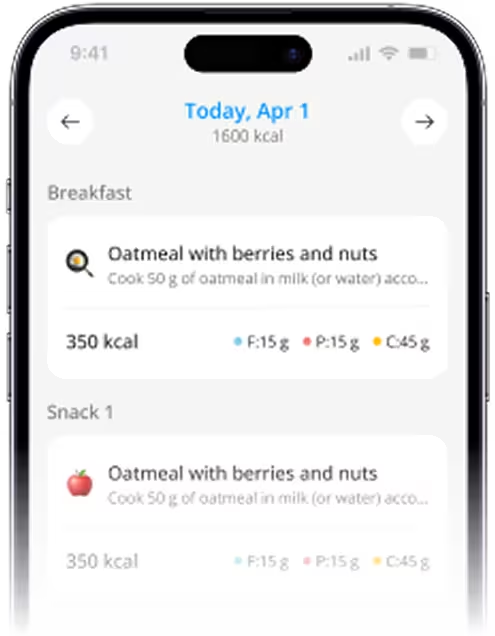
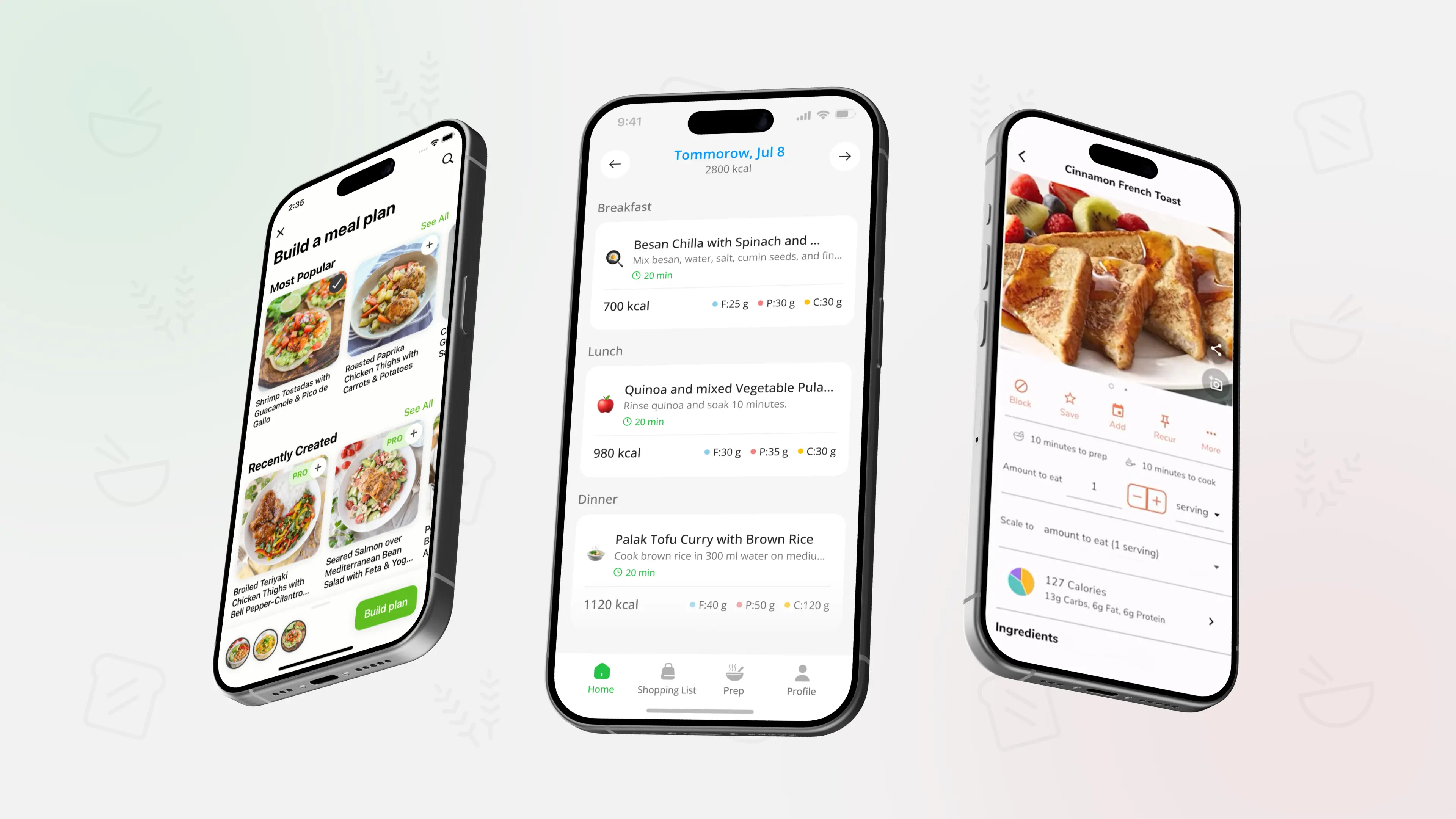
If you want structure without tracking, PlanEat AI can generate a weekly meal plan and a grouped grocery list personalized to your goals, dislikes, cooking time, and basic restrictions, plus simple swaps when a meal does not fit your week.
Protein first, without tracking grams
Protein is the most reliable anchor for muscle support and meal satisfaction. You do not need a perfect number. You just need a consistent habit: include a solid protein source in each main meal.
A simple portion shortcut is 1 to 2 palm sized servings of protein per meal (closer to 2 if you are larger, training hard, or often hungry). Choose proteins you will actually cook and repeat. Rotating two main options plus one “no effort” backup is usually enough to stay consistent.
Practical protein picks for a normal week:
- Chicken, turkey, lean ground beef
- Eggs and egg whites
- Greek yogurt, cottage cheese
- Tofu, tempeh, edamame
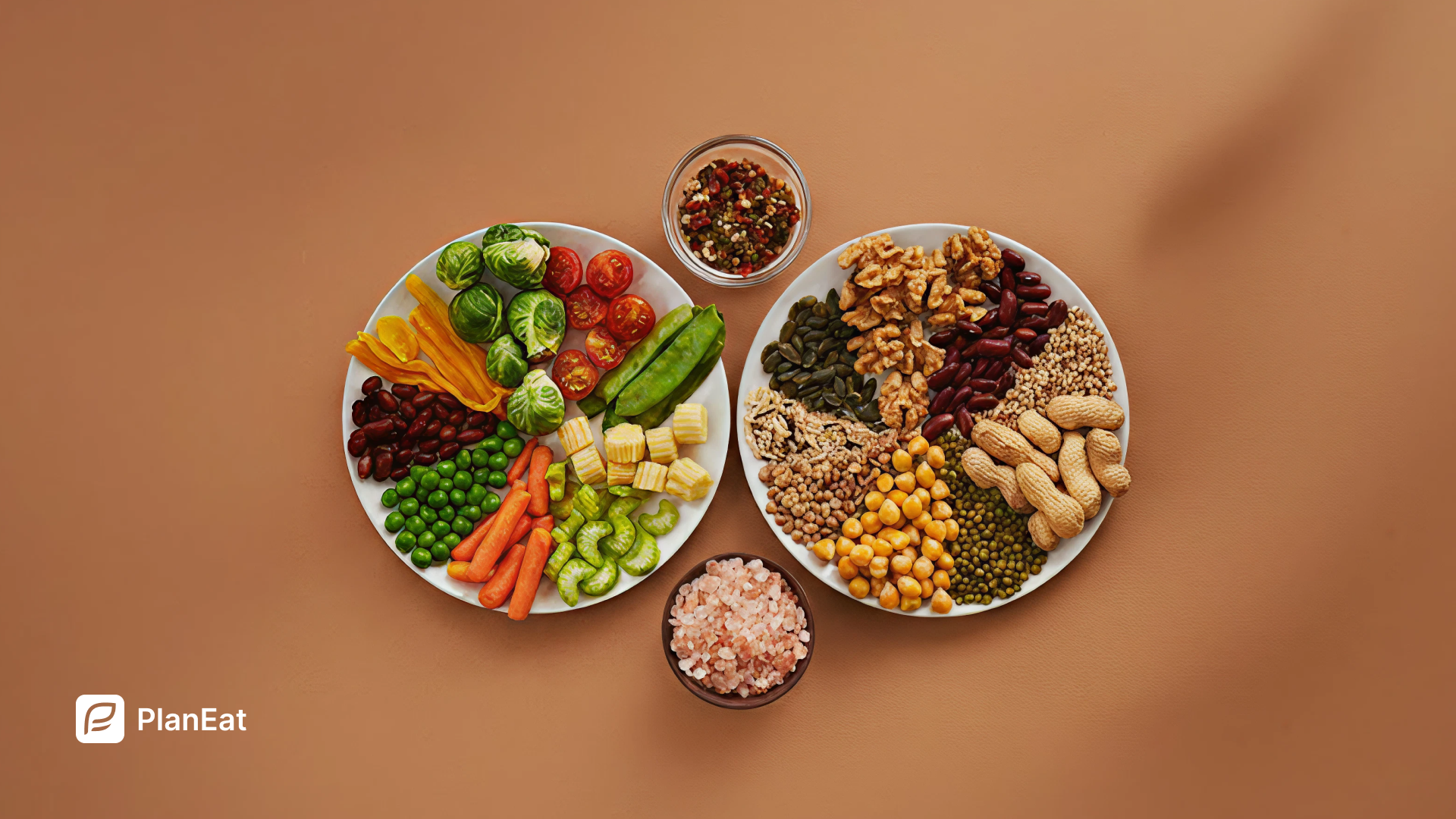
- Beans and lentils
- Canned tuna or salmon for backup
If breakfast is your weak spot, make it your easiest win. A repeatable high protein breakfast reduces snack cravings later and makes the rest of the day simpler. High-Protein Breakfast Ideas (That Keep You Full) is a good set of patterns to keep on rotation.
Carbs for training and energy, not sugar highs
Carbs are not the enemy when your goal is strength and energy. The goal is choosing carbs that support your training and do not leave you crashing an hour later.
On most days, build meals around slow, reliable carbs. Think oats, rice, potatoes, whole grain bread, beans, and fruit. For workouts, timing matters more than perfection. If you train, having carbs before and after can make sessions feel better and recovery easier, even if you never track anything.
Easy carb rules that work:
- Use slow carbs in most meals, especially lunch and dinner.
- Add a faster carb when it helps performance, like a banana, rice, or toast near training.
- Pair carbs with protein and a bit of fat to keep energy steadier.
If you are busy and end up skipping meals, carbs often turn into random snacks. A weekly plan helps because it puts carbs into real meals instead of impulse picks. Meal Planning for Busy Professionals can help you set up a schedule that is realistic with long workdays.
Fats, hydration, and timing that keep you going
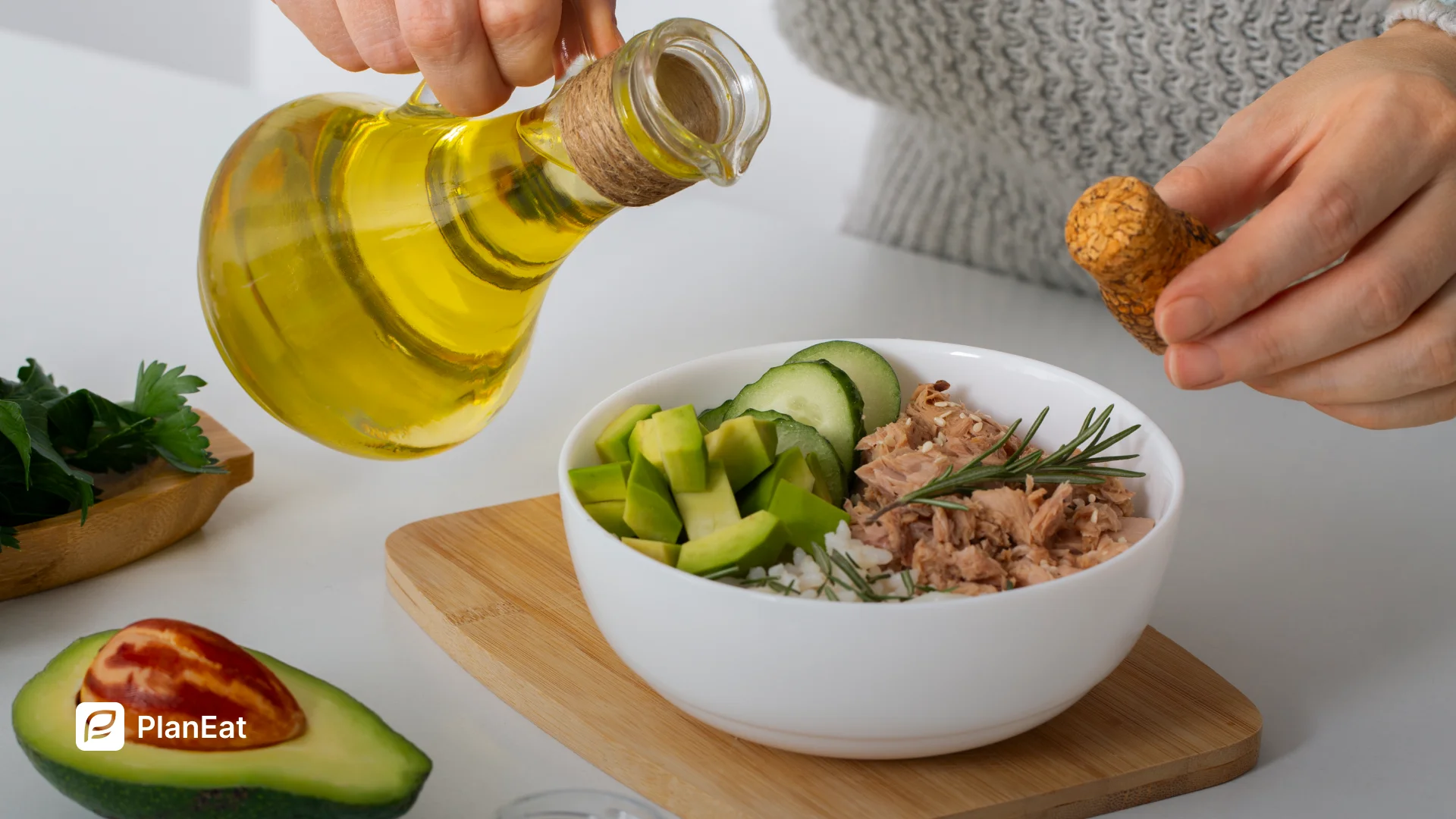
Healthy fats make meals more satisfying and help you stick to your plan. The key is not “more fat,” it is choosing a few quality staples you will actually use and keeping portions reasonable.
Reliable staples:
- Extra virgin olive oil
- Avocados when you will use them soon
- Nuts and nut butters
- Seeds like chia or ground flax
- Fatty fish when it fits your routine
Also, do not ignore the basics that look boring. Hydration and sleep are huge for energy, and many people confuse dehydration and fatigue with “needing more sugar.” If you feel drained mid afternoon, try water and a real snack (protein plus fiber) before assuming you need caffeine.
A simple timing habit that helps many people is spacing protein across the day. Instead of one giant protein heavy dinner, aim for steady protein at breakfast, lunch, and dinner. This supports recovery and usually makes appetite easier to manage.
A no math weekly template you can repeat
You do not need a new plan every week. You need one structure you can repeat, with small swaps for variety.
Start with this weekly setup:
- Pick 2 proteins for the week (example: chicken and Greek yogurt, or tofu and eggs).
- Pick 1 main carb (example: rice or potatoes).
- Pick 2 produce anchors (one that roasts well, one that works raw or quick cooked).
- Pick 1 fat staple (olive oil or nut butter).
- Pick 1 flavor booster (salsa, pesto, hummus, or a simple vinaigrette).
Then build meals from templates, not recipes:
- Bowl: protein + roasted veggies + rice + sauce
- Taco: protein + quick veggie + tortillas + crunchy topping
- Breakfast anchor: yogurt or oats + fruit + seeds, or eggs + greens
- Snack that actually helps: Greek yogurt, cottage cheese, or a protein plus fruit combo
This approach keeps your groceries focused and makes it easier to hit protein and carbs consistently without tracking. It also reduces the “what do I eat now” problem that leads to skipped meals and low energy.
If you want to reuse a structure that works, PlanEat AI helps you save a plan as reusable and swap meals quickly while keeping a steady base of repeatable protein and fiber across the week.
FAQ
Can I build muscle without counting macros?
Yes. Consistency matters more than precision for most people. If you include a solid protein source at each main meal, eat enough overall, and train regularly, you can support muscle growth without tracking.
How much protein do I need if I do not want to track grams?
Use a simple portion shortcut. Aim for a palm sized protein serving at each main meal, and consider two palms if you are training hard, larger, or often hungry. Adjust based on how you feel, performance, and recovery.
What should I eat before and after workouts for energy?
Before training, a small meal or snack with carbs plus some protein usually helps, like toast plus eggs, yogurt plus fruit, or a banana and a simple protein option. After training, prioritize a real meal with protein and carbs to support recovery.
Why do I feel tired even when I eat “healthy”?
Often it is inconsistency: too little food earlier in the day, low protein, or long gaps between meals. Hydration and sleep also matter, and dehydration can feel like fatigue. Try regular meals built from protein, slow carbs, and a small amount of healthy fat.
The simplest approach that works
You do not need macro math to eat for muscle and energy. Anchor meals with protein, use carbs to support training and steady energy, and keep fats as simple staples that make food satisfying. A repeatable weekly template will beat a perfect plan you cannot sustain.

.webp)
.webp)
.webp)
%20(2026).webp)
.webp)
%20(2026).webp)
.webp)
.webp)
.webp)
%20Quick%20Ideas%20(2026).webp)
.webp)
.webp)
.webp)
%20Simple%20Staples%20(2026).webp)
.webp)


.webp)
.webp)
.webp)
_.webp)
_.webp)



.webp)
_webp.webp)
_.webp)
_.webp)
_webp.webp)
.webp)
_%20What%20to%20Buy%20When%20(2026)_.webp)
_.webp)
webp.webp)
_.webp)
.webp)
.webp)
.webp)
.webp)
.webp)
.webp)


.webp)
.webp)
.webp)
.webp)

.webp)
.webp)

.webp)
.webp)
%20%2B%207%E2%80%91Day%20Menu.webp)
.webp)


.webp)
.webp)




.webp)
.webp)
.webp)
.webp)
%20iOS%20Focus.webp)
.webp)
.webp)
.webp)
.webp)
.webp)