Healthy vs Unhealthy Foods: Myths That Persist (2026)
_.webp)
TL;DR: Most foods are not purely “healthy” or “unhealthy.” Context, portions, and what the food replaces matter more than a label. In 2026, the most helpful mindset is to focus on patterns you can repeat, not a blacklist of foods.
Why the “good vs bad food” mindset keeps people stuck
Calling foods “good” or “bad” feels simple, but it often leads to two problems. First, it turns eating into a moral issue, which adds guilt and makes consistency harder. Second, it makes people chase perfect choices instead of building a realistic routine.
A more useful lens is: does this food help you feel satisfied, energized, and steady across the week. If your week is built on meals that keep you full and are easy to repeat, you do not need extreme rules.
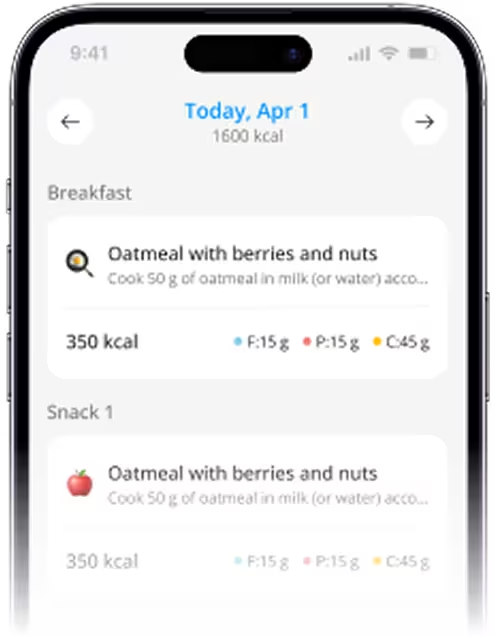
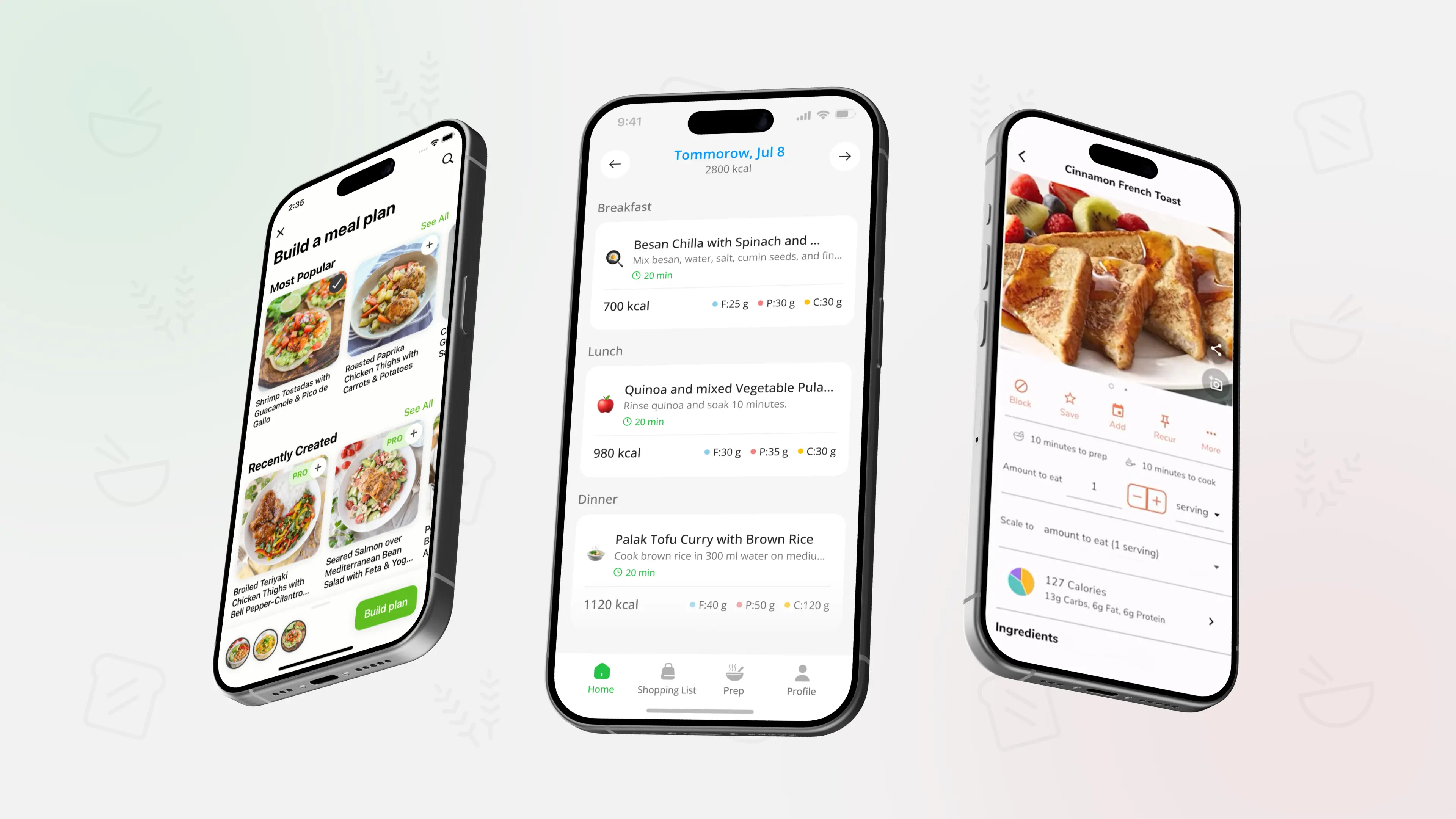
If you want structure without rigid rules, PlanEat AI generates a weekly meal plan and a grouped grocery list personalized to your goals, dislikes, and the time you have to cook. It is meal planning support, not calorie tracking, and it helps you build repeatable meals that fit real life.
The myths that make food feel “unhealthy”
Below are common beliefs that sound true, but often miss the bigger picture.
Myth: Carbs are automatically unhealthy
Carbs are a broad category. A bowl of oats, beans, or potatoes is not the same as a large sugary drink. Many people do better when they keep carbs, but choose more filling options and pair them with protein and fiber.
Myth: Fat is bad, so low-fat is always better
Fat is also a broad category. Some meals feel more satisfying with fat, and satisfaction matters for consistency. A food being low-fat does not automatically make it better, especially if it leaves you hungry an hour later.
Myth: Processed foods are always “bad”
Processing ranges from frozen vegetables to candy. Some processed foods are practical tools: canned beans, frozen fruit, yogurt, pre-cut vegetables. The real question is how often a food shows up and what else it crowds out.
Myth: Sugar is poison, so you must cut it completely
Many people get stuck in an all-or-nothing cycle with sugar. For most, a more realistic approach is to reduce constant sweet grazing and build meals that are satisfying. If sugar cravings are your main pain point, How to Stop Sugar Cravings (Real-World Tips) can help you build a calmer baseline.
Myth: “Clean eating” is the only way to be healthy
Clean eating means different things to different people, which is part of the problem. If the rules feel too strict, the plan usually breaks and you end up “starting over.” A flexible structure is often more sustainable than trying to be perfect.
If you want a simple way to build meals that feel balanced without micromanaging, Healthy Eating Basics: Build a Balanced Plate is a good reference point.
A more practical way to decide what to eat
Instead of asking “Is this healthy,” ask questions that lead to better decisions.
- Will this meal keep me full for a few hours
- Does it include protein and fiber most of the time
- Is this something I can repeat on busy days
- If I eat this today, what will my next meal look like
This is how you avoid the swing between restriction and overeating. You make the next meal easier, not harder.
How to build a weekly plan without food rules
A good week is not built from perfect choices. It is built from a few defaults you can repeat.
Try a simple weekly structure:
- 2 breakfast defaults you genuinely like
- 2 lunch templates (leftovers, bowls, salads)
- 2 anchor dinners you can cook once and eat twice
- 1 backup meal for low-energy nights
This keeps your week steady even when you eat something “less healthy” at dinner. You do not restart. You return to defaults. If you want a simple routine that supports this, Meal Planning Routine That Sticks (2026) can help you make the system repeatable.
With PlanEat AI, you can save a weekly plan as reusable, swap meals quickly, and keep a repeatable protein-and-fiber backbone week to week. That makes it easier to stay consistent without labeling foods as “good” or “bad.”
FAQ
Are there foods I should avoid completely?
For most people, total bans create rebound behavior. A better strategy is to limit foods that trigger constant snacking and build meals that keep you satisfied.
Is eating carbs at night unhealthy?
Not automatically. What matters more is your overall pattern and whether your meals are balanced and satisfying.
Is processed food always bad for you?
No. Many processed foods are practical staples, like frozen vegetables and canned beans. The key is frequency and what else you are eating.
How do I stop feeling guilty after eating “unhealthy” foods?
Shift the goal from perfection to consistency. Plan your next meal to be balanced and satisfying, then move on.
What is the simplest way to eat balanced without tracking?
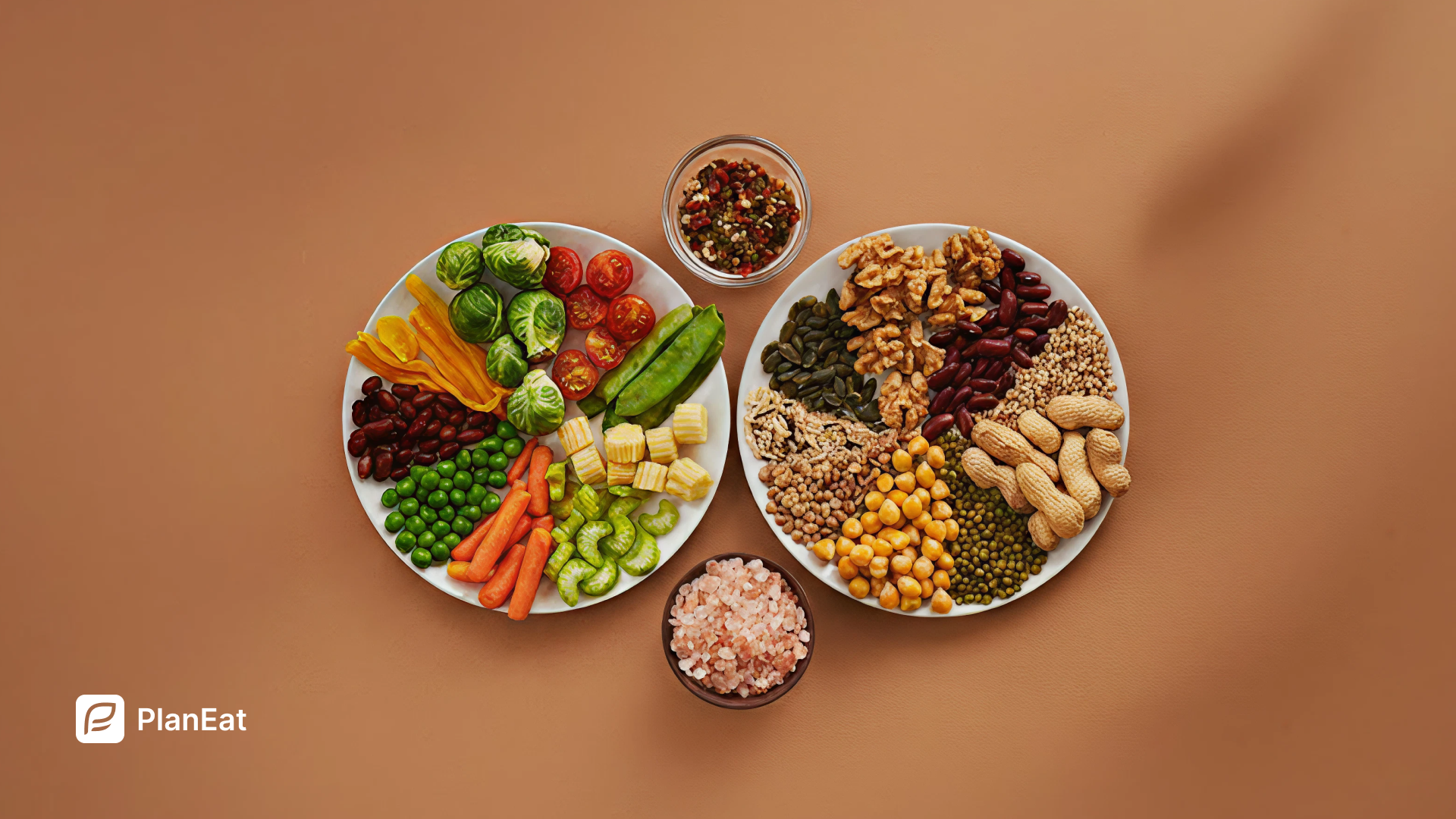
Use a plate template: protein, vegetables or fruit, and a carb or healthy fat. Keep the meals you like and can repeat.
Do “healthy” foods always help with weight loss?
Not necessarily. Portions, satisfaction, and consistency matter. Many people do better with a plan that feels realistic than a plan that feels strict.
Most foods are not “good” or “bad”
Healthy eating usually improves when you stop chasing perfect choices and start building repeatable meals. Focus on patterns that keep you satisfied, and use simple defaults so one meal does not turn into a full restart.

%20(2026).webp)
.webp)
.webp)
.webp)
%20Quick%20Ideas%20(2026).webp)
.webp)
.webp)
.webp)
%20Simple%20Staples%20(2026).webp)
.webp)


.webp)
.webp)
.webp)
_.webp)
_.webp)


.webp)
_webp.webp)
_.webp)
_.webp)
_webp.webp)
.webp)
.webp)
_%20What%20to%20Buy%20When%20(2026)_.webp)
_.webp)
webp.webp)
.webp)
.webp)
.webp)
.webp)
.webp)
.webp)
.webp)
.webp)
.webp)
.webp)

.webp)
.webp)

.webp)
.webp)
%20%2B%207%E2%80%91Day%20Menu.webp)
.webp)

.webp)
.webp)



.webp)
.webp)
.webp)
.webp)
%20iOS%20Focus.webp)
.webp)
.webp)
.webp)
.webp)
.webp)
.webp)
.webp)