Healthy Eating Myths People Still Believe (2026)
.webp)
TL;DR: Most healthy eating myths still around in 2026 come from extreme diet culture and outdated advice. Grouping them together makes it easier to see what actually matters for realistic, sustainable eating.
Why nutrition myths refuse to disappear
Health advice spreads faster than ever, but nuance rarely survives short posts and headlines. Simple rules feel comforting, even when they ignore real schedules, preferences, and energy levels.
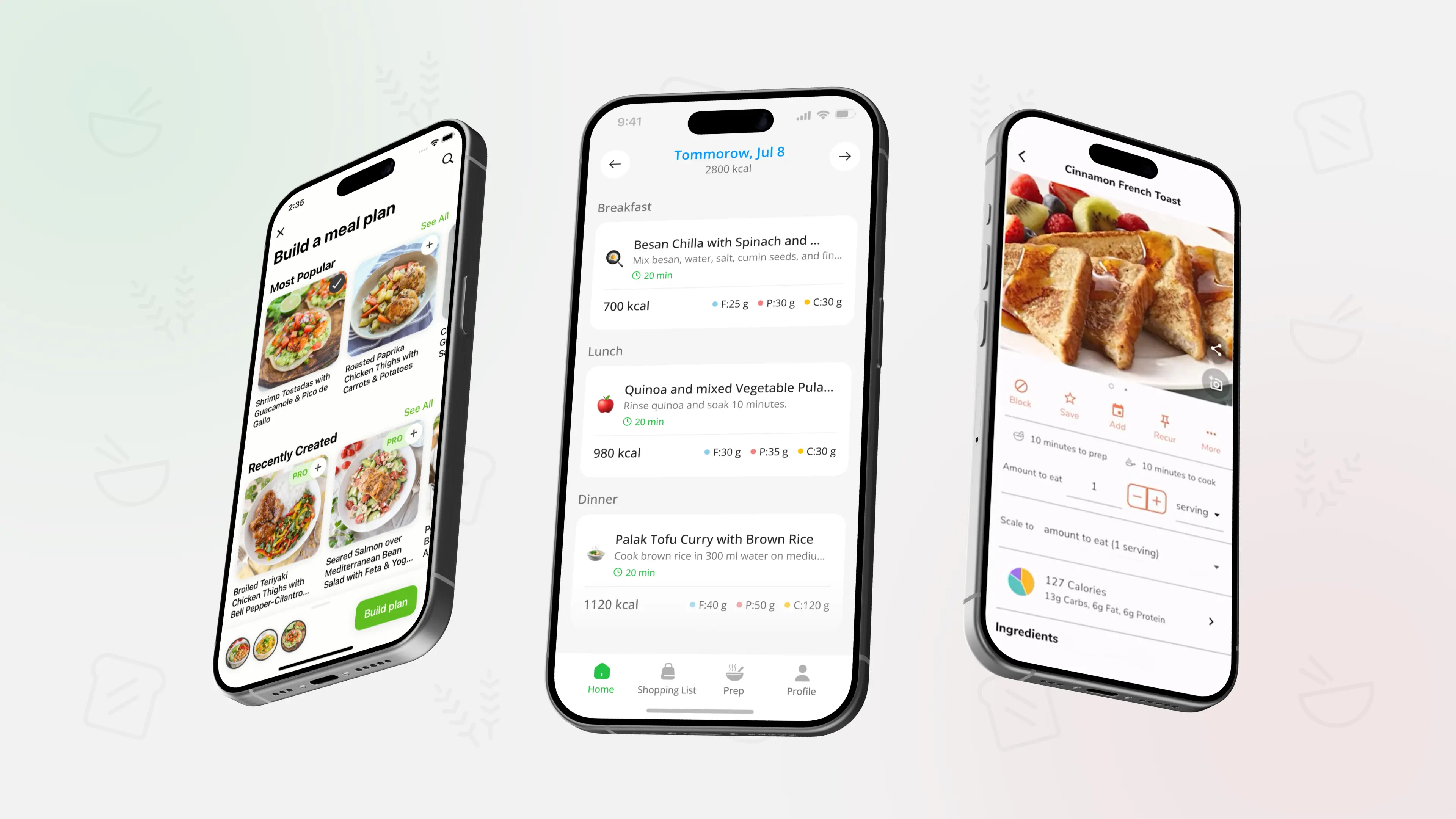
If structure helps reduce confusion, PlanEat AI generates a weekly meal plan and a grouped grocery list based on your goals, dislikes, and available cooking time. This helps turn abstract advice into something usable.
Common healthy eating myths that still mislead people
Several myths tend to appear together and reinforce each other.
- You must cut out carbs to be healthy
- Healthy food is always expensive
- You need to track calories or macros forever
- Leftovers are unhealthy or lazy
- There is one perfect diet for everyone
All of these ideas oversimplify nutrition and make consistency harder. A more balanced way of thinking is outlined in Healthy Eating Basics: Build a Balanced Plate.
What actually works better in real life
Instead of rigid rules, most people benefit from a few practical principles.
- Repeating meals on purpose to reduce decisions
- Choosing familiar foods you actually enjoy
- Planning groceries before the week starts
This approach explains why structured planning often works better than constant tracking, as discussed in Calorie Counting vs Meal Planning: What Works Better?.
Why simplicity lowers both cost and stress
When meals share ingredients, grocery lists become shorter and more predictable. This reduces impulse buys and food waste, two of the biggest drivers of overspending.
A simple list built around staples like eggs, rice, beans, and frozen vegetables can support an entire week. Practical examples are shown in $50/Week Healthy Grocery List (US) + 7-Day Menu.
With PlanEat AI, you can save a weekly plan as reusable and quickly swap meals while keeping protein and fiber consistent. This supports flexibility without falling back into rigid rules.
FAQ
Are nutrition myths really a problem?
Yes. They often lead to unnecessary restriction, guilt, or quitting when reality does not match expectations.
Is repeating the same meals a bad habit?
No. Repetition can reduce decision fatigue and help people stay consistent during busy weeks.
Do I need a strict diet to lose weight?
Not always. Many people see progress by focusing on portions, structure, and habits. For more context, see What Exactly Should I Eat to Lose Weight? (2025).
Educational content only, not medical advice.
Why most nutrition myths fail long term
Healthy eating breaks down when advice ignores real life. Flexible structure and simple planning work better than extreme rules or perfect diets.

.webp)
.webp)
.webp)
.webp)
.webp)
%20(2026).webp)
.webp)
.webp)
.webp)
%20(2026).webp)
.webp)
%20(2026).webp)
.webp)
.webp)
.webp)
%20Quick%20Ideas%20(2026).webp)
.webp)
.webp)
.webp)
%20Simple%20Staples%20(2026).webp)
.webp)


.webp)
.webp)
.webp)
_.webp)
_.webp)



.webp)
_webp.webp)
_.webp)
_.webp)
_webp.webp)
.webp)
.webp)
_%20What%20to%20Buy%20When%20(2026)_.webp)
_.webp)
webp.webp)
_.webp)
.webp)
.webp)
.webp)
.webp)
.webp)
.webp)


.webp)
.webp)
.webp)
.webp)

.webp)
.webp)

.webp)

%20%2B%207%E2%80%91Day%20Menu.webp)
.webp)


.webp)
.webp)



.webp)
.webp)
.webp)
.webp)