How to Spot Nutrition Misinformation (2026)

TL;DR: Nutrition misinformation usually sounds confident, simple, and urgent. The fastest way to protect yourself is to look for red flags like miracle claims, cherry-picked studies, and fear-based rules, then fall back to repeatable basics like protein, fiber, and consistent meals.
Why nutrition misinformation spreads so fast
Nutrition is personal, and people want clear answers. That is exactly why bad advice travels well: it promises certainty, offers a villain ingredient, and makes you feel like you discovered a shortcut.
But real nutrition science is rarely dramatic. It is mostly about patterns that work across many people over time. When you learn a few filters, you can stop reacting to every headline and start building a routine that stays stable even when trends change.
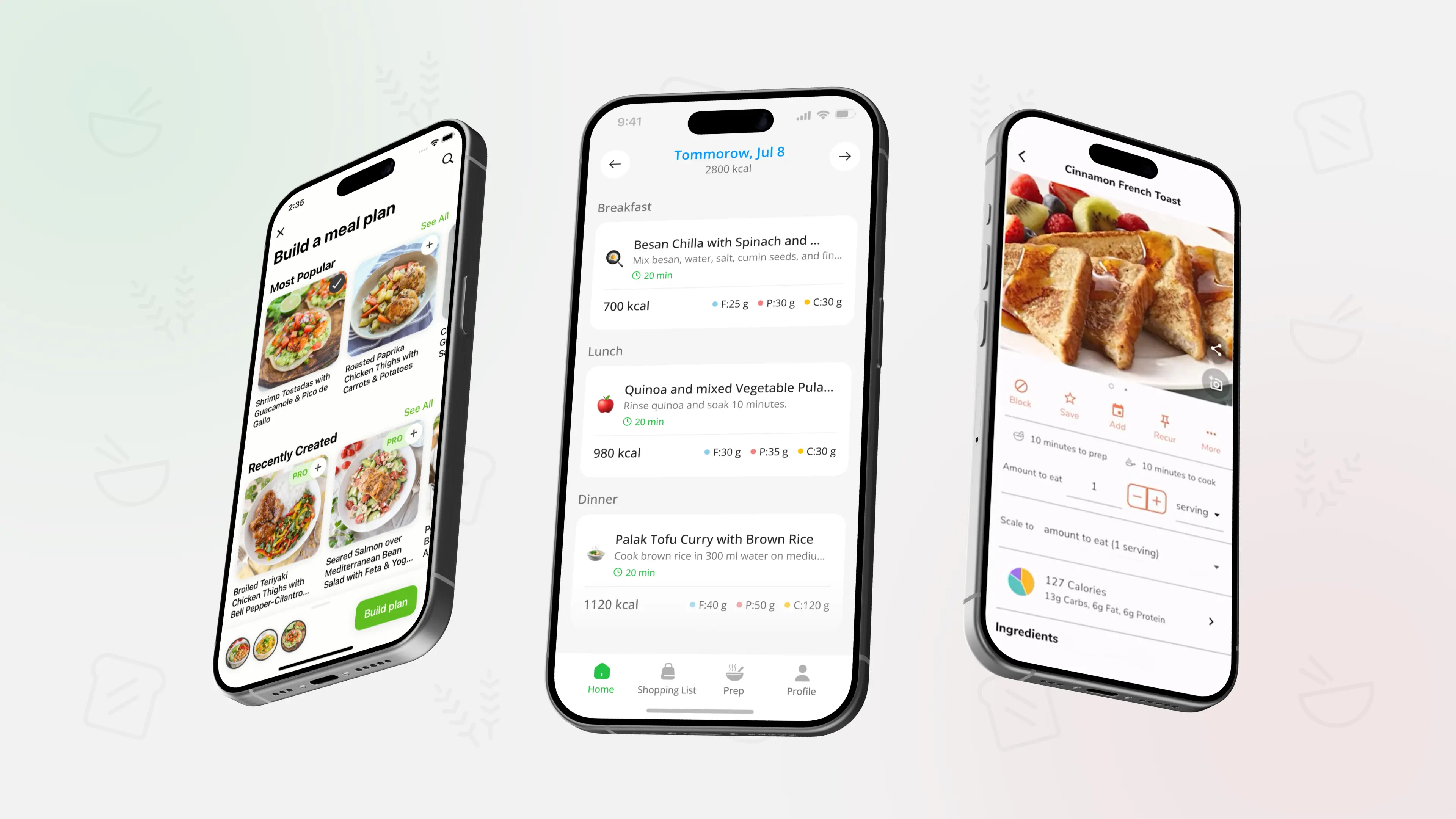
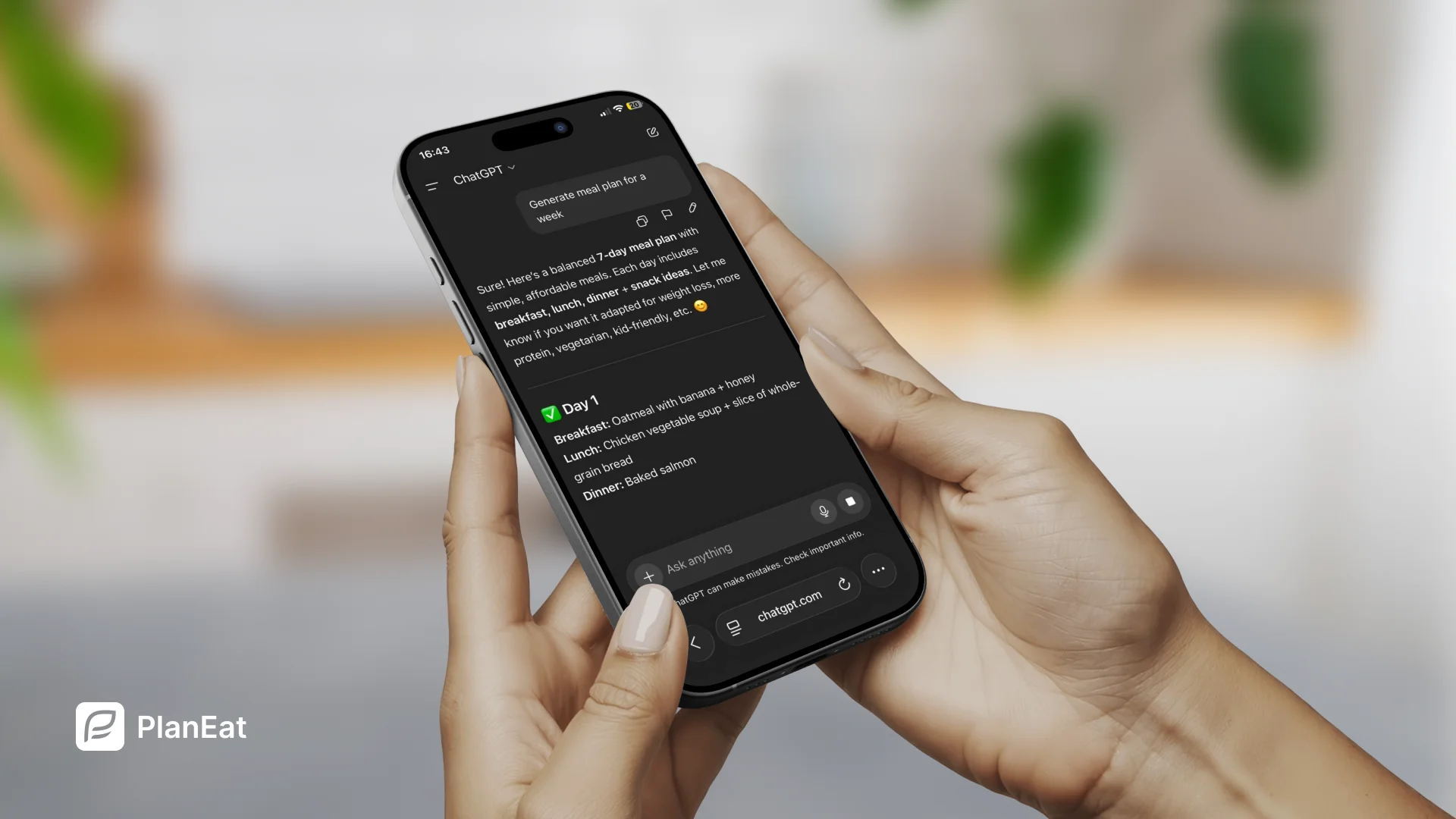
If you are tired of bouncing between conflicting advice, PlanEat AI can generate a weekly meal plan and a grouped grocery list personalized to your goals, dislikes, cooking time, and basic restrictions, with simple meal swaps when a meal does not fit your week.
The biggest red flags to watch for
You do not need to be a scientist to spot misinformation. Most bad nutrition advice repeats the same patterns.
Common red flags:
- A “miracle” promise, like effortless fat loss, detox, or instant hormone fixes
- One ingredient blamed for everything, like carbs, seed oils, gluten, or fruit
- A strict rule that ignores context, like “never eat after 6 pm” or “cut all carbs”
- A claim that relies on fear, shame, or urgency instead of practical steps
- A long list of banned foods that makes normal life and social eating hard
A quick reality check is this: if an approach only works when your life is perfectly controlled, it is not a good long-term plan.
How misinformation uses science words to sound legit
A lot of misinformation does not reject science. It borrows science language and uses it in misleading ways.
Watch for these tricks:
- Correlation presented as proof: “people who eat X weigh more, so X causes weight gain”
- One small study treated as a final answer, especially if it is done in animals or with extreme diets
- A single biomarker used as a headline, like “spikes insulin” or “causes inflammation,” without real-world outcomes
- Overconfident conclusions from very short experiments
When you see a claim, ask one question: does it match what you could realistically do for months, not just a week. If not, it is probably more content than guidance.
If you want a calmer overview of what nutrition science tends to agree on, Nutrition Science: What Actually Matters (2026) is a good baseline.
A simple method to fact-check a claim in 2 minutes
You do not need a deep research session to avoid most traps. Use a short checklist and move on.
Try this 2-minute process:
- Identify what is being promised. Is it a realistic outcome or a miracle?
- Look for the “mechanism only” trap. Are they describing a process without real results?
- Ask what the claim would change in your meals. If it forces extremes, be skeptical.
- Check if reputable sources agree broadly, not just one influencer.
Then bring it back to behavior. Even if a claim is partly true in a lab, it might not matter compared to your actual routine.
If you notice that claims trigger all-or-nothing thinking, it helps to ground yourself in realistic habits that you can repeat. 10 Healthy Eating Habits for a Sustainable Lifestyle can help you focus on actions that matter more than internet debates.
What to do instead: the “boring” basics that beat misinformation
Once you stop chasing hacks, the next step is replacing noise with a simple structure you can repeat.
A practical foundation:
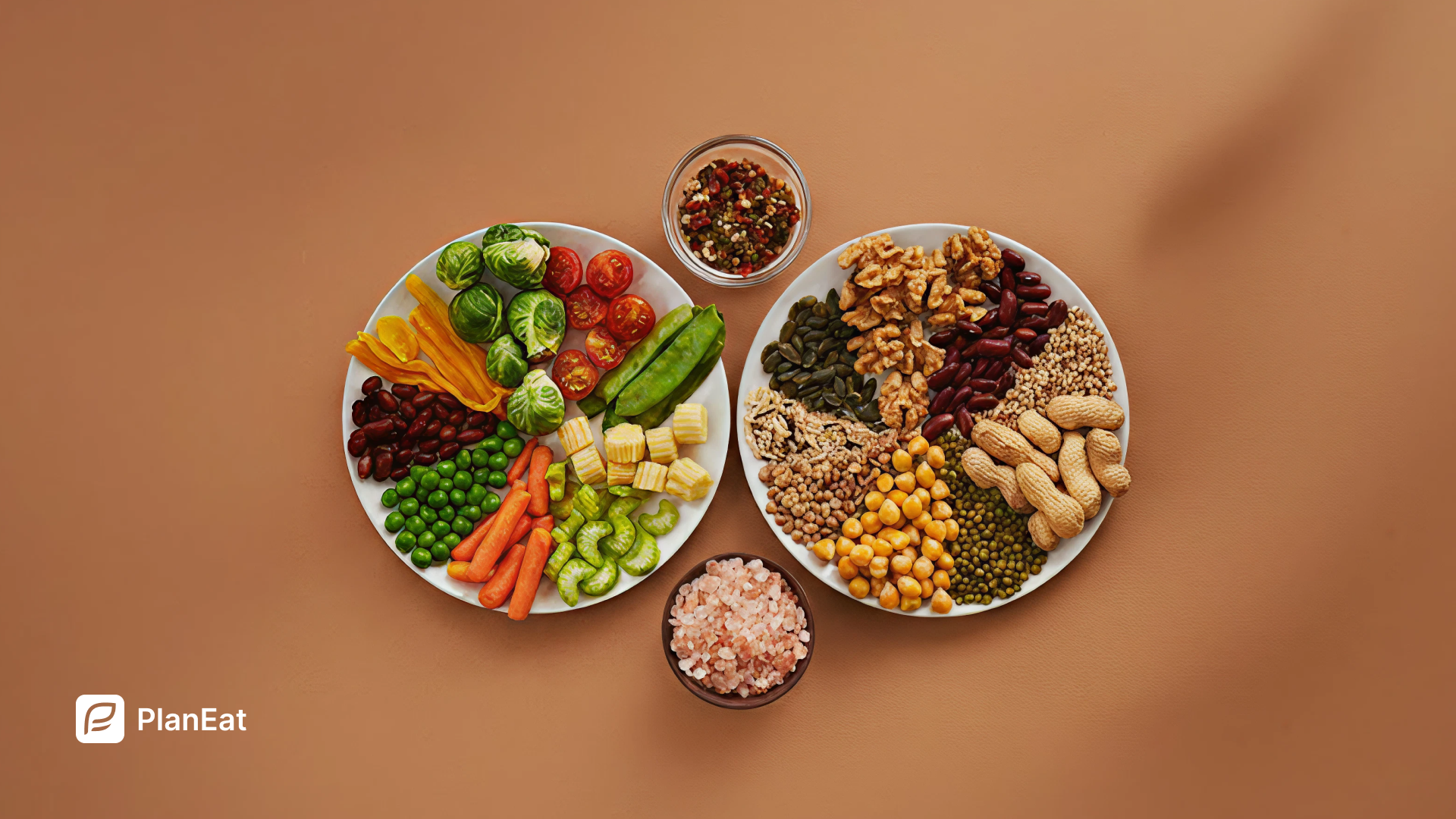
- Protein at each main meal
- Fiber most days from vegetables, beans, fruit, oats, and whole grains
- A basic meal schedule so you do not drift into snack-only days
- Convenience foods used intentionally, not as the main diet
This is not flashy, but it works because it reduces decision fatigue. When your groceries reliably turn into meals, you feel less pulled by fear-based rules and more in control of your week.
If you already have a structure that works, PlanEat AI helps you save a plan as reusable and swap meals quickly while keeping a steady base of repeatable protein and fiber across the week.
FAQ
How can I tell if a nutrition claim is a scam?
Look for miracle promises, urgency, and one-size-fits-all rules. If the advice relies on fear, bans many normal foods, or sells a product as the main solution, it is a strong sign you are looking at marketing, not guidance.
Are influencers always wrong about nutrition?
Not always. Some share helpful practical tips. The issue is when content turns into confident medical claims, strict rules, or cherry-picked science that ignores context and long-term sustainability.
What sources are usually more trustworthy for nutrition info?
Look for registered dietitians, major medical organizations, and guidance that emphasizes patterns and behavior over hacks. Be cautious with anyone who claims certainty, sells a single solution, or dismisses all mainstream evidence.
What if two experts disagree?
That is common. When experts disagree, focus on what is consistently supported across many studies and what works for your real life: protein, fiber, regular meals, and reducing ultra-processed snack patterns. Small, sustainable habits usually matter more than choosing a “side.”
The misinformation filter to remember
If a claim sounds too simple, too urgent, or too perfect, slow down. Use quick red-flag checks, then fall back on repeatable basics like protein, fiber, and consistent meals. A stable routine will protect you from most nutrition noise.

.webp)
.webp)
.webp)
%20(2026).webp)
.webp)
.webp)
.webp)
%20(2026).webp)
.webp)
%20(2026).webp)
.webp)
.webp)
.webp)
%20Quick%20Ideas%20(2026).webp)
.webp)
.webp)
.webp)
%20Simple%20Staples%20(2026).webp)
.webp)


.webp)
.webp)
.webp)
_.webp)
_.webp)

.webp)
_webp.webp)
_.webp)
_.webp)
_webp.webp)
.webp)
.webp)
_%20What%20to%20Buy%20When%20(2026)_.webp)
_.webp)
webp.webp)
_.webp)
.webp)
.webp)
.webp)
.webp)
.webp)
.webp)
.webp)
.webp)
.webp)
.webp)

.webp)
.webp)

.webp)
.webp)
%20%2B%207%E2%80%91Day%20Menu.webp)
.webp)

.webp)
.webp)



.webp)
.webp)
.webp)
.webp)
%20iOS%20Focus.webp)
.webp)