Emergency Meals for Busy Nights: What to Eat When You Have No Time (2026)
.webp)
TL;DR: Emergency meals are not “sad meals.” They are fast defaults you keep on hand so you do not end up ordering random food when you are exhausted. This guide gives practical 10 to 15 minute meal ideas, what to stock, and a simple system so busy nights stop derailing your week.
Why busy-night eating goes off track
Most people do not “fail” dinner because they lack discipline. They fail because they are hungry, tired, and out of options. When you hit that moment with an empty fridge, the decision usually becomes delivery, snacks, or skipping dinner and overeating later.
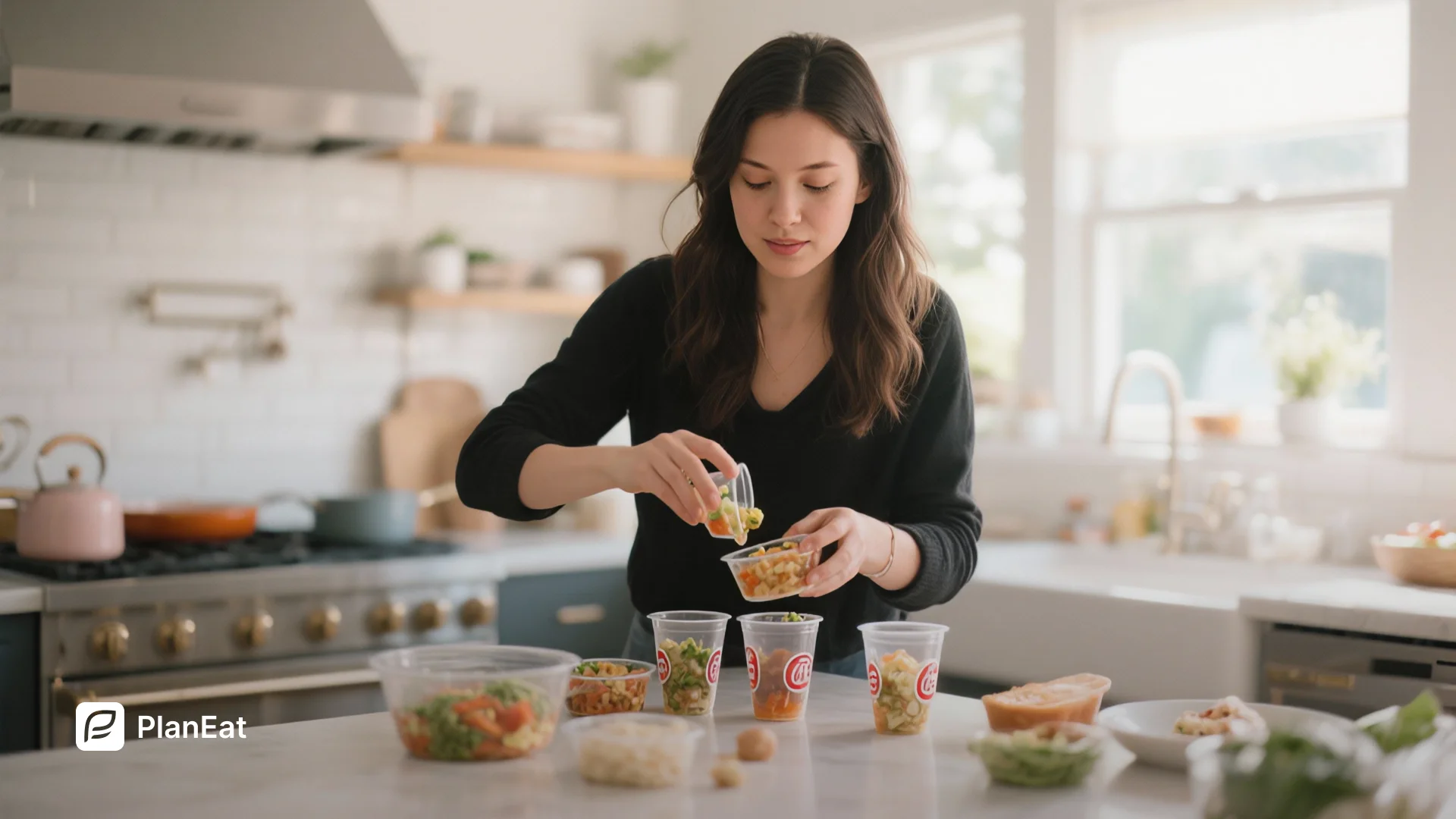
The fix is an emergency plan you decide in advance. If you have 6 to 10 reliable meals that take under 15 minutes, you can stay consistent even when work runs late.
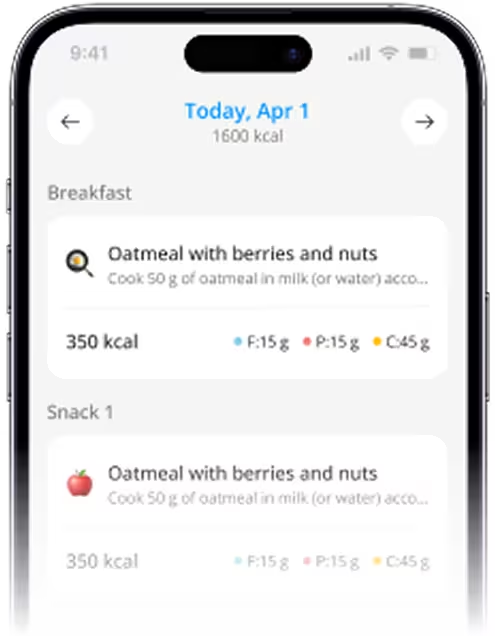
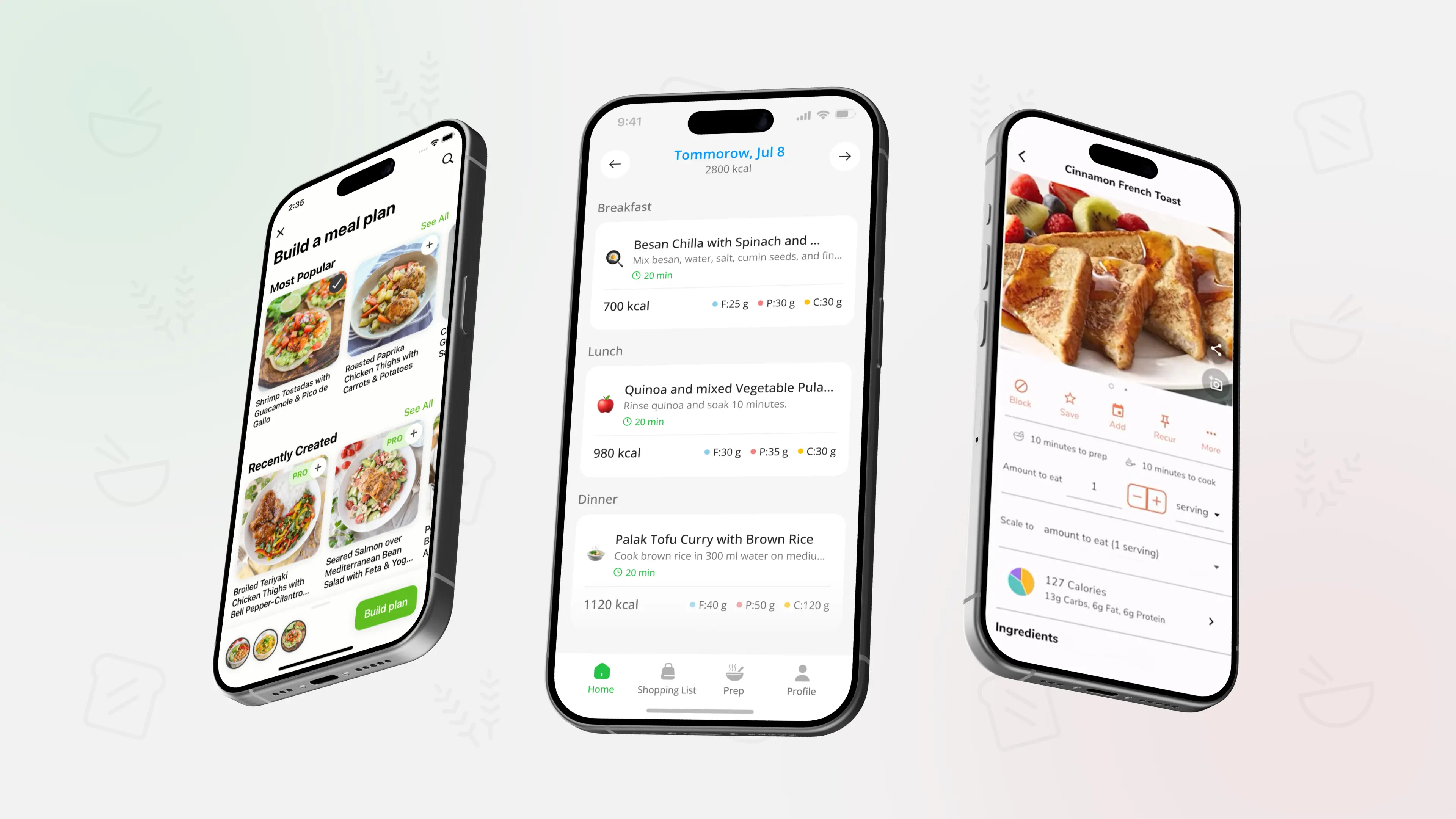
If you want these busy-night meals built into a weekly routine, PlanEat AI can generate a weekly meal plan and a grouped grocery list personalized to your goals, dislikes, cooking time, and basic restrictions, with simple swaps when a meal does not fit your day.
The emergency meal rules that make this work
Emergency meals should be easy enough that you will actually make them when you are tired. That means fewer steps, fewer dishes, and repeatable ingredients.
Use these rules:
- Aim for protein plus fiber so the meal is satisfying.
- Keep ingredients repeating across meals.
- Choose meals that work with pantry, freezer, and a few fridge staples.
- Keep one “no-cook” option and one “microwave-only” option in your rotation.
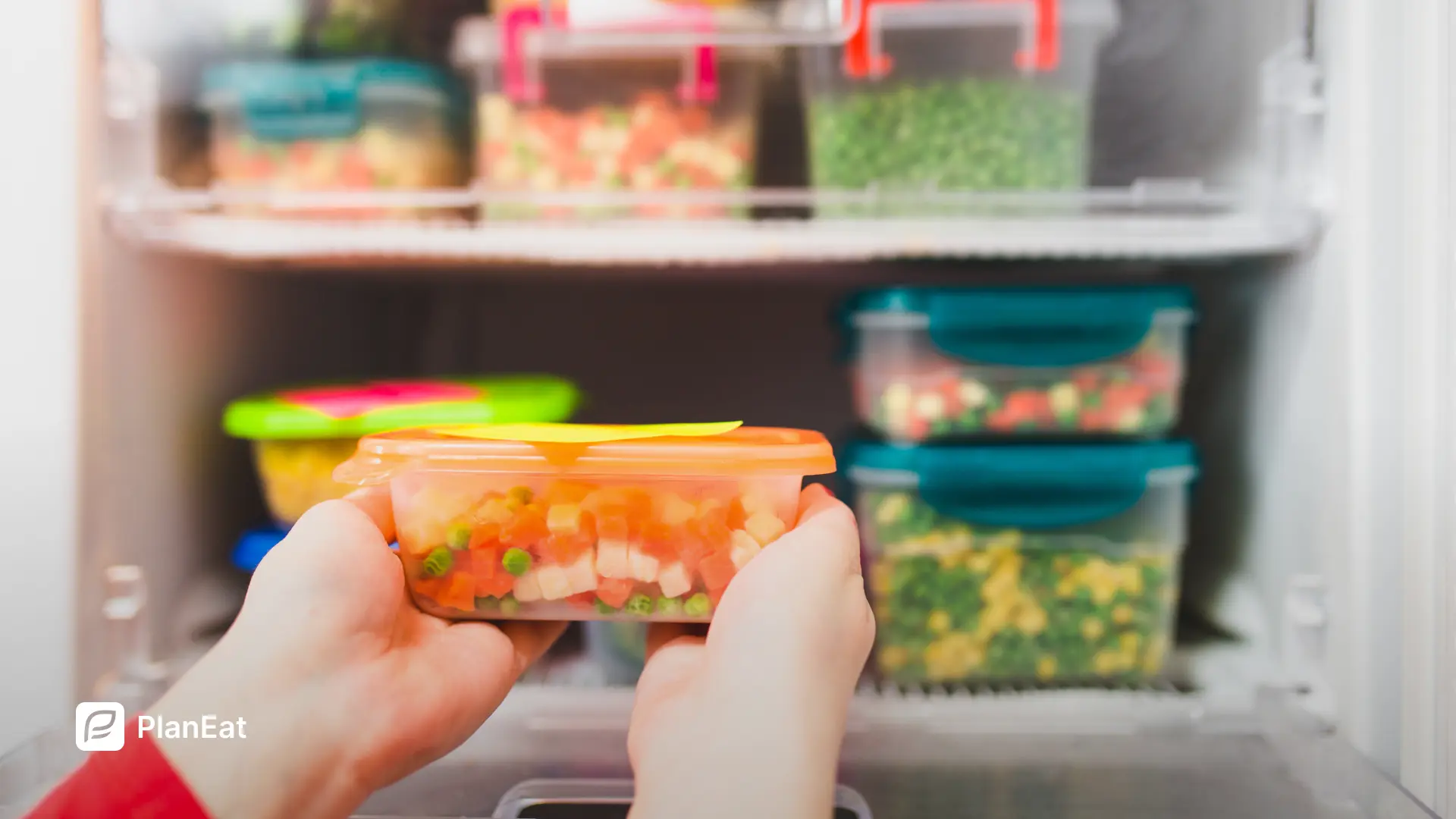
If your freezer is part of your plan, better frozen produce habits make these meals taste much more like real food. Frozen Produce Hacks: How to Make It Taste Better (2026) is a good companion.
10 emergency meals you can make in 15 minutes
These are built around common US grocery staples. Mix and match based on what you eat.
1. Eggs and spinach scramble with toastAdd frozen spinach or fresh greens, then serve with whole grain toast and fruit.
2. Greek yogurt bowl plus a real sideGreek yogurt with berries and granola is a meal if you add something like a banana, nuts, or toast. The goal is not tiny “diet” portions, it is a complete dinner when needed.
3. Bean and rice bowl with salsaHeat rice, add black beans, top with salsa, shredded lettuce, and a small scoop of guacamole. Add a sprinkle of cheese if you eat dairy.
4. Tuna or chickpea salad wrapMash with mayo or Greek yogurt, add chopped pickles or celery, wrap with greens. This is fast and very repeatable.
5. Frozen veggie stir-fry with tofu or edamameCook frozen veggies hot, add tofu cubes or edamame, then finish with soy sauce and a quick sauce like peanut butter plus a splash of water.
6. Microwaved baked potato with toppingsTop with cottage cheese, beans, salsa, or leftover chili. Potatoes are a great emergency carb because they cook fast and feel satisfying.
7. Pasta with marinara and a veggie add-inUse whole grain pasta if you like it. Add frozen spinach or frozen broccoli to the pot for the last few minutes.
8. Rotisserie chicken plateRotisserie chicken plus bagged salad plus microwave rice is a classic busy-night solution. Add olive oil and vinegar to make the salad feel like real food.
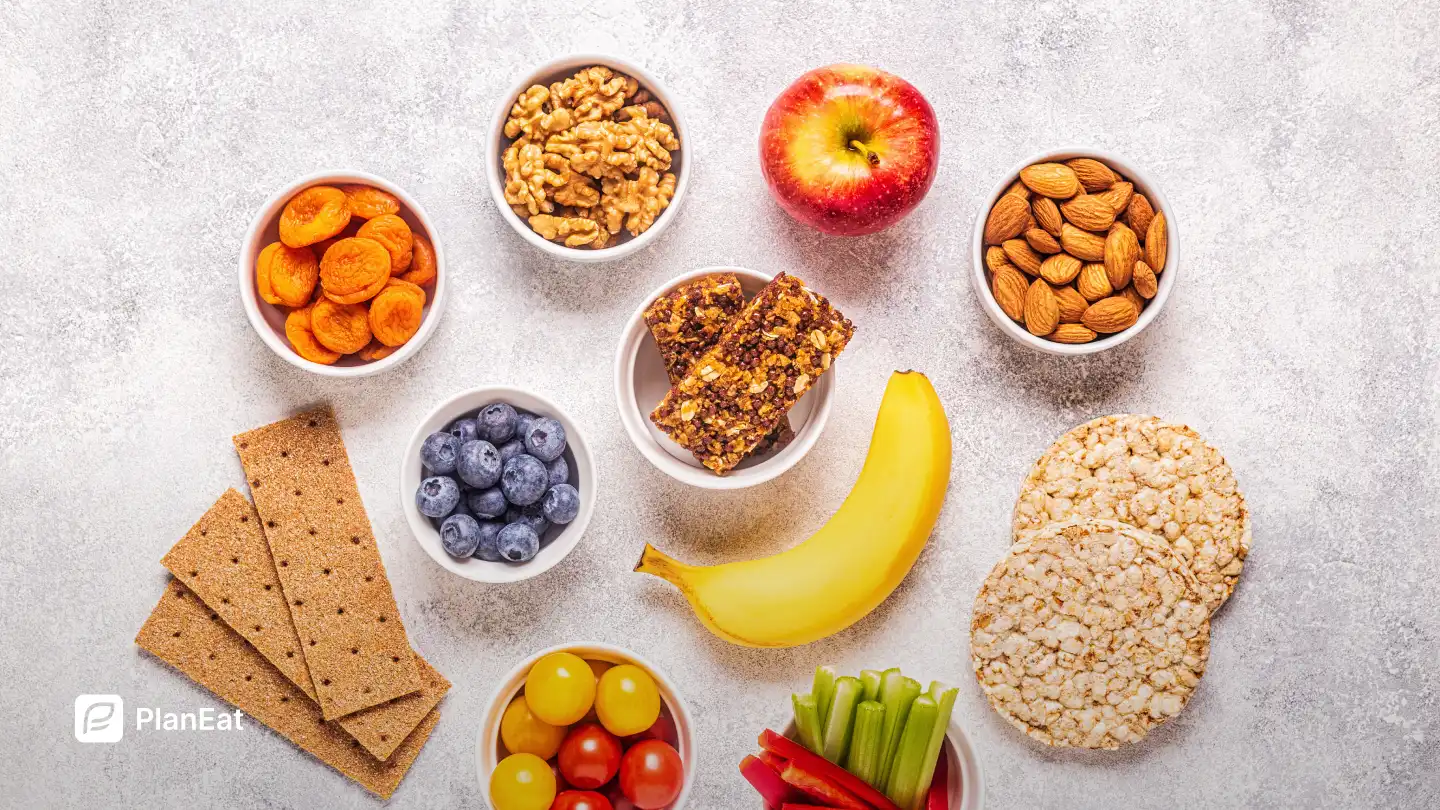
9. “Snack plate” that is actually a mealBuild it intentionally: hummus, veggies, whole grain crackers, fruit, and a protein add-on like Greek yogurt or eggs.
10. Soup and sandwich halfUse a canned lentil or bean soup, then add a small sandwich or toast with peanut butter. This is simple and easy to repeat.
If you want to keep these meals higher in fiber without extra effort, the staples in High-Fiber Grocery List (US): Simple Staples (2026) make a big difference.
What to stock for emergency meals
The best emergency plan is a short grocery list you keep re-buying.
Freezer
- Frozen broccoli or mixed vegetables
- Frozen spinach
- Frozen berries
- Edamame
Pantry
- Canned beans and lentils
- Salsa and marinara
- Oats and rice
- Whole grain pasta
- Tuna or canned salmon, if you eat it
- Peanut butter or tahini
Fridge
- Eggs
- Greek yogurt or cottage cheese
- Bagged salad or greens
- Cheese, optional
One more tip: keep one “flavor booster” ready at all times, like salsa, pesto, or a simple vinaigrette. When food tastes better, you are more likely to stick to your plan.
If you find a set of emergency meals you like, PlanEat AI helps you save a plan as reusable and swap meals quickly while keeping a steady base of repeatable protein and fiber across the week.
FAQ
What are the best emergency meals for weight loss?
Meals that are protein-forward and high in fiber usually work best, like bean bowls, eggs with vegetables, yogurt plus fruit and nuts, or rotisserie chicken with salad. The key is avoiding snack-only dinners that lead to late-night hunger.
What should I keep in the freezer for busy nights?
Frozen vegetables, frozen spinach, frozen berries, and edamame are some of the most useful. They help you build meals quickly without relying on takeout.
How do I avoid ordering food when I am exhausted?
Decide your emergency meals in advance and keep the ingredients stocked. If you can choose between two fast defaults, you remove the decision fatigue that pushes you into delivery.
Are emergency meals okay every day?
They can be, as long as they are balanced and you are eating enough overall. Many people do better with a mix: a few planned cooked meals and a few emergency meals each week.
Educational content only, not medical advice.
The busy-night rule that saves the week
Emergency meals work when they are planned ahead and stocked on purpose. Keep 6 to 10 repeatable meals that take under 15 minutes and rely on freezer and pantry staples. Consistency on busy nights is what keeps the whole week on track.

.webp)
%20Simple%20Staples%20(2026).webp)
.webp)



.webp)
.webp)
.webp)
_.webp)
_.webp)


.webp)
_webp.webp)
_.webp)
_.webp)
_webp.webp)
.webp)
.webp)
_%20What%20to%20Buy%20When%20(2026)_.webp)
_.webp)
webp.webp)
_.webp)
.webp)
.webp)
.webp)
.webp)
.webp)
.webp)

.webp)
.webp)
.webp)
.webp)
.webp)
.webp)

.webp)
.webp)
%20%2B%207%E2%80%91Day%20Menu.webp)
.webp)


.webp)
.webp)




.webp)
.webp)
.webp)
.webp)
%20iOS%20Focus.webp)
.webp)
.webp)
.webp)
.webp)
.webp)
.webp)
.webp)
.webp)
.webp)
..webp)
.webp)