Supplements: When You Need Them (and When You Don’t) (2026)

TL;DR: Most people do not need a long supplement stack. Supplements make the most sense when they fill a clear gap you can explain, like low vitamin D, a restrictive diet pattern, or a practical barrier to eating enough of a nutrient.
The supplements question in 2026
Supplements can feel like a shortcut because they promise control in a world of confusing nutrition advice. But the basics still win: consistent meals, enough protein, enough fiber, and a routine you can repeat.
A good mindset is to treat supplements as support tools, not the foundation. If your diet is chaotic, supplements rarely fix the real problem. They just sit on top of it.
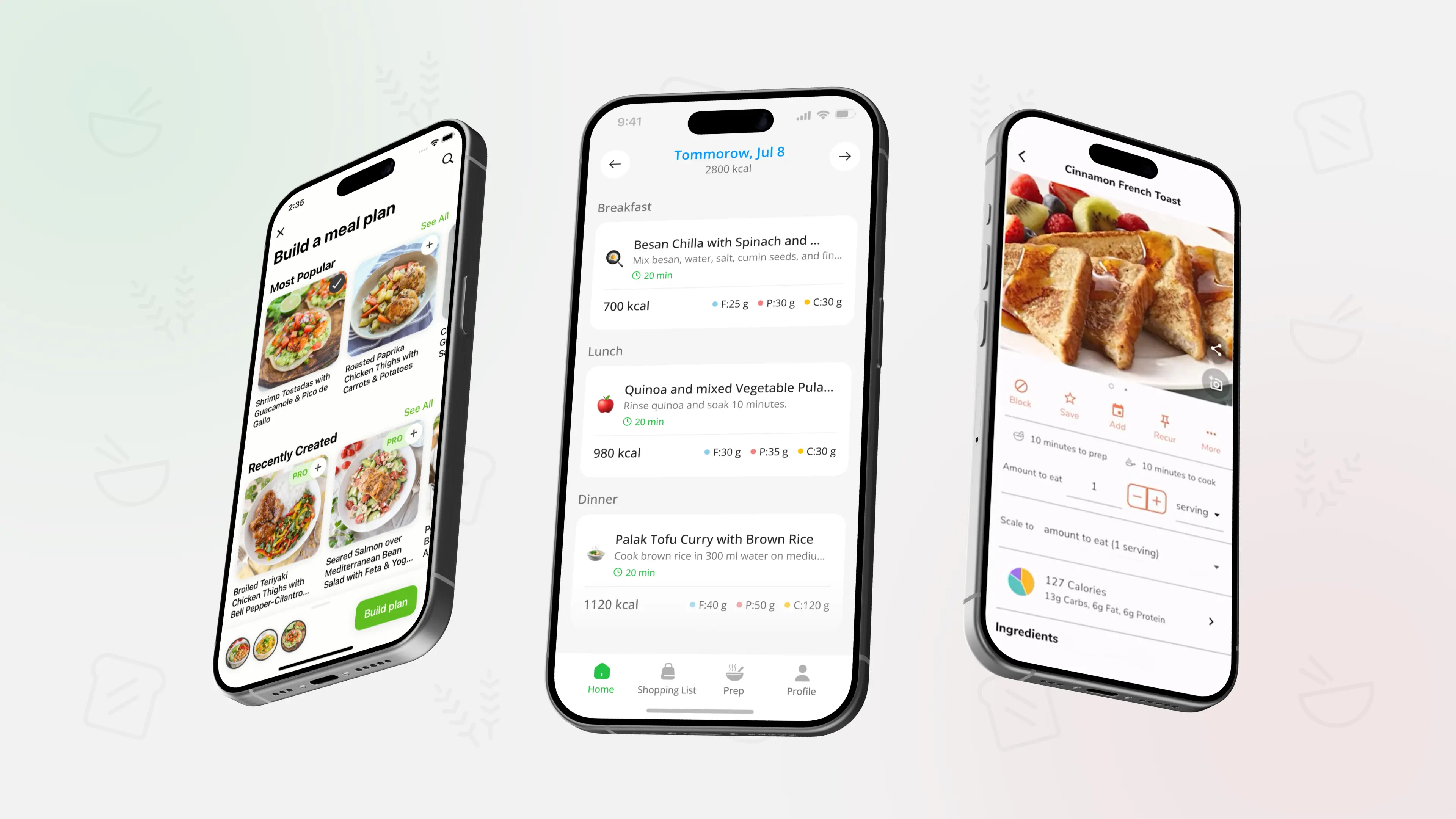
If you want a food first routine without tracking, PlanEat AI can generate a weekly meal plan and a grouped grocery list personalized to your goals, dislikes, cooking time, and basic restrictions, with simple meal swaps when a meal does not fit your week.
Food first, then targeted supplements
Before you buy anything, check if the gap is actually a meal structure issue. Many people feel tired or hungry because meals are inconsistent, protein is too low, or they go long stretches on coffee and snacks.
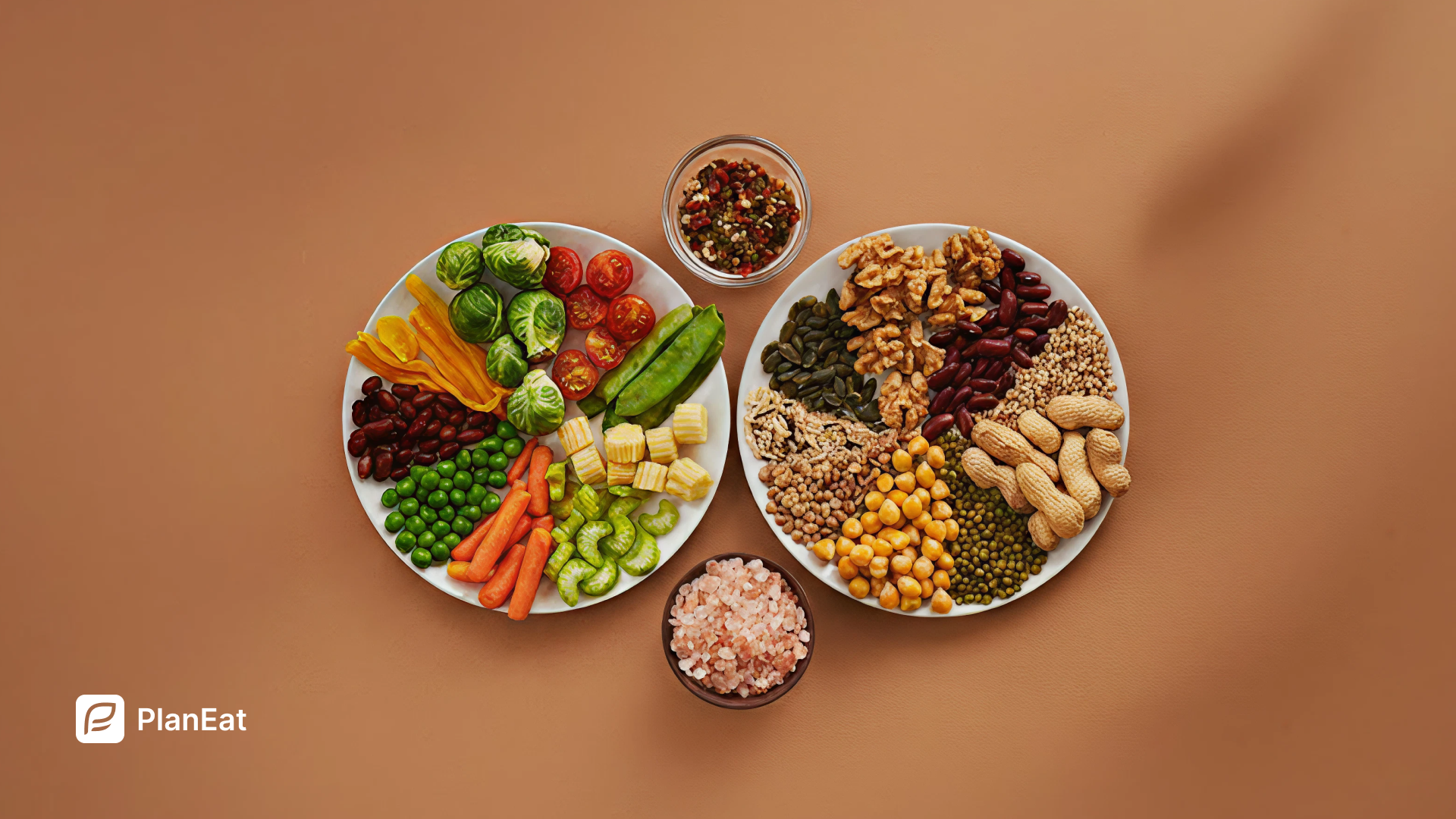
A simple test is to run a two week reset with real meals first. Focus on a balanced plate, protein at each main meal, and produce most days. If you need a reminder of what a balanced plate looks like without calorie tracking, Healthy Eating Basics: Build a Balanced Plate is a good baseline.
If symptoms still feel stubborn after you fix the basics, supplements may be worth considering. The key is to aim for one specific goal at a time, not a pile of pills.
When supplements are most likely to help
These are common situations where supplements can make sense, especially when confirmed with a clinician or a simple lab check.
Vitamin DLow vitamin D is common in people with limited sun exposure. If a blood test shows low levels, a supplement plan can be reasonable. It is not a quick energy hack, but correcting a deficiency can support overall health.
Vitamin B12If you eat vegan or mostly plant-based, B12 is often the one supplement that becomes more important. Many people can cover it with fortified foods, but a supplement is a simple, reliable option.
IronIron supplements should be targeted, not casual. If you suspect low iron, it is worth checking labs before supplementing, because too much iron can be a problem.
Omega-3If you rarely eat fatty fish, omega-3 can be a reasonable add-on for some people. A simpler first step is to eat fish more often if that is realistic, but supplements can be useful when it is not.
CreatineCreatine is one of the more studied performance supplements and can be useful for strength training and high-intensity work. It is not required, but it can be a practical option if you train consistently and want a small, predictable boost.
Protein powderProtein powder is not a magic muscle product. It is just a convenience food. If you struggle to get enough protein from meals, a shake can help, but it is better as a backup than a replacement for meals. If you want the basics of protein needs in plain language, Macros for Beginners: Protein, Carbs, Fat (How Much?) can help you pick targets without turning your life into math.
When supplements are usually not worth it
A lot of supplement marketing is built around vague problems like low energy, stress, or “inflammation.” The issue is that these problems often come from lifestyle patterns, not missing pills.
Be cautious with:
- Detox, cleanse, and fat-burn products that rely on buzzwords instead of clear nutrition gaps
- Mega-dose multivitamins as a substitute for vegetables, beans, and fruit
- “Hormone balance” blends with long ingredient lists and unclear amounts
- Sleep stacks that pile multiple herbs together, especially if you already take medications
If you are constantly being told you need supplements for every craving or mood, that is usually a marketing story, not a nutrition plan. A calmer way to approach claims is to learn the recurring myths and patterns.
How to choose and use supplements safely
If you decide to use a supplement, keep it simple and treat it like an experiment.
Use these practical rules:
- Start with one supplement at a time, not a stack
- Pick a clear reason, like low vitamin D on labs or a vegan diet and B12 coverage
- Give it time, and avoid changing five things at once
- Be cautious if you are pregnant, nursing, have chronic conditions, or take prescription medications
Also, do not ignore basics like sleep, hydration, and meal timing. Many “supplement problems” are really routine problems. A stable meal plan often reduces the urge to keep buying new fixes.
If you want consistency first, PlanEat AI helps you save a plan as reusable and swap meals quickly while keeping a steady base of repeatable protein and fiber across the week.
FAQ
Do I need supplements if I eat healthy?
Often, no. Many people can cover most needs with consistent meals that include protein, produce, and fiber-rich carbs. Supplements are most useful when there is a clear gap, like a deficiency on labs or a restrictive diet.
Is a multivitamin worth it?
It depends. A basic multivitamin can be a safety net for some people, but it should not replace real food. If your diet is inconsistent, the bigger win is improving meal structure first.
What supplements should vegans consider?
B12 is the most common one to think about. Depending on your diet and labs, vitamin D, iodine, iron, and omega-3 may also come up. It is best to review this with a clinician, especially if you have symptoms.
How do I know if a supplement is working?
Pick one measurable outcome, like lab values, training performance, or a specific symptom, and track it for a few weeks. If you start multiple supplements at once, it is hard to know what helped, and you may keep taking things you do not need.
A simple supplements rule
Supplements work best when they fill a clear gap, not when they replace food. Build a consistent meal routine first, then add targeted supplements only when you have a specific reason and a plan to evaluate whether they help.

.webp)
.webp)
.webp)
%20(2026).webp)
.webp)
.webp)
.webp)
%20(2026).webp)
.webp)
%20(2026).webp)
.webp)
.webp)
.webp)
%20Quick%20Ideas%20(2026).webp)
.webp)
.webp)
.webp)
%20Simple%20Staples%20(2026).webp)
.webp)


.webp)
.webp)
.webp)
_.webp)
_.webp)


.webp)
_webp.webp)
_.webp)
_.webp)
_webp.webp)
.webp)
.webp)
_%20What%20to%20Buy%20When%20(2026)_.webp)
_.webp)
webp.webp)
_.webp)
.webp)
.webp)
.webp)
.webp)
.webp)
.webp)

.webp)
.webp)
.webp)
.webp)

.webp)
.webp)

.webp)

.webp)
%20%2B%207%E2%80%91Day%20Menu.webp)
.webp)


.webp)
.webp)




.webp)
.webp)
.webp)
.webp)
%20iOS%20Focus.webp)
.webp)