How to Meal Plan When You Eat Out Often (2026)
.webp)
TL;DR: You can meal plan and still eat out often if you plan around it instead of fighting it. In 2026, the easiest approach is to anchor the week with a few simple home meals, keep flexible groceries, and treat restaurant meals as part of the plan, not a failure.
Why eating out breaks most meal plans
Most meal plans assume you will cook most nights. If your real life includes work dinners, social plans, or busy evenings, that kind of plan will fail even if you are motivated.
The issue is not eating out. The issue is that eating out is unpredictable, and your groceries at home do not match that reality. You buy too much produce, you cook once, and then leftovers pile up while you keep going out. A better plan is smaller, more flexible, and designed to restart quickly.
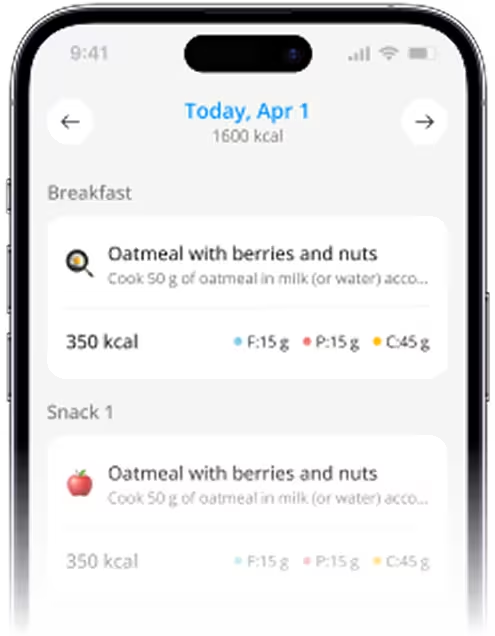
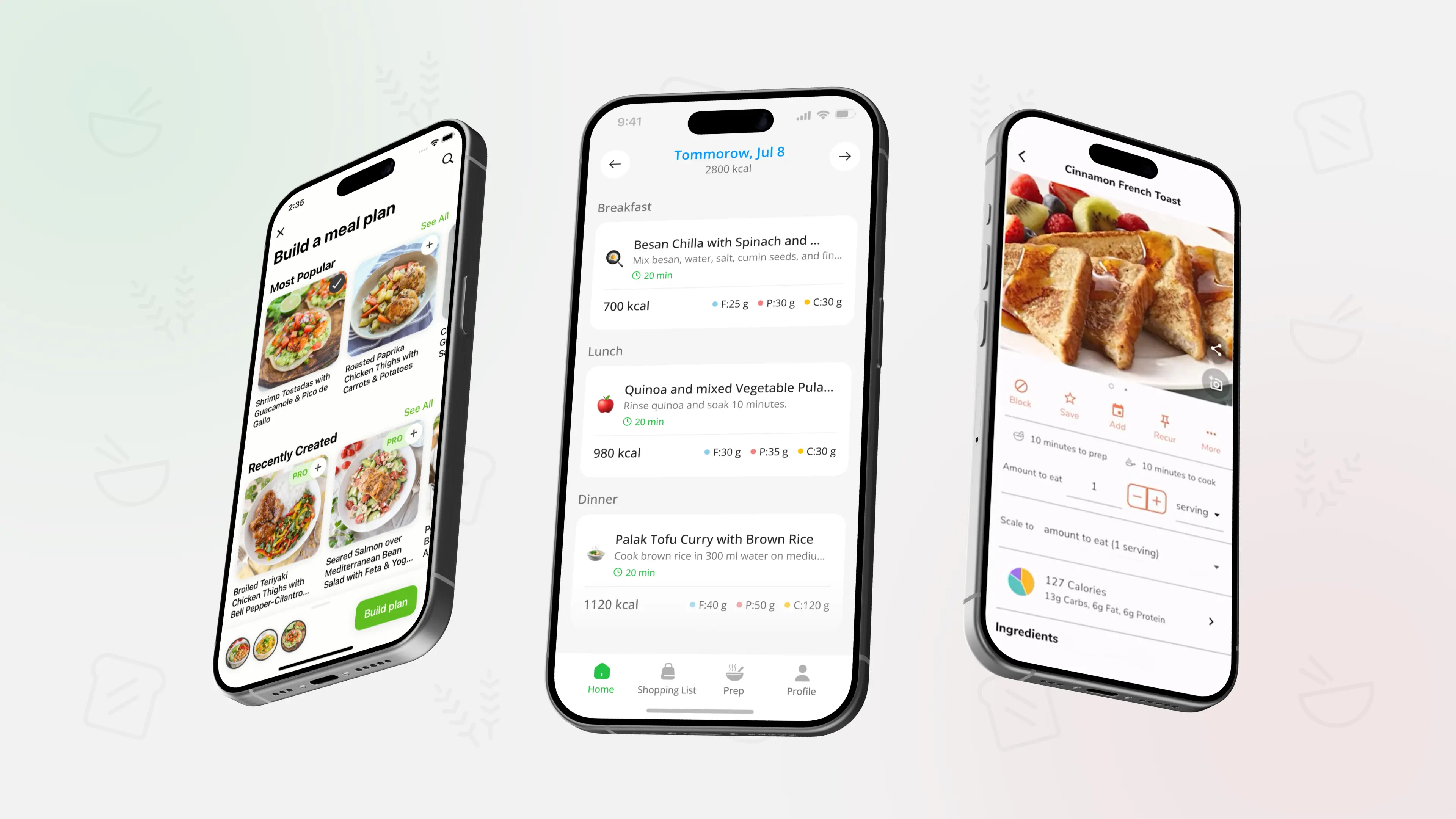
If you want a weekly plan that stays flexible, PlanEat AI generates a weekly meal plan and a grouped grocery list personalized to your goals, dislikes, and the time you have to cook. You can keep a simple home routine, then swap meals when plans change.
The “3 home meals” rule for people who eat out a lot
If you eat out often, your goal is not a perfect seven-day cooking schedule. Your goal is consistent basics.
Start with this simple weekly target:
- 3 home dinners you can actually cook
- 2 easy lunches you can repeat
- 1 backup dinner for low-energy nights
Everything else can be eating out without guilt. This approach prevents the common pattern of buying groceries for a full week and wasting half of them.
If you want a baseline menu that is easy to return to, How to Build a Default Weekly Menu Template (2026) shows how to set up repeatable meals without strict scheduling.
How to plan groceries when half your meals are not at home
When you eat out often, the grocery list should be smaller, more shelf-stable, and built around overlap.
Use a “flexible grocery core”:
- 1 main protein you can reuse (chicken thighs, tofu, ground turkey)
- 1 backup protein (eggs, canned beans, canned tuna)
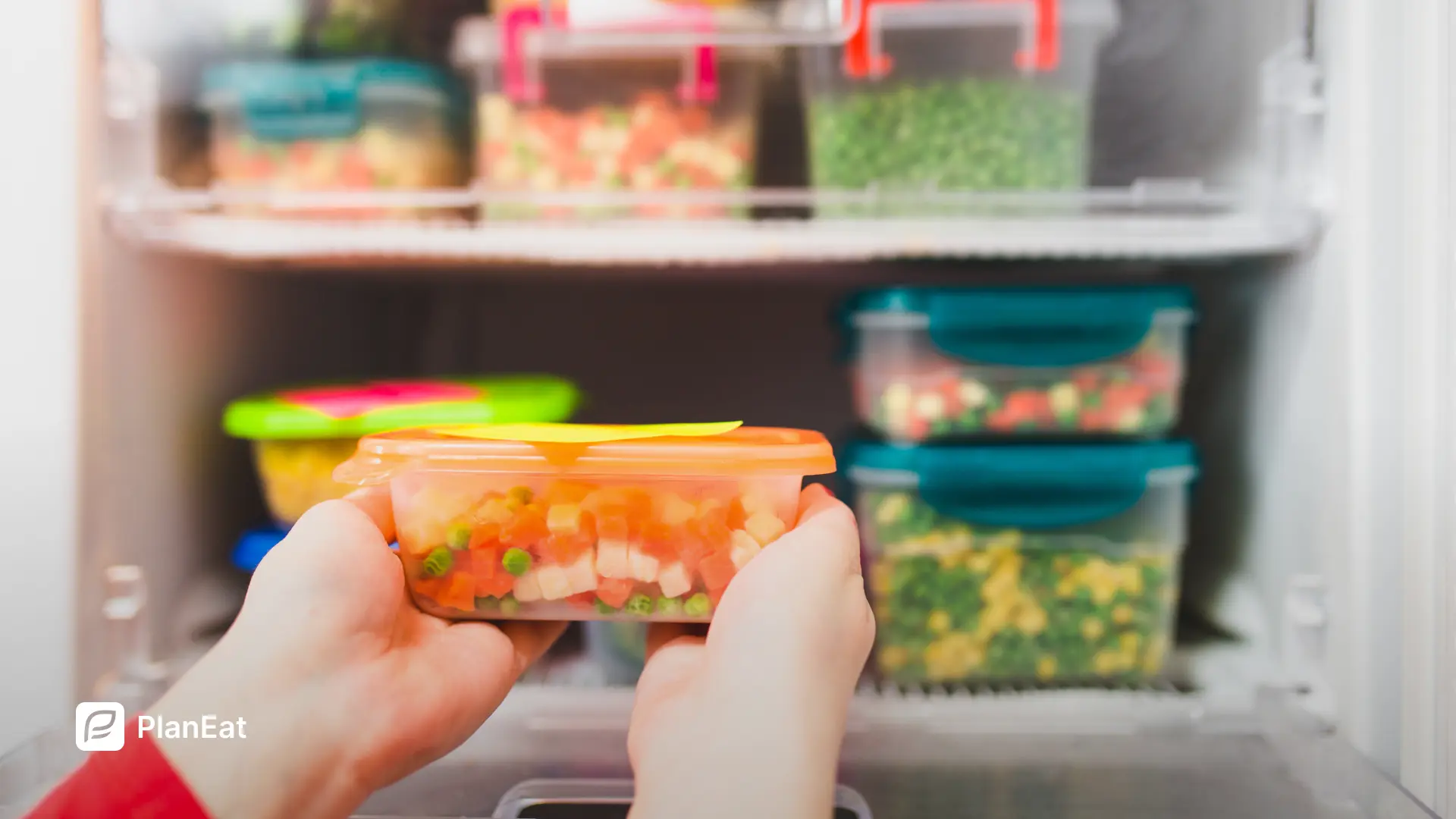
- 1 fresh vegetable that lasts (carrots, zucchini) plus 1 frozen vegetable
- 1 carb base (rice, tortillas, potatoes)
- 2 flavor shortcuts (salsa, pesto, marinara, seasoning blend)
- 1 convenience item for the day plans change (rotisserie chicken, bagged salad)
This way, you can still make meals quickly even if you only cook a few times. If you want a practical structure for grouping items so shopping stays fast, Grocery List Structure & Money-Saving Tips is helpful.
Smart ways to eat out without “starting over”
Meal planning is not about avoiding restaurants. It is about keeping your week stable.
Try these simple moves:
- Decide your home meals first, then let eating out fill the remaining nights.
- On restaurant days, keep other meals simple: a repeat breakfast and a planned lunch.
- Keep one “reset meal” ready at home, so one heavy dinner out does not turn into a full weekend of random eating.
- If you order takeout, plan a next-day lunch from it when possible.
If you notice you tend to spiral into all-or-nothing thinking, How to Stop Restarting Healthy Eating Every Monday (2026) can help you build a restart that feels small and realistic.
With PlanEat AI, you can save a weekly plan as reusable, swap meals quickly when social plans appear, and keep a repeatable protein-and-fiber backbone so eating out does not erase your routine.
FAQ
Can I still meal plan if I eat out 3 to 5 times a week?
Yes. Plan for fewer home meals and keep groceries flexible. A smaller plan is more realistic and usually leads to less waste.
How do I avoid wasting groceries when plans change?
Buy fewer unique items and rely more on frozen vegetables and pantry staples. Keep a small grocery core that can become multiple meals.
What should I cook at home if I eat out often?
Choose meals that store well and reheat well, like sheet-pan chicken, rice bowls, or tacos with a simple protein. Avoid complex recipes that require lots of fresh ingredients.
How do I balance restaurant meals with healthy eating?
Keep the rest of the day simple and satisfying. Protein and fiber at breakfast and lunch can make dinner choices feel more balanced without strict rules.
What is the easiest lunch strategy in a busy, social week?
Planned leftovers plus one reheat-friendly option is usually the simplest. If you do not have leftovers, use a bowl or salad template.
Do I need to stop eating out to make progress?
Not necessarily. Consistency comes from the weekly pattern, not from being perfect. Planning around eating out often works better than trying to eliminate it.
Eating out can fit into a real meal plan
Meal planning still works when you eat out often, as long as you plan for it. Keep three reliable home meals, shop a flexible grocery core, and build a small reset so your routine does not depend on perfect weeks.

%20(2026).webp)
.webp)
.webp)
.webp)
%20Quick%20Ideas%20(2026).webp)
.webp)
.webp)
.webp)
%20Simple%20Staples%20(2026).webp)

.webp)



.webp)
.webp)
.webp)
_.webp)
_.webp)


.webp)
_webp.webp)
_.webp)
_.webp)
_webp.webp)
.webp)
.webp)
_%20What%20to%20Buy%20When%20(2026)_.webp)
_.webp)
webp.webp)
_.webp)
.webp)
.webp)
.webp)
.webp)
.webp)

.webp)
.webp)
.webp)
.webp)

.webp)
.webp)

.webp)
.webp)
%20%2B%207%E2%80%91Day%20Menu.webp)
.webp)


.webp)
.webp)



.webp)
.webp)
.webp)
.webp)
%20iOS%20Focus.webp)
.webp)
.webp)
.webp)
.webp)
.webp)
.webp)
.webp)