Zero-Waste Meal Planning (2026)

TL;DR: Zero-waste meal planning focuses on using the same ingredients across multiple meals, planning portions realistically, and intentionally reusing leftovers. In 2026, this approach saves money, reduces food waste, and simplifies everyday cooking.
Why zero-waste meal planning matters more in 2026
Food waste remains one of the biggest hidden costs in home cooking. Most waste does not come from expired food, but from poor planning and impulse buying. Ingredients are purchased with good intentions but never fully used.
Zero-waste meal planning solves this by designing meals that naturally flow into one another. Instead of planning individual dishes, you plan ingredient lifecycles across the week. This mindset is closely connected to Using Leftovers Smartly: Plan, Cook, Re-use.
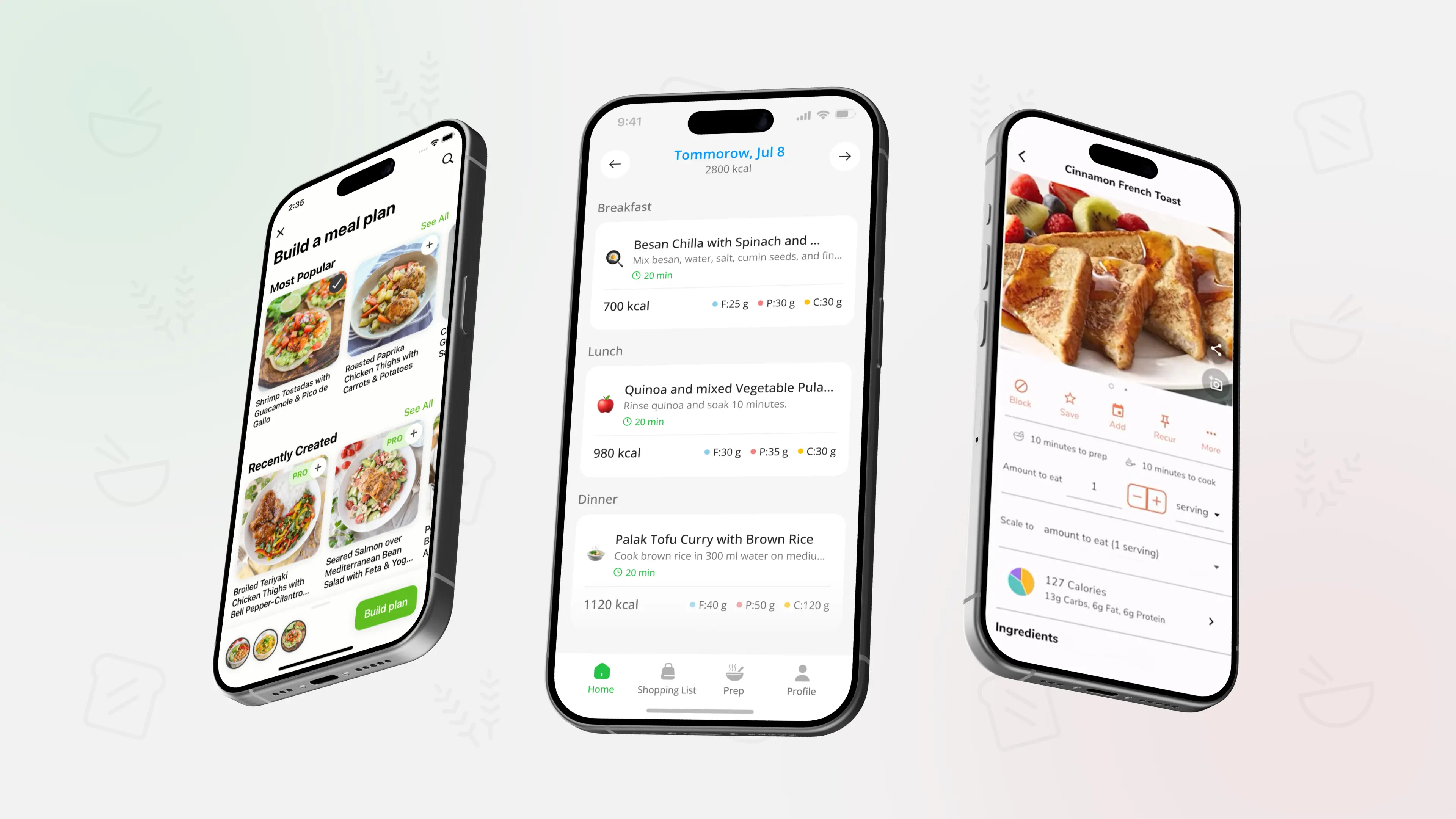
For people who want a zero-waste structure without manual tracking, PlanEat AI creates a weekly meal plan and a grouped grocery list that encourages ingredient reuse and realistic portions based on goals, dislikes, and cooking time.
The core principles of zero-waste meal planning
Zero-waste planning is less about strict rules and more about smart structure. The goal is to buy with intent and cook with continuity.
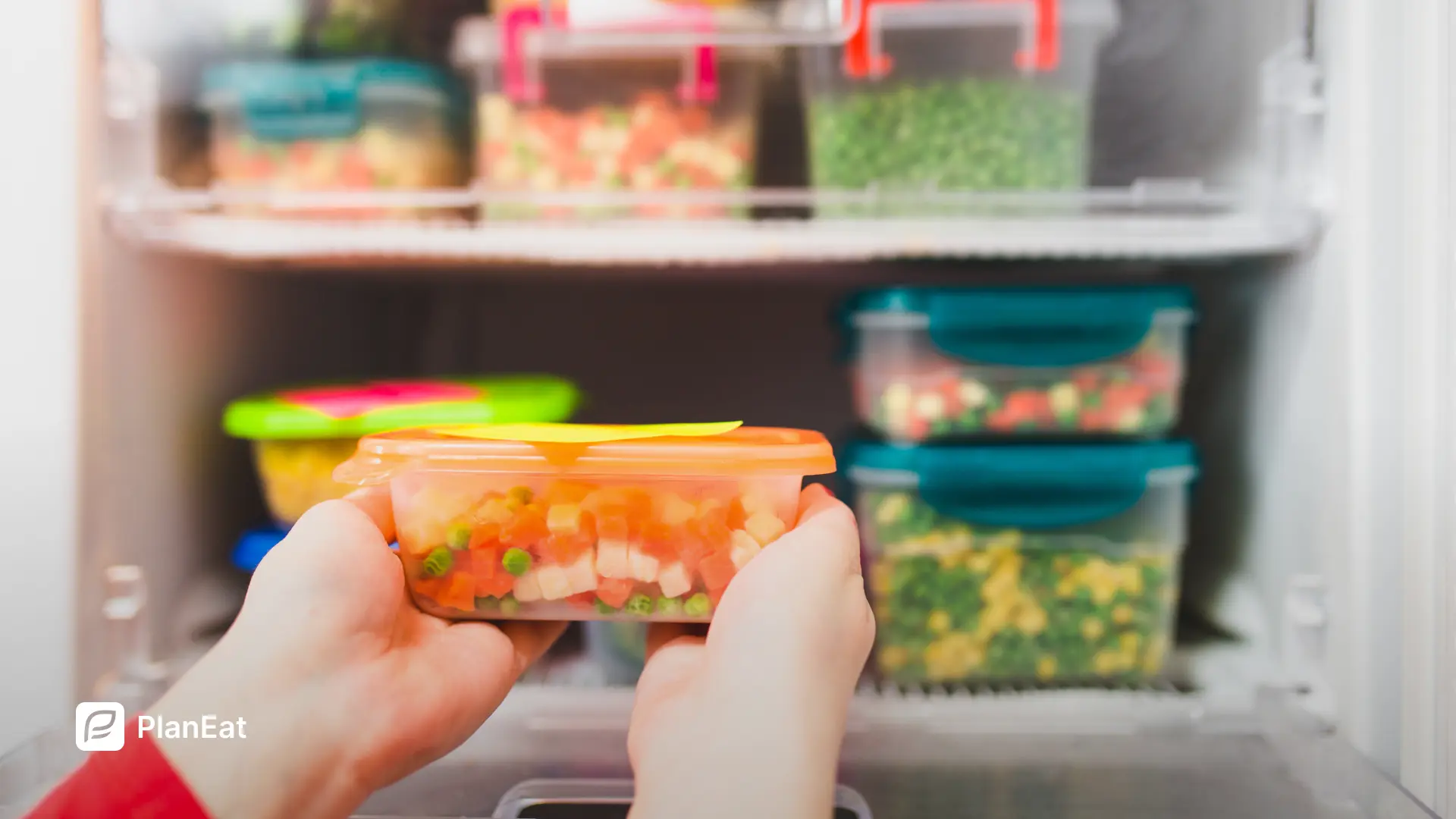
Meals should share base ingredients, especially proteins and vegetables. Cooking larger batches once or twice a week allows leftovers to become planned meals rather than forgotten containers. These principles align with Meal Prep Basics: Beginner’s Guide to Cooking Ahead.
A practical 5-day zero-waste meal plan example
This example shows how one set of ingredients can be reused across the week with minimal waste.
Day one starts with roasted chicken, potatoes, and carrots. Extra chicken is intentionally cooked.
Day two uses leftover chicken in wraps or bowls with vegetables.
Day three turns remaining chicken bones and vegetables into a simple soup.
Day four focuses on lentil stew using leftover vegetables.
Day five finishes with fried rice or a vegetable skillet using any remaining grains and produce.
This approach mirrors the structure shown in How to Build a Weekly Meal Plan (Examples).
How grocery lists support zero-waste planning
A zero-waste grocery list is shorter and more intentional. Each item should appear in at least two meals.
Grouping groceries by storage and usage helps track what needs to be used first. This method reflects Grocery List Structure & Money-Saving Tips, where organization reduces overbuying.
With PlanEat AI, you can reuse weekly zero-waste plans, swap meals as leftovers change, and keep ingredients circulating instead of forgotten. This supports sustainable habits without added effort.
FAQ
Is zero-waste meal planning realistic for busy people?
Yes. Planning ingredient reuse actually saves time during the week.
Do I need to cook every day?
No. Batch cooking is central to reducing waste.
What if leftovers go uneaten?
That usually signals overcooking or poor planning, not a failure of the system.
Does zero-waste planning reduce grocery costs?
Most people see lower spending because fewer ingredients are thrown away.
Can this approach work for families?
Yes. It scales well and supports flexible portions.
Educational content only, not medical advice.
Why zero-waste starts with planning, not perfection
Zero-waste meal planning works when meals are designed as a sequence, not isolated dishes. Planning ahead prevents waste more effectively than trying to fix it later.

.webp)
.webp)

.webp)
.webp)
.webp)
%20(2026).webp)
.webp)
.webp)
.webp)
%20(2026).webp)
.webp)
%20(2026).webp)
.webp)
.webp)
.webp)
%20Quick%20Ideas%20(2026).webp)
.webp)
.webp)
.webp)
%20Simple%20Staples%20(2026).webp)

.webp)



.webp)
.webp)
.webp)
_.webp)
_.webp)


.webp)
_webp.webp)
_.webp)
_.webp)
_webp.webp)
.webp)
.webp)
_%20What%20to%20Buy%20When%20(2026)_.webp)
_.webp)
webp.webp)
_.webp)
.webp)
.webp)
.webp)
.webp)
.webp)
.webp)


.webp)
.webp)
.webp)
.webp)
.webp)

.webp)

.webp)
.webp)
%20%2B%207%E2%80%91Day%20Menu.webp)
.webp)


.webp)
.webp)




.webp)
.webp)
.webp)
.webp)