Breaking a Weight Loss Plateau (Adjustments That Work)
.webp)
TL;DR: A weight loss plateau is usually not your body "refusing" to change forever. It often means your smaller body now needs fewer calories, your routine has drifted, or weekends quietly cancel out weekday effort. The goal is not a crash diet, but small, targeted adjustments in portions, protein, movement, and weekly structure that you can keep without burning out.
Why weight loss plateaus happen
Plateaus are normal. As you lose weight, your body becomes smaller and needs fewer calories to maintain itself. At the same time, routines loosen over time and your true intake and activity can drift away from what they were at the beginning.
Common reasons for a plateau:
- Your smaller body burns fewer calories than before.
- Portions have quietly grown compared to when you started.
- You move a little less during the day without noticing.
- Weekends or evenings are less structured than weekdays.
- Water, hormones, and digestion cause normal weight fluctuations that hide slow progress.
Before you make big changes, make sure your basic pattern is still balanced. For a refresher on what everyday meals that support weight loss can look like, read What Exactly Should I Eat to Lose Weight (2025) and use its examples as your foundation.
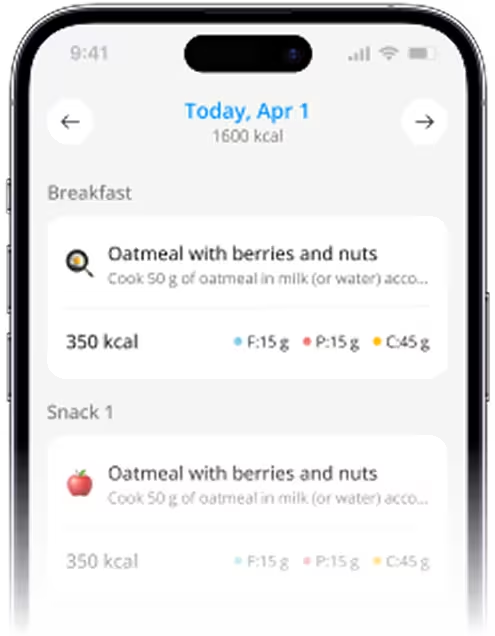
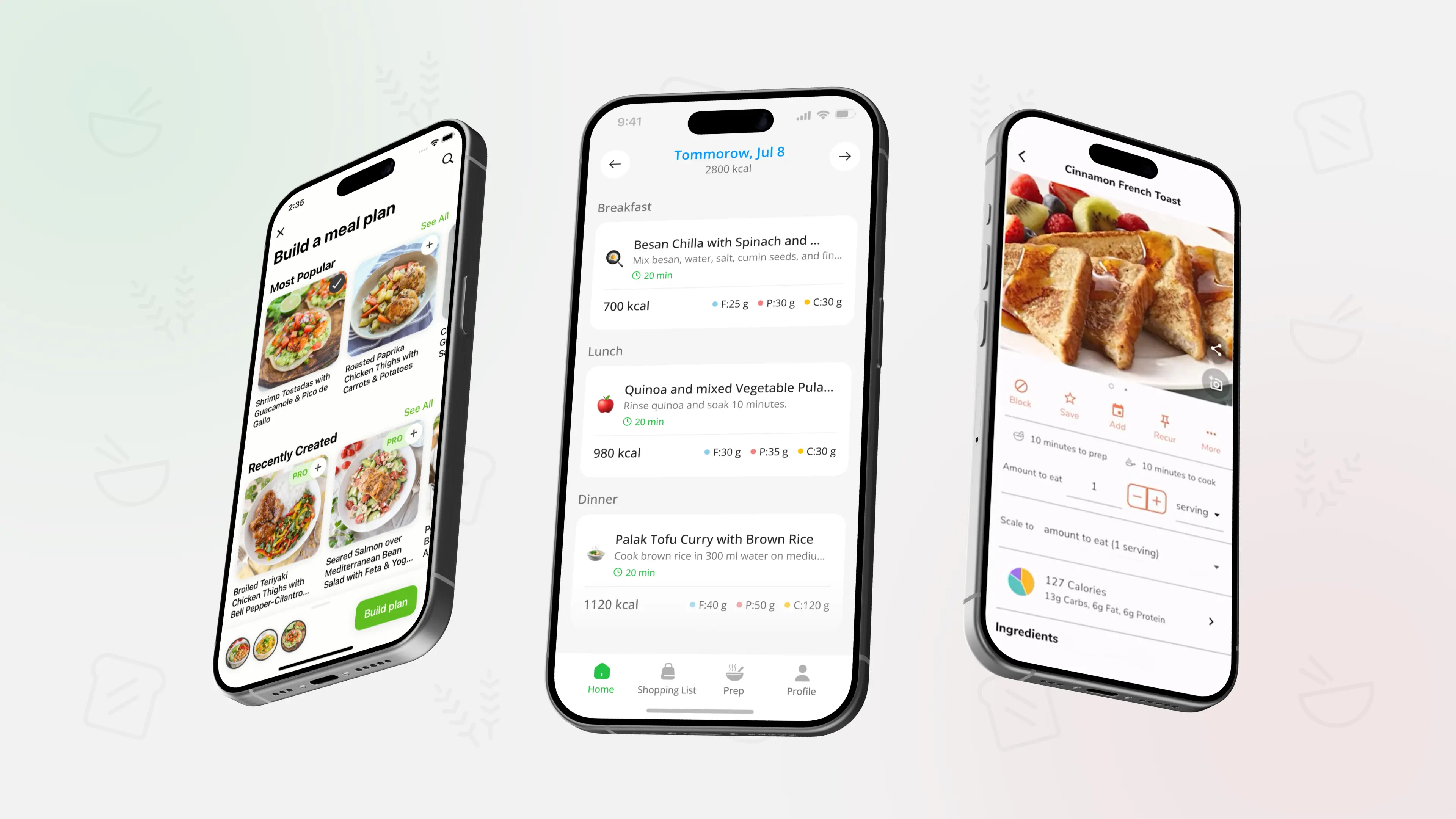
If your plan feels messy after a few months, you can use PlanEat AI to rebuild a simple weekly structure around your current weight, goals, and schedule. The app generates a realistic 7 day meal plan and grouped grocery list so you can stop improvising and get back to a clear routine that is easier to track.
Step 1 check if it is really a plateau
It is easy to call any slow week a plateau, but weight naturally moves up and down.
You may be in a real plateau if:
- Your average weight has stayed within the same one to two pound range for at least three to four weeks.
- You are following roughly the same eating pattern and movement routine that helped you lose weight earlier.
- Clothes and measurements also feel unchanged over that time.
Helpful ways to track:
- Weigh yourself several times per week and look at the weekly average rather than one day.
- Track a few simple measurements, such as waist or hip circumference, once every one or two weeks.
- Notice non scale changes like energy, sleep, and how clothes fit.
If you rely mostly on strict numbers, it can help to read Calorie Counting vs Meal Planning: What Works Better and consider whether a pattern based approach or a numbers based approach fits you better at this stage.
Step 2 tighten the basics without drastic cuts
If you are in a true plateau, start with small, specific adjustments instead of big restrictions.
Focus on three levers:
- Portions and extras measure or estimate key foods for a week. Often oils, dressings, sweet drinks, and snacks have crept up. Trimming a few of these can gently lower intake without overhauling meals.
- Protein at each meal aim for a solid protein source at breakfast, lunch, and dinner to support muscle and keep you full. For an easy guide to daily protein ranges, see Macros for Beginners: Protein, Carbs, Fat (How Much?).
- Fiber and volume fill more of your plate with vegetables, beans, and fruit instead of extra refined carbs or fats.
Examples of small adjustments that often help:
- Using a measured spoon of oil instead of pouring directly from the bottle.
- Swapping one sugary drink per day for water or unsweetened tea.
- Choosing fruit and yogurt as dessert most days, keeping heavier desserts for planned occasions.
If you want a ready made pattern that shows how these ideas look across a week, you can adapt 7-Day Weight Loss Meal Plan (With Shopping List) to your preferences and portion needs.
Step 3 adjust your movement in realistic ways
More exercise is not always the answer, but a bit more movement can help nudge you off a plateau without extreme dieting.
Practical changes:
- Add a modest daily step goal if you sit a lot. Even one or two short walks per day can increase your activity.
- Include two or three short strength sessions per week to support muscle. This can be as simple as bodyweight exercises at home.
- Stand, stretch, or move during calls when possible to increase everyday movement.
The aim is not to earn food, but to support your body as it changes. A balanced meal plan such as 7-Day Balanced Meal Plan (With Grocery List) can pair well with this small bump in activity so you are not under fueled.
Step 4 manage weekends, cravings, and hidden calories
Many plateaus come from a simple pattern weekdays are structured, weekends are not.
To smooth out these swings:
- Plan at least some meals for weekends instead of leaving them to chance.
- Keep breakfast and lunch fairly consistent on days with social events.
- Choose a few go to restaurant or takeout options that fit your goals.
If sugar or late night snacking are your main sticking points, two resources can help:
- How to Stop Sugar Cravings (Real-World Tips) for strategies that reduce craving spikes.
- Healthy Dessert Ideas (Satisfy Sweet Tooth) for treats that feel satisfying without always turning into big calorie bombs.
For people who like the idea of a treat meal, Cheat Meals: Help or Hinder? (How to Do It Right) explains how to keep flexible meals inside a plan rather than letting them derail progress.
Step 5 adjust your weekly structure, not just single days
Looking only at individual days can hide patterns. Instead, zoom out.
Questions to ask yourself:
- How many meals this week were planned versus improvised.
- Did you have a consistent breakfast and lunch on workdays.
- Were there one or two nights that regularly ran off plan.
You can use a structured approach like Meal Planning for Busy Professionals or Quick Meal Planning: Build a 30-Minute Weekly Plan to rebuild a weekly rhythm that matches your current life.
Once you find a weekly pattern that feels sustainable, you can save it as a reusable plan in PlanEat AI. The app repeats that pattern, lets you swap meals when needed, and keeps your grouped grocery list aligned so you can test your adjustments for several weeks without constant re planning.
Step 6 when to try a new strategy or ask for help
If you have tightened basics and adjusted movement and your average weight is still stuck for six to eight weeks, it may be time to change strategy or get individual support.
Options include:
- Switching focus from strict calorie counting to a pattern based approach or the other way around.
- Testing a different structure such as a higher protein pattern or a time based eating window.
- Checking in with a doctor or registered dietitian, especially if you have medical conditions.
If you are curious about time based structures, Intermittent Fasting 16/8: What to Eat & When offers a beginner friendly overview. If you prefer more automation, Calorie Counting vs AI Meal Planner (Which to Choose?) can help you decide how much structure you want an app to handle.
Remember that plateaus can also be a sign that your current weight is closer to what your body is comfortable with. In that case, shifting toward weight maintenance and performance or health goals may be more realistic than chasing ever lower numbers.
FAQ breaking a weight loss plateau
How long should I wait before calling it a plateau
Short term ups and downs are normal. Many people use three to four weeks of stable average weight as a sign of a plateau. Look at weekly averages rather than single weigh ins.
Do I need to cut a large number of calories to break a plateau
Often no. Small, targeted changes such as trimming some liquid calories or extra fats and tightening portions can be enough. Large cuts are more likely to increase hunger and make the plan hard to sustain.
Should I add a lot more cardio when I stall
More cardio is not always the best answer. A moderate increase in everyday movement plus some strength training is usually more sustainable. Overdoing cardio while under eating can leave you tired and less likely to stick with the plan.
Are weight loss plateaus unavoidable
Most people experience plateaus at some point. They are a normal part of the process rather than proof that you have failed. What matters is how you respond with small, realistic adjustments rather than panic and extreme changes.
When should I talk to a professional about my plateau
If you have been stuck for several months despite consistent effort, have medical conditions, or notice signs of disordered eating or low mood tied to your weight journey, it is important to talk with a doctor or registered dietitian for individual guidance.
Educational content only - not medical advice.
Breaking plateaus with small, targeted changes
Weight loss plateaus are usually a sign that your smaller body and your current routine are in balance, not that progress is impossible. Focus on tightening basics, adjusting portions and movement slightly, and rebuilding a simple weekly structure you can keep for several weeks so your body has a clear, sustainable signal to start changing again.

%20(2026).webp)
.webp)
.webp)
.webp)
%20Quick%20Ideas%20(2026).webp)
.webp)
.webp)
.webp)
%20Simple%20Staples%20(2026).webp)

.webp)





.webp)


.webp)
.webp)
_.webp)
_.webp)



.webp)
_webp.webp)
_.webp)
_.webp)
_webp.webp)
.webp)
.webp)
_%20What%20to%20Buy%20When%20(2026)_.webp)
_.webp)
webp.webp)
_.webp)
.webp)
.webp)
.webp)
.webp)

.webp)
.webp)


.webp)
.webp)
.webp)
.webp)

.webp)

.webp)

.webp)
.webp)
%20%2B%207%E2%80%91Day%20Menu.webp)
.webp)



.webp)
.webp)




.webp)
.webp)

.webp)
%20iOS%20Focus.webp)
.webp)
.webp)
.webp)
.webp)
.webp)
.webp)
.webp)