1500 Calories Vegetarian Meal Plan (2026)
.webp)
TL;DR: This 1500-calorie vegetarian plan is designed to feel realistic: simple meals, repeatable ingredients, and enough protein and fiber to keep you full. You will get a 7-day menu example, a practical grocery staple list, and easy ways to adjust without turning eating into constant math.
A realistic 1500-calorie vegetarian plan
A 1500-calorie day works best when it is built from real meals, not a string of tiny snacks. The easiest way to keep it satisfying is to anchor each meal with protein, add high-fiber carbs, and use fats intentionally instead of accidentally.
Treat 1500 as a target range, not a perfect number. Packaged labels, portions, and cooking methods vary, so a daily window like 1450 to 1550 is more realistic than chasing precision.
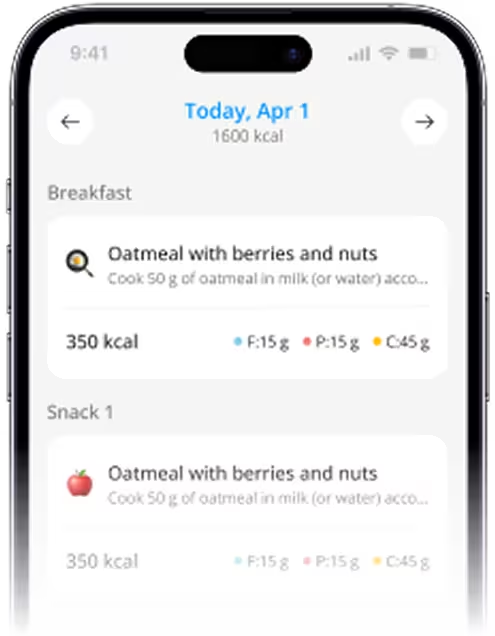
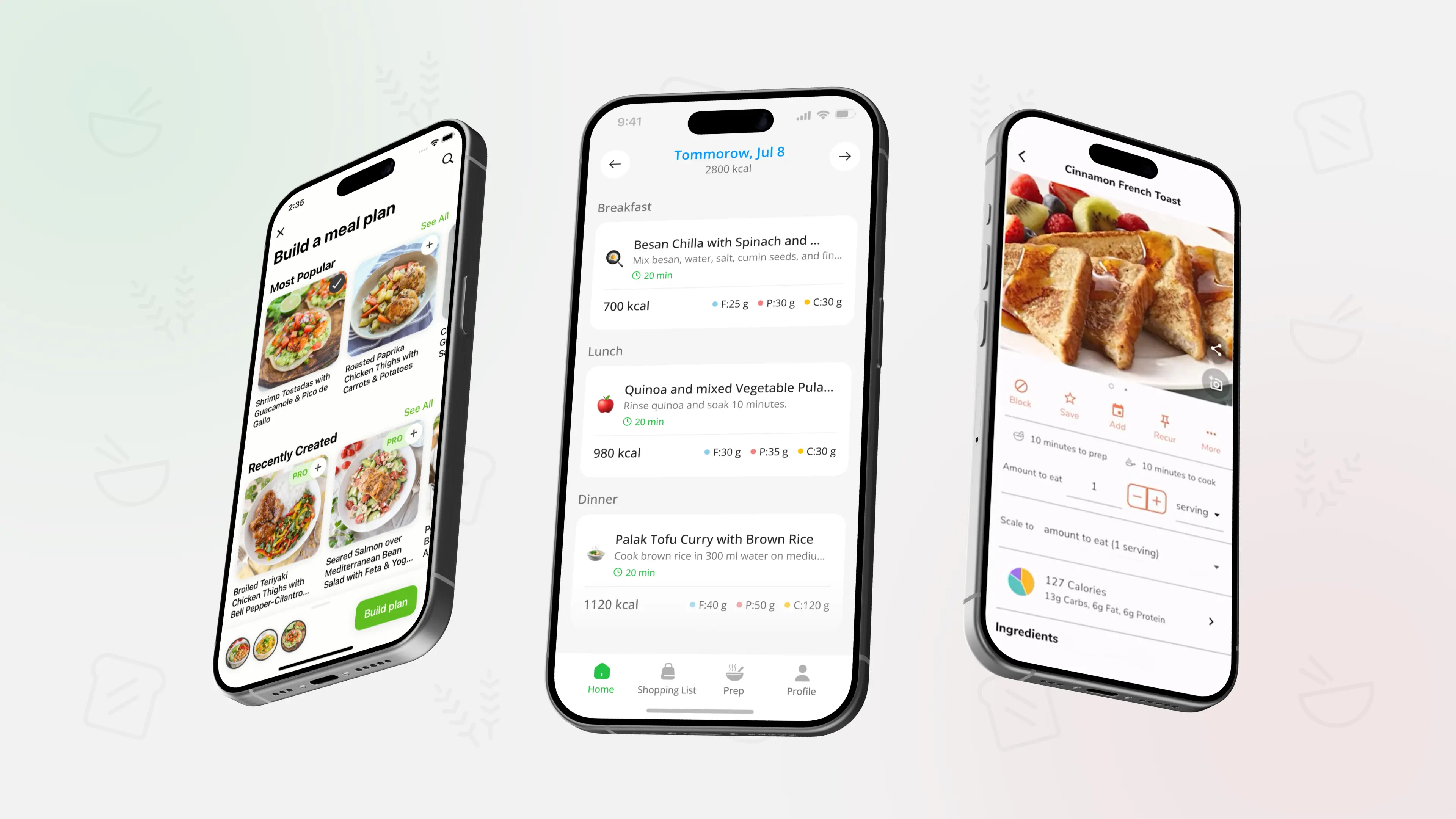
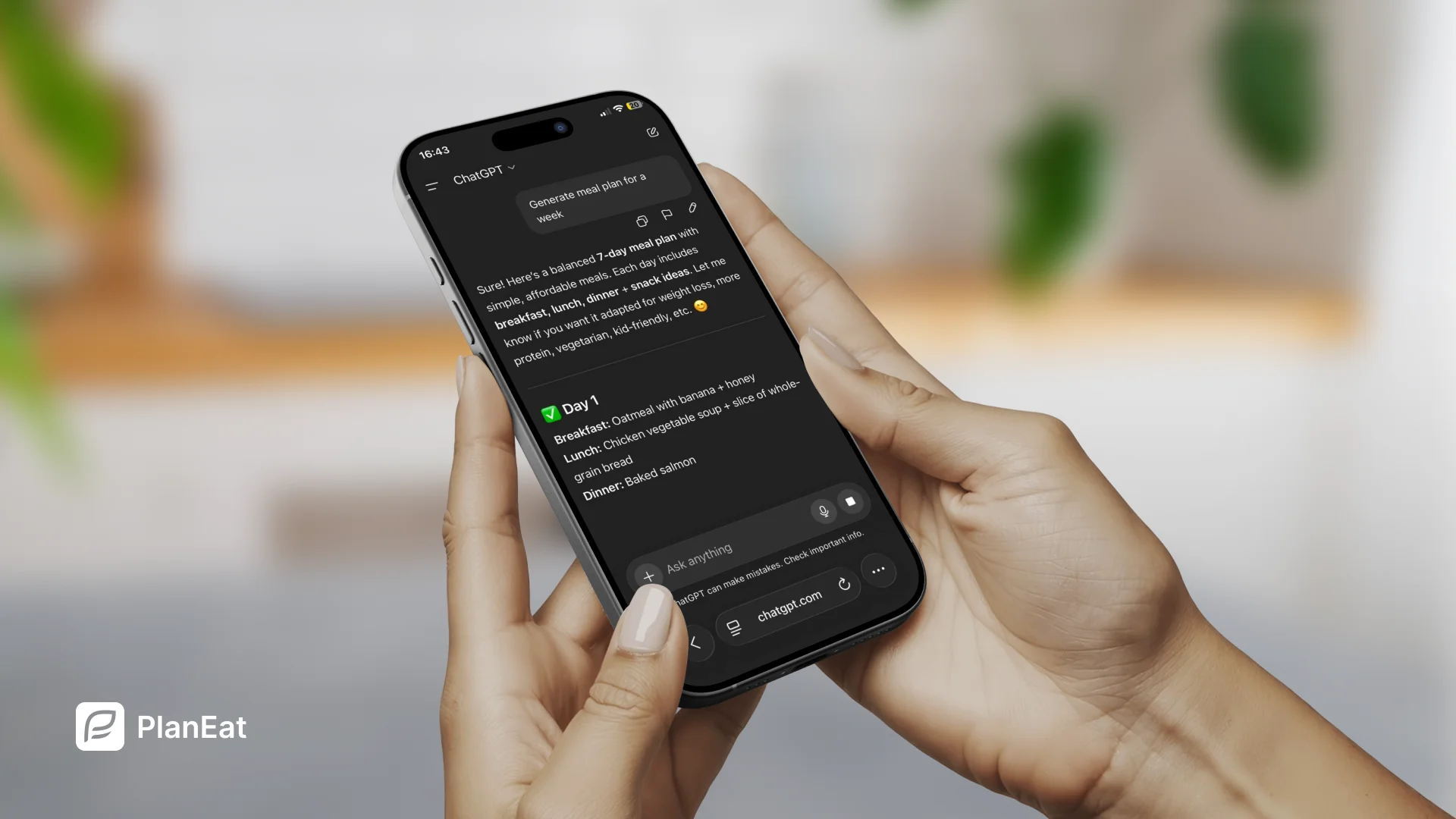
If you want a week like this without planning from scratch, PlanEat AI generates a weekly meal plan and a grouped grocery list personalized to your goals, dislikes, cooking time, and basic restrictions, with simple swaps when a meal does not fit your week.
How this plan stays filling without tracking everything
Instead of tracking every ingredient, use a simple meal structure. This prevents the common pattern where breakfast is too light, hunger spikes mid-afternoon, and dinner turns into catch-up eating.
A helpful daily split for many people:
- Breakfast: 350 to 450 calories
- Lunch: 450 to 550 calories
- Dinner: 450 to 600 calories
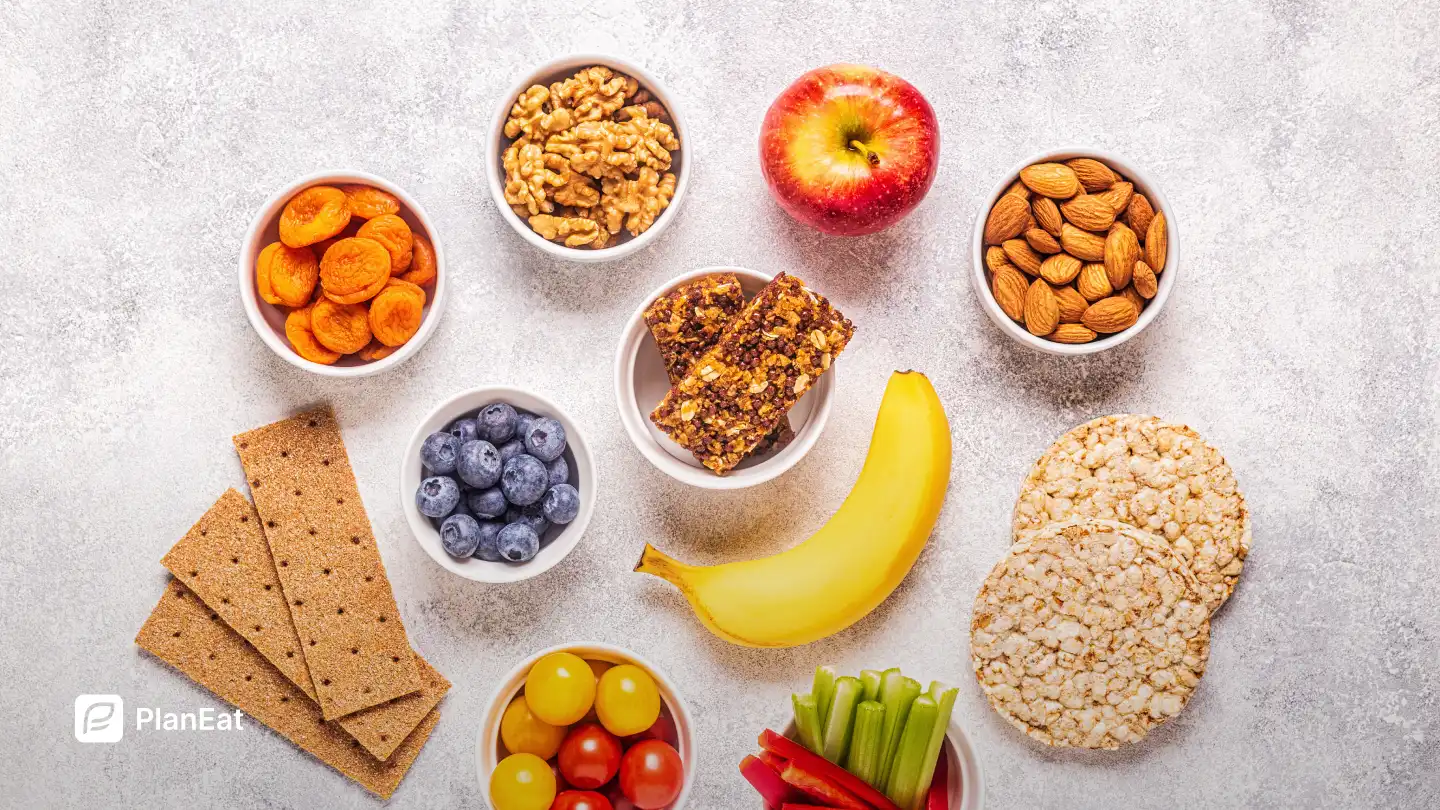
- 1 snack: 150 to 250 calories
Protein-first cues that keep meals balanced:
- Include one protein anchor in each main meal: eggs, Greek yogurt, cottage cheese, tofu, tempeh, lentils, beans, or edamame.
- Aim for fiber most days from vegetables, beans, fruit, oats, and whole grains.
- Use fats on purpose: olive oil, nuts, seeds, and avocado can make meals more satisfying, but portions matter.
If you prefer portion shortcuts over numbers, Portion Control Made Easy (No Scale Needed) can help you stay consistent without weighing food.
7-day 1500-calorie vegetarian menu example
This is a practical week built from repeatable templates. Portions are described in US units, and daily totals are approximate.
Day 1
- Breakfast: Greek yogurt bowl with berries, 1 tbsp chia, and 1/4 cup granola
- Lunch: chickpea salad wrap with veggies, plus an apple
- Snack: cottage cheese with cucumber and cherry tomatoes
- Dinner: tofu stir-fry with mixed vegetables over 3/4 cup cooked rice
Day 2
- Breakfast: oatmeal made with milk, topped with banana and 1 tbsp peanut butter
- Lunch: lentil soup plus a side salad and a slice of whole grain bread
- Snack: carrots and hummus
- Dinner: veggie fajita bowl with black beans, peppers, onions, salsa, and a small scoop of guacamole
Day 3
- Breakfast: 2 eggs plus egg whites scramble with spinach, 1 slice whole grain toast
- Lunch: Greek salad with chickpeas or tofu, olive oil and lemon dressing
- Snack: fruit plus a small handful of nuts
- Dinner: vegetarian chili (beans and veggies) with a small portion of rice
Day 4
- Breakfast: smoothie with milk, berries, spinach, and Greek yogurt
- Lunch: quinoa bowl with roasted vegetables, feta, and chickpeas
- Snack: yogurt or kefir, unsweetened if possible
- Dinner: veggie burger on a whole grain bun, side salad
Day 5
- Breakfast: cottage cheese bowl with berries and 1 tbsp ground flax
- Lunch: caprese sandwich on whole grain bread plus a side salad
- Snack: edamame with a pinch of salt
- Dinner: pasta with marinara, sautéed veggies, and a side of roasted broccoli
Day 6
- Breakfast: overnight oats with milk, chia, and berries
- Lunch: tofu or egg fried rice with vegetables, light on oil
- Snack: hummus with whole grain crackers
- Dinner: sheet-pan roasted vegetables and halloumi or tofu, served with potatoes
Day 7
- Breakfast: avocado toast with a side of Greek yogurt
- Lunch: spinach salad with hard-boiled eggs, beans, and a simple vinaigrette
- Snack: apple with 1 tbsp peanut butter
- Dinner: veggie curry with tofu and a small portion of rice
If you want a vegetarian week with a stronger protein focus, Vegetarian High-Protein Meal Plan (7-Day) can give you extra ideas to swap in.
If you find a week you like, PlanEat AI helps you save the plan as reusable and swap meals quickly while keeping a steady base of repeatable protein and fiber across the week.
Grocery staples and simple swaps
You do not need specialty foods to make this work. You need a few reliable staples that can become multiple meals.
Staples to keep on hand:
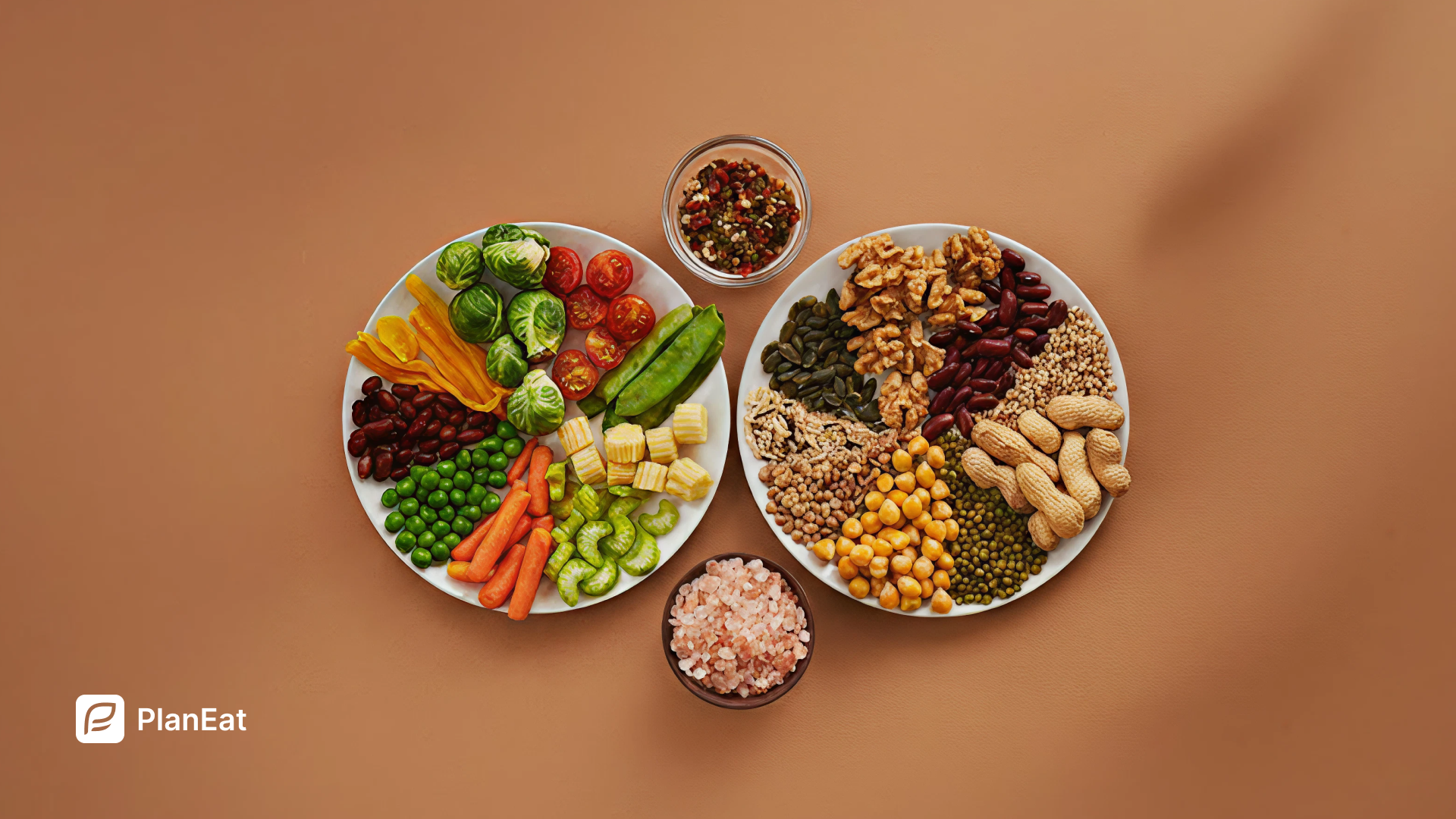
- Proteins: eggs, Greek yogurt, cottage cheese, tofu, tempeh, lentils, chickpeas, black beans, edamame
- Carbs: oats, rice, quinoa, whole grain bread, tortillas, potatoes, pasta
- Produce: spinach or mixed greens, onions, garlic, tomatoes, cucumbers, broccoli, frozen mixed vegetables, berries
- Fats and flavor: olive oil, nuts, seeds, peanut butter, salsa, hummus, vinegar, spices
Simple swaps when life changes:
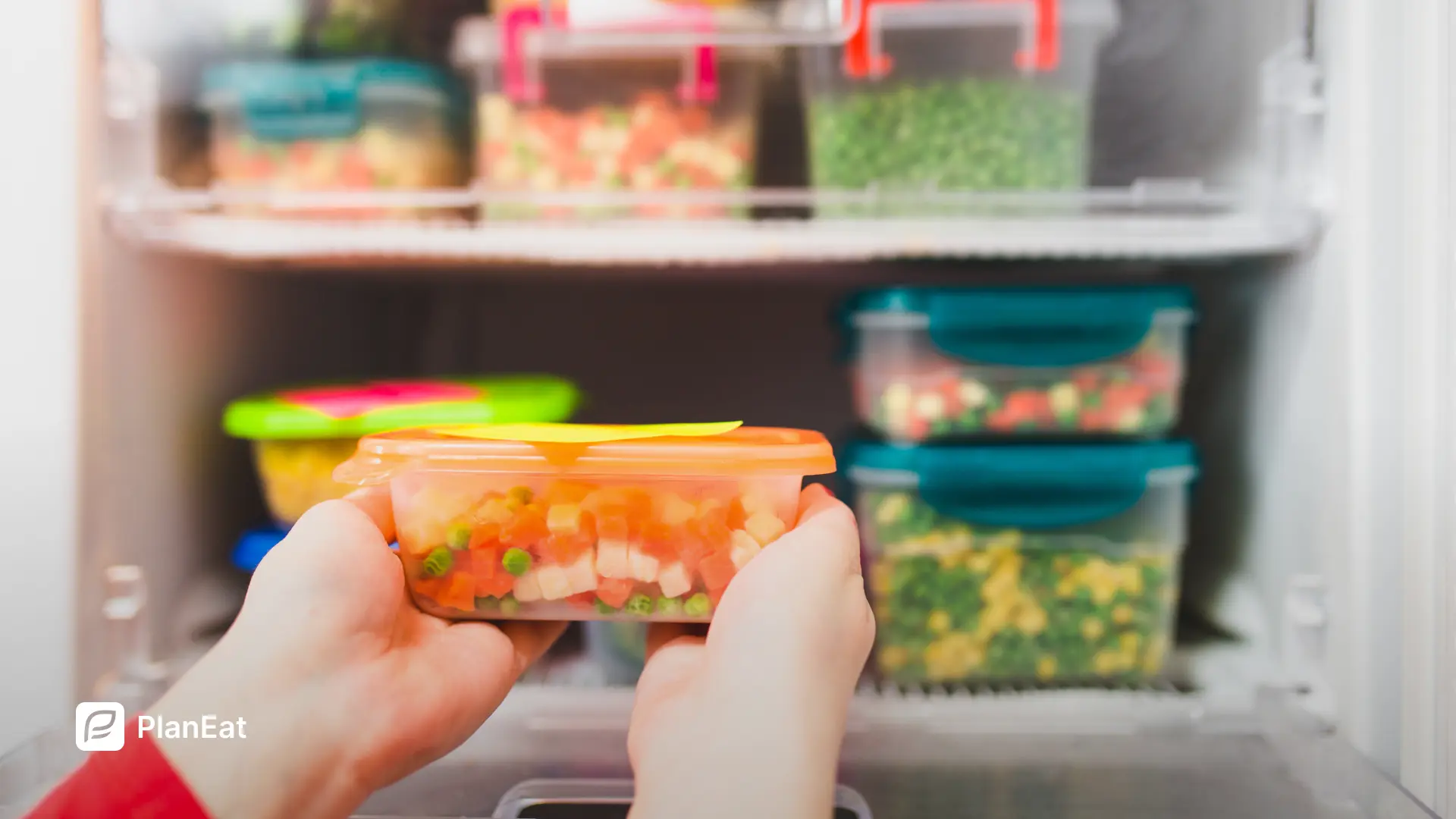
- No time to cook: use Greek yogurt bowls, egg-based meals, or a bean wrap for a stable meal.
- Need more fullness: add vegetables and a bit more protein first, then adjust carbs.
- Losing interest: keep the base the same and change the sauce, seasoning, or veggie mix.
For a quick refresher on building a plan that is actually usable, Meal Planning Basics: How to Start (Beginner Guide) is a solid starting point.
FAQ
Is 1500 calories enough on a vegetarian diet?
It depends on your size, activity level, and goals. Some people feel great at this level, while others need more. Use energy, hunger, and progress over two to three weeks as feedback, and consider talking with a qualified clinician if you have medical conditions.
How do I get enough protein on a vegetarian plan?
Use a protein anchor at every meal: eggs, Greek yogurt, cottage cheese, tofu, tempeh, beans, and lentils. Repeating two or three protein staples each week makes this much easier than trying to be creative every day.
What are the easiest vegetarian meals when I am busy?
Greek yogurt bowls, egg scrambles, tofu stir-fries, lentil soups, and bean wraps are reliable because they cook fast and use common ingredients. Keep a few frozen vegetables and canned beans on hand so you are never stuck.
How accurate are the calories in this plan?
They are estimates. Brands, portions, and cooking methods change totals, so use this as a structure and adjust based on hunger, energy, and results.
The simplest way to make 1500 vegetarian work
Build each meal around a protein anchor, add fiber from plants, and keep a small rotation of repeatable staples. A consistent weekly structure is what makes a 1500-calorie vegetarian plan feel doable, not restrictive.

.webp)
.webp)
.webp)
.webp)
.webp)
.webp)
%20(2026).webp)
.webp)
.webp)
.webp)
%20(2026).webp)
.webp)
%20(2026).webp)
.webp)
.webp)
.webp)
%20Quick%20Ideas%20(2026).webp)
.webp)
.webp)
.webp)
%20Simple%20Staples%20(2026).webp)
.webp)


.webp)
.webp)
_.webp)
_.webp)


.webp)
_webp.webp)
_.webp)
_.webp)
_webp.webp)
.webp)
.webp)
_%20What%20to%20Buy%20When%20(2026)_.webp)
_.webp)
webp.webp)
_.webp)
.webp)
.webp)
.webp)
.webp)
.webp)
.webp)

.webp)
.webp)
.webp)
.webp)
.webp)
.webp)

.webp)
.webp)
%20%2B%207%E2%80%91Day%20Menu.webp)
.webp)


.webp)
.webp)




.webp)
.webp)
.webp)