Why You Feel Tired Even When You Eat Well (2026)
.webp)
TL;DR: Feeling tired even when you eat well does not always mean you are doing something wrong. In many cases, the issue is not whether your food looks healthy, but whether your meals are giving you enough energy, consistency, hydration, and recovery support for real life. A diet can be full of good ingredients and still leave you drained if meal timing is off, protein and carbs are poorly balanced, or your daily routine keeps working against your energy levels. The goal is not just to eat “clean.” It is to eat in a way that actually supports how you live, work, and recover.
When healthy eating is not the same as energizing eating
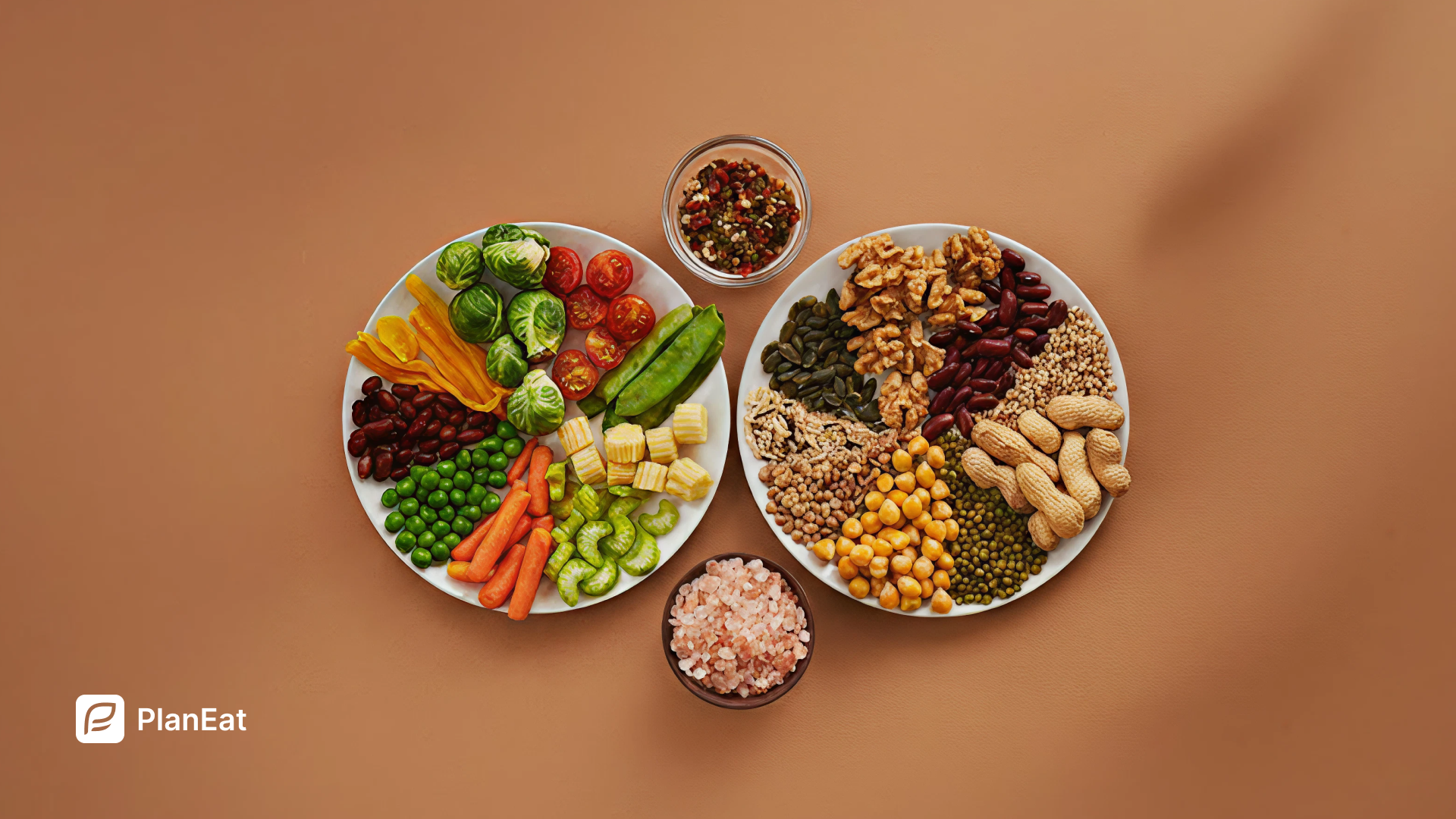
A lot of people assume that once they switch to healthier meals, their energy should improve automatically. Sometimes that does happen. But in real life, plenty of people still feel tired even when they are eating salads, grain bowls, yogurt, fruit, lean proteins, and other foods that look healthy on paper.
That disconnect happens because healthy eating and energizing eating are not always the same thing. A meal can be nutritious in a general sense but still be too light, too low in total calories, too low in carbs for your activity level, or too scattered across the day to support stable energy. In other words, your food may be healthy, but your overall eating pattern may still be working against you.
This is one reason people often feel confused. They are making better food choices, yet they still hit an afternoon crash, feel mentally foggy, or wake up already tired. In many cases, the problem is not one “bad” ingredient. It is the bigger pattern. If you want a solid foundation first, Healthy Eating Basics: Build a Balanced Plate helps explain what truly balanced meals look like in practice.
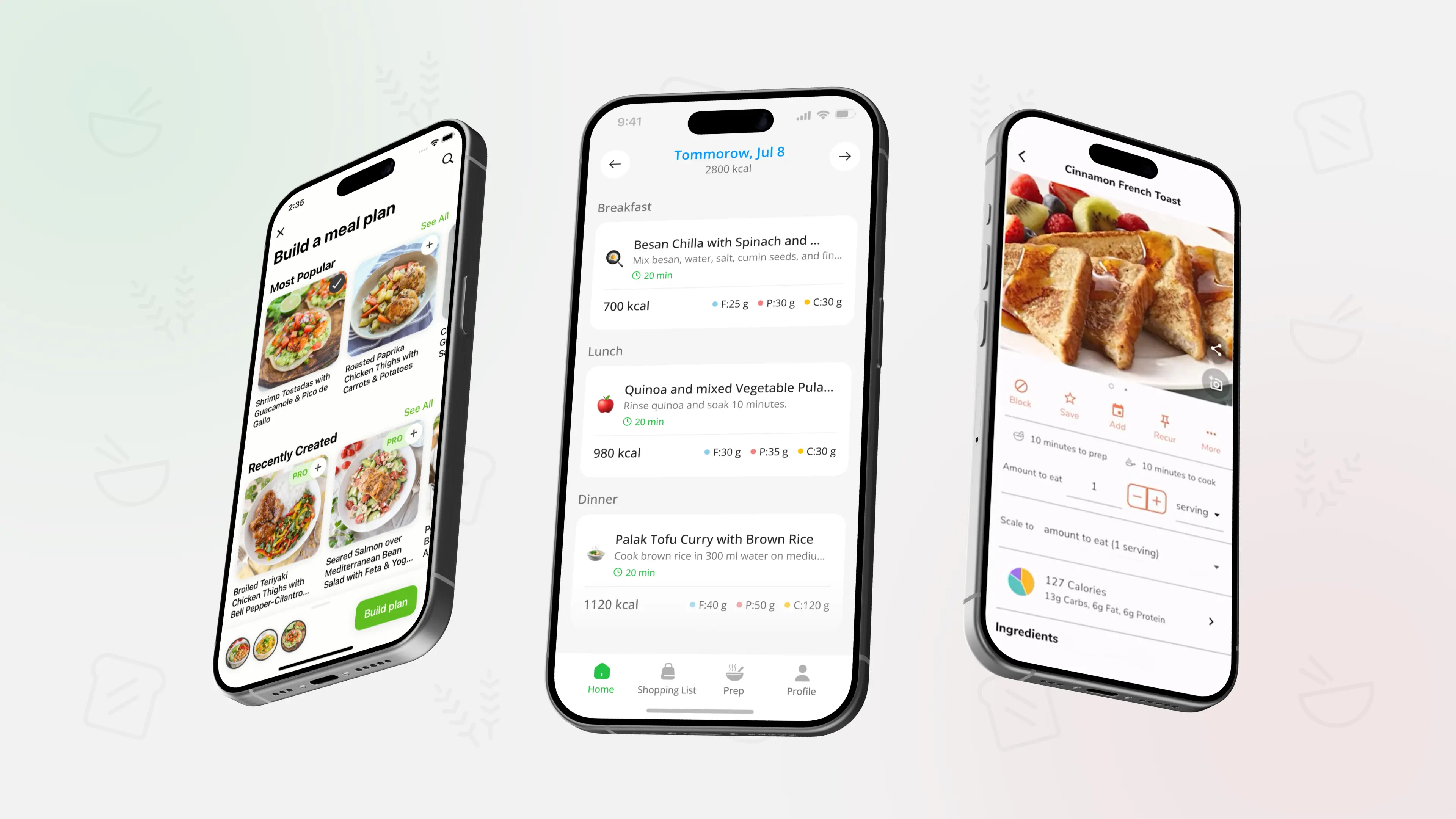
If eating well still feels inconsistent from one day to the next, PlanEat AI helps you build a weekly meal plan with realistic meals, a grouped grocery list, and easy swaps based on your goals, dislikes, and cooking time. That makes healthy eating feel more structured without turning it into another daily chore.
Your meals may be healthy, but not balanced for energy
One of the most common reasons for low energy is that meals look clean but are not built well enough to keep you going. Some people eat too little overall because they are trying to be “good.” Others build meals that are heavy on vegetables and light on protein, or they cut carbs so much that their energy dips even when they think they are eating well.
This matters because energy is not only about food quality. It is also about whether your meals contain enough substance to fuel your brain and body through the day. Protein helps with fullness and stability, but carbohydrates also matter, especially if you are active, stressed, walking a lot, or trying to stay mentally sharp through long workdays. A healthy lunch that is too small or too light may look disciplined, but it can leave you dragging by 3 p.m.
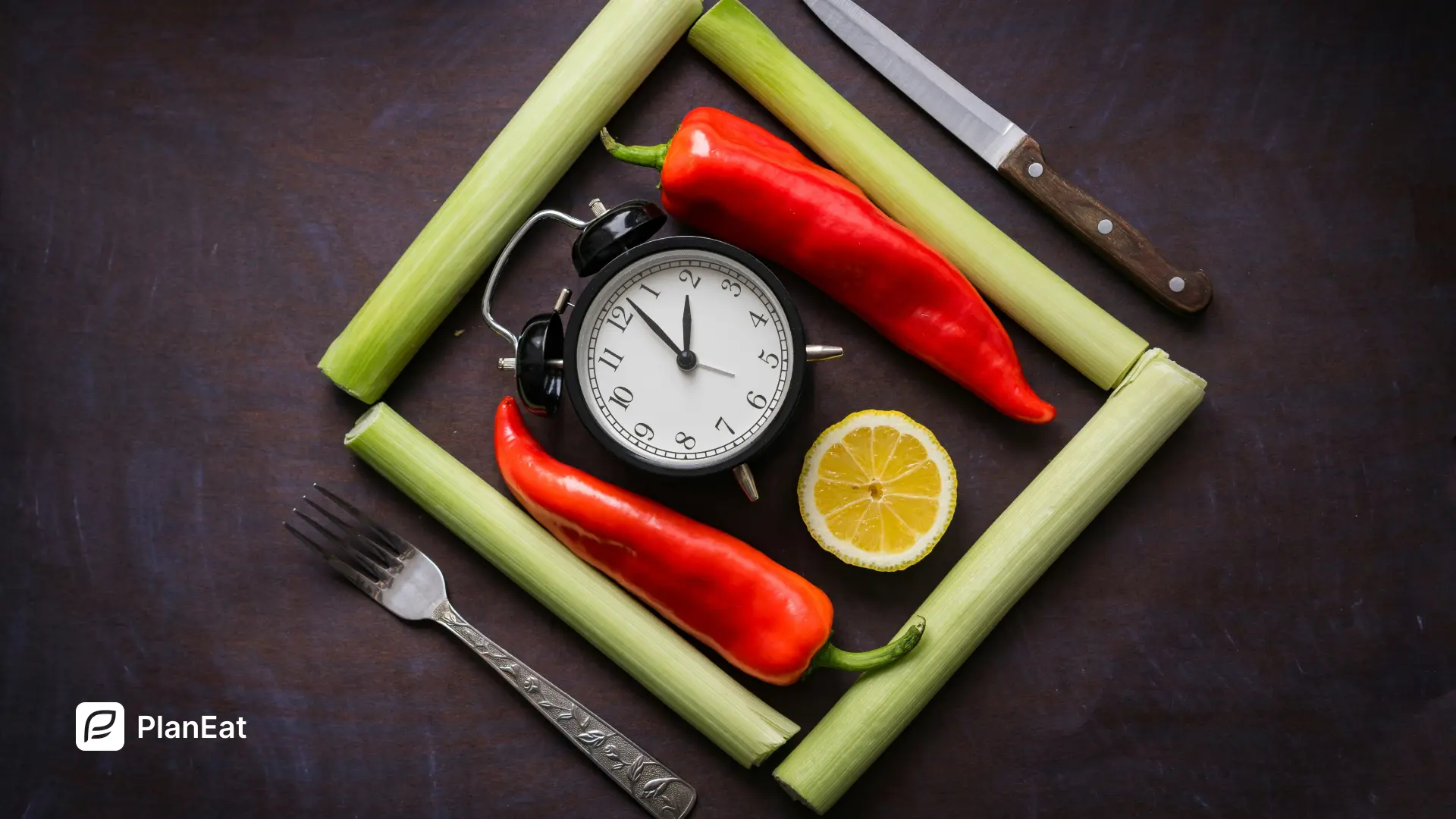
Meal timing can also play a bigger role than many people expect. If breakfast is tiny, lunch is delayed, or most of your calories come late in the evening, your body may spend much of the day trying to catch up. That creates a pattern where you are technically eating well, but not in a way that supports stable daytime energy. If your meals often feel too random or reactive, Meal Planning for Busy Professionals is a useful companion piece because it focuses on building a repeatable weekly rhythm instead of relying on daily motivation.
Hydration, sleep, and routine still matter more than people think
Food is important, but it is not the only reason energy falls apart. Hydration, sleep, and daily routine have a huge influence on how you feel, and they often get overlooked when people focus only on ingredients. Someone can eat a decent diet and still feel wiped out if they are underhydrated, sleeping poorly, or running on a schedule that makes proper meals hard to maintain.
Dehydration is a good example. Even mild underhydration can make people feel sluggish, headachy, or mentally dull, yet many assume the issue must be food. The same goes for sleep. If you are eating well but sleeping badly, your body may still feel low-energy because recovery is incomplete. That is why people sometimes keep adjusting their food while the real issue is happening outside the kitchen.
Stress also changes the picture. High stress can disrupt appetite, digestion, meal timing, and sleep quality all at once. That means even a solid diet may not feel as effective as expected. If this part sounds familiar, Hydration & Diet: How Much Water Do You Need? and Sleep & Hunger: Why Sleep Affects Your Diet both pair naturally with this topic because energy usually depends on more than one habit working well together.
Small fixes that usually improve energy faster than a full diet reset
The best fix is usually not a dramatic overhaul. It is a more practical structure. Start by asking whether your meals contain enough protein, enough carbs for your day, some fat, and enough total food to count as real meals. Then look at timing. Long gaps without eating, rushed breakfasts, and very light lunches often do more damage to energy than people realize.
It also helps to stop judging meals only by how “clean” they look. A more energizing lunch might be rice, chicken, vegetables, and olive oil instead of a small salad. A better breakfast might be eggs with toast and fruit, or yogurt with oats and berries, instead of just coffee and something quick. Many people get more stable energy when they move from light grazing to meals that are actually built to hold them.
Zooming out to the week also makes a difference. If every day starts from zero, energy support becomes inconsistent. A simple weekly structure usually works better than trying to assemble perfect meals on the fly. That is one reason Build a Balanced Breakfast (Quick Templates) and How to Build a Weekly Meal Plan (Examples) are helpful internal reads here: they make the day feel easier before fatigue starts driving food choices.
If you want a simpler way to stay consistent, PlanEat AI helps you keep a weekly meal plan you can actually reuse, swap meals quickly, and build around realistic foods that support your routine. That makes it easier to eat in a way that feels steady instead of starting over every few days.
FAQ
Why do I feel tired even though I eat healthy food?
Because healthy food alone does not guarantee steady energy. If your meals are too light, poorly timed, low in total calories, or inconsistent from day to day, you can still feel tired even with a nutritious-looking diet.
Can I feel tired from not eating enough, even if my meals are healthy?
Yes. This is very common. Many people unintentionally under-eat when they start “eating clean,” especially if meals become smaller, lower in carbs, or less satisfying overall.
Do carbs affect energy that much?
They can. Carbohydrates are an important fuel source, especially for active people and for mental performance during long days. Cutting them too aggressively can leave some people feeling flat, foggy, or tired.
What is more important for energy: food, sleep, or hydration?
All three matter, and they often interact. A decent diet will not fully fix low energy if sleep is poor or hydration is consistently low.
Educational content only, not medical advice.
Why eating well does not always fix fatigue
Feeling tired even when you eat well usually means the issue is bigger than whether your food looks healthy. It often comes down to meal balance, timing, hydration, sleep, and how well your eating pattern supports your real routine.

%20(2026).webp)
.webp)
.webp)
.webp)
%20(2026).webp)
.webp)
%20(2026).webp)
.webp)
.webp)
.webp)
%20Quick%20Ideas%20(2026).webp)
.webp)
.webp)
.webp)
%20Simple%20Staples%20(2026).webp)
.webp)


.webp)
.webp)
.webp)
_.webp)
_.webp)


.webp)
_webp.webp)
_.webp)
_.webp)
_webp.webp)
.webp)
.webp)
_%20What%20to%20Buy%20When%20(2026)_.webp)
_.webp)
webp.webp)
_.webp)
.webp)
.webp)
.webp)
.webp)
.webp)
.webp)


.webp)
.webp)
.webp)
.webp)

.webp)

.webp)

.webp)
.webp)
%20%2B%207%E2%80%91Day%20Menu.webp)
.webp)

.webp)
.webp)




.webp)
.webp)
.webp)
.webp)
%20iOS%20Focus.webp)
.webp)
.webp)