Why You’re Always Hungry on a “Healthy” Diet (2026)
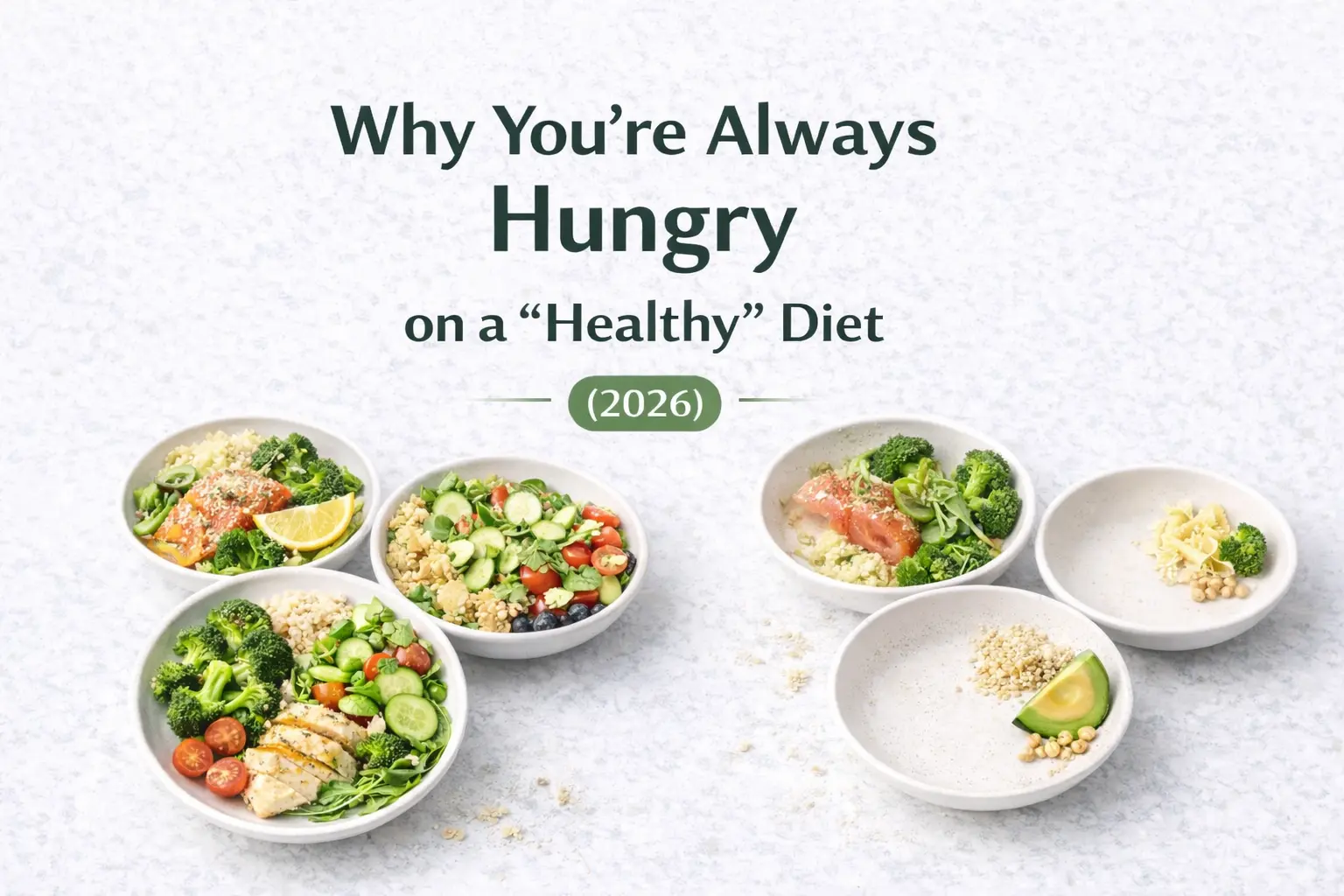
TL;DR: If you feel hungry all the time even though you are eating “healthy,” the problem is usually not willpower. In most cases, your meals are missing enough protein, fiber, fat, or structure to keep you full for more than a short stretch. A diet can look clean on the surface and still be unsatisfying in real life. The fix is usually simple: build meals that are more balanced, more repeatable, and easier to stick with during a normal busy week.
When “healthy” meals look good but do not satisfy
A lot of people switch to a “healthy” diet by making meals lighter, cleaner, and lower in obvious junk foods. On paper, that sounds like the right move. In practice, it often turns into yogurt with fruit, salads with very little substance, rice cakes, smoothie bowls, or small grain bowls that look balanced but do not actually keep hunger down for long.
This happens because healthy eating and satisfying eating are not always the same thing. A meal can be full of wholesome ingredients and still digest quickly, leave your stomach physically underfilled, or fail to provide the mix of nutrients that supports stable energy. That is one reason many people feel “good” right after eating but start looking for snacks an hour later.
It also does not help that online healthy eating advice often rewards meals that are visually appealing more than meals that are practical. A tiny salad with grilled chicken may photograph well, but it may not work for someone who is working full-time, walking a lot, training, or simply trying to get through the afternoon without thinking about food every 30 minutes. If you need a stronger foundation first, Healthy Eating Basics: Build a Balanced Plate is a useful starting point.
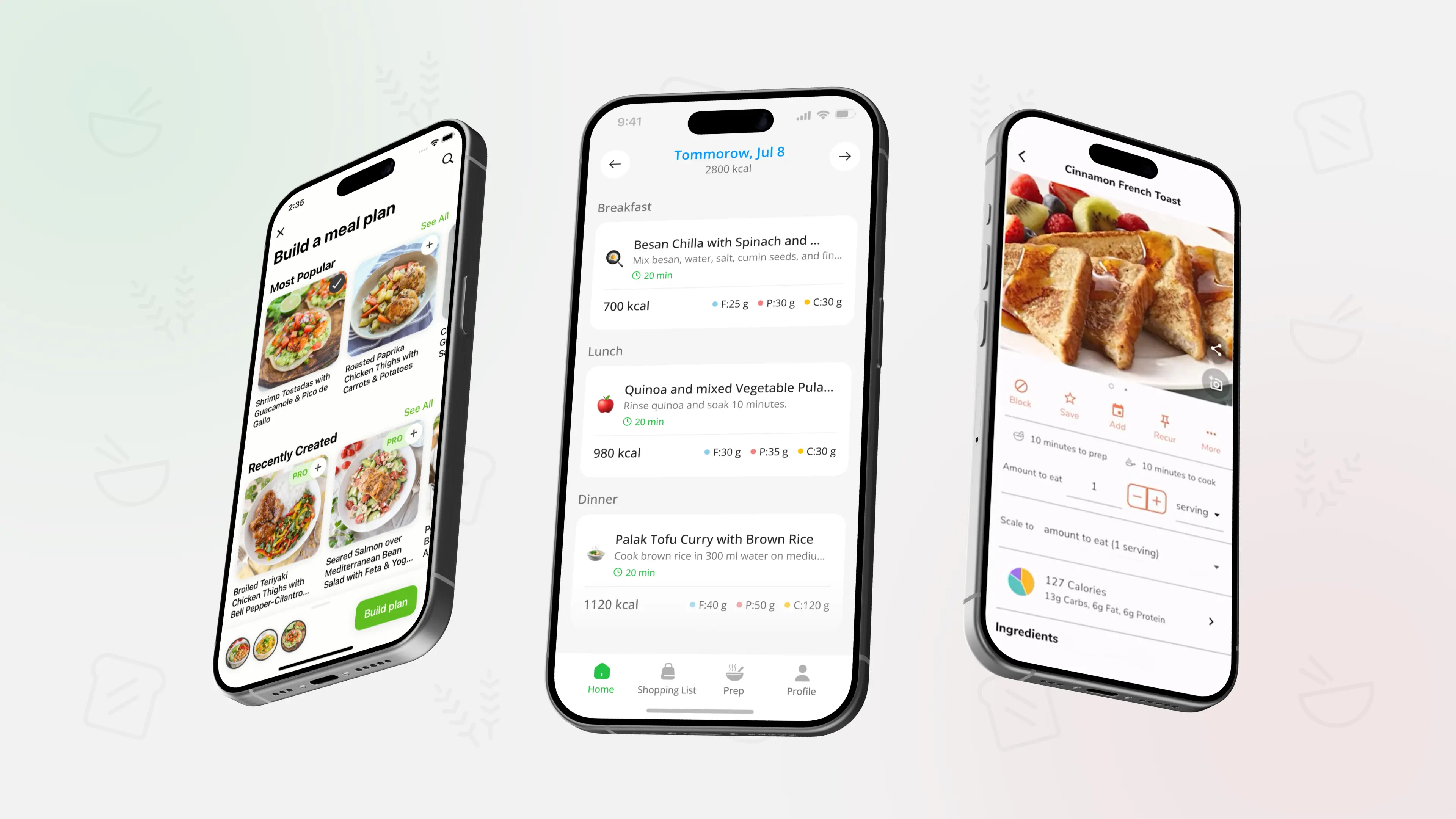
If planning satisfying meals feels harder than it should, PlanEat AI helps you build a weekly meal plan with realistic meals, a grouped grocery list, and easy swaps based on your goals, dislikes, and cooking time. It is made for people who want more structure without micromanaging every nutrient.
The biggest reasons you still feel hungry
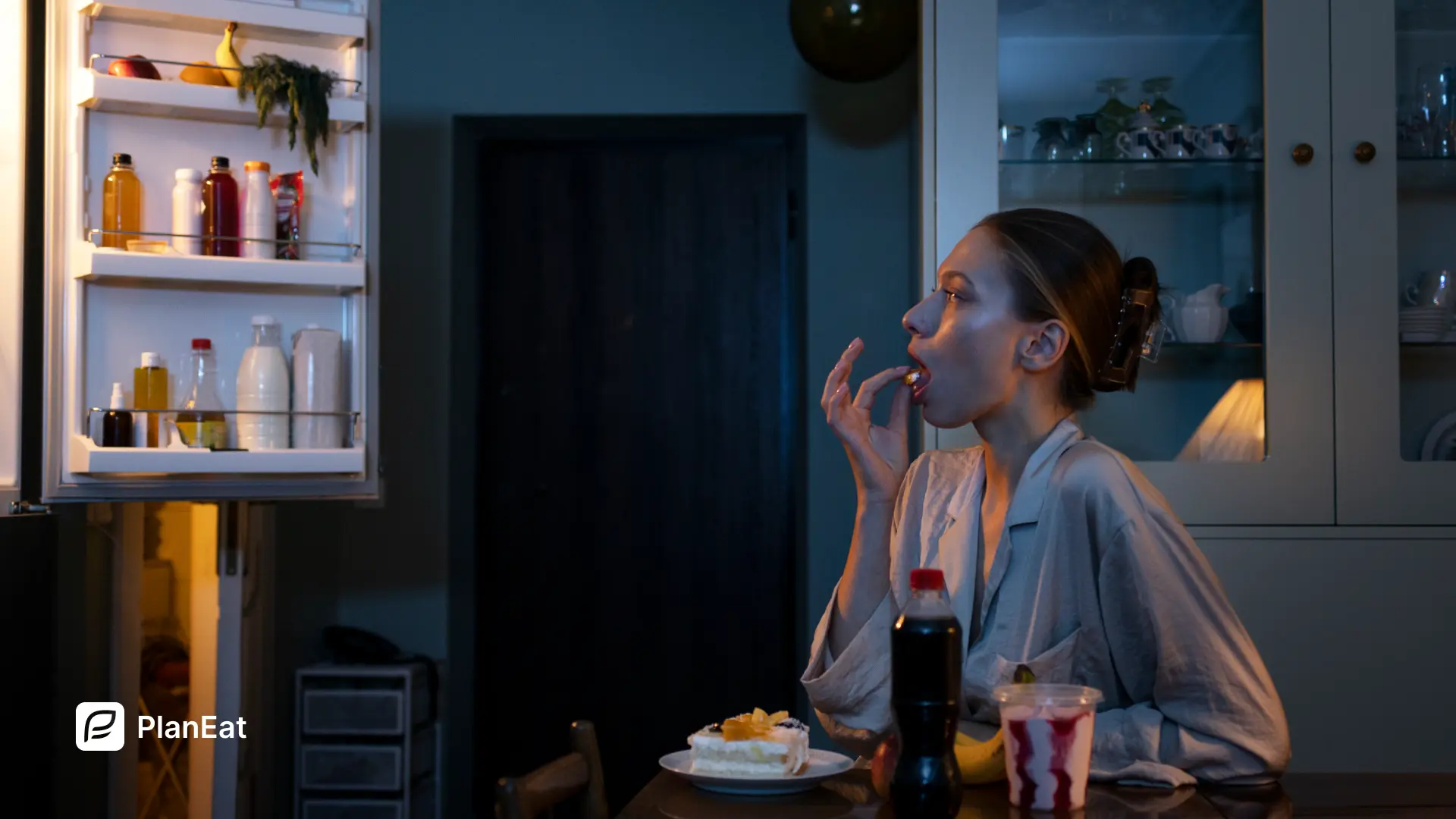
The first common problem is not enough protein. Protein is one of the most important nutrients for fullness, but many “healthy” meals still come in too low. A breakfast of toast and fruit, a lunch built mostly around greens, or a snack that is mostly carbs can leave you hungry fast even if the food itself is nutritious. This is also why people who “eat healthy all day” often end up overeating at night.
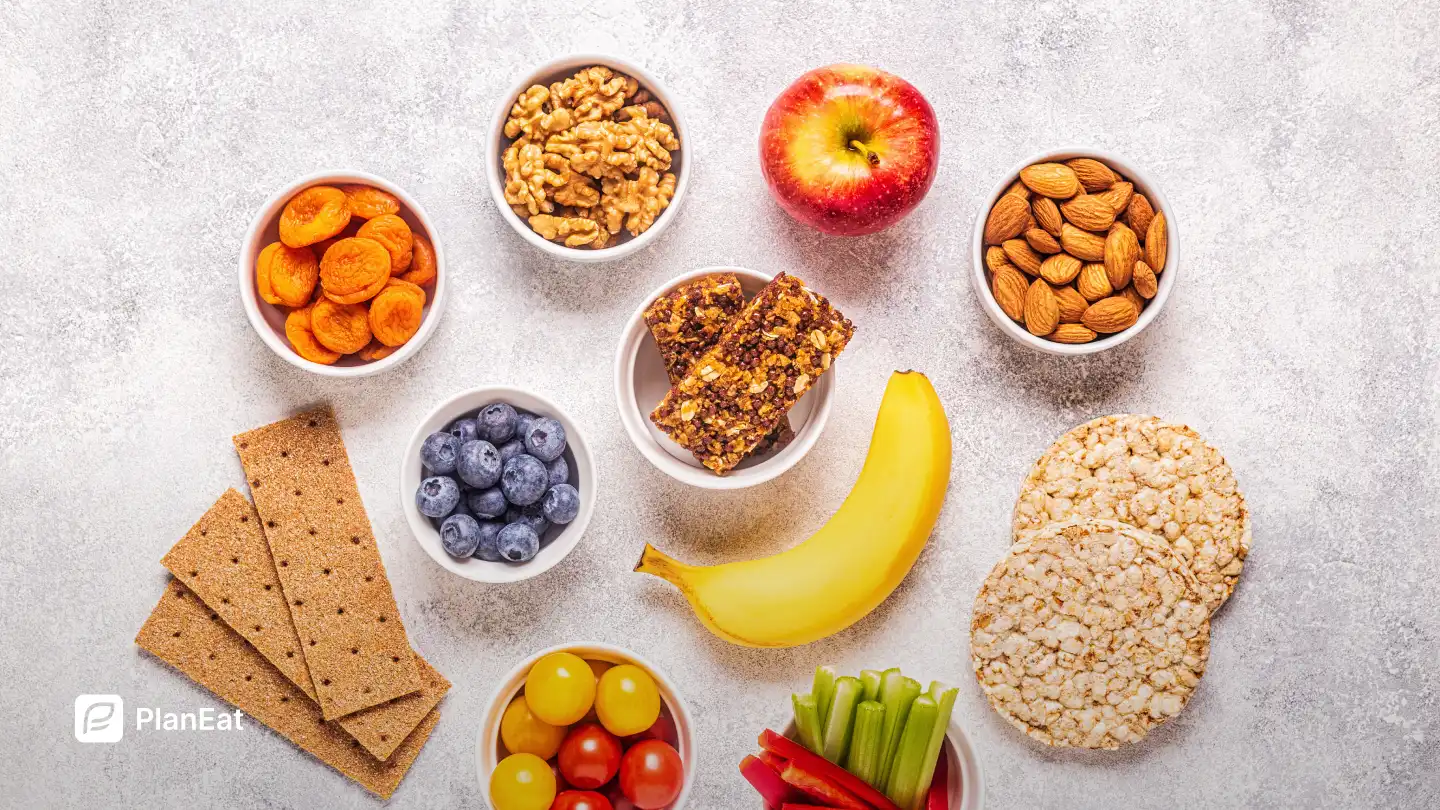
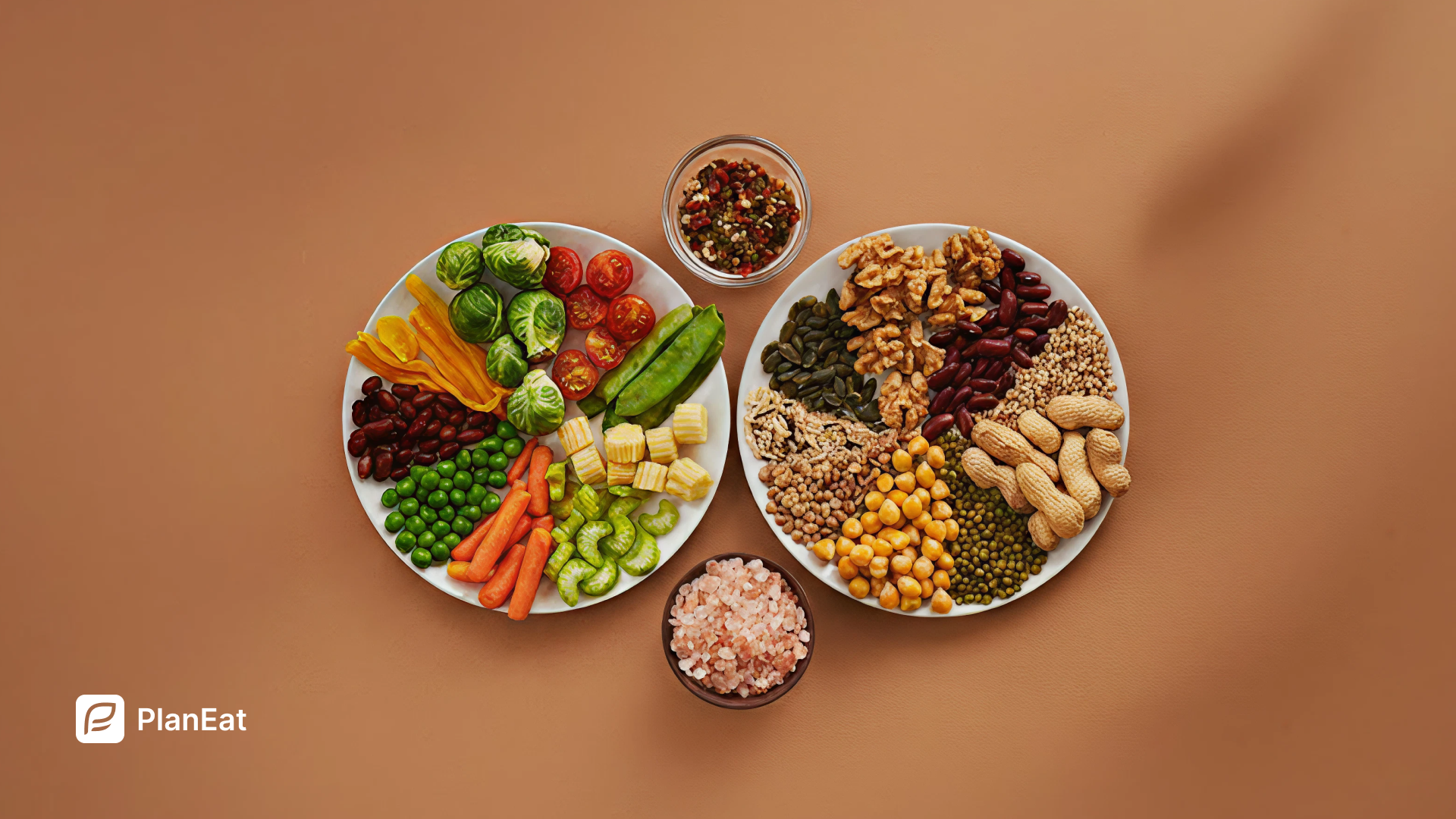
The second issue is too little fiber and volume in the wrong places. If your meals are built around refined carbs, juice, granola, or small portions of foods that digest quickly, they may not stay with you. Fiber helps slow digestion and adds staying power, especially when paired with protein. Foods like beans, lentils, oats, potatoes, berries, vegetables, and whole grains usually do a much better job here than “light” convenience foods sold as healthy.
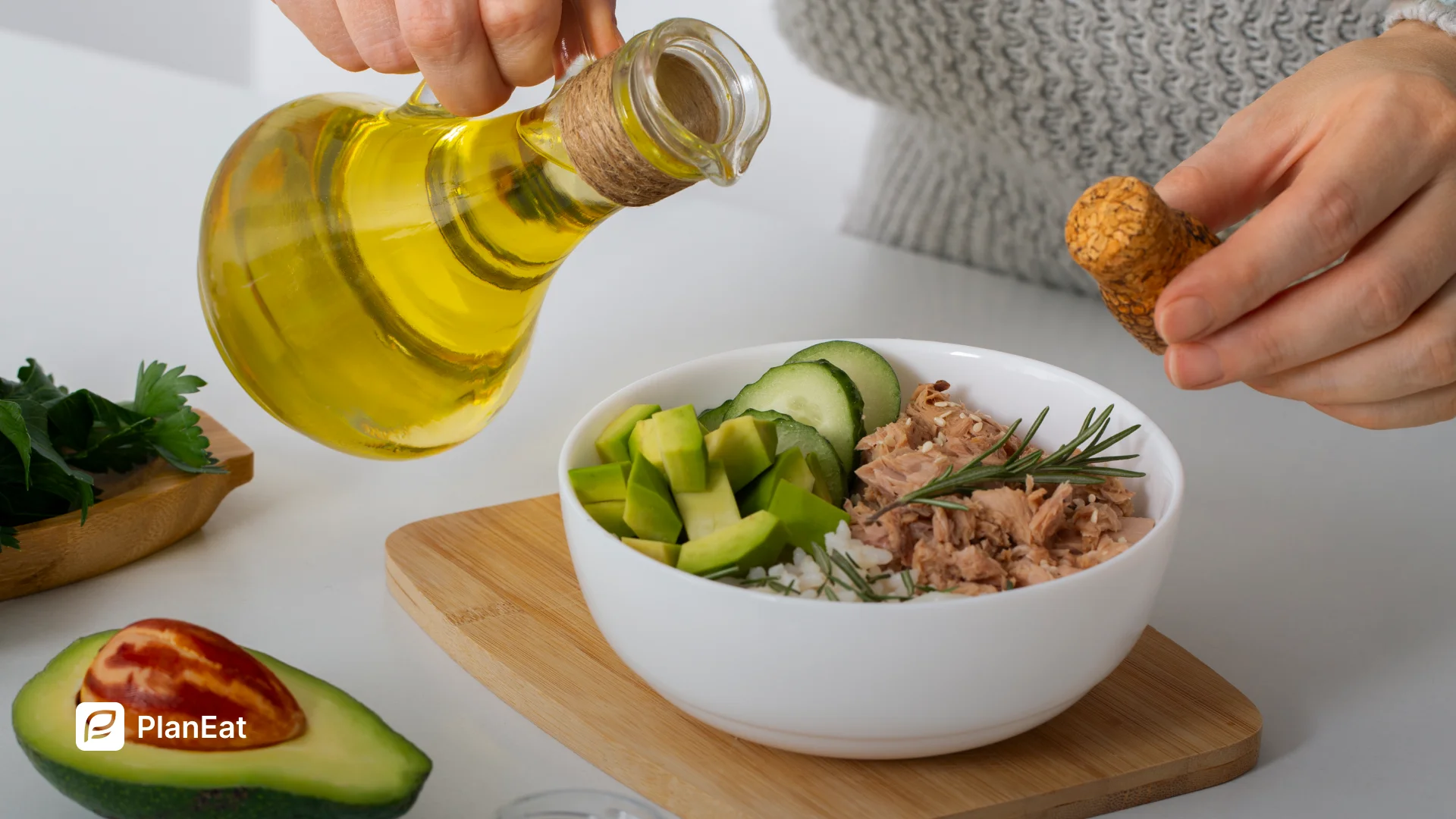
The third issue is fear of fat. Many people still build meals that are extremely low in fat because they assume lighter automatically means better. But meals that include moderate portions of foods like eggs, yogurt, nuts, seeds, avocado, olive oil, or salmon often feel much more complete. You do not need a high-fat diet to feel satisfied, but cutting fat too aggressively can make meals feel unfinished.
The fourth problem is meals that are too small for your actual day. If you are active, sleep-deprived, stressed, or eating on an inconsistent schedule, your body may simply need more food than your current plan allows. Hunger is not always a sign that you are doing something wrong. Sometimes it is just your body telling you that your “healthy” portions were designed for an imaginary version of your life, not your real one.
What a filling healthy meal usually includes
A more satisfying healthy meal usually has four things working together: protein, fiber, some fat, and enough total food volume. That does not mean every plate has to be complicated. It means your meals should be built to last, not just to look disciplined.
For example, compare two lunches. One is a small salad with greens, cucumber, shredded carrots, and a little vinaigrette. The other is a bowl with chicken or beans, rice or potatoes, crunchy vegetables, olive-oil-based dressing, and maybe fruit or yogurt on the side. Both can be considered healthy, but the second meal is far more likely to carry you through the afternoon without constant hunger.
The same pattern applies at breakfast. A smoothie made mostly from banana and almond milk may feel healthy, but it is often not enough. A breakfast with Greek yogurt, oats, berries, chia seeds, or eggs with toast and fruit is usually much harder to out-hunger.
A helpful test is this: after finishing a meal, ask whether it had a clear protein source, a real fiber source, and enough substance to count as a meal. If not, hunger later is not surprising. For many people, the issue is not that they are eating too much. It is that they are eating meals that are too weak to hold them.
Small changes that make hunger easier to manage
The best fix is usually not a dramatic diet change. It is a set of practical upgrades you can repeat all week. Start by increasing protein at the meals where hunger hits hardest. Add eggs, Greek yogurt, cottage cheese, chicken, tuna, tofu, beans, or lentils where your current meals feel too light. Then look at fiber. Add fruit instead of juice, oats instead of sugary cereal, beans instead of tiny grain portions, and vegetables that actually make the plate bigger.
Next, stop treating snacks like a backup plan for structurally weak meals. If you are always hungry two hours after lunch, the better solution may be a better lunch, not another “healthy snack.” This is one reason meal structure matters more than random food rules. Meal Planning for Busy Professionals is especially useful here because it focuses on repeatable meals that work during a normal workweek, not just ideal days.
It also helps to zoom out and look at your weekly pattern, not just one meal. Some people under-eat earlier in the day, then feel intense hunger at night and blame themselves. Others eat meals that are individually healthy but disconnected from their routine, which leads to constant grazing. A simple weekly plan usually works better than relying on motivation meal by meal.
If you want a setup you can actually reuse, PlanEat AI lets you keep a weekly meal plan structure, swap meals quickly, and build around repeatable protein-and-fiber meals that feel satisfying in real life. That makes it easier to stop starting over every Monday.
FAQ
Why am I hungry all the time even though I eat salads and smoothies?
Because many salads and smoothies are lighter than they seem. If they do not contain enough protein, fiber, fat, and total volume, they may digest quickly and leave you hungry again soon.
Can eating too “clean” make you feel less full?
Yes, sometimes. A very restrictive version of clean eating can remove foods that help with fullness, especially fats and more substantial carb sources like potatoes, oats, rice, and beans.
Is being hungry on a healthy diet a sign I am doing something wrong?
Not always. It often means your meals are not matched to your real needs, activity level, routine, or appetite. The answer is usually better meal structure, not more restriction.
What should I add to meals to feel fuller longer?
Start with a clear protein source, then add fiber-rich carbs and some fat. Simple examples include eggs with toast and fruit, yogurt with oats and berries, or a lunch bowl with chicken or beans, rice, vegetables, and dressing.
Educational content only, not medical advice.
Why healthy meals still leave you hungry
If your healthy diet keeps leaving you hungry, the issue is usually not discipline. It is that your meals may look healthy without being built for fullness, consistency, and real life.

%20(2026).webp)
.webp)
.webp)
.webp)
%20(2026).webp)
.webp)
%20(2026).webp)
.webp)
.webp)
.webp)
%20Quick%20Ideas%20(2026).webp)
.webp)
.webp)
.webp)
%20Simple%20Staples%20(2026).webp)
.webp)


.webp)
.webp)
.webp)
_.webp)
_.webp)


.webp)
_webp.webp)
_.webp)
_.webp)
_webp.webp)
.webp)
.webp)
_%20What%20to%20Buy%20When%20(2026)_.webp)
_.webp)
webp.webp)
_.webp)
.webp)
.webp)
.webp)
.webp)
.webp)
.webp)
.webp)
.webp)
.webp)
.webp)
.webp)
.webp)

.webp)
.webp)
%20%2B%207%E2%80%91Day%20Menu.webp)
.webp)
.webp)
.webp)


.webp)
.webp)
.webp)
.webp)
%20iOS%20Focus.webp)
.webp)
.webp)
.webp)