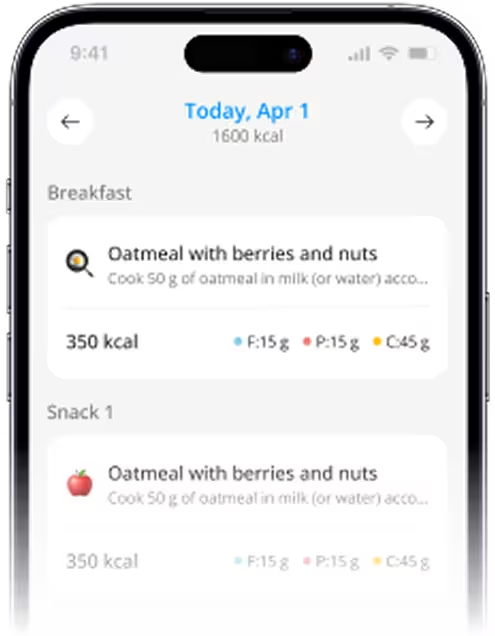
10 Reasons Healthy Eating Isn’t Working (And Simple Fixes) (2026)
%20(2026).webp)
TL;DR: If “healthy eating” is not working, it is usually not because you lack discipline. It is usually a mismatch between your plan and real life: portions, protein and fiber, consistency, and food environment. These 10 fixes are practical and designed to work on busy weeks.
Why healthy eating can feel like it is not working
Most people start with good intentions and then get frustrated because results are slow, hunger is high, or the plan feels impossible to maintain. The problem is that many “healthy” changes are vague, and vague changes are hard to repeat.
A workable approach is to treat healthy eating like a system, not a mood. When the system fits your time, your kitchen, and your habits, results follow naturally.
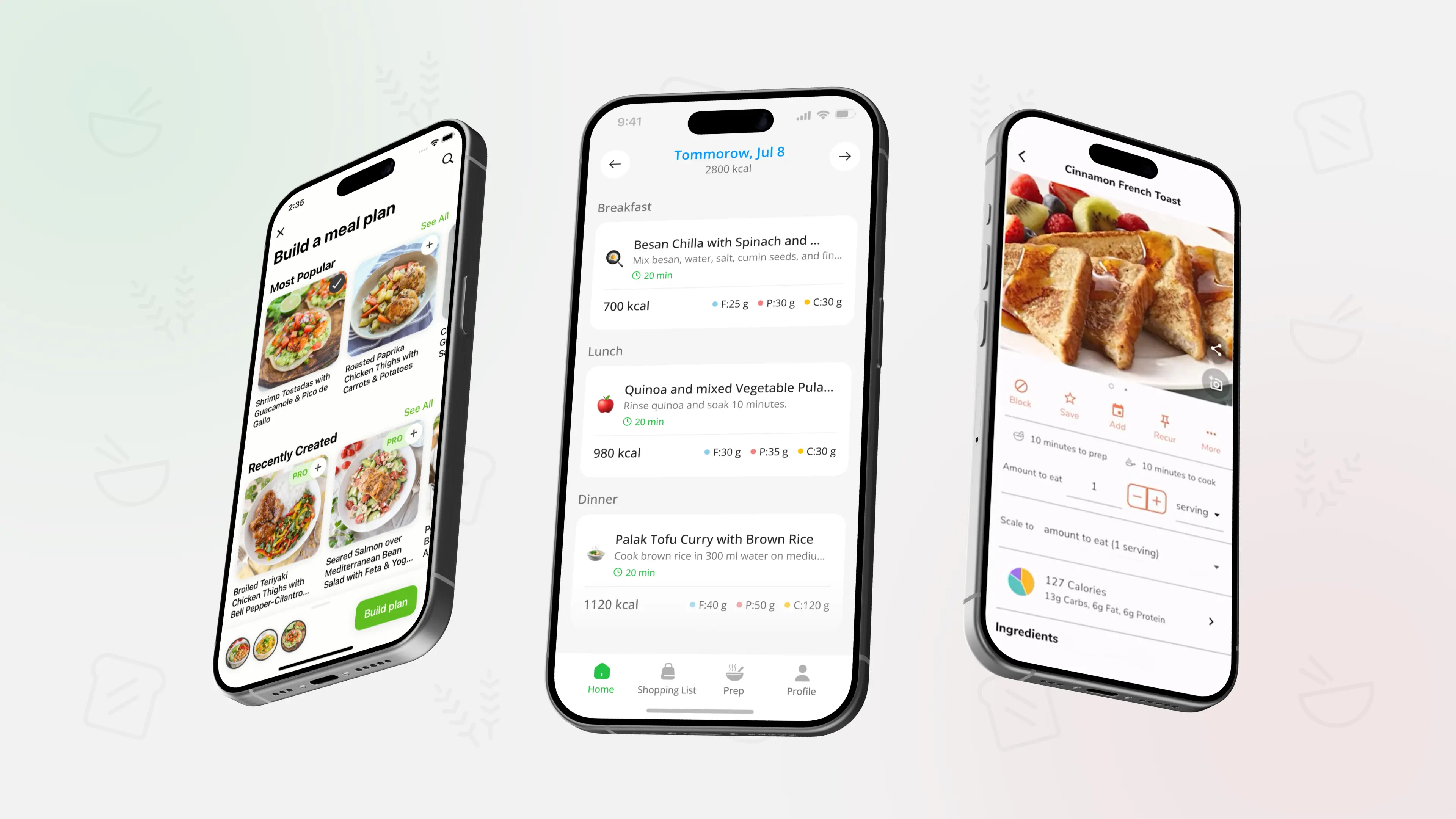
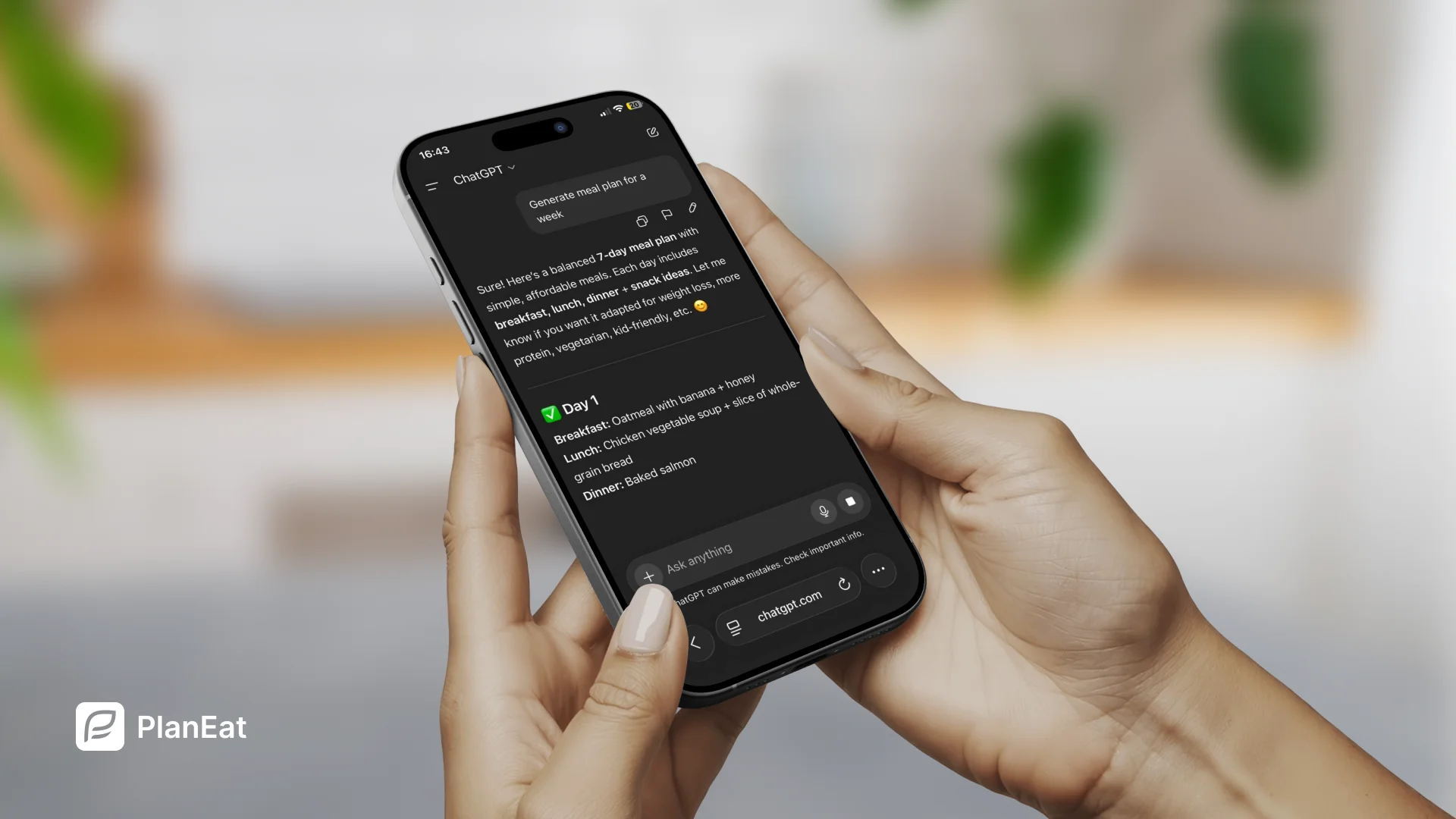
If you want a weekly structure that is easier to follow, PlanEat AI can generate a weekly meal plan and a grouped grocery list personalized to your goals, dislikes, cooking time, and basic restrictions, with simple meal swaps when a meal does not fit your week.
10 reasons and simple fixes
1.You are eating “healthy” foods, but portions are still too big. Healthy does not mean unlimited. Nuts, oils, cheese, granola, and restaurant salads can be calorie-dense.
Fix: keep your meal structure the same, but reduce one dense add-on at a time, like less oil, smaller nut portions, or a smaller granola serving.
2.Your meals are too low in protein. Low protein often leads to constant snacking and late-day cravings.
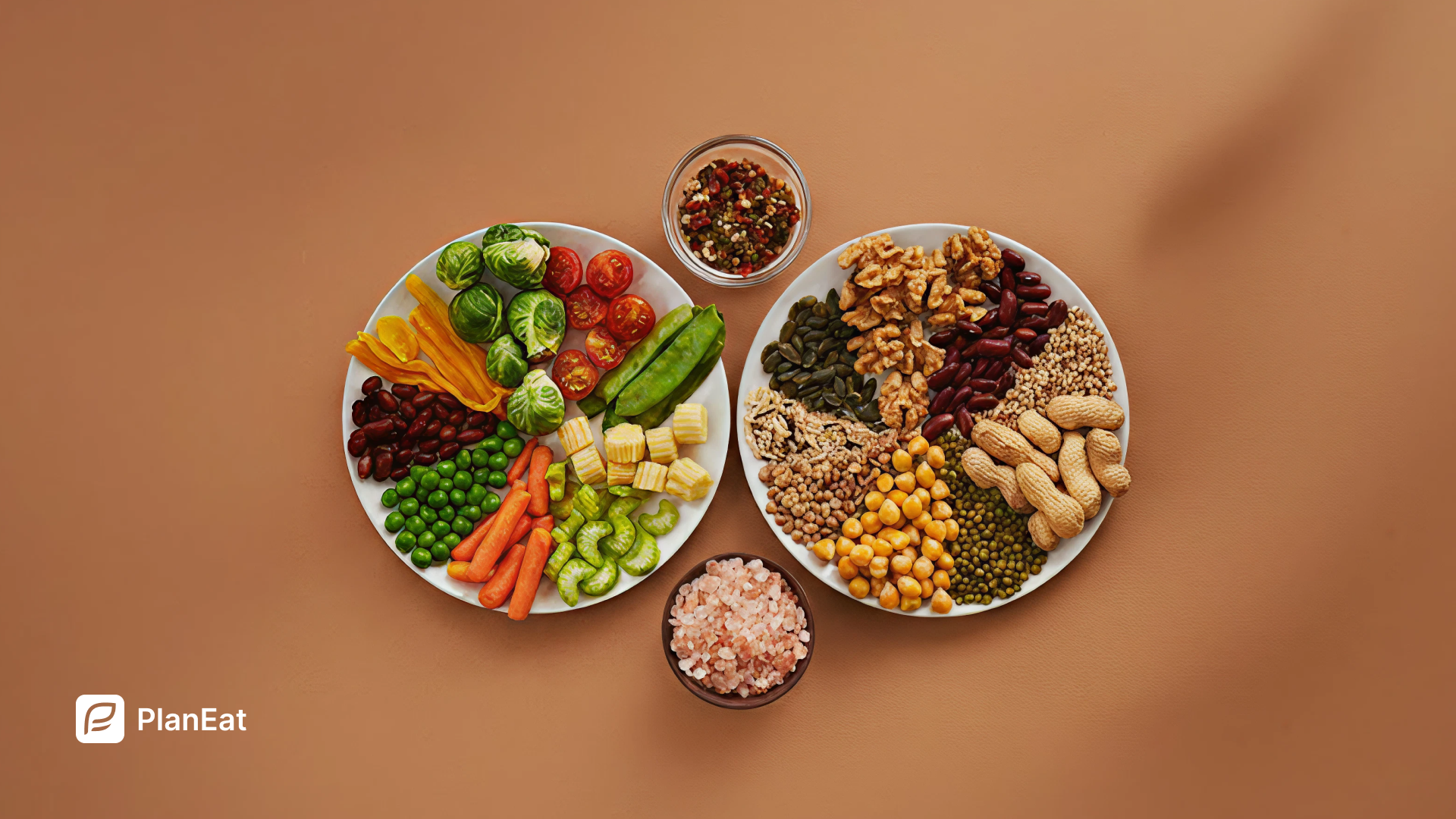
Fix: add a clear protein anchor to each main meal: eggs, Greek yogurt, chicken, fish, tofu, beans, lentils.
3.Your meals are too low in fiber. Fiber makes meals more satisfying and helps hunger feel steadier.
Fix: add one fiber anchor per meal: berries, oats, beans, lentils, vegetables, whole grains.
4.You are “eating clean” but skipping meals. Skipping meals often turns into overeating later, even if meals are healthy.
Fix: aim for three real meals or two meals plus one planned snack, instead of drifting into snack-only days.
5.Your weekday plan is fine, but weekends erase it. Two high-calorie days can cancel five good days, especially with alcohol, takeout, and desserts.
Fix: keep one meal consistent on weekends, usually a protein-forward breakfast, and make only one “social meal” the flexible one.
6.You are relying on willpower instead of defaultsIf every meal requires a decision, you will eventually choose the easiest option.
Fix: pick 2 breakfasts, 2 lunches, and 3 dinners you can repeat. Repetition is not boring, it is how consistency happens.
7.Your food is healthy but not satisfying. Many “healthy” meals are low in flavor or too small, so you end up grazing.
Fix: build meals around protein plus fiber plus a real carb, then use a simple sauce or seasoning so the meal feels complete.
8.You are under-sleeping. Sleep affects appetite and cravings. When sleep is short, hunger is harder to manage.
Fix: treat sleep like a nutrition tool. Even a small improvement can reduce late-night snacking.
9.You are eating healthy at home, but most calories come from eating out. Restaurant portions, added oils, and sugary drinks add up fast.
Fix: choose one restaurant default: protein plus veggies plus a carb, and skip the liquid calories most days.
10.You are expecting daily changes instead of weekly trends. Weight fluctuates with water, salt, stress, and training. Daily scale checks can create unnecessary frustration.
Fix: track progress in weekly trends, and judge your plan by consistency, hunger, and energy over two to three weeks.
A quick reset plan for the next 7 days
If you feel stuck, do not try to fix everything at once. Pick the smallest changes that you can repeat.
Day 1 to 2: choose a protein-forward breakfast you can repeat.
Day 3 to 4: add a fiber anchor to lunch, usually beans, lentils, or a big veggie side.
Day 5 to 7: set one emergency dinner default so busy nights do not derail the week.
That last step matters more than people think. If dinner falls apart, the day often turns into snack meals.
A practical emergency dinner system is in Emergency Meals for Busy Nights: What to Eat When You Have No Time (2026).
If you want to make consistency easier, PlanEat AI helps you save a plan as reusable and swap meals quickly while keeping a steady base of repeatable protein and fiber across the week.
FAQ
Why am I gaining weight while eating healthy?
Usually it is portion size, hidden calories from oils, nuts, and snacks, or weekend habits. “Healthy” foods can still be calorie-dense, and progress is driven by your overall weekly pattern.
What is the simplest change that makes healthy eating work?
Make protein consistent. A protein anchor at breakfast, lunch, and dinner often reduces cravings and makes the rest of the plan easier.
How do I stop late-night snacking?
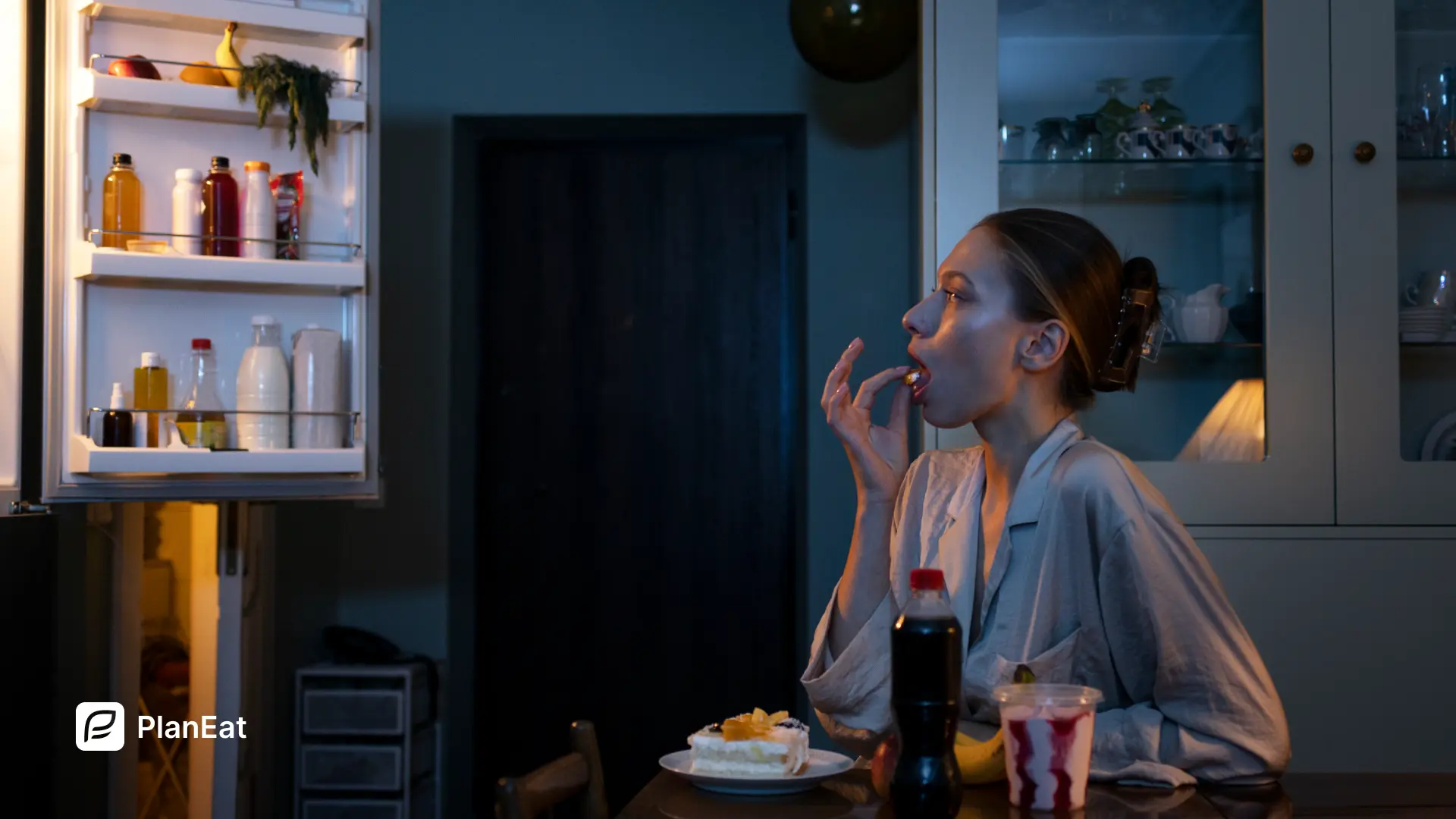
Most late-night snacking is a hunger problem, not a character problem. Eat a real lunch, plan a satisfying dinner, and use one planned snack if there is a long gap between meals.
How long does it take to see results from healthy eating?
It depends on your starting point and goals, but most people notice changes in hunger and energy within a week. Visible body changes usually show up in weekly trends over two to four weeks, not day to day.
Educational content only, not medical advice.
The simplest reason healthy eating fails
Healthy eating usually fails when it is vague and hard to repeat. Build a few defaults around protein and fiber, plan for busy nights, and judge progress by weekly trends. Consistency will beat “perfect eating” every time.

.webp)
.webp)
.webp)
%20(2026).webp)
.webp)
%20(2026).webp)
.webp)
.webp)
.webp)
%20Quick%20Ideas%20(2026).webp)
.webp)
.webp)
.webp)
%20Simple%20Staples%20(2026).webp)
.webp)


.webp)
.webp)
.webp)
_.webp)
_.webp)


.webp)
_webp.webp)
_.webp)
_.webp)
_webp.webp)
.webp)
.webp)
_%20What%20to%20Buy%20When%20(2026)_.webp)
_.webp)
webp.webp)
_.webp)
.webp)
.webp)
.webp)
.webp)
.webp)
.webp)

.webp)
.webp)
.webp)
.webp)

.webp)
.webp)

.webp)
.webp)
%20%2B%207%E2%80%91Day%20Menu.webp)
.webp)


.webp)
.webp)


.webp)
.webp)
.webp)
.webp)
%20iOS%20Focus.webp)
.webp)
.webp)
.webp)
.webp)