Plant-Based Eating Without Going Vegan: A Simple Plan (2026)
.webp)
TL;DR: Plant-based eating does not mean you have to become vegan. For many people, the most realistic version is simply eating more plants, more fiber, and more whole-food meals, while still keeping eggs, dairy, fish, chicken, or other animal foods if they fit your routine.
A flexible way to eat more plants
Plant-based eating often gets misunderstood as an all-or-nothing identity. Some people hear the phrase and assume it means no meat, no eggs, no dairy, no flexibility, and no normal social meals. That can make the idea feel intimidating before they even start.
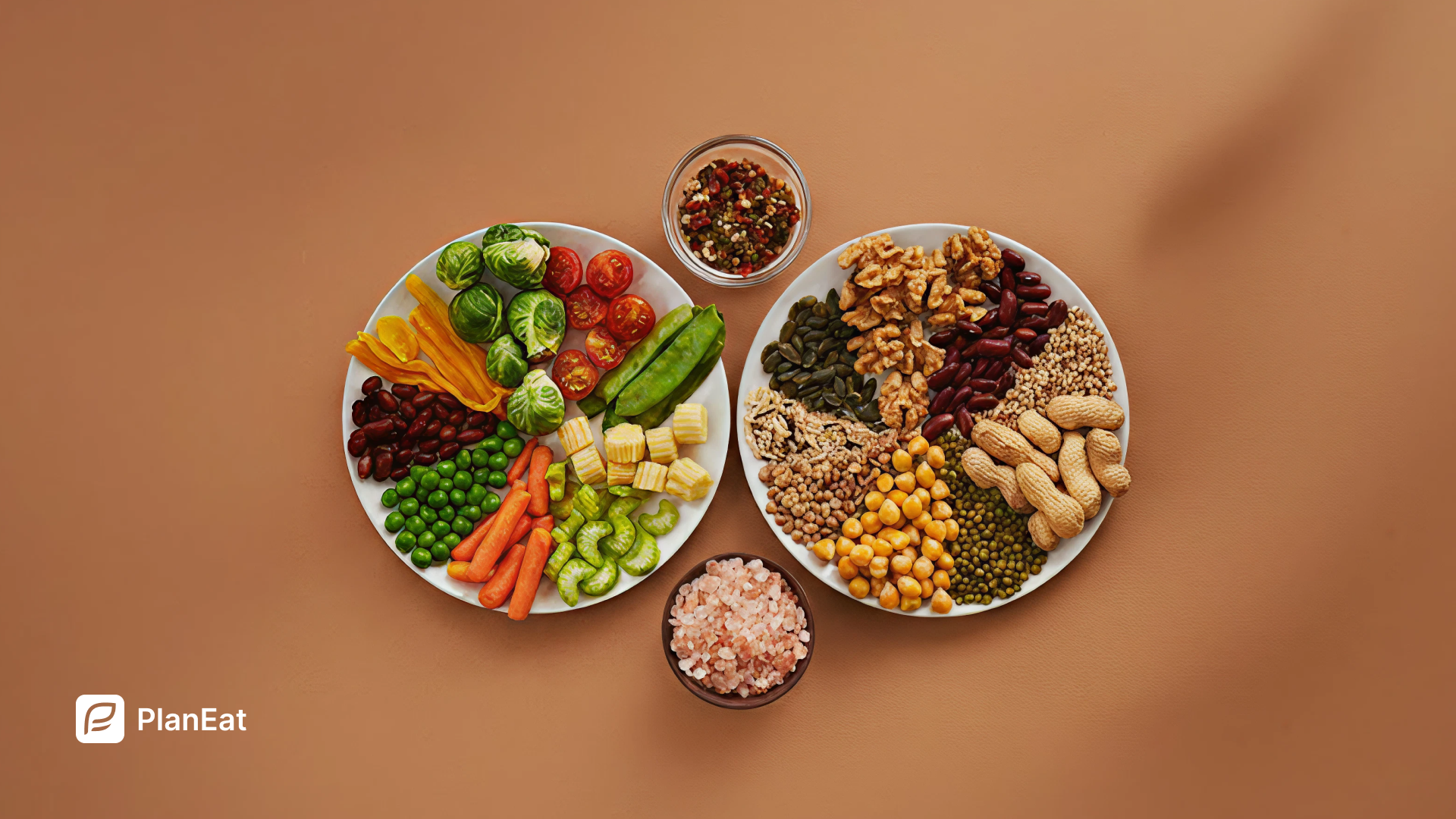
A more useful definition is simpler: make plant foods a bigger part of your meals. That means more vegetables, fruit, beans, lentils, whole grains, nuts, seeds, and plant-forward meals across the week. You can still include animal foods if they help you meet your protein needs, enjoy your meals, or stay consistent.
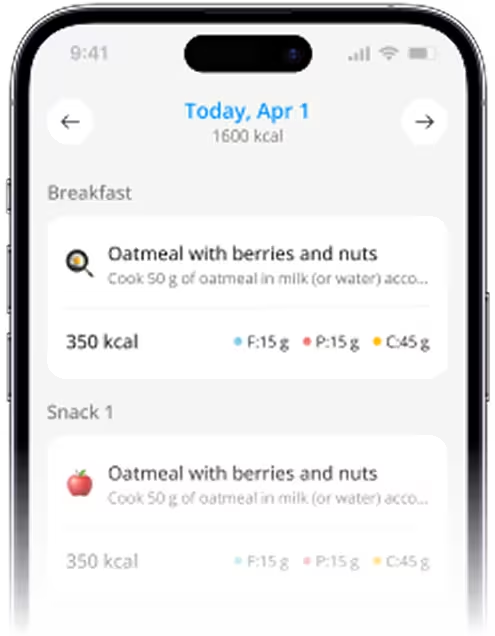
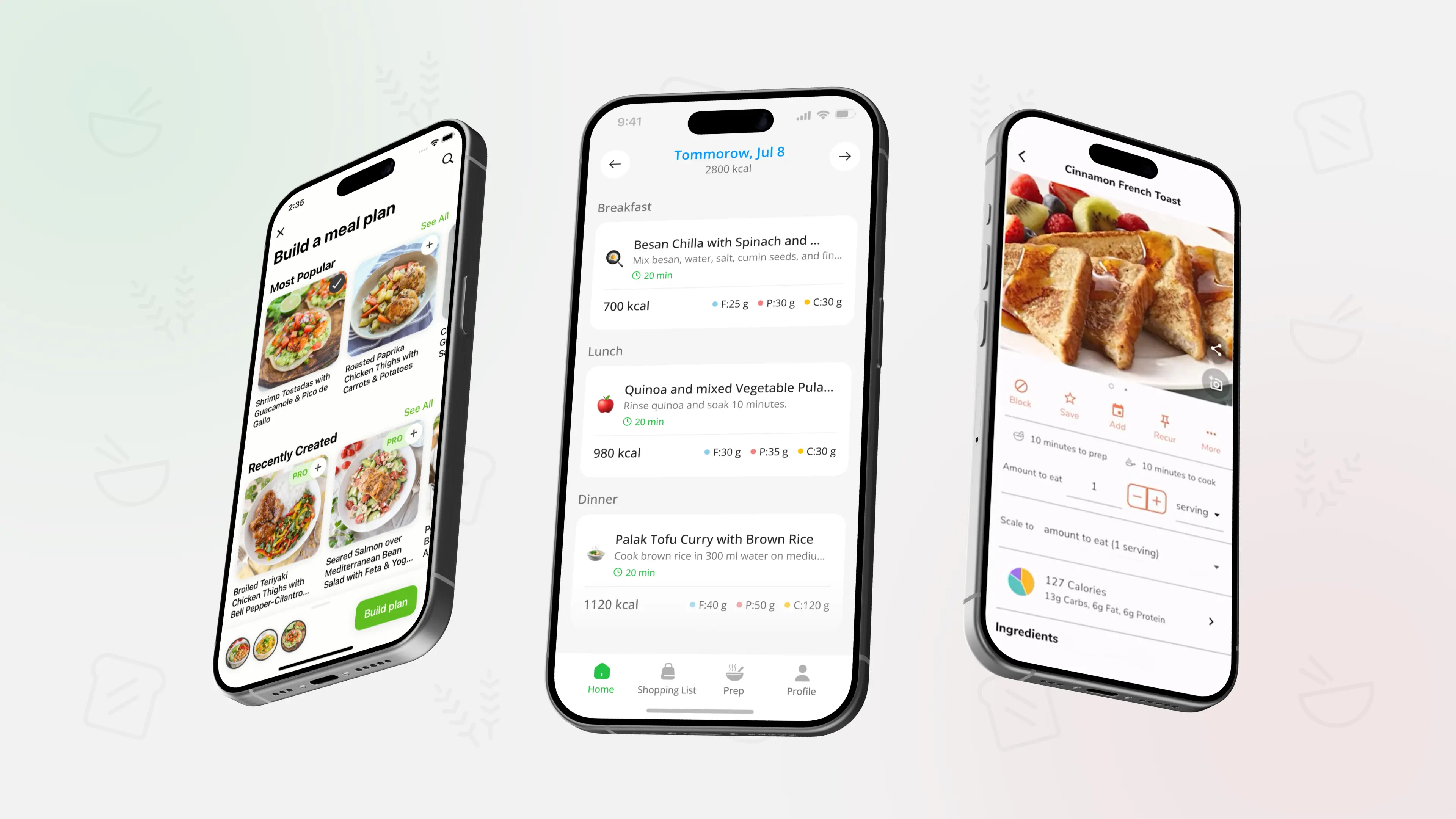
This is where PlanEat AI can be useful because the hard part is rarely knowing that vegetables and beans are good for you. The hard part is turning that into a weekly routine you can actually follow. A flexible plan makes plant-based eating feel practical instead of restrictive.
If you want a broader foundation before changing your routine, Healthy Eating Basics: Build a Balanced Plate is a helpful companion read because plant-based meals still need balance, not just more greens.
What plant-based eating can look like without strict rules
A non-vegan plant-based routine can be very simple. You might eat oatmeal with berries and Greek yogurt for breakfast, a lentil bowl for lunch, and salmon with vegetables for dinner. Another day might include eggs, beans, avocado toast, tofu stir-fry, or chicken with a large salad and roasted potatoes. The point is not to remove every animal product. The point is to make plants the default foundation more often.
This approach works because it gives people more room to build meals that are filling and realistic. Beans, lentils, oats, potatoes, fruit, whole grains, nuts, and vegetables bring fiber, texture, and variety. Eggs, yogurt, fish, poultry, or cheese can still help with protein and satisfaction when someone does not want a fully vegan diet.
That balance matters. Many people fail with diet changes because they make the plan too narrow too quickly. A plant-forward approach is easier to maintain because it improves food quality without forcing a strict identity. If you want more context on flexible eating, Flexible Meal Planning Without a Strict Plan (2026) fits naturally here.
A simple 7-day plant-forward plan
This sample week is not meant to be a strict diet. It is a simple way to see how plant-based eating can work without going vegan. The meals are built around plants first, while still leaving room for animal foods where they make the week easier and more satisfying.
Day 1: Oatmeal with berries, chia seeds, and Greek yogurt. Lentil and cucumber bowl with olive oil dressing for lunch. Salmon with roasted vegetables and potatoes for dinner.
Day 2: Eggs with avocado toast and fruit. Chickpea salad wrap with greens and tomato for lunch. Turkey or tofu chili with beans, peppers, and a side salad for dinner.
Day 3: Greek yogurt with oats, walnuts, and berries. Quinoa bowl with roasted vegetables, feta, and chickpeas for lunch. Chicken, tofu, or tempeh stir-fry with brown rice and vegetables for dinner.
Day 4: Smoothie with yogurt, banana, berries, spinach, and peanut butter. Black bean and corn bowl with rice, salsa, and avocado for lunch. Shrimp or tofu tacos with cabbage slaw and beans for dinner.
Day 5: Cottage cheese or soy yogurt with fruit and nuts. Whole-grain toast with hummus, cucumber, and a boiled egg for lunch. Pasta with tomato sauce, lentils, spinach, and parmesan for dinner.
Day 6: Oatmeal with apple, cinnamon, and almond butter. Mediterranean bowl with hummus, roasted vegetables, pita, and grilled chicken or falafel for lunch. Vegetable curry with chickpeas and rice for dinner.
Day 7: Eggs or tofu scramble with vegetables and toast. Bean soup with a side salad for lunch. Veggie burger bowl with sweet potato, greens, avocado, and yogurt-based or tahini dressing for dinner.
This kind of plan works because it does not depend on perfection. It gives you repeated patterns: oats or yogurt at breakfast, beans or lentils at lunch, and a dinner built around vegetables, protein, and satisfying carbs. That is usually easier to keep than trying to cook seven completely new meals from scratch.
The main mistake is forgetting protein and satisfaction
One common problem with plant-based eating is that people add more vegetables but forget to build meals that actually hold them. A salad with greens and a few vegetables may be healthy, but it may not keep you full if it lacks protein, carbs, fat, and enough total food. That is when people feel hungry, snack more, and assume plant-based eating does not work for them.
A better approach is to build every meal around a few anchors. Add a protein source like beans, lentils, tofu, tempeh, eggs, Greek yogurt, fish, chicken, or cottage cheese. Add a fiber-rich carb like oats, potatoes, rice, quinoa, whole-grain bread, fruit, or beans. Then add vegetables and a fat source like olive oil, nuts, seeds, avocado, or tahini.
That structure makes plant-forward meals feel like real meals, not diet food. If you often feel hungry after eating “healthy,” Why You’re Always Hungry on a Healthy Diet (2026) is a useful related read because the issue is often meal structure, not lack of effort.
Make plant-based eating easier to repeat
The easiest way to eat more plants is to make the week less random. Pick two breakfasts you can repeat, two or three lunches that use beans, grains, or vegetables, and a few dinners that feel familiar enough to cook without overthinking. You do not need a perfect plan. You need enough structure to avoid starting from zero every day.
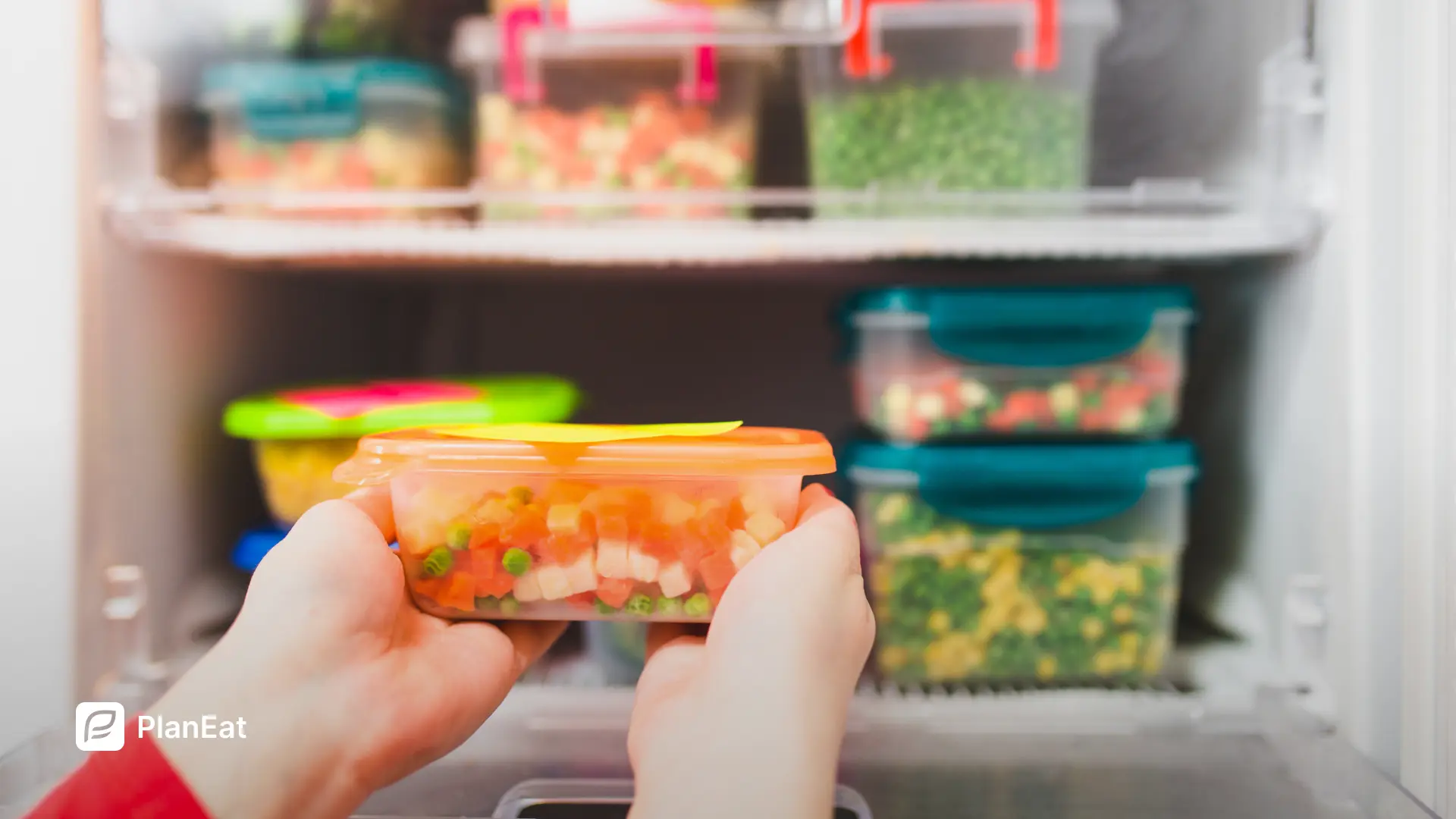
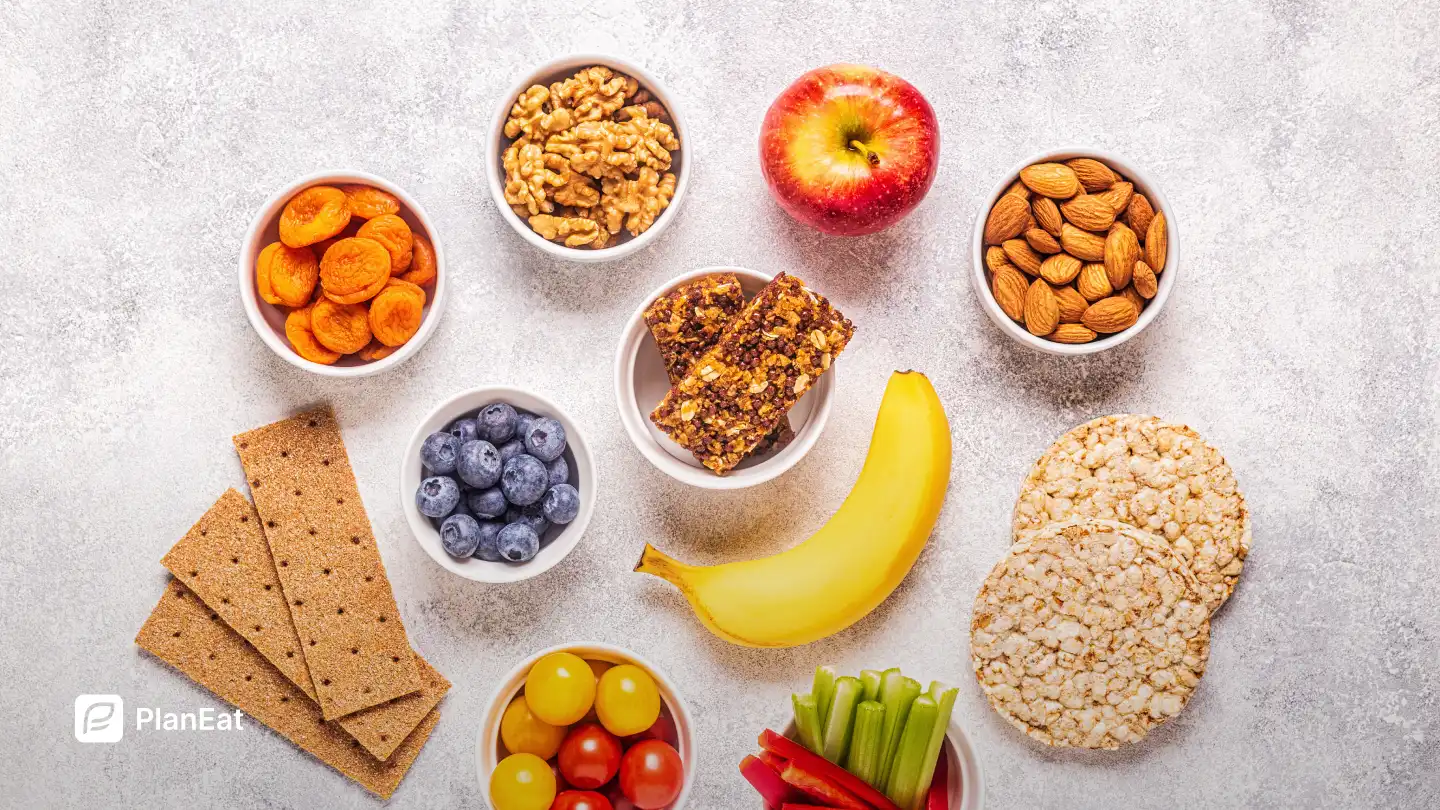
Simple defaults help a lot. Keep canned beans, lentils, oats, frozen vegetables, rice, potatoes, eggs, yogurt, tofu, fruit, nuts, and a few sauces or dressings you enjoy. With those basics, you can build bowls, wraps, salads, soups, breakfast plates, and simple dinners without needing a complicated recipe every time.
This is also where PlanEat AI fits naturally as a practical tool. It helps users turn plant-forward intentions into a clearer weekly eating routine, with realistic meals and a grouped grocery list that makes follow-through easier. For people who want to eat more plants without going fully vegan, that kind of structure can be much more useful than another strict diet rule.
FAQ
Can I eat plant-based without being vegan?
Yes. Plant-based eating can simply mean eating more meals built around plants while still including animal foods if they fit your life. You do not need to become vegan to benefit from more vegetables, beans, lentils, fruit, whole grains, nuts, and seeds.
What is the easiest first step?
Start by making one meal per day more plant-forward. Breakfast oats with fruit, a bean-based lunch bowl, or a dinner with extra vegetables and lentils can be easier than changing everything at once.
How do I get enough protein while eating more plant-based meals?
Use a mix of protein sources. Beans, lentils, tofu, tempeh, Greek yogurt, eggs, cottage cheese, fish, chicken, and soy foods can all help depending on how flexible your version of plant-based eating is.
Is plant-based eating good for weight loss?
It can help some people, especially when it increases fiber and reduces reliance on ultra-processed foods. But weight loss still depends on the overall pattern, portion sizes, consistency, and how satisfying the meals are.
Do I need special vegan products?
No. Most people can start with basic foods like oats, beans, lentils, vegetables, fruit, potatoes, rice, yogurt, eggs, tofu, nuts, and seeds. Simple foods usually work better than trying to replace everything with specialty products.
Educational content only, not medical advice.
A simple way to eat more plant-based
Plant-based eating does not have to mean becoming vegan. A realistic version is to make plants the foundation more often while still keeping the foods that help you stay full, satisfied, and consistent.

.webp)
.webp)
.webp)
.webp)
.webp)
%20(2026).webp)
.webp)
.webp)
.webp)
%20(2026).webp)
.webp)
%20(2026).webp)
.webp)
.webp)
.webp)
%20Quick%20Ideas%20(2026).webp)
.webp)
.webp)
.webp)
%20Simple%20Staples%20(2026).webp)
.webp)


.webp)
.webp)
.webp)
_.webp)
_.webp)


.webp)
_webp.webp)
_.webp)
_.webp)
_webp.webp)
.webp)
.webp)
_%20What%20to%20Buy%20When%20(2026)_.webp)
_.webp)
webp.webp)
_.webp)
.webp)
.webp)
.webp)
.webp)
.webp)
.webp)
.webp)
.webp)
.webp)
.webp)
.webp)
.webp)

.webp)
.webp)
%20%2B%207%E2%80%91Day%20Menu.webp)
.webp)
.webp)
.webp)

.webp)
.webp)
.webp)