Why Obesity Keeps Rising: What’s Driving It in 2026 (2026)
.webp)
TL;DR: Obesity keeps rising not because people suddenly know less about health, but because modern life keeps making overeating, under-moving, and inconsistent routines easier to fall into. The biggest drivers are usually not one food or one bad habit, but a mix of ultra-processed food, portion creep, poor sleep, stress, low activity, and a food environment built for convenience.
Why obesity is still rising even though people know more about nutrition
At first glance, the trend can feel confusing. Nutrition information is everywhere, healthier products are easier to find than they were years ago, and more people talk openly about food quality, protein, fiber, and exercise. But knowing more does not automatically make daily life easier to manage. In many cases, people are not failing because they have never heard good advice. They are struggling because their environment keeps pushing them in the opposite direction.
Modern eating is shaped by convenience, speed, stress, long workdays, easy delivery, aggressive food marketing, larger portions, and constant exposure to highly rewarding foods. That means a person can understand the basics of healthy eating and still end up in a routine that leads to gradual weight gain. This is one reason obesity is better understood as a systems problem, not just a motivation problem.
Another issue is that many people try to respond with short-term restriction. They tighten the rules, cut whole food groups, eat in a way that feels unsustainable, and then rebound when normal life catches up. If you want a useful companion piece here, Sustainable Healthy Eating Habits (2026) fits naturally because long-term change depends more on repeatable structure than on perfect discipline.
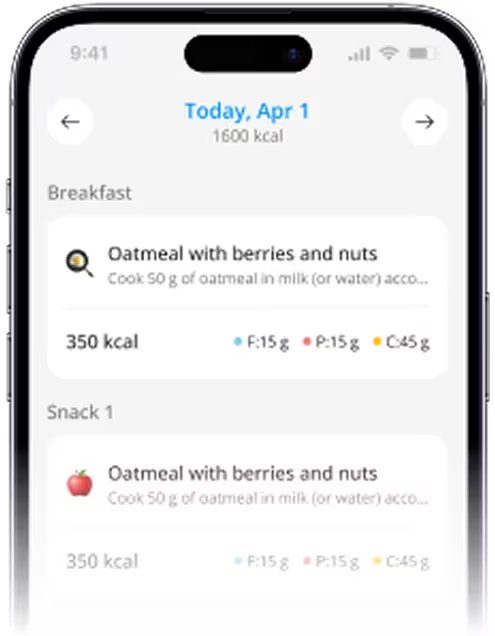
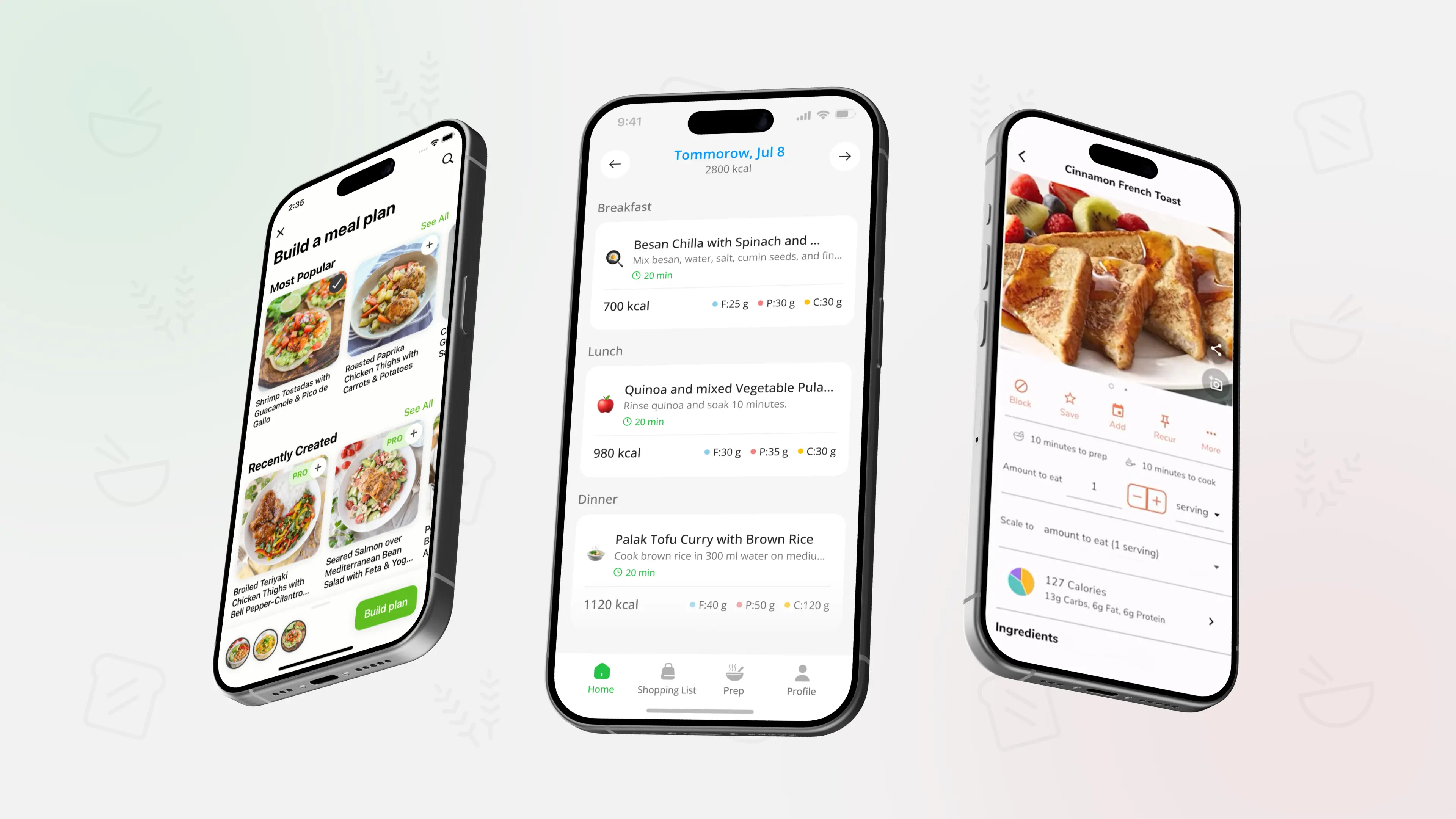
If better eating keeps falling apart in everyday life, PlanEat AI helps you build a weekly meal plan with realistic meals, a grouped grocery list, and easy swaps based on your goals, dislikes, and cooking time. That makes healthy eating easier to repeat without turning it into an extreme reset.
The environment makes overeating easier than most people realize
One of the biggest reasons obesity keeps rising is that modern food is designed to be easy to consume and hard to regulate naturally. Highly processed foods combine convenience, taste, texture, and reward in a way that encourages people to eat quickly and often. Add large portions, snacks everywhere, sweet drinks, and constant exposure to food cues, and it becomes much easier to overshoot energy needs without feeling like you are doing anything dramatic.
This matters because weight gain often does not come from obvious binge behavior alone. It can come from smaller patterns repeated over time: a pastry and sweet coffee in the morning, a lunch that is too light and leads to afternoon snacking, takeout at night because the fridge is empty, and weekends with very little structure. None of those moments may feel extreme on their own, but together they create a pattern that is easy to maintain and hard to notice early.
This is also why focusing only on willpower rarely works. If the easiest options around you are the ones that lead to overeating, you are fighting your environment every day. Ultra-Processed Foods: How to Cut Back Without Going Extreme (2026) and Healthy Eating Myths People Still Believe (2026) both connect well here because they help explain why modern eating patterns often drift away from what people actually intend.
Weight gain is also driven by sleep, stress, and routine breakdown
Food is central, but it is not the whole picture. Poor sleep, chronic stress, and an unstructured daily routine all push in the same direction. When sleep is low, hunger and cravings often feel stronger. When stress is high, people are more likely to reach for quick reward, skip proper meals, or eat reactively at the end of the day. When the week has no structure, the easiest option keeps winning by default.
This is one reason many people feel like they are doing “pretty well” but still slowly gaining weight. They may eat a decent dinner, go to the gym twice a week, and genuinely care about health, yet still live in a pattern where sleep is poor, meals are random, movement is low across the rest of the day, and weekends undo the structure of weekdays. Obesity often grows from this kind of friction-filled routine more than from one dramatic mistake.
That is also why practical daily systems matter so much. Sleep & Hunger: Why Sleep Affects Your Diet and Stress & Emotional Eating: How to Stop fit well with this topic because they explain why food decisions get harder when recovery and stress management are weak.
Why extreme diets do not solve the real problem
When people worry about weight gain, the natural reaction is often to go harder. They cut carbs, skip meals, remove favorite foods, or try to maintain a level of precision that does not fit their actual life. For a short time, that can create a feeling of control. But if the plan is too rigid, the system usually breaks the moment real life pushes back.
That is why obesity keeps rising even though people try diet after diet. The problem is often not lack of effort. It is that the solutions they try are too narrow, too harsh, or too disconnected from how they actually live. If a plan depends on constant self-control, perfect meal prep, or saying no to everything rewarding forever, most people will not keep it going long enough to change the bigger pattern.
A more useful strategy is to make the healthier option more automatic.
The most effective response is a weekly system, not a perfect diet
The people who make the most stable progress usually do not have perfect habits. They have better defaults. They know what breakfast is most days. They have a few dependable lunches and dinners. They keep basic foods at home. They reduce the number of moments where hunger meets zero structure. That is what makes a weekly system so powerful.
For example, someone who plans three dinners, repeats two easy breakfasts, keeps snacks that are actually satisfying, and shops from a usable list is already solving a big part of the obesity problem at the everyday level. The goal is not to create a flawless diet. It is to build a pattern that makes overeating less automatic and better decisions easier to repeat.
That is where PlanEat AI fits naturally as the practical conclusion. It helps turn healthy eating into a weekly meal plan with a grouped grocery list and realistic meals that fit real schedules. For people who want more structure without rigid dieting, that is often a much more useful direction than chasing another all-or-nothing reset.
FAQ
Why are obesity rates still rising in 2026?
Because the drivers are bigger than individual knowledge alone. Modern food environments, high stress, poor sleep, low daily movement, large portions, and highly processed convenience foods all make gradual weight gain easier to sustain.
Is obesity mainly caused by one type of food?
No. It is usually driven by a pattern, not a single item. Certain foods can make overeating easier, but the bigger issue is the overall system of habits, environment, sleep, activity, and routine.
Why do so many diets fail long term?
Because many of them are too strict to maintain in real life. They may create short-term control, but they often do not build a routine that still works during stressful weeks, social events, or busy schedules.
What helps more than another strict diet?
A weekly structure usually helps more. Stronger meals, better grocery planning, more satisfying defaults, and fewer random food decisions often produce more stable progress than extreme restriction.
How can I make healthier eating easier to repeat?
Start by simplifying the week. Repeat a few dependable meals, keep basic foods at home, reduce the number of emergency food decisions, and use a plan that feels realistic enough to follow more than once.
Educational content only, not medical advice.
What is really driving obesity in 2026
Obesity keeps rising because modern life makes overeating and inconsistency easier than most people realize. The issue is usually not one bad food or one weak decision. It is the combination of food environment, stress, poor sleep, low structure, and habits that are easy to repeat for the wrong reasons.

.webp)
.webp)
%20(2026).webp)
.webp)
.webp)
.webp)
%20(2026).webp)
.webp)
%20(2026).webp)
.webp)
.webp)
.webp)
%20Quick%20Ideas%20(2026).webp)
.webp)
.webp)
.webp)
%20Simple%20Staples%20(2026).webp)
.webp)


.webp)
.webp)
.webp)
_.webp)
_.webp)



.webp)
_webp.webp)
_.webp)
_.webp)
_webp.webp)
.webp)
.webp)
_%20What%20to%20Buy%20When%20(2026)_.webp)
_.webp)
webp.webp)
_.webp)
.webp)
.webp)
.webp)
.webp)
.webp)
.webp)


.webp)
.webp)
.webp)
.webp)

.webp)

.webp)

.webp)

.webp)
%20%2B%207%E2%80%91Day%20Menu.webp)
.webp)


.webp)
.webp)




.webp)
.webp)
.webp)
.webp)
%20iOS%20Focus.webp)
.webp)