Why Meal Plans Fail After Week 2 (2026)
.webp)
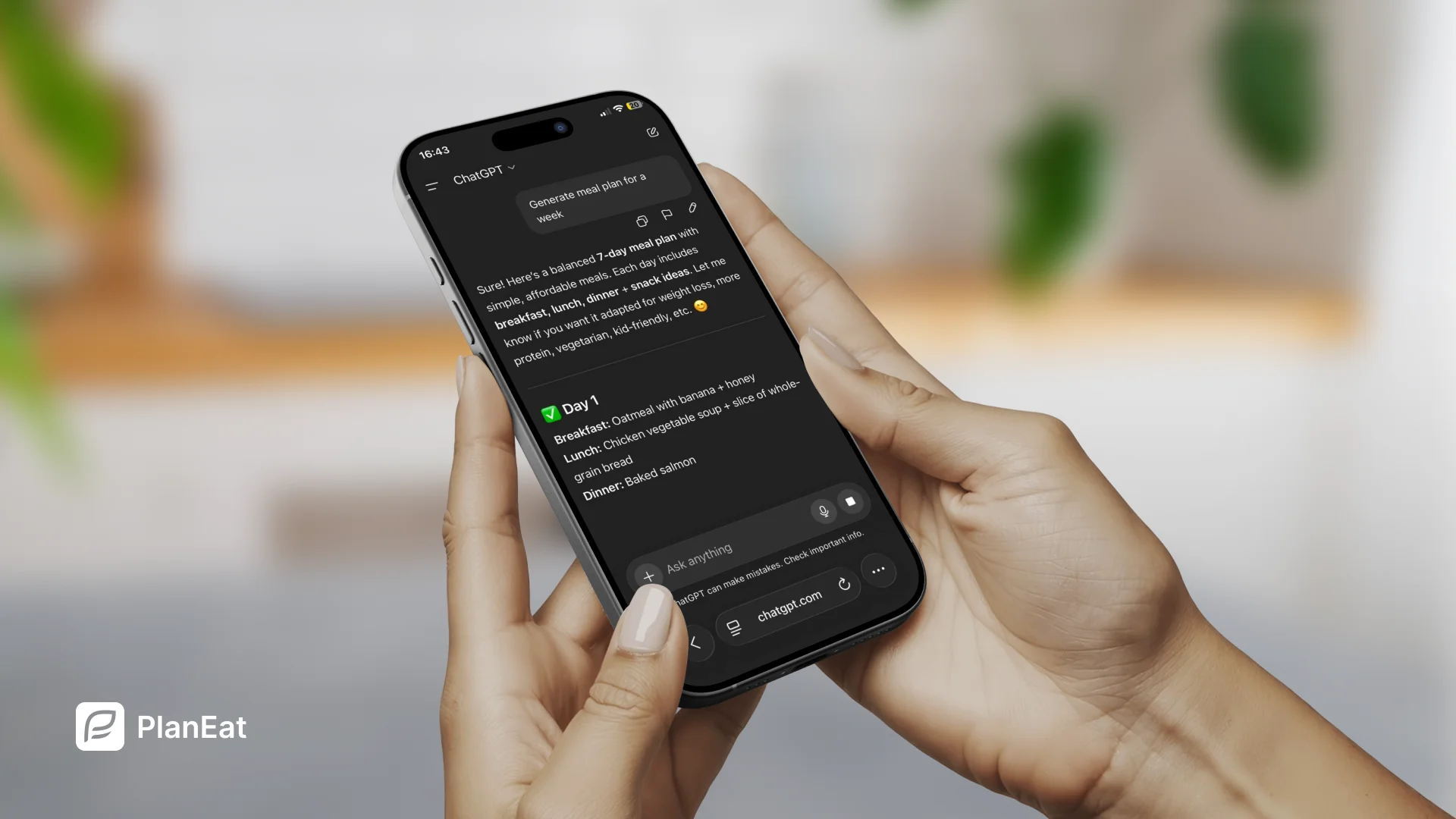
TL;DR: Most meal plans collapse after week 2 because they are built for an ideal week, not a normal one. The fix is not more discipline. It is a simpler structure you can repeat, plus a few planned escape hatches.
The week-2 drop-off pattern
Week 1 usually feels clean: you shop with good intentions, cook a few times, and follow the plan closely. Then real life shows up in week 2: meetings run late, your fridge looks random, and the plan starts feeling like extra work.
The problem is not that you are “bad at meal planning.” The plan is often too fragile. It relies on perfect timing, high motivation, and too many one-off recipes. A better plan is designed to survive a messy week.
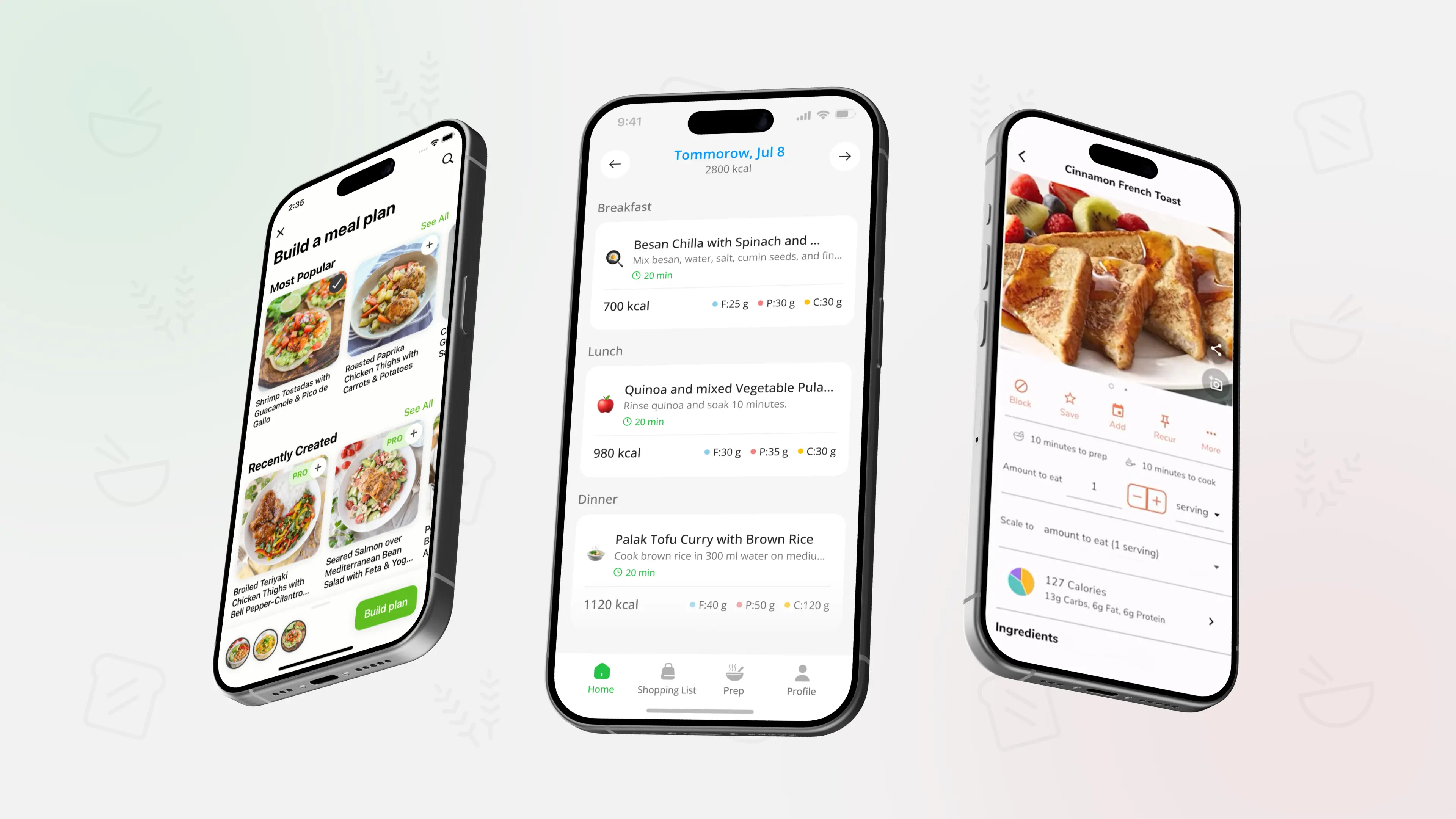
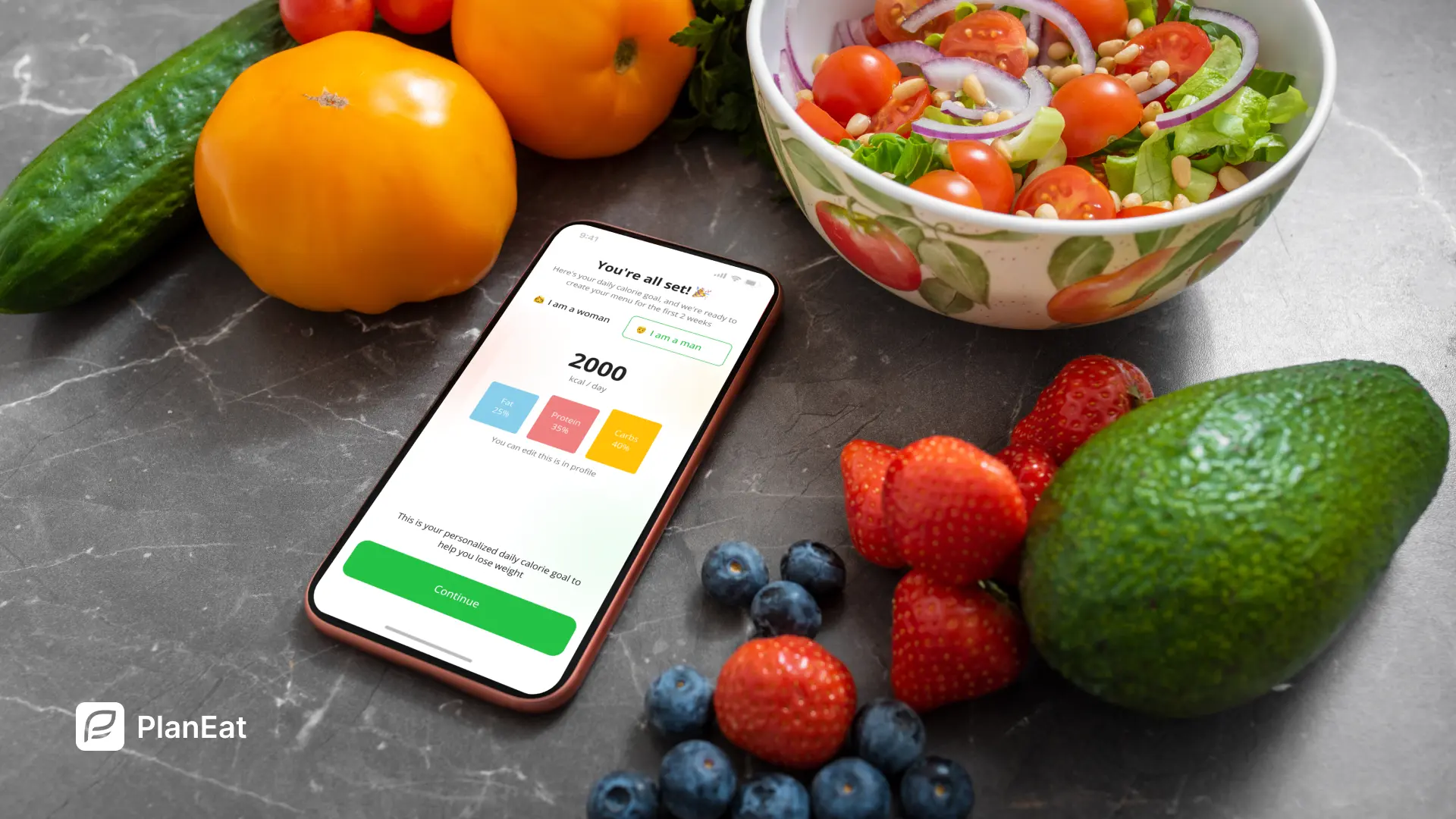
If you want a plan that stays practical week after week, PlanEat AI can generate a weekly meal plan and a grouped grocery list personalized to your goals, dislikes, and the time you have to cook. It is built for repeatable meals, not perfection.
The 5 reasons plans break after week 2
Below are the most common failure points, and they show up even for motivated people.
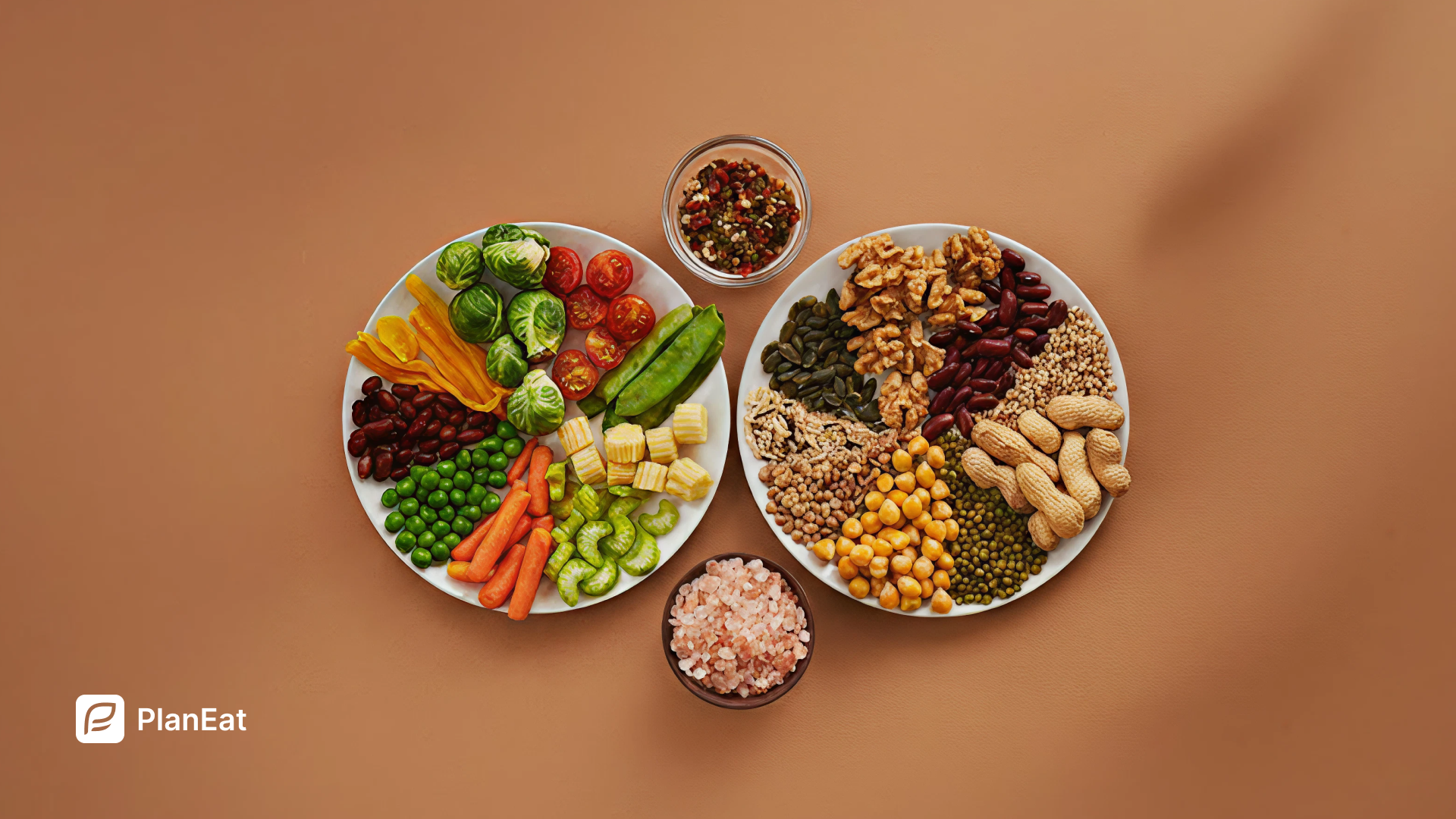
- Too much variety too soon. Seven different dinners can look inspiring on day 1, then feel exhausting by day 10. Variety is not the goal. Consistency is.
- The grocery list is not connected to real meals. You buy “healthy items,” but not a clear set of ingredients that reliably turns into meals.
- No fallback meals. When one dinner fails, the whole week slides into takeout or snacking because there is no backup.
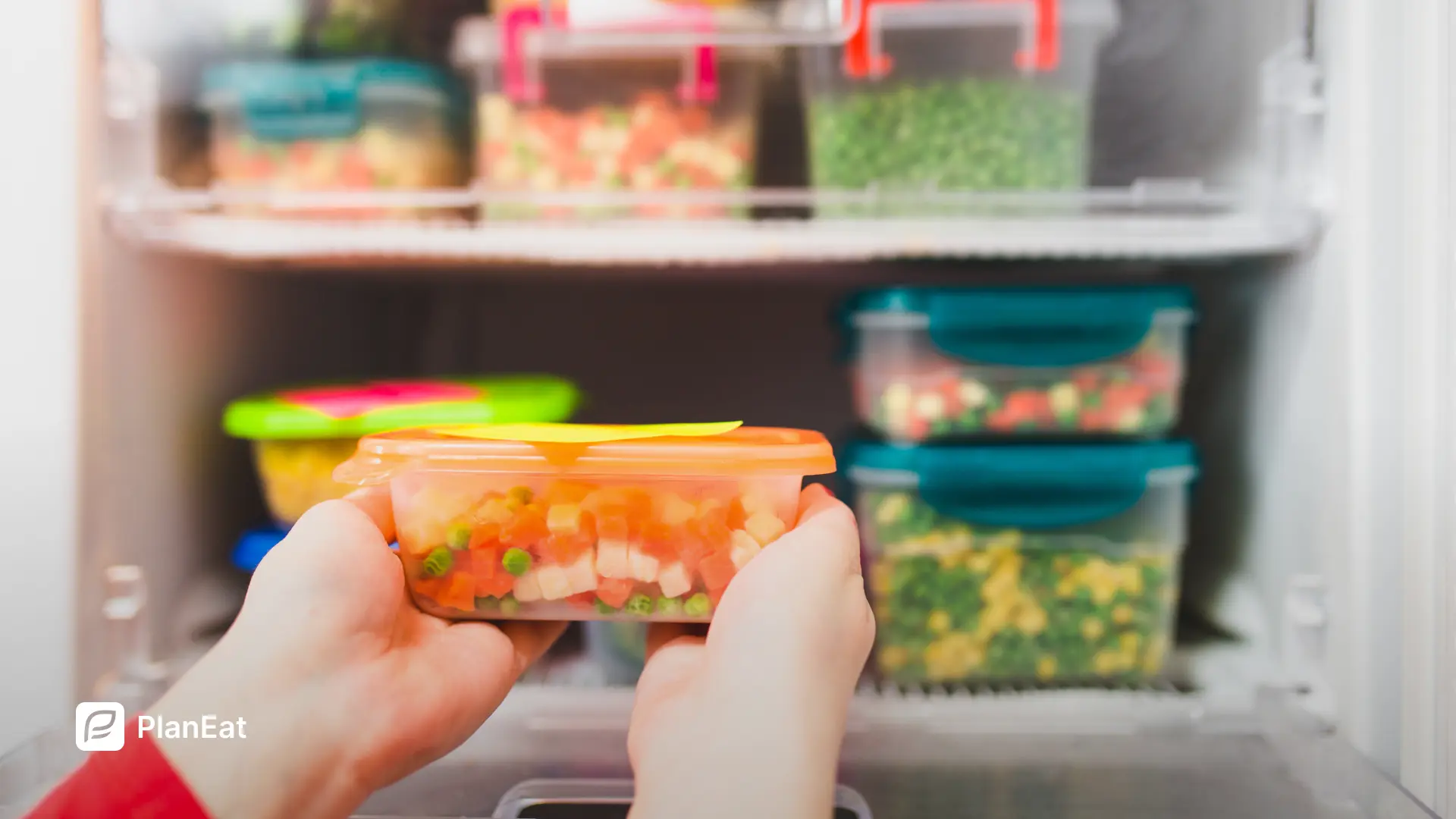
- Leftovers are accidental, not planned. Random leftovers create fridge clutter. Planned leftovers create lunch and save decisions. The difference is explained well in Using Leftovers Smartly: Plan, Cook, Re-use.
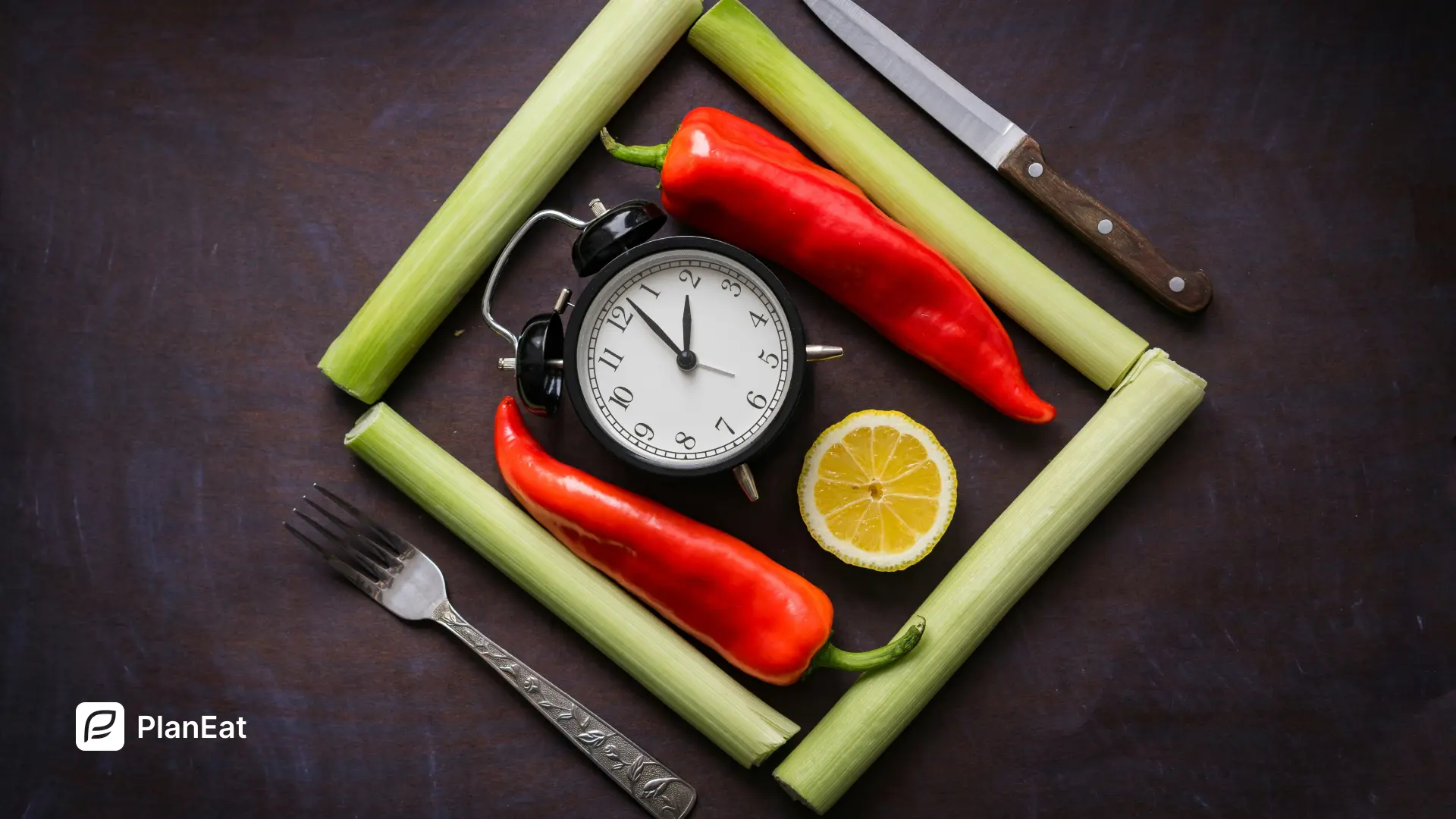
- The plan depends on your best energy. Week 2 usually includes a low-energy day. If your plan has no low-effort option, it breaks.
How to fix it without starting over
A week-3 reset works best when it is small and specific. The goal is to rebuild a plan you can repeat, not to create a new perfect week.
Start with a simple rule: plan two anchor meals you can cook reliably, then repeat them in different forms. For example, one chicken-based meal and one bean or lentil meal. Build the rest of the week around those anchors.
Then set a fallback that you actually like. Your fallback might be frozen meals, pantry staples, or a 10-minute dinner. If you need a quick structure, Quick Meal Planning: Build a 30-Minute Weekly Plan shows how to keep planning light while staying consistent.
Finally, cut your “new recipes” in half. Keep one new meal per week, not five. If you want to go back to basics and rebuild your foundation, use Meal Planning Basics: How to Start (Beginner Guide) as a simple reset checklist.
With PlanEat AI, you can save a weekly plan as reusable, swap meals when your week changes, and keep a repeatable protein-and-fiber backbone so week 2 does not turn into a restart.
A simple week-3 reset plan
Use this as a low-friction template for the next 7 days.
- Pick 2 anchor dinners you can cook even when tired.
- Plan 2 leftover lunches on purpose, not by accident.
- Choose 1 fallback dinner for your hardest day.
- Keep 1 new meal max for variety.
- Reuse the same grocery core: one protein, one backup protein, two vegetables, one carb, one sauce or seasoning.
This structure lowers the number of decisions you have to make, which is usually the real reason meal planning feels hard.
FAQ
Why do I do fine in week 1 and fail in week 2?
Week 1 is powered by novelty and motivation. Week 2 tests whether your plan works when you are tired, busy, or off schedule.
Is it better to plan every meal or only dinners?
For most people, planning dinners is enough. Breakfast and lunch can be repeatable or leftover-based, which reduces work.
How many recipes should a weekly plan include?
Fewer than you think. Two anchor dinners plus one new meal is a realistic starting point for consistency.
What is the fastest way to rescue a week that is already off track?
Choose one anchor meal you can cook tonight and one fallback for tomorrow. Then rebuild the grocery core for the next few days.
How do I avoid wasting groceries when plans change?
Buy ingredients that can move between meals, like eggs, frozen vegetables, rice, beans, and one flexible protein. Planned leftovers also prevent food from becoming fridge clutter.
Educational content only, not medical advice.
The real fix is a plan that survives normal weeks
Week 2 is not a motivation problem. It is a design problem. Build your plan around repeatable anchors, planned leftovers, and one real fallback, and you will stop needing a fresh start every Monday.


.webp)

.webp)
.webp)
%20%2B%207%E2%80%91Day%20Menu.webp)
.webp)



.webp)
.webp)
.webp)
.webp)
.webp)
.webp)
.webp)





.webp)
.webp)
.webp)
.webp)
.webp)
%20iOS%20Focus.webp)
.webp)
.webp)
.webp)
.webp)
.webp)
.webp)
.webp)
.webp)
.webp)
.webp)

.webp)
.webp)
..webp)
.webp)
.webp)
.webp)


.webp)


.webp)